Socio Today
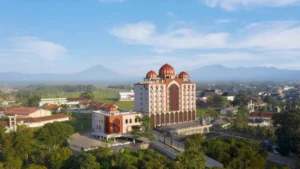
Standing as a silent witness to the passage of time and the evolution of a nation, Hotel Salak The Heritage in Bogor remains one of Indonesia’s most significant architectural and historical landmarks. Located strategically at Jalan Ir. H. Juanda No. 8, directly across from the sprawling gates of the Bogor Presidential Palace, this four-star establishment offers more than just luxury accommodation; it provides a portal into the colonial past of the Dutch East Indies. With its distinct European-style architecture and a lineage dating back to the mid-19th century, the hotel has transitioned from an elite Dutch social hub to a vital asset in Indonesia’s modern tourism and diplomatic landscape.
The story of Hotel Salak The Heritage is inextricably linked to the development of Bogor, formerly known as Buitenzorg—a Dutch name meaning "without a care." During the colonial era, Bogor served as a mountain retreat for the Dutch elite seeking to escape the stifling heat and disease-prone environment of Batavia (modern-day Jakarta). As the seat of the Governor-General moved to the Buitenzorg Palace, the demand for high-end lodging for visiting dignitaries and colonial officials surged, paving the way for the birth of one of the oldest hotels in Southeast Asia.
The Colonial Genesis: From Bellevue to Global Prominence
The origins of the hotel date back to 1856 when it was established under the name Bellevue-Dibbets Hotel. It was owned and managed by the family of Charles Ferdinand Pahud, who served as the Governor-General of the Dutch East Indies from 1856 to 1861. At its inception, the hotel was designed to cater exclusively to the upper echelons of the Dutch East India Company (VOC) and colonial administration. Its proximity to the Governor-General’s residence made it the preferred choice for officials conducting state business in the cooler highlands.
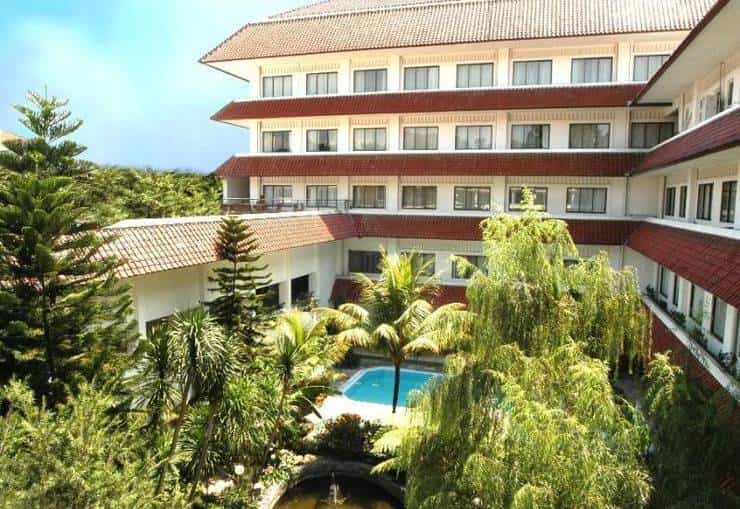
Architecturally, the building is a prime example of "Indische Empire" style, a fusion of European neoclassical elements adapted to the tropical climate of Java. The thick masonry walls, high ceilings, and expansive verandas were not merely aesthetic choices but functional necessities designed to facilitate natural ventilation before the advent of modern air conditioning. Over the decades, even as the hotel underwent various renovations, the core architectural identity has been meticulously preserved, ensuring that the "Heritage" in its name remains a lived reality for every guest.
A Chronology of Resilience: War and Nationalization
The history of Hotel Salak The Heritage is a reflection of Indonesia’s own turbulent path to sovereignty. Following nearly a century of Dutch operation, the hotel faced a dramatic shift during the Japanese occupation of the Dutch East Indies (1942–1945). Recognizing its strategic location and robust construction, the Japanese Imperial Army seized the property, converting the luxury hotel into a military headquarters. During this period, the halls that once echoed with the music of Dutch balls were transformed into centers of military planning and administration for the "Land of the Rising Sun."
The end of World War II and Indonesia’s subsequent Declaration of Independence in 1945 marked another turning point. As part of the nationalization of former colonial assets, the hotel was taken over by the Indonesian government. It was during this era that the establishment was renamed Hotel Salak, drawing inspiration from the majestic Mount Salak that dominates the Bogor skyline. The transition was not merely nominal; it symbolized the reclamation of Indonesian soil and the repurposing of colonial infrastructure to serve the new republic.
Strategic Location and Urban Integration
One of the primary factors contributing to the hotel’s enduring success is its unparalleled location. Situated in the "Golden Triangle" of Bogor, the hotel is surrounded by the city’s most iconic landmarks. It stands just 550 meters from the Bogor Presidential Palace (Istana Bogor) and 710 meters from the world-renowned Bogor Botanical Gardens (Kebun Raya Bogor). This proximity has made the hotel a central node for both leisure tourists and government officials.
Additional nearby attractions include:
- The Museum of Zoology (630 meters): Home to an extensive collection of preserved fauna from across the archipelago.
- Mount Halimun Salak National Park (520 meters to the regional office): Providing a gateway for nature enthusiasts.
- The Cathedral of the Blessed Virgin Mary: A historic church that complements the colonial atmosphere of the district.
The cool, highland climate of Bogor, which averages several degrees lower than Jakarta, continues to draw thousands of weekend visitors. Hotel Salak The Heritage leverages this geographic advantage by offering an environment that blends historical grandeur with the natural tranquility of its surroundings.
Modern Infrastructure and MICE Excellence
While its history is rooted in the 19th century, the hotel’s facilities are firmly planted in the 21st. Currently, Hotel Salak The Heritage boasts 140 guest rooms, each designed to balance classic elegance with modern convenience. The rooms are categorized to cater to various demographics, from standard travelers to high-ranking executives.
Beyond lodging, the hotel has established itself as a premier venue for Meetings, Incentives, Conventions, and Exhibitions (MICE). With 16 sophisticated meeting rooms, the hotel frequently hosts high-level government coordination meetings, corporate seminars, and international workshops. The integration of high-speed Wi-Fi, modern audiovisual equipment, and professional event management services has allowed the hotel to maintain a competitive edge in a city that is increasingly becoming a hub for national administration.
For leisure and wellness, the hotel provides a comprehensive suite of amenities, including:
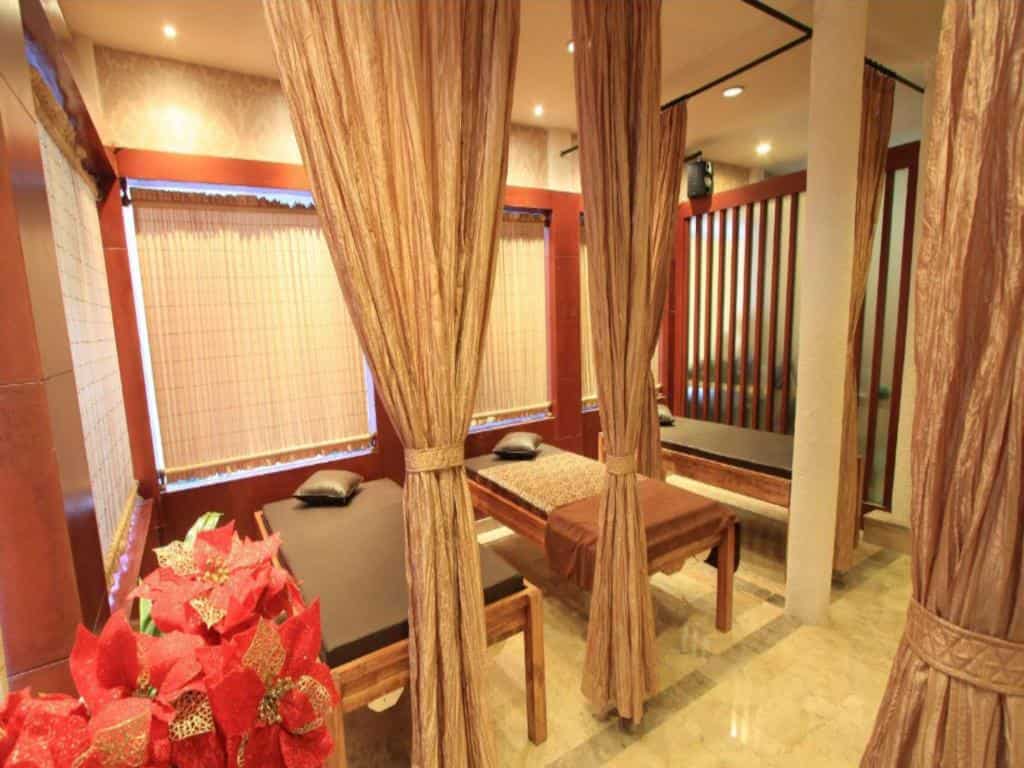
- Fitness Center and Spa: Offering traditional Javanese treatments that emphasize holistic well-being.
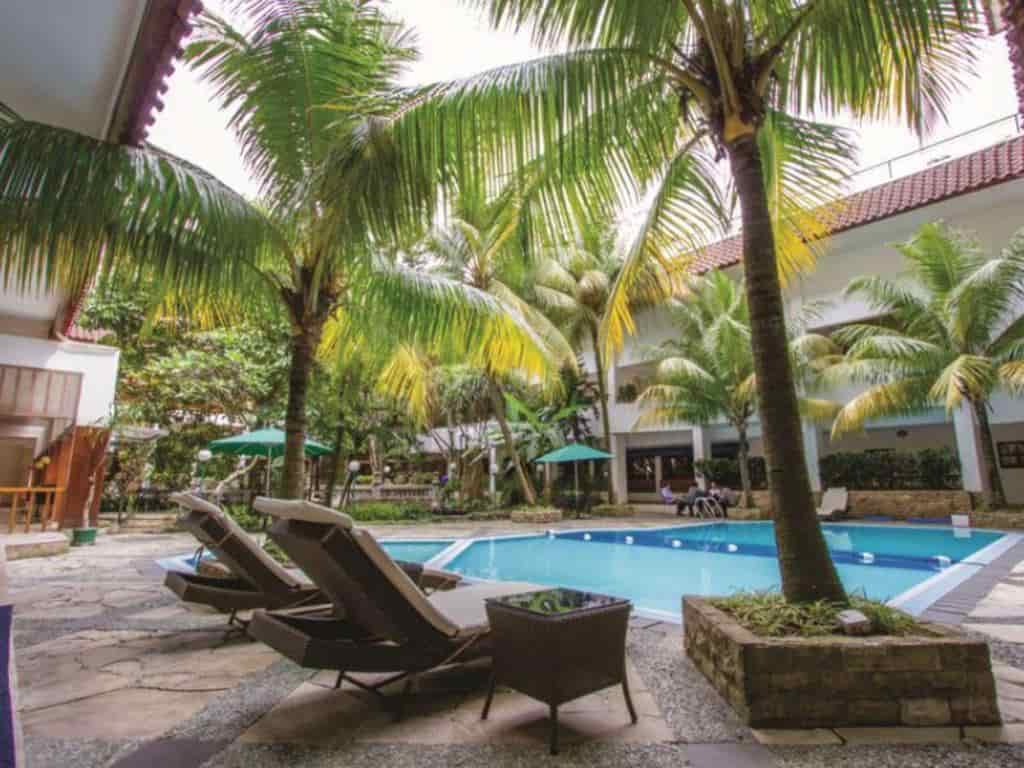
- Swimming Pool: Designed to offer a relaxing escape amidst the city’s activity.
- Diverse Culinary Options: Including several on-site restaurants, a bar, and a coffee shop that serve a mix of authentic Indonesian cuisine and international favorites.
Diplomatic Milestone: The 2006 Bush Visit
Perhaps the most significant accolade in the hotel’s modern history occurred in 2006. During the state visit of United States President George W. Bush to Indonesia, Hotel Salak The Heritage was selected to provide critical support services for the American delegation. The logistical complexity of a U.S. presidential visit is immense, requiring the highest standards of security, communication, and hospitality.
In recognition of their exceptional performance, the hotel received a "Certificate of Appreciation" from the White House Communications Agency. This commendation was not just a win for the hotel management but a testament to the capability of the Indonesian hospitality industry to meet the most rigorous international standards. The event solidified the hotel’s reputation as a "diplomatic cornerstone" in Bogor, capable of handling world-class events with precision.
Economic and Cultural Impact
The continued operation of Hotel Salak The Heritage provides significant economic benefits to the city of Bogor. As a major employer, it sustains hundreds of local jobs and supports a supply chain of local farmers and artisans. Furthermore, its role in heritage tourism cannot be overstated. By preserving its colonial architecture, the hotel serves as an educational resource, allowing younger generations of Indonesians and international tourists to engage with the country’s complex history.
Industry analysts point out that "heritage hotels" like Salak occupy a unique market niche. In an era of homogenized, modern glass-and-steel hotels, properties that offer a "sense of place" and a historical narrative are increasingly sought after. The hotel’s ability to maintain high occupancy rates—with prices starting at approximately Rp 509,171 per night—demonstrates the strong demand for experiential travel.
Future Outlook and Preservation Challenges
Looking ahead, the management of Hotel Salak The Heritage faces the delicate task of balancing modernization with conservation. As a heritage building, any structural changes must be handled with extreme care to maintain the integrity of the original Dutch design. However, the push toward sustainability and "green hospitality" requires the integration of energy-efficient systems and waste management practices.
The hotel’s survival through the colonial era, the Japanese occupation, the struggle for independence, and the modern digital age suggests a remarkable level of institutional resilience. It remains a focal point of Bogor’s identity—a place where history is not just displayed in a museum but lived in the corridors, verandas, and dining halls.
In conclusion, Hotel Salak The Heritage is more than an accommodation provider; it is a custodian of Indonesian history. From its 1856 roots as the Bellevue-Dibbets Hotel to its current status as a four-star icon of hospitality, it has adapted to every era while keeping its architectural soul intact. For the traveler, a stay at Hotel Salak is a journey through time, offering a rare opportunity to sleep within the same walls that once housed governors, generals, and presidents, all while enjoying the cool, refreshing air of the "Rain City."