 Socio Today
Maintaining stable blood glucose levels is a fundamental pillar of metabolic health, particularly for the millions of individuals living with diabetes or pre-diabetes worldwide. While fruit is frequently lauded as a cornerstone of a healthy diet due to its abundance of vitamins, minerals, and antioxidants, the physiological reality of fruit consumption is nuanced. Because fruits contain varying levels of fructose—a natural sugar—and possess distinct glycemic index (GI) values, not all fruits offer the same metabolic profile. For those managing insulin sensitivity and glucose spikes, the selection of fruit is a critical dietary decision. Recent research, including findings published by Health.com, highlights specific varieties that act as therapeutic agents in blood sugar management rather than triggers for hyperglycemia.
The Science of Glycemic Control and Fruit Consumption
The impact of fruit on blood glucose is primarily determined by its glycemic index, a ranking system from 0 to 100 that measures how quickly a carbohydrate-containing food raises blood sugar levels. Foods with a low GI are digested and absorbed more slowly, resulting in a more gradual rise in blood sugar and insulin levels. Conversely, high-GI foods trigger rapid spikes.
However, the GI value is only one component of the equation. Fiber content plays an equally pivotal role. Fiber, particularly soluble fiber, acts as a physical barrier in the digestive tract, slowing the rate at which enzymes break down carbohydrates into glucose. This synergy between low glycemic load and high fiber density is the primary criterion for identifying "diabetes-friendly" fruits. Furthermore, the presence of specific polyphenols and antioxidants—such as anthocyanins in berries or naringenin in citrus—has been shown to enhance insulin sensitivity and reduce systemic inflammation, providing a protective effect against the complications of long-term hyperglycemia.
1. The Power of Berries: Nature’s Anti-Inflammatory Agents
Berries, including blueberries, raspberries, and blackberries, represent the gold standard for individuals monitoring their metabolic health. These fruits are uniquely characterized by their low sugar-to-fiber ratio and high concentration of phytochemicals.
Clinical data suggests that regular consumption of blueberries and cranberries can significantly reduce hemoglobin A1c (HbA1c) levels. HbA1c is a vital clinical metric that provides a weighted average of blood glucose levels over a two-to-three-month period. By improving insulin sensitivity and slowing the absorption of glucose into the bloodstream, berries serve as a potent tool for preventing the postprandial (post-meal) spikes that characterize Type 2 diabetes. Furthermore, their high antioxidant profile—specifically anthocyanins—has been linked to improved cardiovascular outcomes, a secondary but essential benefit for diabetic patients who face elevated risks of hypertension and heart disease.
2. Alpukat: The Lipid-Glycemic Connection
Often misunderstood due to its caloric density, the avocado is actually one of the most effective tools for glycemic control. Unlike most fruits, which are primarily composed of carbohydrates, the avocado is rich in monounsaturated fatty acids and dietary fiber.
Research into the nutritional profile of the avocado has revealed a profound connection between its fat content and glycemic management. Studies have indicated that replacing saturated fats or high-glycemic carbohydrates with the monounsaturated fats found in avocados can improve glycemic control in Type 2 diabetic patients. The fiber content of the avocado is also noteworthy; it provides a sense of satiety, which helps prevent overeating and assists in weight management—a key factor in reversing insulin resistance. By modulating the speed of gastric emptying, the healthy fats and fibers in avocados ensure that glucose enters the bloodstream at a manageable pace.
3. Citrus Fruits: Naringenin and Pectin Synergy
The citrus family—encompassing oranges, lemons, and pomelos—offers a dual-action benefit for glucose metabolism. First, these fruits possess a low glycemic index, typically around 43, which positions them as safe additions to a diabetic diet.
Beyond the low GI, citrus fruits are abundant in pectin, a soluble fiber that forms a gel-like substance in the digestive tract. This gel slows the absorption of sugars, preventing rapid glucose surges. Additionally, citrus fruits are rich in naringenin, a potent flavonoid with documented anti-diabetic properties. Naringenin has been shown in various studies to improve glucose tolerance and reduce oxidative stress in the liver and kidneys. For individuals managing diabetes, the integration of whole citrus—not just juice, which lacks the essential fiber—is recommended to leverage these therapeutic compounds.

4. The Role of Apples in Postprandial Regulation
Apples are perhaps the most accessible fruit for glycemic management, providing a consistent source of fiber and essential nutrients. A medium-sized apple provides approximately four grams of fiber, a significant portion of which is soluble.
A landmark study conducted in 2022 provided compelling evidence for the timing of fruit consumption. The study demonstrated that subjects with impaired glucose tolerance experienced significantly lower blood sugar spikes when they consumed an apple before a carbohydrate-rich meal (such as rice) compared to those who did not. This suggests that the fiber and polyphenols present in the apple may "prime" the metabolic system, mitigating the impact of the subsequent high-glycemic meal. This finding emphasizes the importance not only of what is eaten, but how and when it is consumed within the context of a meal.
5. Pomegranate: Complex Polyphenols for Insulin Resistance
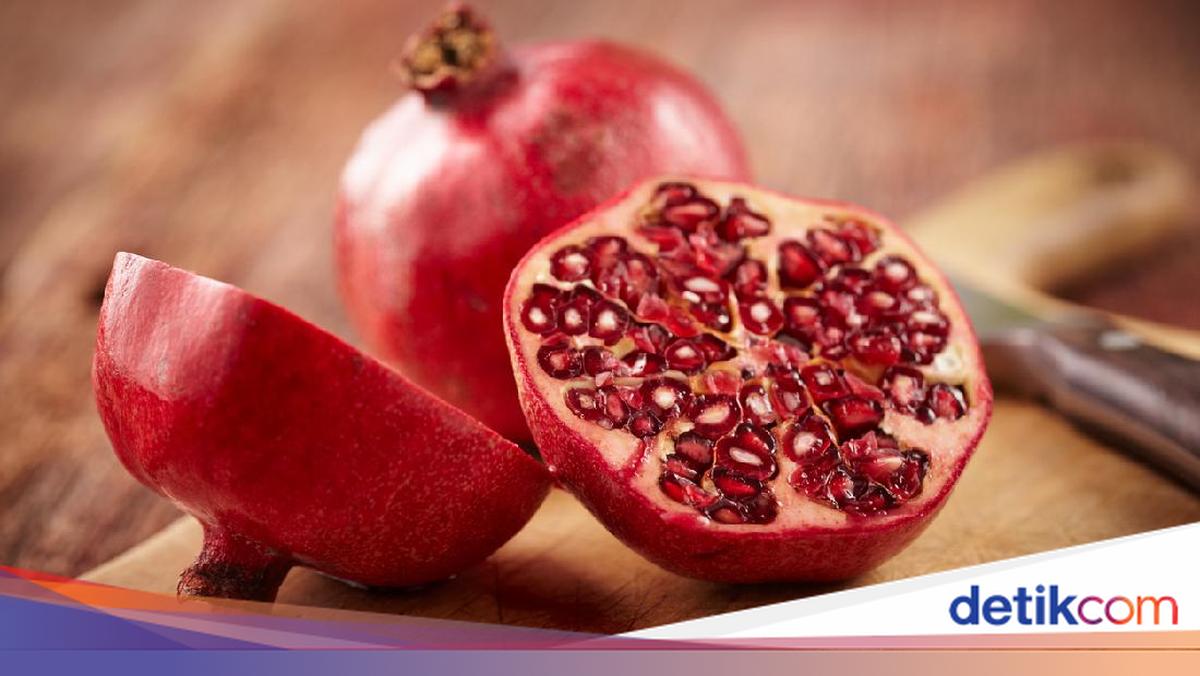
Pomegranate, with its distinctive arils and deep red juice, is a potent metabolic regulator. The fruit is dense in punicalagins and anthocyanins, which are powerful antioxidants known to improve insulin resistance.
The consumption of pomegranate has been associated with a reduction in systolic and diastolic blood pressure, as well as an improvement in lipid profiles. For patients with Type 2 diabetes, who are often managing a cluster of metabolic issues including dyslipidemia and hypertension, the pomegranate offers a holistic health benefit. The fruit’s organic acids and tannins contribute to its ability to stabilize blood glucose, making it a valuable inclusion for those looking to manage multiple aspects of metabolic syndrome.
Clinical Implications and Strategic Dietary Planning
The management of blood glucose through nutrition is not merely about restriction; it is about strategic selection. The fruits listed above—berries, avocados, citrus, apples, and pomegranates—provide a framework for a nutrient-dense, low-glycemic diet.

However, medical professionals caution that these fruits should be consumed as part of a balanced diet rather than as a "cure-all." The impact of fruit on blood sugar can still be influenced by portion sizes and the presence of other macronutrients in a meal. For instance, consuming fruit alongside a protein source or a healthy fat can further dampen the glycemic response.
Furthermore, the "chronology of consumption" identified in recent research—specifically the practice of consuming fiber-rich fruits before heavier meals—represents a shift in dietary guidelines. This method, often referred to as "food sequencing," is gaining traction in clinical nutrition as a non-pharmacological intervention for patients struggling with post-meal hyperglycemia.
Conclusion: A Proactive Approach to Health
For individuals navigating the complexities of diabetes or metabolic syndrome, the inclusion of these five types of fruit represents a proactive, evidence-based approach to health. By focusing on fiber density, glycemic index, and the presence of specific bioactive compounds, patients can enjoy the nutritional benefits of fruit while simultaneously protecting their cardiovascular and metabolic systems.
As always, dietary changes should be implemented in consultation with a primary care physician or a registered dietitian. Individual responses to carbohydrates can vary, and monitoring blood glucose levels via a glucometer or continuous glucose monitor (CGM) remains the most effective way to personalize these dietary recommendations. In the broader landscape of public health, the promotion of such fruits serves as an essential strategy in the global effort to curb the rising incidence of metabolic diseases, proving that nature provides the tools necessary to support long-term health and vitality.