 Socio Today
The silent progression of metabolic dysfunction represents one of the most significant public health challenges facing modern society. According to data released by the U.S. Centers for Disease Control and Prevention (CDC), the prevalence of prediabetes has reached a critical threshold, affecting more than two out of every five adults. With approximately 115.2 million individuals currently living with elevated blood glucose levels that have not yet reached the clinical threshold for a type 2 diabetes diagnosis, the need for dietary intervention has never been more urgent. Alarmingly, medical statistics indicate that eight out of ten individuals within this demographic remain unaware of their condition, inadvertently allowing the progression toward chronic illnesses, including type 2 diabetes, cardiovascular disease, and stroke.
The Mechanism of Metabolic Control
For men, who are statistically more prone to developing visceral fat—a key contributor to insulin resistance—the management of blood glucose through nutritional discipline is a primary preventative strategy. Amanda Sauceda, M.S., RD, a leading nutrition expert, emphasizes that the type and quality of carbohydrates ingested have the most immediate impact on systemic blood glucose levels. When an individual consumes high-glycemic index foods, the rapid influx of glucose triggers a spike in insulin production. Over time, chronic exposure to these spikes can lead to pancreatic exhaustion and the development of insulin resistance.
The clinical consensus is shifting away from restrictive "fad" diets toward sustainable, fiber-rich, and protein-dense nutritional patterns. By integrating specific superfoods into a weekly rotation, men can significantly modulate their metabolic response to food, thereby reducing the risk of long-term complications.
1. The Role of Beta-Glucans in Oat Consumption
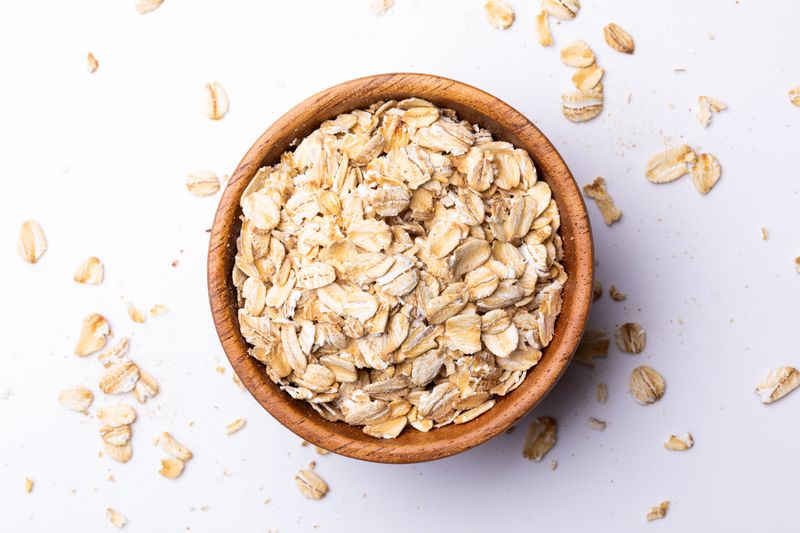
Oats have long been identified as a cornerstone of heart-healthy nutrition, but their role in blood sugar management is equally profound. Rich in beta-glucans, a form of soluble fiber, oats function by forming a viscous gel-like substance in the digestive tract. This physical barrier slows the enzymatic breakdown of carbohydrates, leading to a gradual, rather than an acute, rise in blood glucose levels.

Nutritionist Melissa Mitri, M.S., RD, highlights that consistent consumption of steel-cut or rolled oats is superior to processed alternatives. Instant oat varieties, often laden with added sugars and artificial flavorings, can negate the metabolic benefits of the fiber content. By incorporating steel-cut oats into a morning routine—either via overnight preparation or as a warm breakfast base—men can stabilize their glucose levels throughout the mid-morning period, effectively improving overall insulin sensitivity.
2. Berries and the Power of Anthocyanins
Beyond their reputation as a source of antioxidants, berries—specifically blueberries, strawberries, and raspberries—are potent tools in the fight against metabolic inflammation. The vibrant pigments found in these fruits are derived from anthocyanins, a class of flavonoids that have been clinically shown to mitigate systemic inflammation.
From a physiological perspective, chronic low-grade inflammation is a known precursor to insulin resistance. By reducing this inflammation, berries help the body’s cells respond more effectively to insulin. Furthermore, the fiber content in berries ensures that the fructose contained within the fruit is absorbed slowly. Experts suggest that combining berries with a source of healthy fat, such as a handful of walnuts, creates a synergistic effect that further blunts the glycemic response.
3. The Nutritional Superiority of Legumes and Lentils
Legumes—including lentils, chickpeas, black beans, and edamame—represent a unique combination of plant-based protein and complex carbohydrates. A comprehensive meta-analysis published in 2022 confirmed that the inclusion of legumes in the diet is associated with improved postprandial glucose levels.
The mechanism here is twofold: the high fiber content slows gastric emptying, while the protein component requires more energy for digestion, thereby providing a longer, more sustained satiety signal. For many men, the transition to plant-forward meals containing beans or lentils serves as a viable replacement for higher-glycemic staples like white rice or refined pasta, offering a simple yet effective shift in daily caloric intake.
4. Omega-3 Fatty Acids and Salmon
The inclusion of oily fish, such as salmon, provides a twofold benefit for men at risk of diabetes. First, the high-quality protein content acts as a stabilizer for the body’s carbohydrate processing. Second, the long-chain omega-3 fatty acids (EPA and DHA) are essential for cardiovascular health. Because diabetes and heart disease often manifest in tandem—a condition referred to as "diabesity"—managing the cardiovascular system is essential.
Recent dietary guidelines suggest that salmon is an ideal staple due to its relatively low mercury content compared to larger predatory fish. Preparation methods, such as air-frying or steaming, prevent the addition of harmful trans-fats that might otherwise be introduced during deep-frying, preserving the structural integrity of the healthy fats that are essential for metabolic signaling.
5. Nuts as a Metabolic Buffer
Nuts, particularly walnuts, almonds, and pistachios, are dense sources of magnesium, healthy fats, and protein. Magnesium, in particular, plays a vital role in glucose metabolism, acting as a cofactor in hundreds of enzymatic reactions within the body, including the transport of glucose into cells.
Research consistently indicates that the regular intake of nuts is linked to better glycemic control in individuals with prediabetes. By substituting processed snacks—often characterized by refined sugars and sodium—with a measured portion of raw or dry-roasted nuts, men can manage cravings while maintaining steady glucose levels.
Beyond Diet: The Lifestyle Nexus
While nutritional choices form the foundation of metabolic health, they are not the sole determinants of blood sugar stability. Experts recommend a holistic lifestyle approach that includes several behavioral adjustments:

- Post-Prandial Movement: Engaging in 10 to 15 minutes of light walking immediately following a meal can stimulate the muscles to take up glucose from the bloodstream, preventing the "after-meal spike."
- Consistency in Scheduling: Eating at consistent intervals—ideally every three to four hours—prevents the metabolic stress caused by prolonged fasting followed by overeating.
- The Sleep-Metabolism Connection: Poor sleep hygiene has been linked to increased cortisol levels, which in turn spikes blood glucose. Prioritizing seven to nine hours of quality sleep is essential for hormonal balance.
- Alcohol Moderation: The liver, which serves as a primary regulator of glucose production, is significantly impacted by alcohol consumption. Limiting alcohol intake is essential for maintaining the liver’s ability to store and release glucose effectively.
Broader Implications and Clinical Guidance
The global rise in diabetes-related complications represents a significant burden on healthcare systems. According to data projections, if the current trend continues, the economic impact of diabetes-related care will reach record highs by 2030. Consequently, public health initiatives are increasingly focusing on "food as medicine."
For individuals currently classified as prediabetic, or those concerned about their metabolic trajectory, the most effective course of action is to seek personalized guidance. A consultation with a primary care physician or a registered dietitian can help translate these general recommendations into an actionable, sustainable plan tailored to an individual’s specific physiological needs, lifestyle constraints, and genetic predispositions.
Ultimately, the prevention of type 2 diabetes in men is not achieved through singular, drastic changes, but rather through the consistent application of small, evidence-based nutritional adjustments. By prioritizing fiber-rich whole foods, embracing healthy fats, and maintaining an active lifestyle, the progression from prediabetes to chronic illness can be effectively halted or even reversed. The evidence is clear: the path to metabolic longevity is paved with the choices made at the dinner table.