Socio Today
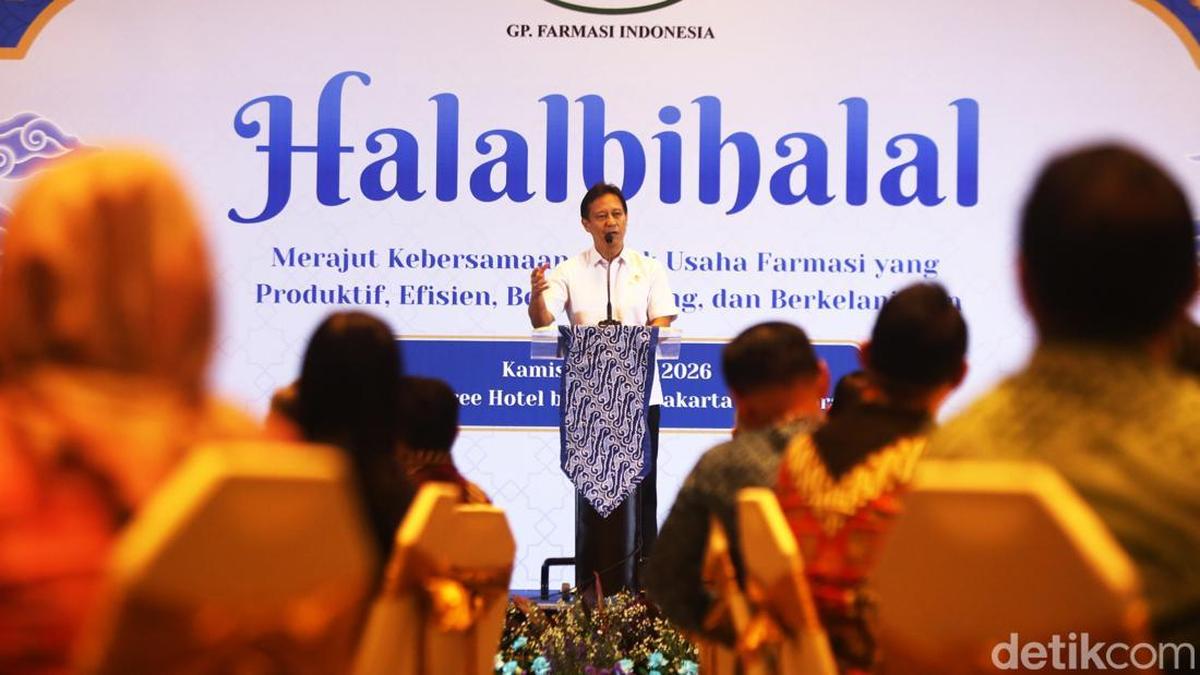
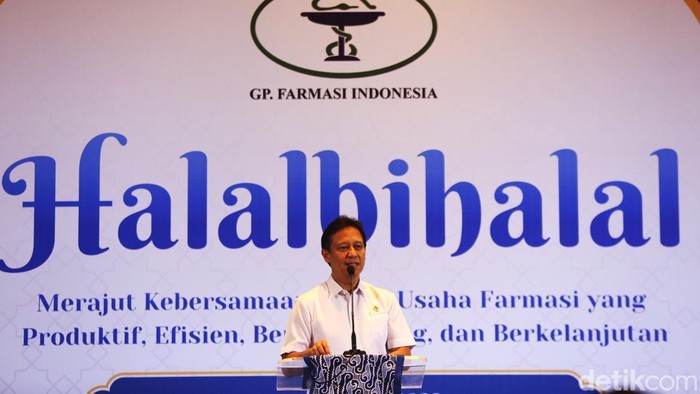
The gathering, themed "Weaving Togetherness for a Productive, Efficient, Competitive, and Sustainable Pharmaceutical Business," transcended the traditional bounds of a social "Halalbihalal" meeting. It functioned instead as a strategic forum to address the multifaceted challenges currently facing the industry, ranging from supply chain vulnerabilities and geopolitical tensions to the rapid integration of digital technology in healthcare delivery.
A Strategic Convergence in Jakarta
The event saw the attendance of several key figures in the Indonesian health sector, most notably Minister of Health Budi Gunadi Sadikin and the Head of the Indonesian Food and Drug Authority (BPOM), Taruna Ikrar. Their presence signaled a unified front between the executive branch of the government and the regulatory apparatus that governs the pharmaceutical market. For an industry that is heavily regulated and dependent on government policy, such high-level coordination is essential for long-term stability.
Minister Budi Gunadi Sadikin emphasized that the pharmaceutical industry is a cornerstone of the nation’s "Health Transformation" agenda. Since the early 2020s, the Ministry of Health has been aggressively pursuing a six-pillar transformation strategy, with the third pillar focusing specifically on the resilience of the health system. This involves ensuring that the majority of medicines, medical devices, and raw materials used within Indonesia are produced domestically. The Minister noted that the synergy between the private sector and the government is the only way to shield the Indonesian public from the "supply shocks" that often accompany global instability.
Chronology of Collaborative Efforts
The April 2026 meeting is the latest in a series of steps taken by the Indonesian government and GP Farmasi to modernize the local pharmaceutical landscape. Over the past three years, the industry has transitioned from a focus on pandemic recovery to a focus on structural reform.
- Late 2023 – 2024: Following the passage of the Omnibus Health Law (Law No. 17 of 2023), the government began streamlining the licensing process for domestic manufacturers, providing tax incentives for Research and Development (R&D).
- 2025: A significant push was made toward the digitalization of the pharmaceutical supply chain. The implementation of the SATUSEHAT platform integrated pharmacy data, allowing for better tracking of drug availability and preventing price surges in remote regions.
- Early 2026: Geopolitical shifts in Eastern Europe and the Middle East prompted a renewed focus on "Friend-Shoring"—securing raw material supplies from stable, allied nations while simultaneously boosting the production of Active Pharmaceutical Ingredients (API) within Indonesia.
The April 16 event acted as a progress report for these initiatives, allowing stakeholders to identify bottlenecks in the current regulatory framework and propose solutions for the remainder of the fiscal year.
Addressing the Raw Material Dependency
One of the most pressing topics discussed during the GP Farmasi event was the industry’s continued reliance on imported raw materials. Historically, Indonesia has imported upwards of 90% of its APIs, primarily from China and India. While this figure has seen a gradual decline due to the establishment of new local synthesis plants, the industry remains vulnerable to currency fluctuations and international trade barriers.
F. Tirto Kusnadi, Chairman of GP Farmasi, highlighted that for the industry to be truly "productive and efficient," it must lower its cost of production. "Efficiency is not just about cutting costs; it is about optimizing the entire value chain from the laboratory to the pharmacy shelf," Kusnadi stated. He argued that the synergy between the government and industry must include subsidies or investment guarantees for companies willing to invest in high-risk, high-reward API manufacturing.
Data presented during the forum indicated that the Indonesian pharmaceutical market is projected to reach a value of over $12 billion by the end of 2026. However, to capture this growth, local companies must transition from producing simple generics to more complex biologics and specialized medications.
Regulatory Agility and BPOM’s Role
The role of BPOM as a regulator is often seen as a balancing act between ensuring public safety and fostering an environment where businesses can thrive. Taruna Ikrar, the Head of BPOM, reassured industry players that the agency is committed to "Regulatory Agility." This concept involves shortening the time-to-market for essential drugs through a more digitalized and transparent registration process.
"Our goal is to ensure that Indonesian pharmaceutical products are not only safe for our citizens but also meet international standards so they can be exported to global markets," Ikrar explained. By aligning Indonesian standards with the World Health Organization (WHO) and other international benchmarks, BPOM aims to help local manufacturers compete in Southeast Asia and beyond.
The industry has reacted positively to these regulatory shifts. In a post-event reaction, several pharmaceutical CEOs noted that the reduction in "red tape" has already led to a 15% increase in the speed of new drug approvals compared to the previous decade. This agility is crucial as the industry faces the rise of personalized medicine and the need for rapid responses to emerging health threats.
Technological Integration and the Future of Health
A significant portion of the "togetherness" theme revolved around the integration of technology. The pharmaceutical industry is no longer just about chemistry; it is increasingly about data science. The theme of "Sustainability" in the event’s title refers not only to environmental impact but also to the sustainability of the business model in the age of Artificial Intelligence (AI) and e-pharmacy.
The rise of telemedicine in Indonesia has changed the way drugs are distributed. GP Farmasi members are increasingly collaborating with "HealthTech" startups to ensure that the distribution of prescription medications is handled securely and efficiently. This digital synergy helps in reducing the prevalence of counterfeit drugs, which remains a significant concern in the region.
Furthermore, the industry is looking at how AI can be used to predict disease outbreaks and manage inventory levels across Indonesia’s 17,000 islands. By using predictive analytics, manufacturers can ensure that life-saving medications reach remote provinces like Papua or North Kalimantan before a shortage occurs.

Economic Implications and National Health Resilience
The broader impact of a strengthened pharmaceutical industry extends far beyond the sector itself. A robust domestic industry is a matter of national security. When Indonesia can produce its own medicines, it reduces the outflow of foreign exchange and creates high-value jobs for the nation’s growing number of science and pharmacy graduates.
Economic analysts suggest that for every 1% increase in domestic pharmaceutical production, there is a measurable positive impact on the national GDP. Moreover, a competitive industry ensures that the National Health Insurance (JKN) program remains financially viable. By producing high-quality generics locally, the government can provide healthcare to over 270 million people without bankrupting the state budget.
The collaboration fostered at the GP Farmasi event is also expected to attract more Foreign Direct Investment (FDI). International pharmaceutical giants are more likely to set up manufacturing hubs in Indonesia if they see a stable, synergistic relationship between the local industry and the government.
Conclusion: A Unified Path Forward
As the event in Jakarta concluded, the sentiment among attendees was one of cautious optimism. The challenges—ranging from global inflation to the complexity of biotechnology—are significant, but the level of cooperation between the Ministry of Health, BPOM, and GP Farmasi is at an all-time high.
The penguatan sinergi (strengthening of synergy) is not merely a slogan but a survival strategy. By focusing on productivity, efficiency, and sustainability, the Indonesian pharmaceutical industry is positioning itself as a regional leader in healthcare. The momentum from the April 2026 gathering is expected to carry forward into new policy initiatives and private-sector investments that will ultimately benefit the Indonesian patient.

In an era where health is increasingly viewed through the lens of global security, Indonesia’s proactive stance in unifying its pharmaceutical stakeholders provides a blueprint for other emerging economies. The roadmap is clear: domestic resilience, regulatory transparency, and a relentless pursuit of innovation will be the pillars that support the nation’s health for decades to come. Through continued collaboration, the industry is set to become more than just a provider of medicine; it will be a cornerstone of Indonesia’s national strength and prosperity.