Socio Today
The paradigm of success is undergoing a profound transformation as younger demographics, particularly Millennials and Generation Z, redefine the concept of personal wealth. For previous generations, the hallmarks of achievement were rooted in the accumulation of tangible assets, such as real estate, automobiles, and stable long-term savings accounts. However, a significant socio-economic shift has seen these traditional markers of stability replaced by the "experience economy." In this new era, the investment in travel and global exploration is increasingly viewed as far more valuable than the acquisition of physical goods. This demographic shift is not merely a fleeting trend but a fundamental change in how individuals allocate their most precious resources: time and capital.
The Sociocultural Shift Toward Experiential Wealth
The transition from a commodity-based economy to an experience-based one has been documented by economists and sociologists alike. Recent market analysis suggests that younger consumers are more likely to prioritize spending on experiences that offer personal growth, storytelling opportunities, and emotional fulfillment. This trend is driven by a realization that while physical assets depreciate over time, the memories and personal development gained through travel provide a lifetime of "dividends" in the form of increased cultural literacy, resilience, and a broader worldview.
Historically, the "Standard Life Path" involved securing a mortgage and a stable career as early as possible. Today, the rise of the digital nomad lifestyle and the gig economy has decoupled professional productivity from a specific geographic location. This flexibility has allowed a new generation of travelers to integrate exploration into their daily lives, rather than viewing it as a rare luxury. The motivation is clear: to accumulate a "wealth of experiences" that can be reflected upon in later years, providing a sense of fulfillment that a bank balance or a property deed may not offer.
Technological Catalysts and the Modern Traveler
The rapid advancement of technology has played a pivotal role in democratizing travel. The emergence of social media platforms, travel-specific applications, and affordable digital communication has lowered the barrier to entry for international exploration. High-definition imagery and real-time travel vlogs have transformed remote corners of the globe into accessible destinations, fueling a desire among the youth to witness the world’s natural beauty firsthand.
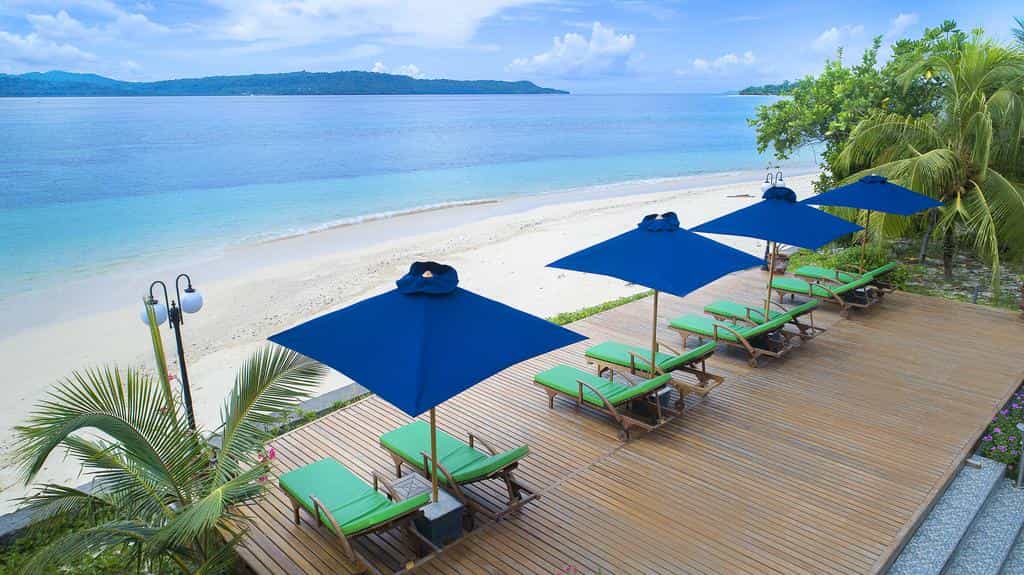
Technological integration has also facilitated the logistics of travel, making it easier to manage budgets, navigate foreign terrains, and bridge linguistic divides. This ease of access has emboldened younger generations to seek out "off-the-beaten-path" locations, moving away from traditional tourist traps in favor of authentic, challenging, and immersive experiences. This push for authenticity is a cornerstone of the modern travel lifestyle, where the goal is not just to see a place, but to understand its essence.
Strategic Frameworks for Adopting a Travel-Centric Lifestyle
Transitioning to a lifestyle where travel is a priority requires more than just financial resources; it demands a shift in mindset and a strategic approach to personal management. Industry experts and veteran travelers suggest several key pillars for successfully integrating travel into one’s long-term lifestyle.
1. Psychological Preparedness and the Cultivation of Courage
The initial hurdle for many aspiring travelers is the psychological barrier of leaving a known environment. The "lifestyle travel" philosophy posits that one should not wait for the "perfect moment" or an overflowing savings account to begin. Instead, it emphasizes the importance of mental fortitude and the willingness to survive and thrive with the resources currently at hand.
Psychologists suggest that the act of stepping outside one’s comfort zone is essential for the development of "self-efficacy"—the belief in one’s ability to succeed in specific situations. By facing the uncertainties of travel, individuals learn to trust their instincts and problem-solving capabilities. This courage is not the absence of fear, but the decision that the experience is more important than the temporary discomfort of the unknown.
2. Adaptive Flexibility and Strategic Spontaneity
A common mistake among novice travelers is the attempt to micromanage every detail of a journey. While planning is necessary for safety and logistics, the lifestyle travel approach advocates for a "flow" state. Rigid schedules often lead to stress when inevitable delays or changes occur. Furthermore, an over-planned itinerary can blind a traveler to spontaneous opportunities—such as a local festival, a hidden trail, or a chance meeting with a fellow explorer.
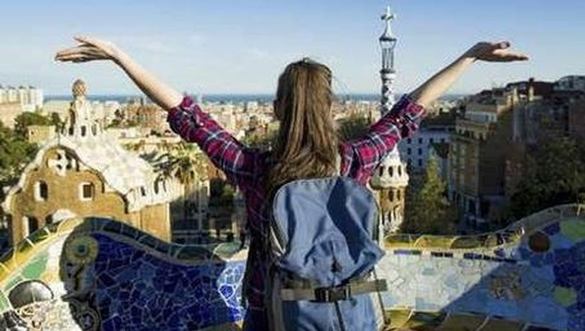
Adopting a mindset of "strategic spontaneity" allows travelers to learn from local wisdom and adapt to the environment as it presents itself. This flexibility is a valuable life skill that translates back into the professional world, where the ability to pivot and adapt to changing market conditions is highly prized.
3. Cultural Intelligence and Social Adaptation
As travel becomes a permanent fixture of one’s lifestyle, the ability to adapt to diverse social structures, languages, and cultural norms becomes a critical asset. This is often referred to as Cultural Intelligence (CQ). Travelers who successfully navigate different societies do so by observing, listening, and respecting local traditions rather than imposing their own perspectives.
The ability to integrate into various communities fosters a sense of global citizenship. It breaks down prejudices and builds a more nuanced understanding of global issues. In a professional context, individuals with high CQ are increasingly sought after by multinational corporations, as they possess the empathy and communication skills required to lead diverse teams.
Economic and Industry Implications
The shift toward travel-centric lifestyles has forced the global tourism industry to undergo a radical evolution. There is a growing demand for sustainable and ethical tourism practices. Modern travelers are increasingly conscious of their carbon footprint and the impact of their presence on local ecosystems and economies. This has led to the rise of "slow travel"—an approach that emphasizes staying longer in one place to reduce environmental impact and deepen cultural engagement.
Furthermore, the hospitality sector is pivoting to accommodate "bleisure" (business and leisure) travelers. Hotels and hostels are being redesigned to include co-working spaces and high-speed internet, acknowledging that for many, travel is no longer a vacation from work, but a way of living while working.
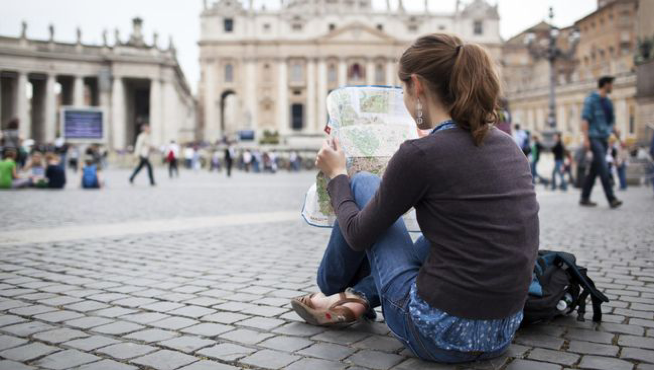
Analytical Perspective: The Long-term Impact of Experiential Investment
From a socioeconomic standpoint, the prioritization of travel over traditional assets may have long-term implications for the housing market and traditional investment vehicles. If a significant portion of a generation chooses to delay or forgo homeownership in favor of global mobility, the real estate industry may need to adjust its models toward more flexible, rental-based structures.
However, the "return on investment" (ROI) of travel is often found in the intangible. Studies have shown that individuals who travel frequently report higher levels of creativity and emotional stability. By exposing themselves to different ways of life, they become more adept at divergent thinking—the ability to generate creative solutions by exploring many possible options. This cognitive flexibility is a vital component of innovation in the 21st-century economy.
Conclusion
The rise of travel as a lifestyle investment reflects a broader societal shift toward valuing personal growth and global connectivity over the accumulation of material goods. While the challenges of this lifestyle—such as financial planning and the need for constant adaptation—are real, the rewards are multifaceted. By fostering courage, flexibility, and cultural intelligence, travel serves as a powerful tool for self-discovery and professional development.
As the world becomes increasingly interconnected, those who have invested in the "wealth of experience" will likely find themselves better equipped to navigate the complexities of a globalized future. For the modern generation, the world is not just a place to be seen, but a classroom where the most valuable lessons of life are learned through movement, interaction, and the relentless pursuit of the new. The ultimate goal of lifestyle travel is to ensure that when one looks back from the vantage point of old age, the memories are not of the things they owned, but of the places they went and the person they became along the way.