Socio Today
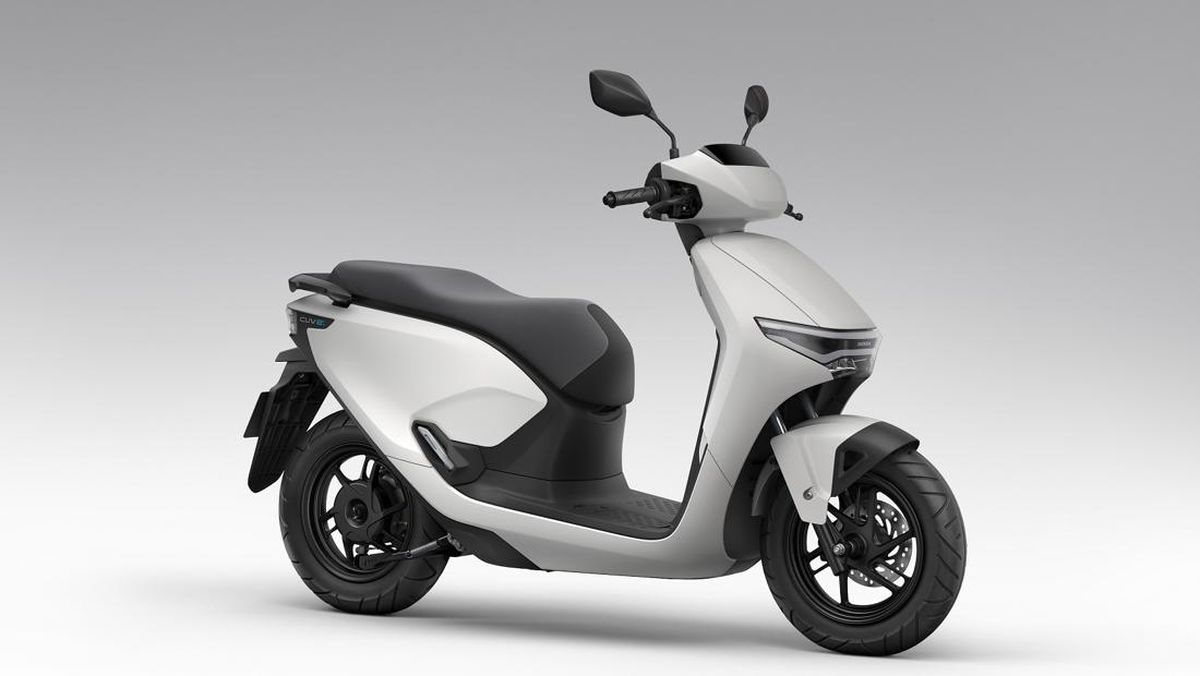
Jakarta, Indonesia – The Indonesian government is actively exploring a new subsidy scheme to incentivize the purchase of electric motorcycles, with a proposed incentive of Rp5 million per unit. This initiative, championed by the Ministry of Industry, is part of a broader strategy to accelerate the nation’s energy transition and reduce reliance on fossil fuels. However, the exact details of the subsidy, including its final value and implementation framework, are still under development and subject to further deliberation among relevant ministries.
Key Developments and Government Stance
Minister of Industry, Agus Gumiwang, has confirmed that the Rp5 million figure per electric motorcycle is currently a proposal and not yet a finalized policy. He emphasized that the government is meticulously crafting the precise policy for electric motorcycle subsidies. "I am still awaiting input from the technical team regarding the subsidy amount," Agus stated, as reported by CNBC Indonesia on Wednesday, April 29th. "This will allow us to determine the budget ceiling for the subsidy and subsequently translate it into the number of motorcycles that can be supported."
Should the final decision by the Ministry of Finance and the Ministry of Industry align with the Rp5 million proposal, Minister Gumiwang believes it would send a strong signal of the government’s commitment to the energy transition. He articulated that such a subsidy would underscore the lessons learned from recent geopolitical events, particularly concerning energy security. "If it is Rp5 million, I believe it will lead to a positive outcome. The government will send a clear message that, learning from geopolitical events including those in Hormuz, we must first strengthen our energy resilience. Consequently, reducing our import dependency on fuel becomes paramount," he explained.
Earlier, Minister of Finance, Purbaya Yudhi Sadewa, had indicated the Rp5 million assistance per unit for new electric motorcycles. Purbaya acknowledged that this figure was preliminary and represented an initial proposal. "The subsidy might be Rp5 million per motorcycle. What is certain is that I need to discuss this further with the Minister of Industry and the Coordinating Minister (Airlangga Hartarto), and we will report back to the President as per the instructions given at that time," Purbaya remarked.
He further elaborated that the proposal for the new electric motorcycle incentive had been presented to President Joko Widodo. Purbaya confirmed that the government is open to realizing this policy, provided that the necessary budget is available. "I also sought the President’s response, and he has given his directive: proceed if the budget is available," Purbaya added.
Historical Context of Electric Motorcycle Incentives
The Indonesian government has previously implemented incentives to boost electric motorcycle adoption. In 2023, a subsidy of Rp7 million was offered per unit, with a limit of one purchase per National Identity Card (KTP). This incentive program continued into 2024, but with a significant reduction in the quota to only 60,000 units. This cutback was reportedly due to lower-than-expected public uptake.
The 2024 quota was exhausted by September. While there were plans to reintroduce the incentive, these did not materialize by the end of the year. The lack of clear communication and timely decisions from the government regarding the continuation of these incentives reportedly created uncertainty for manufacturers. This, in turn, is said to have led to a substantial decline in electric motorcycle sales.
Analyzing the Implications of the Proposed Subsidy
The proposed Rp5 million subsidy, if finalized, represents a significant financial commitment from the government towards accelerating the adoption of electric two-wheelers. This move is strategically aligned with Indonesia’s ambitious climate goals, which include reducing greenhouse gas emissions and transitioning towards cleaner energy sources.
-
Energy Security and Import Dependency: Indonesia is a net importer of oil, and reducing its reliance on imported fuels is a key national security and economic objective. Electric motorcycles offer a tangible pathway to decrease fuel consumption, thereby alleviating pressure on foreign exchange reserves and mitigating the impact of global oil price volatility. The geopolitical context, particularly the ongoing global energy market instability, amplifies the urgency of this objective.
-
Environmental Benefits: The widespread adoption of electric motorcycles will contribute to a significant reduction in air pollution in urban areas, where two-wheelers are a primary mode of transportation. This will lead to improved public health outcomes and a more sustainable urban environment. The reduction in carbon emissions is also crucial for Indonesia to meet its Paris Agreement commitments.
-
Economic Stimulus and Industry Development: A robust subsidy program can stimulate demand for electric motorcycles, thereby fostering growth within the domestic electric vehicle (EV) industry. This could lead to job creation in manufacturing, assembly, battery production, charging infrastructure development, and maintenance services. It also encourages investment in research and development for local EV technologies.
-
Challenges and Considerations: While the subsidy aims to boost adoption, several factors will influence its success. The availability and affordability of charging infrastructure, the range and performance of available electric motorcycle models, and consumer perception regarding battery life and maintenance costs remain critical considerations. The past experience of a reduced quota in 2024, despite its eventual exhaustion, highlights the need for careful calibration of the subsidy amount and quota to match market demand and affordability.
-
Comparison with Previous Incentives: The proposed Rp5 million subsidy is lower than the Rp7 million offered in 2023. This adjustment might reflect a strategy to extend the program’s reach to a larger number of consumers or to manage the overall fiscal impact more effectively. The previous program’s limited quota in 2024, which was quickly depleted, suggests that demand exists, but the incentive structure and promotional efforts play a crucial role.
Broader National Energy Transition Strategy
The push for electric motorcycles is a component of a larger national strategy to transition towards a low-carbon economy. This strategy encompasses various sectors, including renewable energy development, electrification of public transportation, and promotion of electric vehicles across different segments. The government aims to leverage its significant natural resources, such as nickel, which is crucial for battery production, to build a competitive domestic EV ecosystem.
Supporting Data and Projections
Indonesia’s Ministry of Energy and Mineral Resources has set targets to significantly increase the number of electric vehicles on its roads. While specific data on the current penetration of electric motorcycles is dynamic, industry reports indicate a growing interest, albeit hampered by factors like cost and infrastructure. For instance, a report by the International Energy Agency (IEA) highlights that while global EV sales are soaring, developing nations like Indonesia face unique challenges in scaling up adoption due to economic factors and existing fuel infrastructure.
The Indonesian government’s commitment to developing the electric vehicle ecosystem is further underscored by various policy initiatives, including tax incentives for EV manufacturers and the development of charging station networks. The success of the proposed subsidy will depend on its integration into this broader policy framework.
Potential Reactions from Stakeholders
-
Manufacturers: Electric motorcycle manufacturers are likely to welcome the proposed subsidy, viewing it as a vital catalyst for increasing sales and production volumes. However, they will also be keenly observing the final details of the policy, particularly the budget allocation and duration of the program, to inform their investment and production planning. The previous period of uncertainty has likely made them cautious.
-
Consumers: For consumers, the Rp5 million subsidy would make electric motorcycles more accessible, potentially tipping the scales for those considering a purchase. The affordability factor is a significant driver for mass adoption in a price-sensitive market like Indonesia.
-
Environmental Advocates: Environmental groups and climate activists are expected to applaud the government’s move, seeing it as a positive step towards reducing air pollution and combating climate change. They will likely advocate for continued and expanded support for sustainable transportation solutions.
-
Oil and Gas Industry: The traditional oil and gas sector might view this transition with concern, as increased adoption of electric vehicles directly impacts fuel demand. However, the transition is a global trend, and the industry is also exploring diversification into areas like battery technology and charging infrastructure.
Next Steps and Future Outlook
The announcement of the proposed Rp5 million subsidy signifies a critical juncture in Indonesia’s efforts to embrace electric mobility. The coming weeks and months will be crucial as the government finalizes the policy details, including the budget allocation, eligibility criteria, and the mechanism for disbursing the subsidies. Effective communication and clear implementation strategies will be vital to ensure the program’s success and to regain the confidence of manufacturers and consumers alike. The government’s ability to provide certainty and a well-structured support system will be key to unlocking the full potential of electric motorcycles in contributing to Indonesia’s energy independence and environmental sustainability goals.