Socio Today
The nutritional profile of leafy green vegetables, including staples such as lettuce, spinach, mustard greens, broccoli, and kale, is undisputed by health professionals worldwide. These vegetables are dense with essential vitamins, minerals, and dietary fiber, forming the cornerstone of a healthy human diet. However, despite their reputation as "superfoods," leafy greens remain one of the most common vehicles for foodborne illnesses. While the health benefits of a plant-forward diet are immense, the risks associated with improper handling and cleaning have become a significant concern for public health agencies. Experts warn that simply rinsing these vegetables under a tap is often insufficient to eliminate the pathogens that may be clinging to their surfaces.
The vulnerability of leafy greens to contamination is largely a byproduct of their biology and the environment in which they are cultivated. According to data from the Centers for Disease Control and Prevention (CDC) and various food safety institutions, leafy greens are frequently linked to outbreaks of E. coli, Salmonella, Listeria, and Norovirus. These pathogens do not originate within the plant itself but are introduced through external vectors during the growing, harvesting, or packaging stages. Because these vegetables are often consumed raw to preserve their nutritional integrity and texture, they do not undergo a "kill step"—such as high-heat cooking—that would normally neutralize harmful microorganisms.
The Mechanisms of Contamination
The proximity of leafy greens to the ground is a primary factor in their high risk profile. As noted by experts at the University of Georgia’s Center for Food Safety, these plants grow in close contact with the soil, which serves as a reservoir for various bacteria. Contamination can occur through several pathways:
- Irrigation and Runoff: If the water used to irrigate crops is contaminated with animal waste or untreated sewage, pathogens can be transferred directly onto the leaves. Heavy rainfall can also cause runoff from nearby livestock facilities to enter vegetable fields.
- Soil and Manure: The use of improperly composted animal manure as fertilizer is a known risk factor. Even when manure is treated, residual bacteria can persist in the soil for months.
- Wildlife and Domestic Animals: Birds, deer, and other animals traversing farm fields can introduce pathogens through their feces.
- Human Handling: From the pickers in the field to the workers in processing plants and the consumers in their own kitchens, every human touchpoint represents a potential opportunity for cross-contamination if hygiene standards are not strictly maintained.
Francisco Diez-Gonzalez, a professor of food science and the Director of the Center for Food Safety at the University of Georgia, emphasizes that the structure of leafy greens makes them particularly difficult to clean. The crinkles, folds, and microscopic pores (stomata) of leaves provide ideal hiding spots for bacteria. Once bacteria attach to the leaf surface or become embedded within these microscopic crevices, they can form biofilms—protective layers that make them resistant to simple rinsing.
A Chronology of Foodborne Illness and Public Concern
The push for better vegetable hygiene is not a new phenomenon but has intensified following several high-profile outbreaks over the last two decades. In the early 2000s, a series of E. coli outbreaks linked to bagged spinach led to a massive overhaul of industry standards in the United States and abroad. By the mid-2010s, romaine lettuce became the center of multiple multi-state outbreaks, leading to temporary bans on the product and the implementation of new labeling requirements to track the origin of the produce.
By 2026, the global food supply chain has become more integrated, yet the challenges of microbial contamination remain. Public health data indicates that while industrial washing processes have improved, the responsibility for the final "safety check" often falls on the consumer. The rise of "ready-to-eat" or "pre-washed" salads has also created a false sense of security; while these products are generally safe, any lapse in the cold chain or contamination at the processing facility can lead to widespread illness. This history of outbreaks serves as a backdrop for the current urgency expressed by food safety experts regarding domestic cleaning practices.
Advanced Cleaning Protocols: Beyond the Rinse
To mitigate the risk of food poisoning, food safety experts suggest a multi-step approach to cleaning leafy greens. While no home method can guarantee 100 percent removal of all pathogens, the following protocol significantly reduces the microbial load.
1. Preparation and Hand Hygiene
The process begins before the vegetables even touch water. Cross-contamination often occurs via the cook’s hands or the kitchen environment. It is essential to wash hands thoroughly with soap and warm water for at least 20 seconds. Furthermore, all surfaces, including cutting boards, knives, and sinks, must be sanitized. If a sink is used to soak vegetables, it should be scrubbed clean beforehand to ensure no meat juices or other residues are present.
2. Visual Inspection and Culling
Consumers should remove and discard the outermost leaves of heads of lettuce or cabbage. These leaves are the most likely to have come into contact with soil and contaminants during transport. Any leaves that are wilted, bruised, or showing signs of decay should also be removed, as damaged tissues can provide an entry point and a nutrient source for bacterial growth.
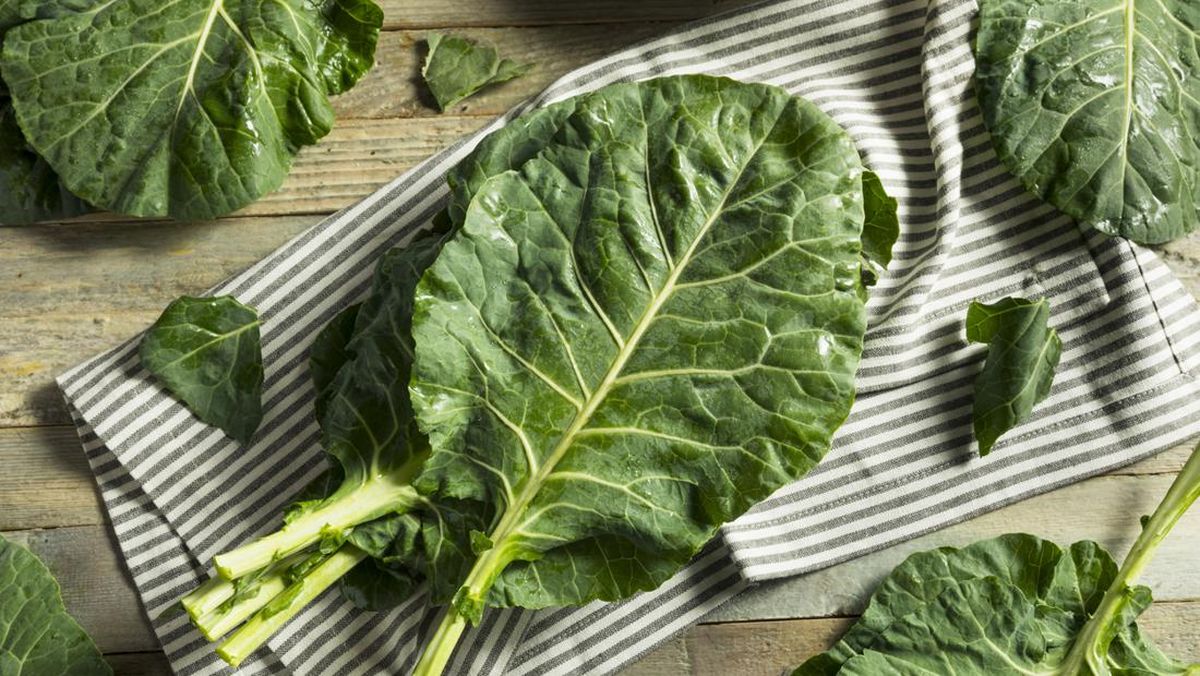
3. The Triple-Wash Method
For loose-leaf greens, a "triple-wash" method is often recommended. This involves submerging the greens in a bowl of cold, clean water, gently agitating them to dislodge soil and debris, and then lifting them out into a second and third bowl of fresh water. This is more effective than holding a leaf under a running tap, as the submersion helps reach the crevices of the plant.
4. Mechanical Drying
After washing, drying the greens is a critical step. Using a salad spinner or patting the leaves dry with clean paper towels is not just for texture. "The process of washing can reduce about 90 percent of the microbes attached to the leaf surface, and drying them with a paper towel helps perfect that process by physically removing more bacteria through friction," explains Diez-Gonzalez. Furthermore, removing excess moisture prevents any remaining bacteria from multiplying while the vegetables are stored in the refrigerator.
The Role of Blanching for "Hardy" Greens
For certain types of greens, a more rigorous sanitization method known as blanching is recommended. This is particularly applicable to hardier vegetables like kale, broccoli, and spinach, which are often cooked or used in smoothies.
Blanching involves plunging the vegetables into boiling water for a short duration—typically 30 seconds to two minutes—followed immediately by an ice-water bath to stop the cooking process. Martin Bucknavage, a food safety expert from Penn State University, notes that blanching serves a dual purpose. "Blanching destroys germs, so it indeed has a sanitizing function. It also helps preserve the color and prevents the texture from becoming mushy after the vegetable is thawed or stored," he says.
However, this method is not suitable for delicate greens like arugula or butter lettuce, as the heat will destroy the crispness and flavor profile that consumers expect from a fresh salad.
The Danger of Household Chemicals
A common misconception among health-conscious consumers is that using soap, bleach, or specialized "veggie washes" is safer than using water alone. Experts strongly advise against this. Leafy greens are porous; soaps and detergents can be absorbed into the tissue of the plant, leading to the ingestion of chemicals that can cause nausea, vomiting, and other toxic reactions. The U.S. Food and Drug Administration (FDA) has consistently stated that the safety and effectiveness of commercial produce washes are not standardized and that cold, potable water remains the safest medium for cleaning.
Analysis of Implications and Broader Impact
The implications of these food safety practices extend beyond individual health. From an economic perspective, foodborne illness outbreaks cost the global economy billions of dollars annually in medical expenses, lost productivity, and massive food waste resulting from recalls. When a specific type of produce is implicated in an outbreak, the entire sector often suffers a loss of consumer trust that can take years to rebuild.
Furthermore, as the world moves toward more sustainable agricultural practices, the intersection of food safety and environmental stewardship becomes more complex. For instance, the use of recycled water for irrigation is a sustainable necessity in many drought-prone regions, but it requires rigorous filtration and testing to ensure it does not become a vector for disease.
The consensus among food safety authorities is that a "farm-to-fork" approach is necessary. While farmers and processors must adhere to Good Agricultural Practices (GAP), consumers must view themselves as the final line of defense. By moving beyond a simple rinse and adopting more thorough cleaning and blanching techniques, the risks associated with these vital components of a healthy diet can be managed effectively.
In conclusion, while the threat of contamination in leafy greens is a persistent challenge of modern agriculture, it should not deter the consumption of these nutrient-dense foods. Instead, it should foster a more informed and meticulous culture of food preparation. As Francisco Diez-Gonzalez and his colleagues suggest, the combination of proper selection, thorough washing, and appropriate storage is the most effective strategy for enjoying the benefits of green vegetables without the shadow of foodborne illness.