Socio Today
The Indonesian manufacturing industry has demonstrated resilient performance, maintaining a steady expansionary phase in the second quarter of 2026, a crucial indicator of the nation’s economic health. This positive trajectory is further bolstered by projections from Bank Indonesia (BI), the central bank, which anticipate an even stronger growth momentum for the sector in the third quarter of the same year. The consistent strength in manufacturing underscores its pivotal role in driving Indonesia’s broader economic agenda, contributing significantly to gross domestic product (GDP), employment, and the country’s export performance. The central bank’s detailed analysis, derived from its Prompt Manufacturing Index Bank Indonesia (PMI-BI), offers an optimistic outlook, highlighting broad-based growth across various sub-sectors and reaffirming confidence in the nation’s industrial capabilities.
Robust Performance in Q2 2026: A Detailed Look at Expansion
Bank Indonesia’s latest report, released on Friday, July 17, revealed that the Prompt Manufacturing Index Bank Indonesia (PMI-BI) for the second quarter of 2026 stood at a healthy 51.43. This figure, comfortably above the critical 50-point threshold, unequivocally signifies that the national processing industry remained firmly in an expansionary phase. The PMI-BI, a key barometer derived from comprehensive surveys of manufacturing industry players, reflects the overall sentiment and operational activity within the sector. A reading above 50 indicates growth, while a reading below 50 suggests contraction. The sustained expansion observed in Q2 2026 provides a reassuring signal amidst ongoing global economic volatilities and reinforces domestic economic resilience, indicating a strong rebound from potential past disruptions.
According to Ramdan Denny Prakoso, Executive Director and Head of BI’s Communication Department, the positive performance was broad-based, with the majority of the PMI-BI’s constituent components registering expansion. Specifically, the Volume of Production, Volume of Finished Goods Inventory, and Volume of Total Orders all recorded growth. This multi-faceted expansion points to a healthy demand environment, both domestically and potentially internationally, coupled with the industry’s enhanced capacity to meet these demands. Increased production volumes suggest that factories are operating at higher capacities, optimizing their output to meet market needs. Growing total orders indicate robust forward-looking demand, reflecting consumer confidence and business investment. The rise in finished goods inventory, when accompanied by increasing orders, often reflects manufacturers strategically building stock in anticipation of continued strong sales or to optimize supply chains and delivery times, rather than a slowdown in demand.
"The performance of the manufacturing industry business sector in the second quarter of 2026 remained strong and in an expansionary phase," Prakoso stated in the official release. This affirmation from the central bank highlights confidence in the sector’s underlying fundamentals and its ability to navigate various economic headwinds. The consistent expansion is not merely a statistical anomaly but reflects deliberate efforts by industries to enhance efficiency, adapt to evolving market dynamics, and strategically leverage available opportunities for growth and innovation. This also suggests that government policies aimed at stimulating industrial activity are having the desired effect.
Sub-sectoral Drivers of Q2 Expansion: Diversified Growth
The positive momentum was widely distributed across various sub-sectors of the manufacturing industry, underscoring a healthy and diversified industrial base rather than a reliance on just a few dominant segments. Bank Indonesia’s analysis indicated that most sub-business fields (Sub-LU) also experienced expansion during Q2 2026, contributing to the overall positive index.
Leading the charge in terms of performance were:
- Machinery and Equipment Industry: This sector’s strong performance often correlates with increased capital expenditure by other industries across the economy. It signifies robust investment in modernization, expansion, and technological upgrades by businesses seeking to enhance productivity and competitiveness. This demand could stem from sectors like construction, agriculture, or other manufacturing segments requiring new or upgraded machinery.
- Food and Beverages Industry: As a foundational and relatively stable sector, the consistent expansion of the Food and Beverages industry typically points to sustained domestic consumer demand. Indonesia’s large population provides a robust and consistent base for this sector, which is often less susceptible to global economic fluctuations compared to export-oriented industries. Innovation in product offerings, efficient supply chain management, and expanding retail networks likely contributed to its sustained growth.
- Basic Metals Industry: The strength in basic metals is a critical indicator, closely linked to significant infrastructure development projects, both public and private, that are ongoing across the archipelago. It also benefits from sustained demand from key downstream sectors such as automotive, construction, and other machinery manufacturing. Furthermore, strong export demand for raw and semi-finished metal products, driven by global industrial activity, could also be a significant contributing factor.
- Non-Metallic Mineral Products Industry: This sector, encompassing essential materials such as cement, ceramics, glass, and other construction-related products, is intrinsically tied to the performance of the construction industry. Its expansion suggests continued robust building and infrastructure development activities throughout Indonesia, indicating sustained investment in physical assets and urban development.
The collective strength of these diverse sub-sectors underscores the broad-based recovery and sustained growth observed within Indonesia’s manufacturing landscape, reflecting a balanced economic recovery.
Projected Strengthening in Q3 2026: An Optimistic Outlook
Looking ahead, Bank Indonesia projects an even more robust performance for the manufacturing sector in the third quarter of 2026. The central bank forecasts the PMI-BI to increase further, reaching an anticipated level of 52.32. This upward revision signals heightened optimism regarding the industry’s capacity for continued growth and expansion. A higher PMI-BI reading suggests an acceleration of activity, indicating that manufacturers expect to produce more, receive more orders, and potentially increase employment to meet growing demand. This forward-looking sentiment is a strong indicator of sustained economic confidence.
Ramdan Denny Prakoso elaborated that this anticipated strengthening would continue to be underpinned by an increase in the Volume of Production, Volume of Finished Goods Inventory, and Volume of Total Orders. This consistency in key drivers suggests that the factors supporting growth in Q2 are expected to persist and even intensify in Q3. Manufacturers are likely responding to sustained or growing market demand, optimizing their supply chains for greater efficiency, and investing in production capabilities to capitalize on favorable economic conditions and expand their market reach.
"In the third quarter of 2026, the performance of the manufacturing industry business sector is predicted to increase and remain in an expansionary phase," BI’s statement reiterated. This forward-looking assessment provides a positive signal for investors, businesses, and policymakers alike, indicating a period of sustained economic vitality and offering a stable environment for strategic planning and investment.
Key Sub-sectors Driving Q3 Projections: Evolving Dynamics
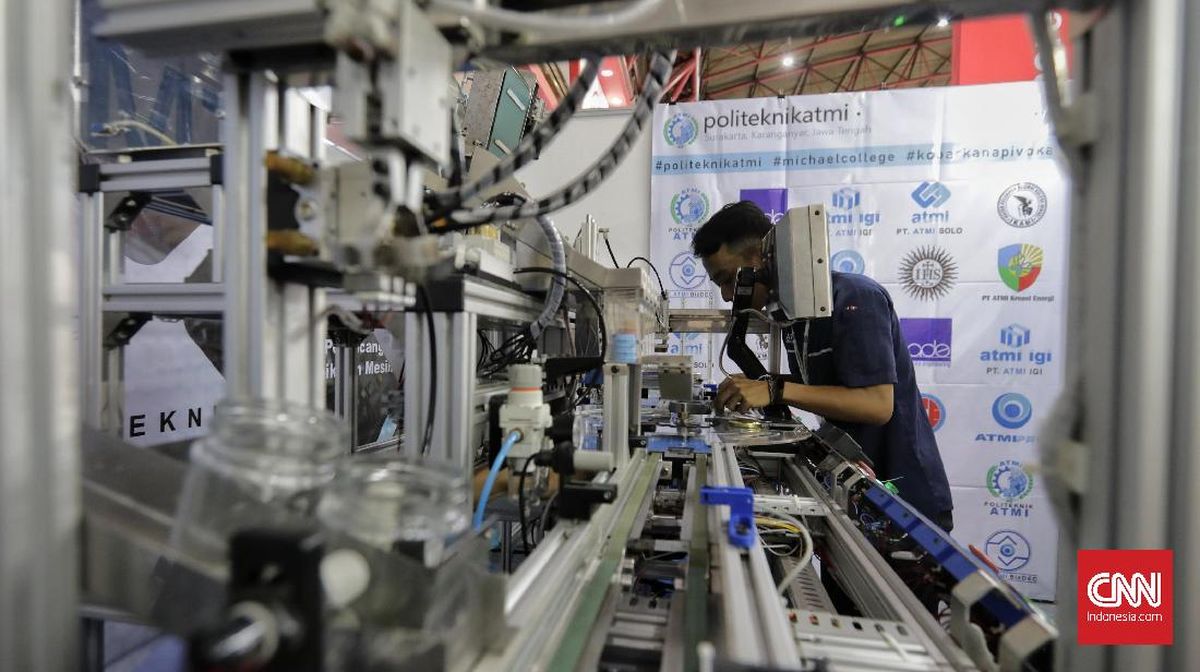
Similar to Q2, the projected expansion in Q3 2026 is expected to be led by specific sub-sectors, albeit with some shifts in emphasis, reflecting evolving market demands and industrial priorities:
- Machinery and Equipment Industry: Expected to remain a top performer, reinforcing the theme of ongoing industrial modernization and significant investment across other economic sectors. This sustained demand points to a continuous drive for improved efficiency and technological integration within Indonesian industries.
- Tobacco Processing Industry: This sector’s projection for strong expansion could be driven by stable domestic consumption patterns, where demand remains relatively inelastic. Additionally, potential export opportunities or strategic adjustments in production and distribution might contribute to its anticipated growth, despite global trends towards reduced tobacco consumption.
- Basic Metals Industry: Continues its strong showing, reflecting ongoing demand from large-scale infrastructure projects and other industrial sectors. This indicates a sustained pipeline of construction and industrial expansion, which is fundamental to overall economic development.
- Transportation Equipment Industry: The projected rise in this sector is particularly significant. It encompasses a broad range of manufacturing activities, including automotive, aerospace components, and maritime equipment. Its expansion could signal increasing consumer purchasing power for vehicles, robust government investment in public transportation or defense, or a rebound in export markets for Indonesian-made transportation components. This sector is a major employer and a key driver of technological advancement and global integration.
The shifts in leading sub-sectors from Q2 to Q3 highlight the dynamic nature of Indonesia’s industrial landscape and the ability of different segments to adapt and capitalize on evolving market conditions, demonstrating the resilience and diversification of the manufacturing base.
The Strategic Importance of Indonesia’s Manufacturing Sector: A National Economic Pillar
Indonesia’s manufacturing sector is a cornerstone of its national economy, playing an indispensable role in the country’s development agenda. Historically, it has been one of the largest contributors to the country’s Gross Domestic Product (GDP), typically accounting for around 18-20% of the total. This makes it a vital engine for economic growth, job creation, and poverty reduction, directly impacting the livelihoods of millions. The sector employs a significant portion of the Indonesian workforce, ranging from highly skilled engineers and technicians to semi-skilled and unskilled factory workers, providing stable employment and fostering economic mobility across diverse regions.
Beyond domestic consumption, manufactured goods form a significant portion of Indonesia’s non-oil and gas exports, helping to diversify the economy away from an over-reliance on raw commodities and significantly improving the nation’s trade balance. The government, recognizing its strategic importance, has implemented ambitious programs like "Making Indonesia 4.0," launched in 2018. This comprehensive initiative aims to revitalize the manufacturing sector by integrating cutting-edge Industry 4.0 technologies (such as artificial intelligence, robotics, the Internet of Things (IoT), and big data analytics) across five priority sectors: Food & Beverages, Automotive, Electronics, Chemicals, and Textiles. The overarching goal is to transform Indonesia into one of the world’s top ten manufacturing economies by 2030, increasing its contribution to GDP, boosting exports of high-value products, and significantly enhancing overall productivity and global competitiveness.
The sustained expansion indicated by the PMI-BI data suggests that these long-term strategies are yielding positive results, building a more robust, diversified, and technologically advanced industrial base that is capable of competing on a global scale. This progress is crucial for Indonesia’s aspirations to move up the global value chain and achieve its vision of becoming a high-income nation.
Broader Economic Implications of Manufacturing Expansion: A Ripple Effect
The sustained expansion of the manufacturing sector carries significant positive implications for Indonesia’s overall economic landscape, creating a beneficial ripple effect across various segments:
- Accelerated Economic Growth: A flourishing manufacturing sector directly translates into higher GDP growth. As factories increase production, employ more people, and engage in more trade, the positive multiplier effect reverberates throughout the entire economy, benefiting related sectors such as logistics, financial services, and raw material suppliers. This robust activity helps maintain a healthy pace of national economic expansion.
- Enhanced Employment Generation: Manufacturing is typically a labor-intensive sector, and its expansion leads to the creation of numerous new jobs, both directly within factories and indirectly in supporting industries. This reduces unemployment rates, improves household incomes, and increases consumer purchasing power, thereby stimulating further demand and creating a virtuous cycle of growth.
- Increased Investment Magnetism: A strong and expanding manufacturing base makes Indonesia an increasingly attractive destination for both domestic and foreign direct investment (FDI). Investors are drawn to sectors with proven growth potential, stable policy environments, and robust demand. Increased investment can lead to significant technology transfer, skill development for the local workforce, and further capacity expansion, fostering a more sophisticated industrial ecosystem.
- Improved Trade Balance and External Resilience: Higher production capacity and enhanced efficiency in manufacturing can significantly boost exports of value-added goods, reducing the nation’s reliance on raw commodity exports and improving Indonesia’s trade balance. Simultaneously, robust domestic production can substitute for imports, further strengthening the current account and building greater external economic resilience.
- Accelerated Technological Advancement and Innovation: The government’s strategic push towards Industry 4.0, coupled with increasing global competitive pressures, encourages manufacturers to adopt new technologies, invest in research and development, and foster innovation in processes and products. This not only enhances productivity and efficiency but also elevates the overall technological capability and sophistication of the Indonesian economy.
- Stimulated Regional Development: Industrial growth often leads to the development of new industrial estates and special economic zones, spurring infrastructure development (roads, ports, utilities) and creating substantial economic opportunities in various regions across the archipelago, contributing to more balanced national development.
Navigating Challenges and Seizing Opportunities: A Balanced Perspective
While the outlook for Indonesia’s manufacturing sector is overwhelmingly positive, it is not without its challenges. Global supply chain disruptions, such as those witnessed in recent years, can impact the timely availability and cost of raw materials. Volatility in global commodity prices and fluctuating energy costs can significantly affect production expenses and profit margins for manufacturers. Geopolitical tensions and shifts in global demand patterns also pose potential risks to export-oriented industries. Furthermore, the rapid pace of technological change necessitates continuous investment in skills development, digital infrastructure, and R&D to remain competitive in a dynamic global market.
However, these challenges also present significant opportunities for strategic growth. The government’s unwavering commitment to improving the investment climate, streamlining bureaucratic regulations, and investing heavily in critical infrastructure (such as ports, toll roads, and industrial estates) provides a strong foundational support for industrial expansion. Programs aimed at enhancing human capital, particularly in digital and technical skills relevant to Industry 4.0, are crucial for adapting to future demands. Moreover, Indonesia’s large and growing domestic market offers a stable demand base, while its strategic geographical location within Southeast Asia positions it favorably for regional trade integration and participation in global supply chains. The drive towards green manufacturing and sustainable practices also opens new avenues for innovation and attracting environmentally conscious investments.
Government and Industry Perspectives: Collaborative Efforts for Growth
The consistently positive PMI-BI data is undoubtedly welcomed by key stakeholders across Indonesia. The Ministry of Industry would likely view this as strong validation of its various industrial policies and strategic initiatives, particularly the "Making Indonesia 4.0" roadmap. They would emphasize the critical need to sustain this momentum through continued investment in infrastructure, human resource development, and technology adoption across all manufacturing sub-sectors. Efforts to attract more foreign direct investment (FDI) into high-value manufacturing segments and promote local content development would also be highlighted as crucial for long-term industrial independence and resilience.
Industry associations, such as the Indonesian Employers Association (Apindo) and the Indonesian Chamber of Commerce and Industry (Kadin), would likely echo the sentiment of optimism, while also advocating for continued government support and a conducive business environment. Their statements would likely focus on addressing operational challenges faced by manufacturers, such as ensuring ease of doing business, facilitating access to affordable financing, and maintaining a stable and predictable regulatory framework. They would emphasize the importance of robust collaboration between the government, academia, and the private sector to accelerate industrial transformation and foster a skilled workforce.
Economists and independent analysts would likely provide a nuanced perspective, acknowledging the positive trends while also