Socio Today
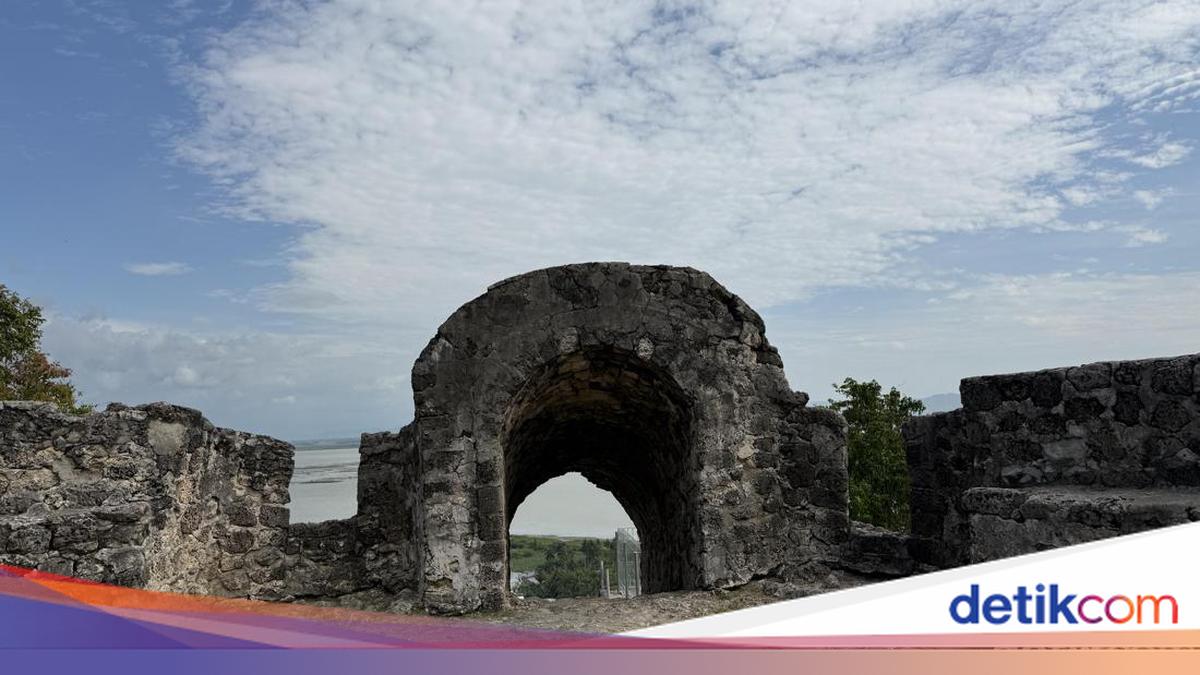
Otanaha Fortress, a majestic relic of the 16th century perched atop the rugged hills of Dembe I in Gorontalo City, stands as a testament to the complex historical tapestry of North Sulawesi. Known for its commanding views of Lake Limboto and its unique cylindrical architecture, the site has long been shrouded in local folklore, most notably the persistent claim that its massive stone walls were held together by the white of Maleo bird eggs. However, recent scientific evaluations and historical research are providing a clearer picture of the fort’s origins, debunking long-held myths while highlighting its significance as a candidate for National Cultural Heritage status. This historical complex, comprising three distinct fortifications—Otanaha, Otahiya, and Ulupahu—serves not only as a military monument but also as a symbol of familial sacrifice and the early colonial interactions between the local kingdoms and Portuguese explorers.
The Historical Genesis: A Strategic Alliance in the 1500s
The origins of Otanaha Fortress date back to approximately 1522 to 1525, during a period when the Portuguese Empire was aggressively expanding its influence across the Indonesian archipelago in search of the lucrative spice trade. At the time, the region was ruled by King Ilato, a visionary leader who recognized the need for robust coastal and highland defenses to protect his people from the rampant piracy that plagued the Celebes Sea. The construction of the fort was the result of a strategic pact between King Ilato and Portuguese maritime leaders. In exchange for Portuguese engineering expertise and assistance in constructing the defensive structures, the King agreed to assist the Portuguese in securing the waters against marauding pirates.
Arief Setiawan, a dedicated guardian and conservator of the Otanaha Fortress from the Gorontalo Cultural Preservation Office, explains that the fort was conceptualized as a multi-functional complex. It served as a defense post, a security hub, and a strategic lookout point. Its location on a hill was no accident; it provided a 360-degree vantage point that allowed sentries to monitor both the inland movements toward Lake Limboto and the maritime approaches from the Gulf of Tomini. This dual-purpose surveillance was essential for the survival of the Gorontalo kingdom during an era of shifting alliances and external threats.
The Legend of Naha and the Three Fortifications
Beyond its military utility, the site is deeply intertwined with the oral history of the Gorontalo people. The complex consists of three circular structures, each positioned to face different wind directions, reflecting a sophisticated understanding of topography and defense. These structures are named Otanaha, Otahiya, and Ulupahu, names that find their roots in a poignant family tragedy.
According to local records and oral traditions, King Ilato had a son named Naha, who was known for his adventurous spirit. After years of traveling, Naha returned to his homeland and rediscovered the fortifications his father had helped build. Naha eventually married a woman named Ohihiya, and they had two sons, Pahu and Limono. The peace of their reign was eventually shattered by a conflict with a rival leader named Hemuto, who sought to expand his territory into the Gorontalo heartland.
In the ensuing battles, both Naha and his son Pahu were killed in action. The story concludes with the younger son, Limono, successfully avenging the deaths of his father and brother by defeating Hemuto. To honor the legacy of this family and their defense of the land, the three forts were named in their memory: "Otanaha" (The Fort of Naha), "Otahiya" (derived from the mother’s name, Ohihiya), and "Ulupahu" (named after the fallen brother, Pahu). This narrative has transformed the stones of the fort into a site of cultural pilgrimage, representing the virtues of loyalty and resilience.
Debunking the Egg White Myth: A Scientific Perspective
For generations, a popular narrative suggested that the builders of Otanaha used the egg whites of the Maleo bird—a species endemic to Sulawesi—as a binding agent for the mortar. This story added a layer of mystical allure to the site, suggesting that nature and architecture had merged in a unique way. However, modern archaeological and geological assessments have largely dismissed this claim as a romanticized myth.
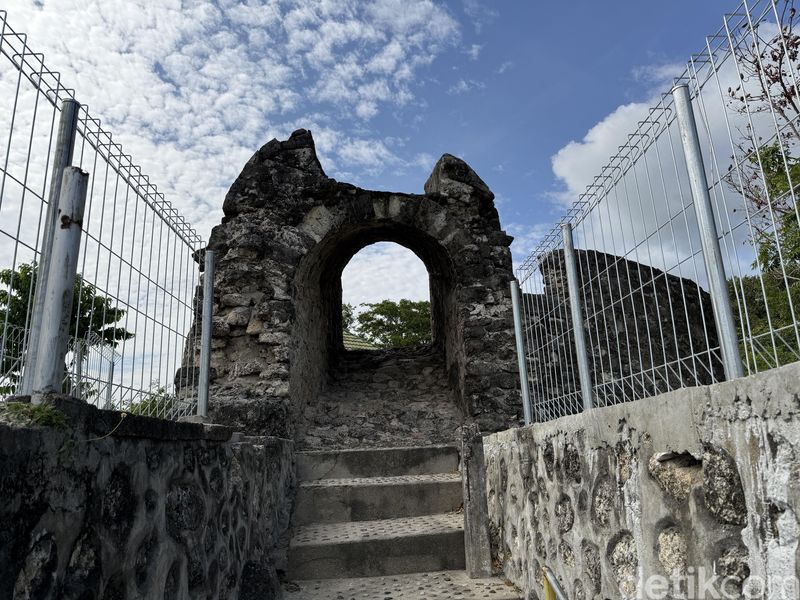
Arief Setiawan notes that while the narrative is widespread on social media and among locals, scientific reality tells a different story. "We have conducted a deeper investigation into the material composition of the walls," Setiawan stated. The research revealed that the fort was constructed using a sophisticated blend of local geological materials. The primary components include sedimentary rock, coral limestone, and andesite—a type of volcanic rock common in the region.
The "mortar" or adhesive visible on the surface of the structures contains high concentrations of coral fragments and crushed shells. Experts believe that the builders used pulverized limestone, which, when mixed with water and other local minerals, creates a natural cement or "carbonated matrix" that hardens over time. While some ancient civilizations globally did use organic additives like sticky rice or animal proteins in their mortar, there is no empirical evidence to suggest that Maleo egg whites were used in Otanaha. The durability of the fort is attributed to the high-quality limestone and the skilled masonry of the 16th-century builders rather than biological binders.
Architectural Layout and Strategic Design
The design of the Otanaha complex is distinct from the star-shaped forts typically built by the Dutch or the later Portuguese structures in Maluku. Instead, these are tube-like or cylindrical structures. Their circular form provided several advantages: they were structurally sound against the seismic activity common in Sulawesi and offered no "blind spots" for defenders stationed on the ramparts.
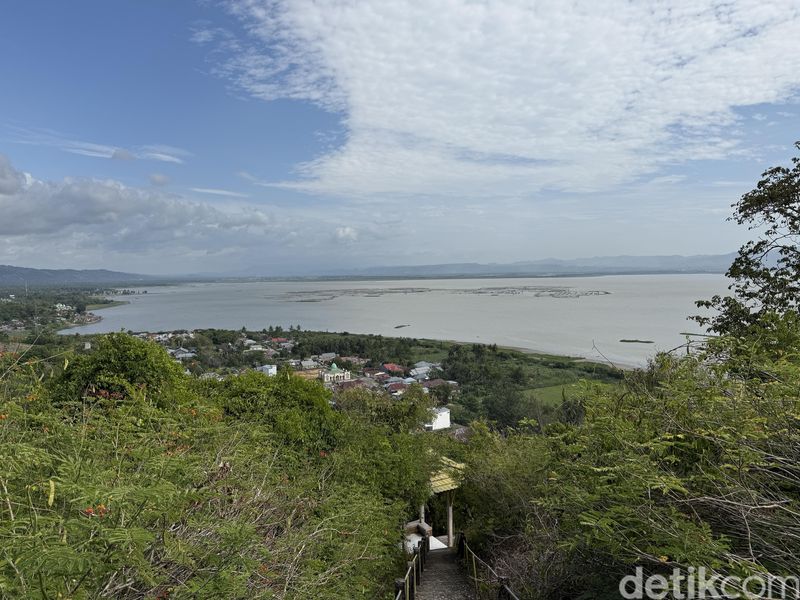
Each of the three forts is relatively low, standing at about three meters in height, but their placement on the crest of the hill effectively multiplies their defensive capability. From the top of these walls, the entire expanse of Lake Limboto is visible. In the 16th century, Lake Limboto was much larger and deeper than it is today, serving as a vital waterway for transport and a source of food. Controlling the heights above the lake meant controlling the movement of goods and people throughout the Gorontalo valley.
Tourism, Accessibility, and the "1,000 Steps"
Today, Otanaha Fortress is one of Gorontalo’s premier historical tourism destinations. It offers a unique blend of historical education and natural beauty, particularly during the golden hour when the sun sets over Lake Limboto. For the modern traveler, there are two ways to reach the summit.
The traditional route involves ascending what is colloquially known as the "1,000 steps." In reality, the climb consists of 358 concrete steps divided into four rest areas or "shelters." This path allows visitors to experience the physical scale of the hill and appreciate the effort required by ancient soldiers to man the posts. For those with limited mobility or those preferring a more comfortable journey, a paved road now allows vehicles to drive directly to a spacious parking area near the top of the complex.
The site is open daily from 06:00 to 18:00 WITA (Central Indonesia Time). Admission is kept affordable to encourage both local and international interest, with tickets priced at Rp 10,000 for domestic tourists and Rp 25,000 for foreign visitors. Authorities emphasize safety and preservation, strictly prohibiting visitors from climbing onto the fragile upper sections of the walls to prevent erosion and structural damage to the 500-year-old masonry.
Conservation Efforts and National Recognition
Preserving a 500-year-old structure in a tropical, seismically active environment is a constant challenge. Otanaha Fortress has undergone two major restoration phases in the modern era. The first took place between 1978 and 1979, focusing on stabilizing the foundations. The second phase, from 1980 to 1981, aimed at restoring the exterior walls using materials that matched the original limestone composition.
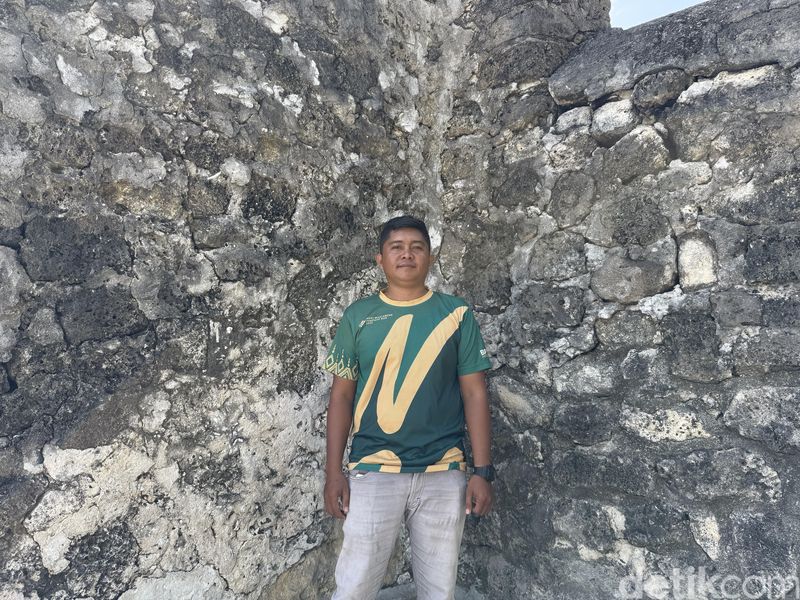
Currently, the Gorontalo Cultural Preservation Office is in the process of reapplying for the site to be recognized as a "National Cultural Heritage" (Cagar Budaya Nasional). An earlier application was rejected due to administrative gaps and the need for more comprehensive documentation regarding its historical uniqueness. "We are currently in the stage of re-submitting its status," Setiawan confirmed. National recognition would unlock more funding for professional conservation and elevate the site’s profile on the global stage, potentially leading toward a future UNESCO World Heritage nomination.
The Broader Impact on Gorontalo’s Identity
The significance of Otanaha Fortress extends beyond tourism revenue. It serves as a physical anchor for Gorontalo’s identity in an era of rapid modernization. While the province is famous for its whale shark tourism and pristine diving spots, Otanaha provides a necessary historical context, reminding residents and visitors alike that Gorontalo was once a pivotal player in the regional geopolitics of the spice trade.
The fort also highlights the environmental changes in the region. The view from Otanaha reveals the shrinking shores of Lake Limboto, which has faced severe sedimentation issues over the decades. By drawing visitors to the fort, the local government also draws attention to the need for ecological preservation of the lake below.
In conclusion, Otanaha Fortress is a site where science meets legend. While the "egg white" mortar may be a myth, the reality of the fort’s construction—a collaborative effort between a local king and European explorers to defend a kingdom—is far more compelling. As the site moves toward national recognition, it remains a silent witness to the resilience of the Gorontalo people, standing firm on its hill, watching over the changing landscape of the Celebes.