Socio Today
The Provincial Government of Banten, Indonesia, is poised to implement a stringent new policy targeting its Aparatur Sipil Negara (ASN), or civil servants, who are found to have outstanding motor vehicle tax arrears. This proactive measure, slated to involve the direct deduction of performance allowances (tunjangan kinerja or tukin), marks a significant step in the province’s broader strategy to enhance tax compliance, bolster regional revenue, and establish its civil service as exemplary models of fiscal responsibility. This initiative comes as Banten seeks to close a marginal yet persistent gap in its first-quarter 2026 tax revenue targets, reinforcing the government’s commitment to robust financial management and equitable public service.
The proposed policy, currently under meticulous formulation by the Banten Provincial Government, underscores a growing national emphasis on fiscal accountability within the public sector. The Head of the Regional Revenue Agency (Bapenda) Banten, Berly Rizki Natakusumah, confirmed on Tuesday, April 21, 2026, that the framework for this unprecedented sanction is being diligently prepared. Once finalized, the scheme will be presented to the Governor for approval, following essential coordination with the Vice Governor and the Regional Secretary. This multi-level endorsement process highlights the significance and potential ramifications of such a policy across the provincial administration.
Strengthening Bureaucratic Ethics and Public Trust
Berly Rizki Natakusumah articulated the core philosophy behind this innovative approach, emphasizing its dual purpose: to reinforce tax discipline among ASNs and to cultivate a culture of ethical bureaucracy. "This policy is designed to strengthen tax discipline within the ranks of our civil servants. As taxpayers, compliance with tax payments is an inseparable part of bureaucratic ethics," Berly stated from Serang. This statement reflects a fundamental principle that public servants, entrusted with upholding laws and serving the public good, must themselves adhere to the highest standards of civic duty, especially concerning financial obligations.
The Bapenda head further elaborated that this proactive measure is intended to send a clear message to the wider public: ASNs are expected to be at the forefront of tax compliance. They are to serve as impeccable role models before the regional government can effectively advocate for broader tax awareness and compliance among the general populace. In a nation where tax evasion and arrears remain significant challenges, particularly concerning vehicle ownership, setting a precedent within the government itself is seen as a crucial step towards fostering a more compliant society. The government believes that leading by example will resonate more profoundly than mere exhortations, building a foundation of trust and fairness in the taxation system.
Implementation Framework and Data Harmonization
To ensure the robust and equitable implementation of this policy, Bapenda Banten is engaging in extensive inter-agency coordination. Key partners in this endeavor include the Regional Civil Service Agency (BKD) and the Communication, Information, Statistics, and Encryption Office (Diskominfo). The primary objective of this collaboration is to meticulously synchronize personnel data from the BKD with vehicle ownership data, which is typically managed through police registration and Bapenda records. This data harmonization is critical to accurately identify ASNs who are delinquent in their motor vehicle tax payments.
The process of data matching is often complex, involving the integration of disparate databases that may use different identifiers or formats. The BKD holds comprehensive records of all provincial civil servants, including their unique personnel identification numbers (NIP) and National Identity Numbers (NIK). Simultaneously, vehicle registration data, managed by Bapenda in conjunction with the police, contains information on vehicle owners, including NIKs. The challenge lies in creating a seamless interface that can cross-reference these datasets efficiently and accurately, ensuring that only genuine cases of ASN tax arrears are flagged for potential sanctions. Diskominfo’s involvement is pivotal in providing the technical expertise and infrastructure necessary for this secure and efficient data integration, safeguarding privacy while ensuring accountability. This meticulous approach aims to prevent errors and ensure that the policy is applied fairly and transparently, minimizing the potential for disputes or misidentification.
Aggressive Tax Collection Strategy for Bapenda Employees
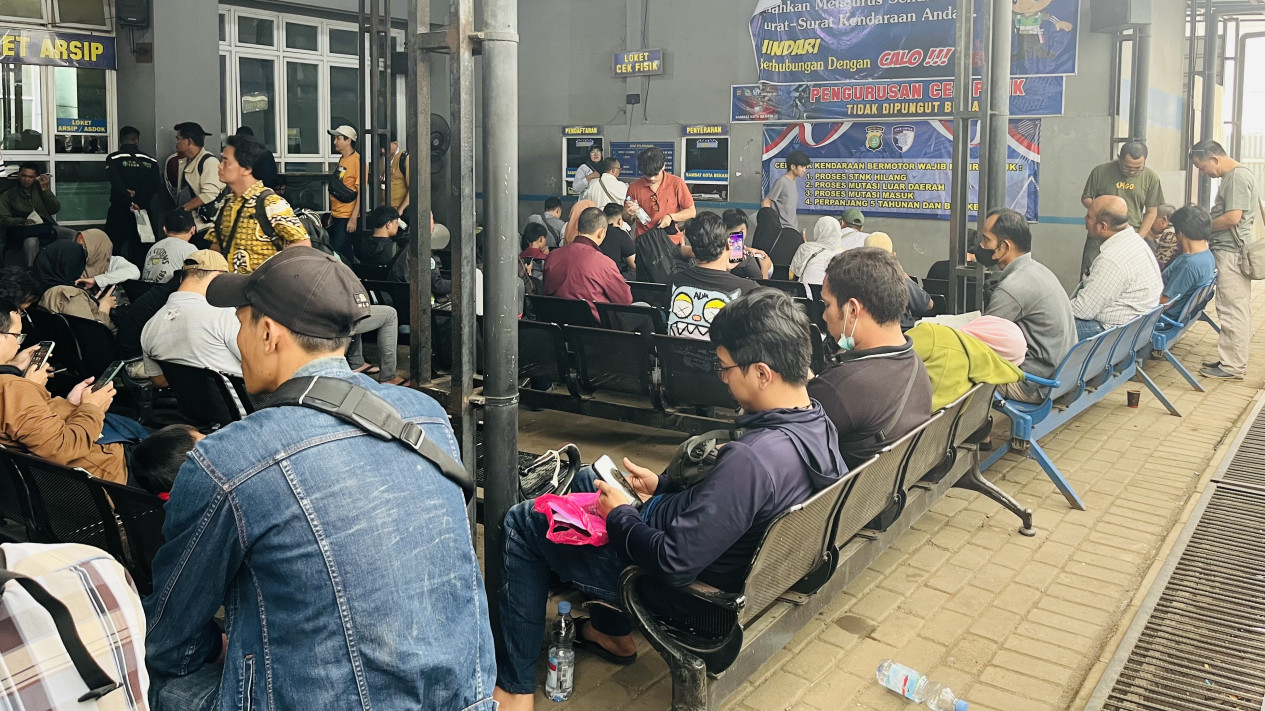
Beyond internal ASN discipline, Bapenda Banten is simultaneously rolling out an aggressive acceleration strategy for tax collection, involving its entire workforce. This initiative mandates that every Bapenda employee, regardless of their primary role, targets the collection of arrears from 10 delinquent taxpayers each month. This comprehensive approach transforms every Bapenda staff member into an active participant in revenue generation, aiming to significantly boost the province’s tax collection efforts.
With approximately 960 employees within Bapenda Banten, this ambitious target translates into a potential recovery of around 9,600 outstanding tax payments per month. Berly explained, "This program applies to both field officers and administrative staff within the Bapenda environment." This all-encompassing strategy demonstrates a holistic commitment to revenue maximization, leveraging the full human resources of the agency. To incentivize performance and ensure accountability, Bapenda has established a performance-based incentive mechanism. Employees who consistently meet or exceed their monthly targets will be eligible for additional incentives disbursed every three months. Conversely, those who fail to meet their stipulated targets will face sanctions in the form of reduced incentives. This carrot-and-stick approach is designed to foster a competitive yet collaborative environment, driving sustained effort and commitment towards the province’s fiscal goals. The success of this internal strategy will depend heavily on robust monitoring, fair assessment, and adequate training for all staff members, ensuring they are equipped to handle the complexities of tax collection.
Analyzing Banten’s Fiscal Performance and Revenue Gap
The impetus for these stringent measures is partly rooted in Banten Province’s recent financial performance. Berly Rizki Natakusumah provided an update on the regional financial health, revealing a positive trend in motor vehicle tax (PKB) revenue for the first quarter of 2026. As of the reporting period, Banten had successfully collected Rp1.978 trillion. While commendable, this figure still leaves a slight deficit when compared to the targeted revenue of Rp2.002 trillion for the same period. The remaining shortfall, approximately Rp18 billion, though seemingly minor in the context of trillions, represents a crucial gap that the provincial government is determined to close.
Motor vehicle tax is a vital component of regional original revenue (Pendapatan Asli Daerah – PAD) for provinces across Indonesia. PAD funds are critical for financing essential public services, infrastructure development, education, and healthcare within the region. A consistent shortfall, even a small one, can accumulate over time and impact the provincial budget’s ability to fund planned programs. By directly addressing tax arrears, particularly among its own civil servants, Banten aims not only to recover lost revenue but also to project an image of fiscal prudence and responsibility that could encourage broader public compliance. The Rp18 billion gap serves as a tangible metric that justifies the urgency and necessity of the new policies, framing them not as punitive but as strategic interventions to ensure robust regional financial stability.
Broader Implications and Potential Impact
The proposed policy carries significant implications across various spectrums, from individual civil servants to the broader administrative landscape and public perception.
Impact on Civil Servants (ASNs): For the ASNs, the direct deduction of performance allowances could significantly impact their disposable income. Tunjangan kinerja, or performance allowance, is often a substantial portion of an ASN’s total compensation, designed to incentivize productivity and professionalism. A reduction would serve as a strong financial disincentive against tax delinquency. While potentially leading to initial resistance or discontent among some civil servants, the policy aims to instill a deeper sense of fiscal responsibility. It could also prompt ASNs to regularly review their tax obligations, fostering a more proactive approach to compliance.
Enhancement of Regional Revenue: The direct impact on regional revenue is expected to be positive. By targeting a specific, identifiable group (ASNs) with a clear sanction, Banten could see a tangible increase in PKB collection from this segment. Furthermore, the accelerated collection strategy for Bapenda employees, aiming for 9,600 additional collections monthly, could significantly narrow or even eliminate the existing revenue gap, contributing to a healthier provincial budget. This improved fiscal standing would, in turn, enable the Banten government to better fund its development programs and public services.
Strengthening Public Trust and Governance: Perhaps one of the most significant long-term implications is the potential boost in public trust and the strengthening of good governance. When civil servants, who are beneficiaries of public funds, are held accountable for their own tax obligations, it sends a powerful message of fairness and equality under the law. This can mitigate public cynicism regarding bureaucratic integrity and foster a more positive perception of the government’s commitment to accountability. It also reinforces the idea that no one, regardless of their position, is above the law, thereby enhancing the legitimacy of tax collection efforts directed at the general public.

Setting a Precedent for Other Regions: Banten’s innovative approach could set a significant precedent for other provinces across Indonesia grappling with similar issues of tax arrears and bureaucratic discipline. If successful, this policy framework could be adopted or adapted by other regional governments, leading to a nationwide improvement in ASN tax compliance and overall regional revenue generation. Such a ripple effect could contribute to a more robust national fiscal framework.
Challenges and Mitigation: Implementing such a policy is not without its challenges. Potential resistance from ASN groups or unions could emerge, necessitating clear communication and a well-defined appeals process. Data accuracy remains paramount; any errors in identifying delinquent ASNs could lead to legal challenges and erode trust. The administrative burden on Bapenda, BKD, and Diskominfo for data integration, monitoring, and sanction execution will be substantial. The government will need to ensure adequate resources and training are provided to manage these complexities effectively. Furthermore, the policy must be perceived as fair and proportionate, distinguishing between genuine negligence and temporary financial hardship, perhaps offering avenues for installment payments or grace periods under specific circumstances.
Statements and Reactions (Inferred):
While direct reactions from all parties are not yet available, logical inferences can be made. The Governor’s Office and the Regional Secretary are likely to publicly endorse the policy, framing it as a crucial step towards fiscal health and good governance, aligning with broader national directives for bureaucratic reform and accountability. They would emphasize the long-term benefits for the province and its citizens.
ASN associations or unions, while generally supportive of ethical conduct, might express concerns regarding the procedural fairness, the quantum of deductions, and the provision for due process. They might advocate for clear communication channels, opportunities for ASNs to rectify arrears before sanctions are applied, and safeguards against arbitrary decisions. Their stance would likely be one of cautious support, emphasizing fairness and transparency in implementation.
The general public, particularly compliant taxpayers, would likely view the policy positively. They would perceive it as a move towards greater equity, where those entrusted with public service are held to the same, if not higher, standards of civic duty. This could bolster public confidence in the government’s commitment to tackling corruption and inefficiency. Conversely, some might view it as overly punitive or an internal government matter, but the overall sentiment is likely to lean towards approval for improved accountability.
Timeline and Future Outlook
The announcement on April 21, 2026, marks the formal initiation of the policy’s study and formulation phase. The coordination efforts between Bapenda, BKD, and Diskominfo are currently underway, focusing on the critical aspect of data harmonization. Following the successful integration of data and finalization of the policy framework, it will be submitted to the Governor for executive approval. The actual implementation is expected to commence shortly thereafter, likely in phases, allowing for a smooth transition and comprehensive communication to all affected ASNs.
Banten Province’s bold move to directly link civil servant performance allowances to tax compliance signifies a new era of fiscal accountability within the Indonesian bureaucracy. By prioritizing internal discipline and setting a benchmark for civic responsibility, Banten aims not only to bolster its regional coffers but also to cultivate a more trustworthy, efficient, and exemplary civil service, ultimately benefiting all its citizens. The success of this pioneering policy will be closely watched, potentially serving as a blueprint for enhanced governance and revenue collection across the archipelago.