Socio Today
Astra Daihatsu Motor (ADM) concluded the first half of 2026 with a robust surge in retail sales, signaling a positive trajectory for the Indonesian automotive market. The company achieved a notable increase of 27 percent in June 2026, selling 12,725 units compared to 10,001 units in the same period of the previous year. This impressive performance outpaced the overall national automotive market, which saw a 19.6 percent rise in retail sales, reaching 74,507 units in June 2026 from 62,292 units in June 2025.
Daihatsu’s Market Dominance and Strategic Pillars
This substantial sales growth has translated into an enhanced market share for Daihatsu, climbing to 17.1 percent in June 2026, an improvement from 16.1 percent recorded during the corresponding period last year. This upward trend underscores customer confidence in Daihatsu’s product offerings and its strategic positioning within the Indonesian automotive landscape.
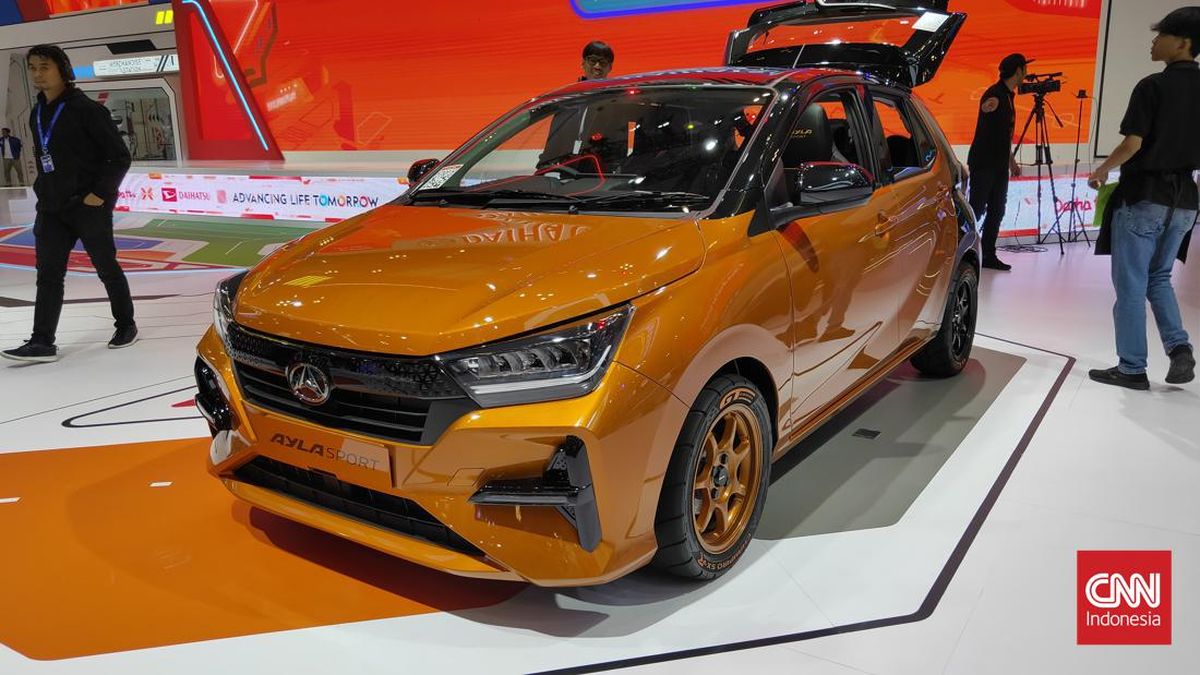
The company’s sustained sales momentum in June was primarily driven by its flagship models. The Gran Max Series continued to be the strongest contributor, accounting for an impressive 53 percent of total sales. Following closely, the low-cost green car (LCGC) segment, represented by the Sigra and Ayla models, contributed 30 percent of the sales. The versatile Terios SUV rounded out the top performers, adding 10 percent to the overall sales figures. This composition clearly indicates that Daihatsu’s commercial vehicle line and family-oriented cars remain the foundational pillars of its sales success in Indonesia.
Furthermore, Daihatsu asserts its leadership in the segment of vehicles priced below Rp300 million. This dominant position is attributed to a well-defined strategy that prioritizes affordability, fuel efficiency, economical ownership costs, and an extensive after-sales service network.
Official Statements and Future Outlook
Rokky Irvayandi, Marketing Director & Corporate Function Director of ADM, expressed his gratitude for the company’s performance, stating, "We are grateful to close the first semester of 2026 with an increased market share to 17.1 percent. This achievement is a testament to the continued trust of our customers who choose Daihatsu as their mobility solution."
Looking ahead, Irvayandi emphasized Daihatsu’s commitment to continuously delivering products that align with the evolving needs of the Indonesian populace. The company also plans to further strengthen its sales and after-sales services to ensure greater accessibility for its customers. "Moving forward, we will continue to present products that meet the needs of the Indonesian people, supported by increasingly accessible sales and after-sales services, so that Daihatsu can continue to provide the best value for its customers," he added.
Broader Market Context and Economic Indicators
The robust performance of Astra Daihatsu Motor is occurring against a backdrop of a recovering Indonesian automotive market. Following several years of subdued sales influenced by economic fluctuations and global supply chain disruptions, the market is showing clear signs of resurgence.
Historical Sales Data and Trends:
- 2023: The Indonesian automotive market saw significant recovery, with total retail sales reaching approximately 1.01 million units. This marked a substantial rebound from the preceding years, driven by pent-up demand and improved economic sentiment.
- 2024 (Projected): Industry analysts had projected continued growth for 2024, with forecasts generally ranging between 1.05 million and 1.1 million units, indicating a steady upward trend.
- First Half of 2025 (Pre-ADM’s H1 2026 Data): This period likely saw continued positive momentum, laying the groundwork for the strong performance reported for H1 2026. The reported 19.6% year-on-year growth in June 2026 suggests a strong foundation established in the prior year.
Factors Influencing Market Growth:
Several key factors are contributing to the current positive momentum in the Indonesian automotive sector:
- Economic Stability and Consumer Confidence: A stable economic environment, coupled with rising consumer confidence, often translates into increased spending on big-ticket items such as vehicles. Low inflation rates and a steady job market are crucial enablers.
- Government Policies and Incentives: While not explicitly mentioned in the provided text, government policies such as tax incentives, infrastructure development, and support for the automotive industry can significantly influence sales. For instance, policies promoting fuel-efficient vehicles or local manufacturing can bolster specific segments.
- New Model Launches and Promotions: Automakers actively introduce new models and run attractive promotional campaigns, including attractive financing schemes and discounts, to stimulate consumer interest and drive sales.
- Demand for Commercial Vehicles: The consistent demand for models like the Gran Max Series highlights the ongoing need for commercial vehicles to support business operations and logistics, particularly in a growing economy.
- Shift Towards Affordable and Efficient Cars: The strong performance of LCGCs like the Sigra and Ayla reflects a growing segment of the population seeking affordable, fuel-efficient, and practical transportation solutions.
Daihatsu’s Competitive Landscape
Daihatsu operates in a highly competitive Indonesian market, facing off against numerous domestic and international automotive brands. Its key competitors include:
- Toyota: As part of the same automotive group (Toyota Motor Corporation), Toyota often collaborates with Daihatsu and shares technology. Toyota has a broad portfolio and a dominant market share, especially in segments like MPVs and SUVs.
- Honda: Another major player, Honda is known for its reliable and fuel-efficient vehicles, particularly in the small car and SUV segments.
- Suzuki: Suzuki has a strong presence in Indonesia, particularly with its small cars and MPVs, often appealing to value-conscious buyers.
- Mitsubishi: Mitsubishi Motors has a significant footprint, especially with its L300 commercial vehicle and Pajero Sport SUV.
- Wuling and DFSK: These Chinese brands have been aggressively entering the market with feature-rich and competitively priced vehicles, posing a challenge, particularly in the affordable segment.
Daihatsu’s strategy of focusing on affordability, practicality, and a strong after-sales network appears to be effectively differentiating it from competitors, allowing it to carve out and maintain a significant market share, especially in its targeted segments.
Analysis of Daihatsu’s Product Mix
The breakdown of Daihatsu’s sales highlights key consumer preferences in the Indonesian market:
- Gran Max Series Dominance (53%): This underscores the vital role of light commercial vehicles in Indonesia’s economy. The Gran Max is likely used for a variety of purposes, including logistics, small business transportation, and last-mile delivery. Its affordability, payload capacity, and reliability make it a popular choice for entrepreneurs and small to medium-sized enterprises (SMEs). The continued strong performance of this segment suggests robust economic activity and a thriving SME sector.
- LCGC Segment Strength (Sigra & Ayla – 30%): The substantial contribution from Sigra and Ayla demonstrates the enduring appeal of entry-level vehicles. These cars are often the first car purchase for many Indonesian households, offering a balance of affordability, fuel economy, and sufficient space for small families. The government’s incentives for LCGCs have historically played a crucial role in driving sales in this segment, making them an attractive option for a large segment of the population.
- Terios Contribution (10%): The presence of the Terios indicates a sustained demand for compact SUVs. These vehicles offer a higher driving position, a sense of robustness, and often more cargo space than sedans or hatchbacks, making them suitable for diverse Indonesian road conditions and family needs.
This product mix reveals Daihatsu’s strategic alignment with the core needs of the Indonesian consumer: reliable and affordable transportation for both personal and commercial use.
Future Implications and Strategic Outlook
Daihatsu’s sustained growth and increasing market share position it favorably for the future. The company’s focus on customer needs, affordability, and an extensive service network is a proven formula for success in emerging markets like Indonesia.
- Reinforcing Brand Loyalty: By consistently offering value and reliable service, Daihatsu is likely to further strengthen brand loyalty among its existing customer base.
- Capturing New Entrants: The affordability of its LCGCs and commercial vehicles makes it an attractive entry point for new car buyers and small business owners, further expanding its customer pool.
- Adaptability to Market Trends: While its current strategy is successful, Daihatsu will need to remain agile and adapt to evolving market trends, such as the increasing demand for electrified vehicles and advanced driver-assistance systems, as these become more mainstream and affordable. The company’s parent group, Toyota, is a leader in hybrid technology, which could provide a pathway for Daihatsu to introduce more sustainable options in the future.
- Contribution to National Economy: The strong sales of commercial vehicles like the Gran Max directly contribute to the productivity and efficiency of businesses across Indonesia, thereby supporting broader economic development.
In conclusion, Astra Daihatsu Motor’s performance in the first half of 2026 is a clear indicator of its strong market position and effective business strategy. The company’s ability to understand and cater to the specific needs of the Indonesian market, coupled with its commitment to affordability and customer satisfaction, has enabled it to achieve significant growth and capture a larger share of this dynamic automotive landscape. The coming periods will likely see Daihatsu continue to leverage these strengths while adapting to the evolving demands of the Indonesian automotive sector.