Queen Máxima Concludes Pivotal Indonesian Financial Inclusion Mission, Championing Global Financial Health

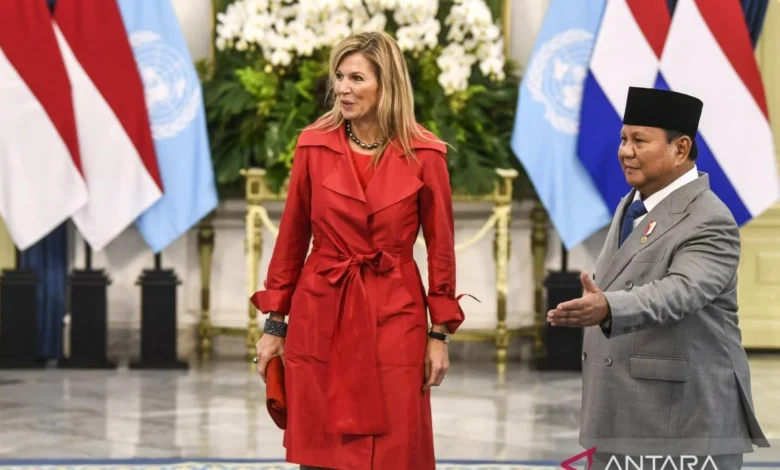
Jakarta, Indonesia – Her Majesty Queen Máxima of the Netherlands has successfully concluded a significant four-day working visit to Indonesia, spanning from Monday, November 24, to Thursday, November 27, 2025. The visit, undertaken in her capacity as the United Nations Secretary-General’s Special Advocate for Inclusive Finance for Development (UNSGSA), focused intensively on advancing financial inclusion and promoting financial health across the archipelago. This marks Queen Máxima’s fifth visit to Indonesia, underscoring her enduring commitment to the nation’s economic development and the empowerment of its citizens through accessible and robust financial services. Her itinerary encompassed a series of high-level meetings, field visits, and strategic discussions with government officials, financial institutions, development organizations, and local communities, all aimed at fostering greater financial resilience and well-being for all segments of society. The comprehensive nature of her engagements highlights the multifaceted challenges and opportunities in Indonesia’s journey toward universal financial access and robust financial health, a critical pillar for achieving sustainable development goals.
A Mandate for Global Financial Health: The UNSGSA Role
Queen Máxima’s role as the UNSGSA for Inclusive Finance for Development is a crucial appointment within the global development agenda. Established in 2009, the UNSGSA mandate is to raise awareness and advocate for financial inclusion policies and programs that can help alleviate poverty, promote economic growth, and empower vulnerable populations, particularly women and small businesses. In this capacity, Queen Máxima works independently of her royal duties as Queen of the Netherlands, leveraging her extensive expertise in international finance and development economics to convene leaders, share best practices, and drive concrete action. Her advocacy centers on the principle that access to affordable, useful, and safe financial products and services—such as savings, credit, insurance, and payments—is fundamental for individuals and small businesses to manage their finances, invest in their futures, and cope with economic shocks. The UNSGSA’s efforts are closely aligned with the United Nations Sustainable Development Goals (SDGs), particularly SDG 1 (No Poverty), SDG 5 (Gender Equality), SDG 8 (Decent Work and Economic Growth), and SDG 10 (Reduced Inequalities), recognizing financial inclusion as a powerful cross-cutting enabler for sustainable development worldwide. Her focus has evolved over time from simply "access" to "usage" and now increasingly to "financial health," emphasizing not just the availability of services but also their effective and beneficial use by individuals and businesses to improve their overall financial well-being.
Indonesia’s Journey Towards Inclusive Finance
Indonesia, with its vast archipelago and diverse population of over 280 million people, presents both unique challenges and immense opportunities for financial inclusion. The nation has made significant strides in recent years, largely driven by a strong commitment from its government and regulatory bodies, notably the Financial Services Authority (OJK) and Bank Indonesia (BI). According to the World Bank’s Global Findex database, Indonesia’s adult population with an account at a financial institution or through a mobile money provider reached approximately 61.7% in 2021, a substantial increase from 36% in 2011. However, this still leaves tens of millions of adults unbanked or underbanked, often concentrated in rural areas, among women, and within the informal sector. The Indonesian government has articulated ambitious targets through its National Strategy for Financial Inclusion (SNKI), aiming for an inclusion rate of 90% by 2024. Key initiatives include expanding agent banking networks (Laku Pandai), promoting digital financial services, strengthening microfinance institutions, and developing financial literacy programs. The growth of fintech companies and the widespread adoption of mobile technology have also accelerated the pace of financial inclusion, offering innovative solutions for payments, lending, and savings. Queen Máxima’s repeated visits underscore the international community’s recognition of Indonesia’s potential as a leader in financial inclusion within Southeast Asia and her specific interest in observing and supporting these domestic efforts. Her previous visits in 2012, 2016, and 2018 in her UNSGSA capacity provided foundational insights into Indonesia’s progress, while her state visit in 2020 alongside King Willem-Alexander offered a broader diplomatic context.
Chronology of Engagement: A Three-Day Deep Dive
The detailed itinerary of Queen Máxima’s recent visit was meticulously designed to cover a broad spectrum of financial inclusion challenges and innovative solutions across different regions of Indonesia.
Day 1: Empowering Communities in Central Java (Tuesday, November 25, 2025)
Queen Máxima commenced her working visit in Central Java, a region known for its vibrant micro, small, and medium-sized enterprises (MSMEs) and a significant portion of Indonesia’s workforce. Her first stop was a garment factory in Sragen Regency. This visit aimed to understand the financial lives of factory workers, many of whom are women, and to explore how access to formal financial services, such as digital payroll, savings accounts, and micro-insurance, can enhance their financial health and resilience. Discussions likely revolved around the implementation of financial literacy programs within the workplace, facilitating access to affordable credit for personal development or small entrepreneurial ventures, and ensuring workers can manage their wages effectively.
Following this, Queen Máxima traveled to Solo (Surakarta), a city renowned for its cultural heritage and thriving batik industry. Here, she visited Kampung Batik Laweyan, a historic batik village. This engagement provided a direct interface with MSME owners and artisans, many of whom face challenges in accessing formal credit, managing cash flow, and expanding their businesses. The discussion focused on the role of financial services in supporting these traditional industries, particularly through digital payment solutions, tailored micro-credit products, and financial management training that can help them navigate market fluctuations and scale operations.
The day concluded with Queen Máxima’s participation in a Women’s World Banking event at the majestic Pura Mangkunegaran in Solo. This high-profile gathering brought together young entrepreneurs, university students, and established businesswomen to share their experiences with financial products and services. Women’s World Banking is a global non-profit dedicated to designing and delivering financial services for low-income women, and Queen Máxima’s presence underscored the critical role of women’s economic empowerment in achieving broader financial inclusion. The discussions likely highlighted the specific needs of women in finance, including barriers to access, the impact of digital tools on their financial autonomy, and the importance of gender-sensitive financial product design. Participants shared testimonies on how access to credit has enabled them to start businesses, how savings have provided a safety net, and how digital platforms have simplified transactions, contributing to greater financial independence.
Day 2: Policy Dialogue and Innovative Solutions in Jakarta and West Java (Wednesday, November 26, 2025)
The second day saw Queen Máxima shift her focus to policy-level discussions and innovative housing solutions. The morning began in Jakarta with a roundtable discussion at the local United Nations office, involving various development organizations. This session served as a platform for sharing insights on current financial inclusion initiatives, identifying systemic gaps, and coordinating efforts among international and local stakeholders to maximize impact. Topics likely included the role of digital public infrastructure, the integration of financial services with other development sectors (e.g., health, education), and strategies for reaching the most marginalized populations.
Subsequently, Queen Máxima visited the International Finance Corporation (IFC), a member of the World Bank Group. The IFC plays a pivotal role in private sector development, particularly in emerging markets. The discussions centered on the development of innovative lending practices and investment vehicles that contribute to economic growth and enhance financial health. This included exploring how the IFC can support financial institutions in expanding their reach to underserved segments, promoting sustainable finance, and investing in fintech innovations that democratize access to finance. The conversation likely touched upon risk mitigation strategies, blended finance models, and the importance of a robust regulatory framework to foster responsible financial innovation.
In the afternoon, Queen Máxima traveled to Kabupaten Bekasi, West Java, to visit the Gran Harmoni Cibitung subsidized housing complex. This visit highlighted a critical intersection of financial inclusion and affordable housing, a major policy priority for Indonesia. The complex provides low-emission homes for low- and middle-income communities, demonstrating an integrated approach to sustainable development. Queen Máxima toured a resident’s home and interacted with first-time homebuyers, gaining firsthand insights into the challenges and aspirations associated with homeownership. A significant part of this visit involved observing an innovative scheme where residents can pay their housing installments through a "bank sampah" (waste bank) program. This ingenious mechanism allows residents to convert their segregated waste into financial value, which can then be used to subsidize or directly pay their mortgage installments. Queen Máxima also witnessed the process of signing sale and purchase agreements for dozens of prospective homeowners, symbolizing the tangible impact of accessible housing finance. This initiative, often supported by institutions like Bank BTN, has garnered international attention as a model for sustainable and inclusive urban development, linking environmental stewardship with financial empowerment.
Later that day, back in Jakarta, Queen Máxima visited Deloitte Indonesia. Here, she engaged with employers to discuss their role in contributing to the financial health of their employees and clients. The dialogue focused on corporate responsibility in promoting financial literacy, offering employee financial wellness programs, and leveraging corporate platforms to advocate for broader financial inclusion. This underscored the private sector’s potential to drive positive change beyond direct financial services, influencing employee well-being and market practices.
Day 3: High-Level Engagements and Future Roadmaps (Thursday, November 27, 2025)
The final day of Queen Máxima’s visit was dedicated to high-level policy dialogue, consolidating the insights gathered during her field visits and strategic meetings. She participated in a crucial agenda on financial literacy alongside key Indonesian regulatory and governmental bodies: the Otoritas Jasa Keuangan (OJK), Bank Indonesia (BI), and the Ministry of Finance (Kemenkeu) of the Republic of Indonesia. This session was vital for discussing the national strategy for financial literacy, identifying areas for improvement, and fostering collaboration among these institutions to create a more financially savvy population. Discussions likely covered the effectiveness of current educational programs, the role of digital tools in disseminating financial information, and strategies to protect consumers from financial fraud and predatory practices.
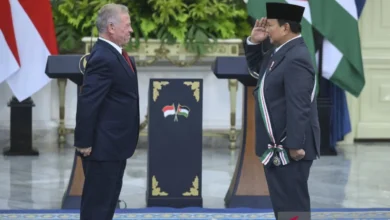
The visit culminated in a meeting with President of Indonesia, Prabowo Subianto, at the Istana Merdeka (Merdeka Palace) in Jakarta. This private meeting, followed by a luncheon, provided Queen Máxima with the opportunity to convey her key findings, observations, and impressions from her extensive engagements across Indonesia. She likely presented actionable recommendations, highlighted successful models, and emphasized areas where further policy intervention or international cooperation could accelerate progress. President Prabowo, in turn, would have reiterated Indonesia’s unwavering commitment to financial inclusion as a cornerstone of national development, expressing appreciation for Queen Máxima’s ongoing advocacy and support. This high-level exchange served to strengthen the partnership between the UNSGSA’s office and the Indonesian government, setting the stage for future collaborative initiatives aimed at deepening financial inclusion and improving the financial health of all Indonesians.
Key Themes: Digitalization, Women’s Empowerment, and Sustainable Finance
Throughout her visit, several overarching themes emerged, reflecting the global priorities of the UNSGSA and the specific context of Indonesia. Digitalization stood out as a critical enabler, with discussions repeatedly touching upon the transformative power of mobile banking, fintech innovations, and digital payment systems in reaching remote populations and reducing transaction costs. Queen Máxima’s interactions in Solo and her engagements with the IFC underscored the potential of technology to bridge financial access gaps. Women’s empowerment was another central theme, evident in her visit to the garment factory, the Women’s World Banking event, and her consistent advocacy for gender-sensitive financial products. Recognizing that women are often disproportionately excluded from formal financial systems, her efforts aim to ensure that financial services contribute to their economic independence and resilience. Finally, sustainable finance was implicitly and explicitly discussed, particularly during the visit to the Gran Harmoni Cibitung housing complex and the innovative "bank sampah" program. This highlights the growing recognition that financial inclusion initiatives must also align with environmental sustainability goals, offering solutions that benefit both people and the planet. The integration of waste management with housing finance is a prime example of such a synergistic approach.
Official Responses and Collaborative Pathways
Indonesian officials have consistently expressed their appreciation for Queen Máxima’s dedicated advocacy. The OJK and Bank Indonesia, as key regulators, view her visits as valuable opportunities to benchmark their progress against international best practices and to garner global support for their national strategies. They have often highlighted Indonesia’s achievements in expanding digital financial services, strengthening consumer protection, and developing a robust regulatory framework. For instance, the OJK has reported significant growth in the financial inclusion index, driven by initiatives like agent banking and micro-insurance. Bank Indonesia has actively promoted digital payment systems suchasing QRIS (Quick Response Code Indonesian Standard) to accelerate transactions and financial literacy. The Ministry of Finance, responsible for broader fiscal policy, recognizes the link between financial health and national economic stability and growth. President Prabowo’s reception of Queen Máxima underscores the highest level of government commitment to these goals, signaling a continued openness to international collaboration and expertise in refining Indonesia’s financial inclusion roadmap. The engagement with Deloitte also suggests a growing recognition of the private sector’s crucial role, beyond traditional financial institutions, in promoting employee financial well-being and broader market development.
Implications for Indonesia’s Financial Landscape and Global Partnerships
Queen Máxima’s latest visit carries significant implications for Indonesia’s ongoing financial inclusion efforts. Firstly, it provides a renewed international spotlight on Indonesia’s progress and remaining challenges, potentially attracting further investment and technical assistance. Her insights and recommendations, delivered directly to President Prabowo and key financial authorities, are likely to inform future policy adjustments, particularly concerning the expansion of digital financial services, the strengthening of financial literacy programs, and the development of innovative financing models for critical sectors like housing and MSMEs. The "bank sampah" initiative, specifically lauded by Queen Máxima, could serve as a model for other regions or sectors, inspiring more creative linkages between financial services, environmental sustainability, and community development.
Secondly, the visit reinforces Indonesia’s position as a key partner in the global financial inclusion agenda. By actively engaging with the UNSGSA, Indonesia demonstrates its commitment to international best practices and its willingness to share its experiences, both successes and lessons learned, with other developing nations. This collaborative spirit can foster south-south cooperation and contribute to the achievement of global Sustainable Development Goals.
Finally, the focus on financial health, rather than just access, signals a maturing approach to financial inclusion. It emphasizes the need for services that are not only available but also truly beneficial, enabling individuals and businesses to build resilience, achieve their financial goals, and ultimately improve their overall quality of life. Queen Máxima’s persistent advocacy continues to inspire and guide efforts to ensure that financial systems serve everyone, leaving no one behind in the pursuit of a more equitable and prosperous world. Her enduring commitment to Indonesia, evidenced by her frequent visits, suggests that the partnership will continue to yield tangible benefits for the Indonesian people, reinforcing the nation’s path toward comprehensive and sustainable financial health.