Socio Today
Jakarta, Indonesia – The Directorate General of Taxes (DGT) within Indonesia’s Ministry of Finance (Kemenkeu) has issued a comprehensive clarification regarding the involvement of personnel from the Indonesian National Armed Forces (TNI) and the National Police (Polri) in taxpayer supervision activities. Director-General of Taxes, Bimo Wijayanto, publicly addressed the matter from the Kemenkeu office in Jakarta on Tuesday, July 21st, firmly asserting that the collaboration is strictly limited to coordination and the establishment of information networks, explicitly excluding any direct role in tax examinations or collections. This clarification comes amidst heightened public discussion following the issuance of a refined internal guideline.
Background to the Policy Refinement and Public Discourse
Indonesia, Southeast Asia’s largest economy, has long grappled with the challenge of optimizing its tax revenue collection. A robust tax base is crucial for funding national development programs, infrastructure projects, and essential public services. Despite continuous efforts, Indonesia’s tax ratio – the ratio of tax revenue to Gross Domestic Product (GDP) – has historically lagged behind many of its regional peers and the average for developing nations. For instance, in recent years, the tax ratio has hovered around 10-11%, a figure the government aims to significantly increase to support its ambitious economic targets. This persistent gap necessitates innovative and extensive strategies to broaden the tax base, improve compliance, and enhance the efficiency of the tax administration system.
One of the key challenges faced by the DGT is the vast geographical spread of the archipelago and the significant presence of an informal sector, making it difficult to reach all potential taxpayers and ensure their compliance. The DGT has been continuously exploring various avenues to improve its reach and information-gathering capabilities. It is within this context that the DGT initiated policies aimed at leveraging existing governmental structures at the grassroots level. The involvement of TNI and Polri, particularly through their community liaison officers, Babinsa (Bintara Pembina Desa, Village Supervisory Non-commissioned Officers) and Bhabinkamtibmas (Bhayangkara Pembina Keamanan dan Ketertiban Masyarakat, Community Security and Order Development Police Officers), represents an attempt to tap into established networks for broader information dissemination and collection.
The recent public attention was specifically drawn to the issuance of Circular Letter (SE) Number SE-8/PJ/2026 concerning Guidelines for Taxpayer Compliance Supervision, which was enacted on July 15, 2026. This document, intended as an internal directive for DGT personnel, explicitly mentions the construction of information networks through Babinsa and Bhabinkamtibmas as one of the approaches to supervise registered taxpayers, unregistered taxpayers, and specific geographical areas. While the DGT views this as a procedural refinement, its mention of military and police involvement has sparked debate and necessitated a direct response from the highest levels of the tax authority to allay public concerns.
Director-General’s Firm Clarification on Limited Involvement
In his address, Director-General Bimo Wijayanto emphatically stated that the provision outlining the coordination with military and police personnel is an internal DGT regulation that has been in effect since 2020. The 2026 Circular Letter, he clarified, merely refines existing procedures rather than introducing a radical new policy. He underscored that the primary objective of this collaboration is to facilitate coordination and build an information network, not to empower TNI or Polri personnel to conduct tax audits or collect taxes directly.
"Once again, this is a Circular Letter intended for the internal operations of the DGT. There is no need for this to be politicized or sensationalized, suggesting that tax officers will involve Babinsa and similar entities in direct enforcement. It is solely about information coordination," Bimo Wijayanto stressed during the press conference. He highlighted the DGT’s longstanding practice of collaborating with various parties to gather information relevant to taxpayers. These collaborations are crucial for enhancing the DGT’s intelligence capabilities, which in turn support more targeted and effective supervision efforts.
Wijayanto elaborated that the role of Babinsa and Bhabinkamtibmas is strictly supportive, focusing on facilitating inter-agency coordination. These community officers possess intimate knowledge of their respective villages and communities, including local economic activities, new businesses, and demographic shifts, which can be invaluable for the DGT in identifying potential taxpayers or verifying existing information. However, he was unequivocal about their non-involvement in core tax enforcement functions. "One of these indeed involves Bintara Pembina Desa and Bhayangkara Pembina Keamanan dan Ketertiban Masyarakat. So, village officials and various similar entities coordinate with us. They are absolutely not, as some narratives suggest, implementers of tax examinations or tax collections," he asserted, aiming to dispel any misconceptions about the scope of their authority.
Evolution and Chronology of the Policy
The policy framework governing the DGT’s coordination with other government agencies, including security forces, for information exchange is not new. Its genesis can be traced back to 2020, when the DGT first formalized internal guidelines for leveraging external networks to enhance taxpayer supervision. This initial framework was developed in response to the growing need for more comprehensive data to improve compliance, especially in hard-to-reach areas or segments of the economy that traditionally evade formal taxation.
The 2026 Circular Letter (SE-8/PJ/2026), enacted on July 15, 2026, represents a refinement and systematization of these existing guidelines. This update aimed to provide clearer instructions and standardize procedures for DGT personnel across the country. The refinement likely incorporated lessons learned from the initial years of implementation and sought to optimize the effectiveness of information gathering while mitigating potential risks. Wijayanto reiterated that the substance of the policy, particularly the limited nature of TNI/Polri involvement, remains consistent with the 2020 origins. "This rule has been in place since 2020. So, it’s only a refinement that was carried out in 2026," he explained, emphasizing continuity rather than a novel approach.
Modern Approaches to Taxpayer Supervision: Digital First
Bimo Wijayanto also took the opportunity to highlight the DGT’s strategic shift towards more advanced, digital-centric methods for taxpayer compliance supervision. He stressed that while coordination with regional apparatus is valuable, it is not the primary or "main weapon" in the DGT’s arsenal.
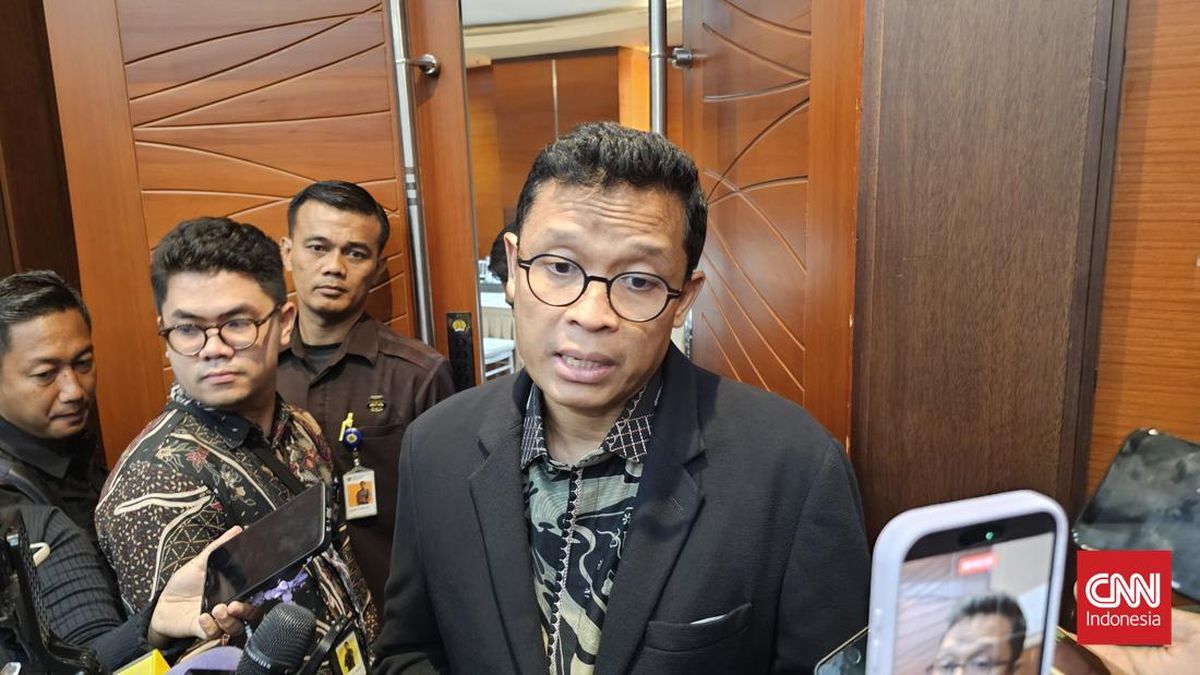
"The presence of [apparatus] there is to support joint coordination, and even then, it’s not the primary weapon. Our main weapons are already more sophisticated," he stated. He then listed several advanced tools employed by the DGT:
- Compliance Risk Management (CRM): This is an analytical system that uses data analytics and artificial intelligence to identify taxpayers with high-risk profiles for non-compliance. By leveraging vast datasets, CRM can predict potential evasion or underpayment, allowing the DGT to allocate its resources more efficiently to areas of greatest need.
- Geo-tagging and Geospatial Observation: The DGT utilizes geospatial technology, including satellite imagery and geo-tagging, to monitor economic activities, verify property ownership, and detect undeclared business premises or assets. This allows for remote observation and assessment of potential tax liabilities, providing objective, verifiable data.
- Coretax System: This refers to the DGT’s integrated core tax administration system, which is undergoing continuous development and modernization. The Coretax system aims to streamline all aspects of tax administration, from registration and filing to assessment and collection, through a unified digital platform. It facilitates comprehensive data analysis and improves the efficiency of tax processes.
These digital tools represent the forefront of the DGT’s efforts to enhance compliance. The involvement of Babinsa and Bhabinkamtibmas, therefore, serves as a complementary mechanism, primarily for gathering localized, on-the-ground intelligence that might not be readily available through digital means or for clarifying specific information when needed. "If the DGT needs clarification on certain information, we can coordinate with regional supervisory apparatus or village officials. We request information, we collaborate in providing information," Bimo elucidated, reiterating the auxiliary nature of this coordination.
Details of Data Collection Methods
The Circular Letter SE-8/PJ/2026 delineates two primary methods for collecting economic data to improve taxpayer compliance: field data collection and non-field data collection.
- Field Data Collection: This method involves physical visits to taxpayers’ residences, business premises, or activity locations to identify subjects or objects of taxation. This can include verifying the existence of businesses, assessing their scale of operations, or identifying unregistered entities. The establishment of information networks through Babinsa and Bhabinkamtibmas falls under this category as a "community-based approach." The circular states: "Supervision activities are carried out through various methods and approaches, such as visitations, canvassing (sweeping), direct observation, and the building of information networks (through Bintara Pembina Desa/Bhayangkara Pembina Keamanan dan Ketertiban Masyarakat)." This highlights their role in facilitating access to local information and verifying facts on the ground.
- Non-Field Data Collection: This method primarily relies on the utilization of information technology and administrative resources without direct physical visits. This includes data matching from various government agencies, financial institutions, and third-party reports. It also encompasses the use of the advanced digital tools mentioned by Bimo Wijayanto, such as CRM, geo-tagging, and the Coretax system. This approach emphasizes efficiency and leveraging big data analytics to identify discrepancies and potential non-compliance.
The Strategic Importance of Babinsa and Bhabinkamtibmas
To understand the DGT’s rationale, it’s crucial to appreciate the unique roles of Babinsa and Bhabinkamtibmas in the Indonesian administrative structure. These officers are the lowest-level representatives of the TNI and Polri, respectively, deeply embedded within local communities across the archipelago.
- Babinsa: As non-commissioned officers from the Indonesian Army, they are assigned to specific villages (desa) or urban wards (kelurahan). Their primary role is to maintain territorial defense and security, but they also act as crucial conduits between the military and civilian population. They are often involved in various community development activities, disaster response, and data collection for local government. Their constant presence and familiarity with residents and local dynamics make them a valuable source of ground-level intelligence.
- Bhabinkamtibmas: These police officers are also assigned to specific villages or urban wards. Their responsibilities include maintaining public order, crime prevention, and fostering good relations between the police and the community. Like Babinsa, they have an intimate understanding of local social and economic conditions, including the presence of businesses, migration patterns, and potential areas of concern.
Leveraging these networks allows the DGT to overcome geographical barriers and information asymmetry, especially in rural or remote areas where direct DGT presence might be limited. Their involvement, as emphasized by Wijayanto, is not about enforcing tax laws but about facilitating the flow of information that can help DGT identify unregistered economic activities or verify details of existing taxpayers.
Potential Implications and Stakeholder Reactions
The DGT’s clarification aims to preempt and address potential concerns that naturally arise when security forces are mentioned in the context of tax administration.
- Public Perception and Trust: The primary concern for many, including taxpayer advocacy groups and civil society organizations, would be the potential for intimidation or an blurring of lines between civilian tax officials and uniformed personnel. Even if their role is strictly informational, the presence of military or police officers could be perceived as coercive by taxpayers, potentially eroding trust in the tax system. The DGT’s strong emphasis on the limited nature of their involvement is a direct response to this.
- Data Privacy: The collection and sharing of taxpayer information, even for coordination purposes, raise questions about data privacy and confidentiality. The DGT would need to ensure robust protocols are in place to protect sensitive taxpayer data and prevent unauthorized access or misuse by any collaborating agency.
- Legal and Ethical Frameworks: Legal experts might scrutinize the precise legal basis for such coordination and ensure it aligns with the mandates of each agency and constitutional rights of citizens. The DGT’s insistence that this is an internal administrative procedure suggests it falls within their existing operational prerogatives, but transparency and clear boundaries are paramount.
While no direct statements from external stakeholders were provided in the original text, it is highly probable that taxpayer advocacy groups would reiterate calls for transparent guidelines, clear accountability mechanisms, and robust safeguards against any potential overreach or abuse of power. They would likely welcome the clarification that enforcement roles are reserved for DGT officials, while simultaneously urging for continuous monitoring of the implementation.
Broader Impact and Future Outlook
The DGT’s approach reflects a broader trend in tax administration globally, where authorities are increasingly looking beyond traditional methods to enhance compliance. This includes leveraging technology, fostering inter-agency cooperation, and utilizing data from various sources. For Indonesia, a nation with a vast and diverse economic landscape, a multi-pronged strategy is essential.
The coordination with Babinsa and Bhabinkamtibmas, when strictly limited to information gathering as stated, could yield several positive impacts:
- Improved Tax Base Identification: By tapping into local knowledge, the DGT can more effectively identify unregistered businesses or individuals engaged in economic activities that should be contributing to the tax base.
- Enhanced Data Accuracy: Local officers can help verify information, such as business addresses, operational status, or the scale of economic activities, which can be challenging to ascertain remotely.
- Increased Compliance Awareness: The presence of these officers, even in a supportive role, might indirectly raise awareness about tax obligations within communities, encouraging voluntary compliance.
However, the success of this strategy hinges entirely on the strict adherence to the defined roles and responsibilities. The DGT’s challenge will be to ensure that the internal guidelines are consistently understood and implemented across all levels of its organization and by its cooperating partners. Regular training, clear communication channels, and robust oversight mechanisms will be critical to prevent any deviation from the stated objective of information coordination.
In conclusion, the Indonesian Directorate General of Taxes is navigating a delicate balance between expanding its reach for effective taxpayer supervision and maintaining public trust. By integrating advanced digital tools with strategic, limited coordination with grassroots security forces, the DGT aims to enhance its capabilities to collect crucial revenue for national development. Director-General Bimo Wijayanto’s clear and firm clarification serves to underscore the civilian nature of tax enforcement, reassuring the public that the involvement of TNI and Polri is purely for informational support, a complementary measure in an increasingly sophisticated approach to tax administration. The emphasis on digital transformation further solidifies the DGT’s commitment to modern, efficient, and data-driven tax governance, with human networks playing a supportive, rather than central, enforcement role.