Socio Today
Jakarta, Indonesia – The Downstream Oil and Gas Regulatory Agency (BPH Migas) has actively intervened, collaborating with Pertamina Patra Niaga Regional Northern Sumatra (Sumbagut), to accelerate the normalization of fuel distribution, particularly in Medan and surrounding areas, where lengthy queues at gas stations (SPBU) have significantly disrupted daily life. The coordinated efforts have begun to yield positive results, with noticeable reductions in congestion at numerous pumping stations across the region.
The critical situation prompted immediate action from Pertamina Patra Niaga Regional Sumbagut, which dramatically increased its logistical capacity. This included a substantial 35 percent boost in the number of fuel tanker trucks and their operational crews. To ensure a robust supply chain, the company optimized fuel transfers from key regional facilities, specifically the Fuel Terminal Siantar, Fuel Terminal Kisaran, and the Integrated Terminal Lhokseumawe. Furthermore, the receiving and distribution capabilities of the Medan Group Fuel Terminal in Labuhan Deli were maximized to handle the increased throughput. These comprehensive measures have collectively propelled fuel distribution to SPBUs to an impressive 120-125 percent of normal levels, a significant uplift aimed at rapidly replenishing depleted stocks and alleviating public inconvenience.
Context of the Fuel Distribution Challenges
North Sumatra, a bustling province with a population exceeding 15 million, serves as a vital economic hub in Western Indonesia. Its capital, Medan, is a major commercial and logistical center. The stability of fuel supply is paramount for the province’s diverse economy, which relies heavily on transportation, logistics, agriculture, and a robust small and medium-sized enterprise (SME) sector. Any disruption in fuel distribution, particularly for subsidized fuels like Solar (diesel) and Pertalite (a specific type of gasoline), can trigger widespread economic and social ramifications, ranging from increased transportation costs and delays in goods delivery to significant productivity losses for individuals and businesses.
Historically, fuel distribution in vast archipelagic nations like Indonesia presents inherent logistical challenges. Remote areas, fluctuating demand, infrastructure limitations, and external factors like adverse weather conditions can all contribute to supply chain vulnerabilities. While the nation generally maintains a robust strategic fuel reserve, localized distribution bottlenecks can still emerge, often due to operational inefficiencies rather than a fundamental lack of supply. The recent queues in Medan, which escalated in early July 2026, underscored these very challenges, drawing significant public attention and necessitating urgent government and state-owned enterprise intervention. The situation highlighted the delicate balance between supply, demand, and the intricate network required to deliver fuel consistently to millions of consumers.
A Detailed Timeline of Intervention and Recovery
The unfolding fuel crisis in North Sumatra saw a rapid escalation of efforts from both Pertamina and regulatory bodies.
- Early July 2026: Reports begin to surface regarding prolonged queues at various SPBUs across Medan and its surrounding districts. Public frustration mounts as daily commutes and commercial activities are hampered.
- Mid-July 2026: Pertamina Patra Niaga Regional Sumbagut initiates its enhanced distribution plan. This includes the strategic deployment of additional tanker trucks and crews, representing a 35% increase in operational capacity. Concurrently, efforts are made to optimize supply routes from multiple fuel terminals (Siantar, Kisaran, Lhokseumawe) to ensure a more resilient and flexible distribution network.
- July 14, 2026: Pertamina reports an average daily distribution of over 6,000 kiloliters (KL) of fuel to SPBUs in the region between July 14-16. This significant surge is a direct response to the heightened demand and the need to build up SPBU stock levels. On this date, BPH Migas committee member Fathul Nugroho notes that the realization of Solar and Pertalite distribution in Sumatra remains below the national average, indicating that the problem is not a quota issue but an operational one.
- July 16, 2026: The increased supply measures lead to distribution rates reaching 120-125% of normal levels. Fuel terminals, including the critical Medan Group facility, are placed on 24-hour operational schedules to maximize throughput and minimize delays.
- July 17, 2026 (Friday afternoon): Head of BPH Migas, Wahyudi Anas, conducts a direct inspection at the Fuel Terminal Medan Group, confirming that North Sumatra’s fuel stock is secure. He also notes the successful unloading of two vessels carrying Jenis BBM Tertentu (JBT) Solar and Jenis BBM Khusus Penugasan (JBKP) Pertalite, further bolstering regional reserves. Joint monitoring efforts by BPH Migas and Pertamina Patra Niaga reveal a significant improvement in the situation, with most SPBUs in Medan experiencing drastically reduced queues, down to only "two to three cars" by 5:45 PM local time, signaling a near return to normalcy.
This systematic approach, combining increased logistical assets, optimized supply routes, heightened operational tempo, and direct regulatory oversight, proved instrumental in de-escalating the crisis and restoring public confidence in fuel availability.
Official Responses and Strategic Directives
During his inspection at the Fuel Terminal Medan Group, BPH Migas Head Wahyudi Anas provided reassurance to the public regarding the security of fuel stocks in North Sumatra. "The current fuel stock in North Sumatra is safe," Wahyudi affirmed, emphasizing that ongoing supply reinforcements, including the recent unloading of two ships carrying JBT Solar and JBKP Pertalite, would ensure continuous availability. "With the daily routines of the community, God willing, the queues at SPBUs throughout North Sumatra will be resolved," he stated, projecting optimism for a swift return to normal.
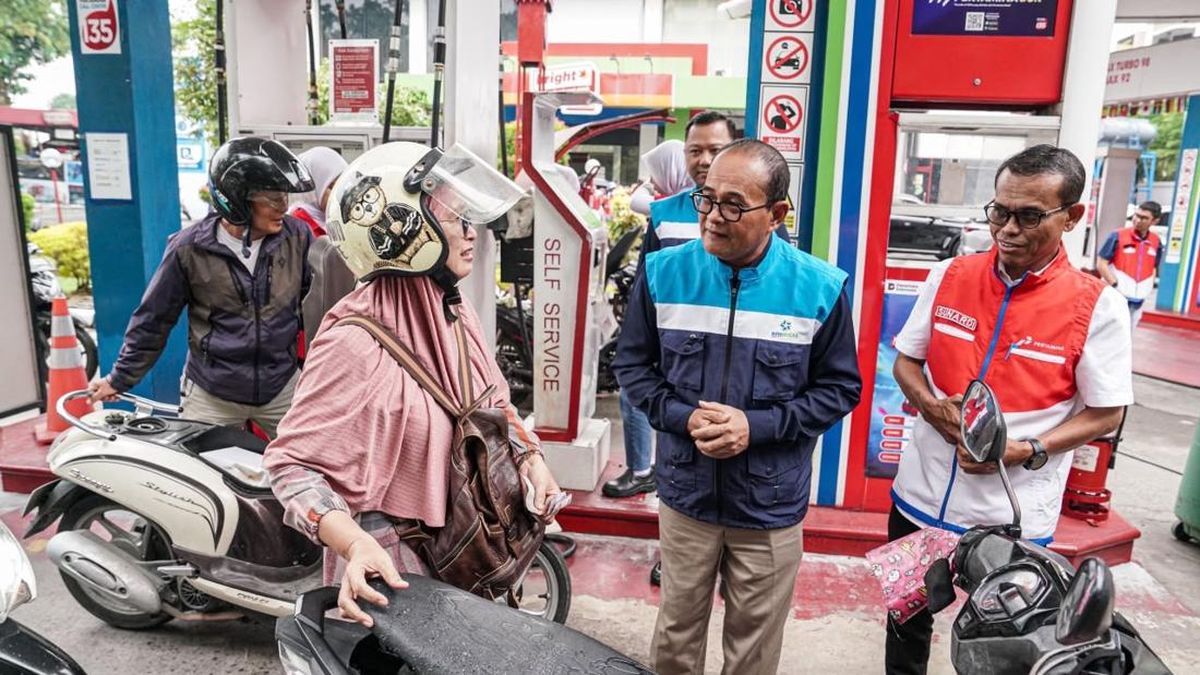
Wahyudi highlighted the strategic decision to escalate fuel supply to 120-125 percent of normal levels as a crucial accelerant in normalizing SPBU services. "This increases the supply to SPBUs to 120 to 125 percent. We continue to request that the supply increase be expedited, from the previous condition of 112 percent to 120-125 percent. This is the best effort to break down the queues at SPBUs that have been a public concern," Wahyudi elaborated, underscoring the proactive stance taken by the regulatory body and Pertamina.
Echoing this sentiment, Anggota Komite BPH Migas (BPH Migas Committee Member) Fathul Nugroho offered a critical analytical perspective. He noted that as of July 14, 2026, the realization of Solar distribution across Sumatra, and Pertalite distribution specifically in North Sumatra, remained below the national average. This data point led to a crucial conclusion: "This realization (Solar and Pertalite) is still below the national average realization, meaning there are no constraints from the established quota side," Fathul clarified. His statement effectively ruled out a national supply shortage or inadequate provincial quotas as the root cause of the problem.
Instead, Fathul pinpointed the core issue as operational and distributional. He stressed the imperative for evaluating and strengthening the distribution network, advocating for the implementation of robust early warning systems and comprehensive monitoring of the entire distribution fleet. "This is an operational, distribution operational issue. There needs to be a kind of early warning system. In addition, all fleets should be visible in monitoring, whether on the road or at SPBUs. This problem must be resolved immediately," he urged, emphasizing the need for proactive measures and real-time visibility to prevent future recurrences and ensure premium public service in fuel distribution.
From Pertamina’s side, Executive General Manager Pertamina Patra Niaga Regional Sumbagut, Sunardi, confirmed the smooth and efficient operation of the Fuel Terminal Medan Group. He reiterated the commitment to optimizing these facilities for 24 hours a day to meet public fuel demands. Sunardi further reported that between July 14-16, 2026, the average daily fuel distribution to SPBUs exceeded 6,000 kiloliters (KL) per day, a substantial increase aimed at bolstering SPBU stocks and expediting the return to normal service. "Hopefully, this increase in distribution can add to the stock at SPBUs, thereby helping to break down the queues that are still occurring," Sunardi expressed.
Impact on the Ground and Public Perception
The tangible improvements in fuel distribution were not merely statistical; they were immediately felt by the community. Direct monitoring by Pertamina Patra Niaga Regional Sumbagut and BPH Migas at several SPBUs in Medan confirmed that the supply of Solar and Pertalite was flowing smoothly, with continuous replenishment ensuring optimal service.
Samsuri, a 60-year-old online motorcycle taxi driver in Medan, offered a heartfelt testimony to the positive change. "To the community, a few days ago I urged patience because there were difficulties. Now it is steady and smooth. I experienced it directly," Samsuri recounted, expressing relief at the significantly reduced waiting times that directly impact his livelihood. For drivers like Samsuri, whose income is directly tied to vehicle uptime and fuel efficiency, the normalization of supply means a return to stable earnings and reduced stress.
Similarly, Hasbi, a 23-year-old truck driver, acknowledged the substantial improvement. "Thank you to the government. Fuel in North Sumatra is now smooth," he stated, highlighting the broader economic benefits of a stable fuel supply, particularly for the logistics and transportation sectors that rely heavily on diesel fuel. For truck drivers, shorter queues translate into more efficient delivery schedules, reduced operational costs, and ultimately, a more predictable business environment. The collective relief expressed by these individuals underscores the profound impact that fuel availability has on the daily lives and economic activities of millions.
Broader Implications and Future Preventative Measures
The recent fuel distribution challenges in North Sumatra, while largely resolved through swift intervention, offer valuable lessons for long-term energy security and logistical resilience in Indonesia. The incident highlighted several critical areas for improvement and sustained focus:
- Robust Early Warning Systems: Fathul Nugroho’s call for enhanced early warning systems is paramount. Such systems, leveraging real-time data on fuel consumption, stock levels at various terminals and SPBUs, and distribution fleet movements, could identify potential bottlenecks or unusual demand spikes before they escalate into crises. Predictive analytics could forecast demand patterns, allowing for proactive adjustments in supply.
- Comprehensive Fleet Monitoring: Full visibility of the distribution armada, as suggested, would enable more efficient deployment, quicker response to breakdowns or delays, and better coordination. GPS tracking, telematics, and integrated logistics platforms are crucial tools for achieving this level of operational control.
- Infrastructure Enhancement: While not the primary cause of this particular issue, continuous investment in fuel terminal capacities, pipeline networks, and SPBU infrastructure is vital for keeping pace with growing demand and ensuring redundancy in the supply chain. This includes improving loading/unloading facilities and storage capacities.
- Inter-Agency Coordination: The success of the recent intervention stemmed from strong collaboration between BPH Migas and Pertamina. Formalizing and regularly exercising inter-agency crisis response protocols can further streamline reactions to future disruptions, involving not just energy bodies but also local governments, police (for traffic management at SPBUs), and consumer protection agencies.
- Public Communication Strategy: Transparent and timely communication with the public during periods of scarcity is crucial to manage expectations, prevent panic buying, and disseminate accurate information about remedial actions. Clear messaging can significantly mitigate public frustration and maintain trust.
- Addressing Regional Disparities: The observation that Solar and Pertalite realization in Sumatra was below the national average points to potential systemic issues specific to the region. Further analysis is needed to understand whether this is due to geographical challenges, local consumption patterns, or specific operational constraints that differ from other parts of the country. Tailored solutions may be required.
- Economic Impact of Disruptions: Even short-term fuel shortages can lead to significant economic losses. Beyond individual productivity, businesses face increased operating costs, supply chain disruptions, and potential revenue losses. Quantifying these impacts can help justify further investments in distribution resilience.
The experience in North Sumatra underscores the intricate nature of fuel distribution in a dynamic economy. While the immediate crisis has been averted, the focus must now shift towards implementing sustainable solutions and strengthening the national energy supply chain to prevent similar incidents in the future, ensuring consistent and reliable access to fuel for all citizens.