Socio Today
The Indonesian Food and Drug Authority, known locally as Badan Pengawas Obat dan Makanan (BPOM), has officially launched a comprehensive initiative to integrate the Indonesian public into its national surveillance network, aiming to curb the increasingly rapid distribution of illegal drugs, food products, and cosmetics. Speaking at the CNN Indonesia Wellnest Festival Vol. 2 held at the South Quarter Dome in Cilandak, South Jakarta, on Wednesday, July 22, 2026, the Head of BPOM, Taruna Ikrar, emphasized that the digital era requires a fundamental shift in how the state monitors consumer goods. As the landscape of commerce migrates from traditional brick-and-mortar establishments to sprawling digital marketplaces and social media platforms, the agency is pivoting toward a "smart supervision" model that leverages the eyes and ears of the country’s 290 million citizens.
The necessity for this strategic shift is rooted in the sheer volume and velocity of modern trade. Taruna Ikrar noted that the advancement of digital technology has created a double-edged sword; while it offers convenience and economic growth, it also provides a veil for the distribution of unauthorized and potentially hazardous products. The difficulty in distinguishing between legitimate, registered goods and sophisticated illegal imitations has reached a critical point, necessitating a more granular and pervasive form of oversight that a government agency alone cannot provide. To formalize this collaborative approach, BPOM has enacted BPOM Regulation Number 16 of 2025, which serves as the definitive legal framework for public participation in product monitoring and reporting.
The Evolution of Digital Threats in the Indonesian Market
The transition to digital-first commerce in Indonesia has significantly outpaced traditional regulatory mechanisms. In recent years, social media platforms have evolved into powerful sales engines where "influencer marketing" and "live shopping" sessions can move thousands of units of skincare or health supplements in a matter of minutes. This environment is particularly susceptible to the "blue label" skincare phenomenon—unauthorized clinical-grade products sold without a prescription—and the sale of traditional medicines adulterated with chemical drug substances.
Taruna Ikrar highlighted that the marketplace ecosystem is now so vast that relying solely on civil servant investigators (PPNS) and regional BPOM offices is no longer a viable strategy for total market coverage. By opening the doors for public reporting, the agency effectively transforms every smartphone user into a potential inspector. This "smart" approach acknowledges that consumers are often the first to encounter suspicious advertisements or experience adverse reactions to substandard products. The agency’s goal is to create a seamless feedback loop where a report filed by a citizen in a remote province can reach the central command in Jakarta within seconds, bypassing the traditional months-long bureaucratic hurdles that previously hindered rapid response.
Legal Protection and the Framework of Regulation No. 16 of 2025
A primary concern for many citizens when reporting illegal activity is the fear of retaliation or the complexity of the legal process. To address this, Regulation Number 16 of 2025 was designed with specific provisions to protect the identity and safety of whistleblowers. Taruna Ikrar assured the public that the reporting system is built on a foundation of confidentiality and state protection. This regulation is not merely a call for help; it is a structured empowerment of the Indonesian consumer, granting them a formal role in the national health security apparatus.
Under this new framework, the reporting process has been simplified through digital integration. Citizens can utilize the "Cek BPOM" mobile application or dedicated social media channels to verify the distribution permit (NIE) of a product. If a product is found to be fraudulent or if it causes harm, the reporting module allows for the immediate upload of photographic evidence and location data. This data is then triaged by an AI-driven system at BPOM headquarters to identify clusters of illegal activity, allowing for more targeted and efficient enforcement raids.
Statistical Context and the Economic Impact of Illegal Goods
The scale of the problem is reflected in BPOM’s enforcement data from the previous fiscal years. In 2024 and 2025, the agency reported a steady increase in the seizure of illegal cosmetics containing mercury and hydroquinone, as well as food products containing prohibited preservatives. The economic value of these seized goods often reaches hundreds of billions of Rupiah annually. Beyond the immediate health risks, the proliferation of illegal goods undermines the domestic pharmaceutical and cosmetic industries. Legitimate businesses that invest in rigorous testing and regulatory compliance find themselves at a competitive disadvantage against "black market" operators who evade taxes and safety standards.
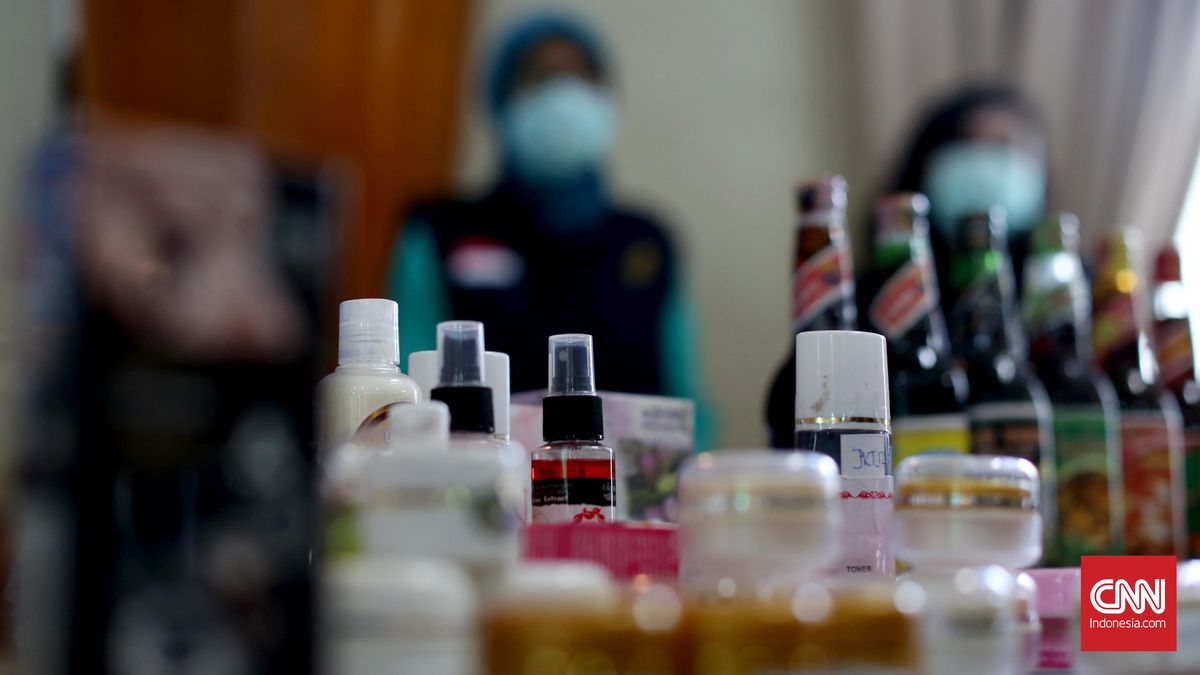
By enlisting 290 million potential "inspectors," BPOM aims to make the Indonesian market "too hot" for illegal distributors to operate. The strategy is built on the psychological principle of perceived risk; if an illegal seller knows that any one of their customers could be an active monitor for the state, the incentive to distribute harmful products diminishes. This collective surveillance acts as a powerful deterrent that complements the physical enforcement actions carried out by BPOM and the Indonesian National Police.
Direct Communication and the Removal of Bureaucratic Barriers
One of the most radical aspects of Taruna Ikrar’s leadership is the push for radical transparency and direct access. During the talkshow, he remarked that the old bureaucratic model often meant that a report would take five to six months to reach the desk of the agency head. In the current era, the "participation model" allows for near-instantaneous communication. This democratization of the regulatory process is intended to foster a culture of mutual accountability.
"We are monitoring each other," Ikrar explained. "The head monitors the subordinates, the subordinates are monitored by the head, but it doesn’t stop there. The entire community is also monitoring the agency and the market." This 360-degree surveillance model is intended to reduce instances of internal corruption and ensure that reports are acted upon with urgency. The agency has committed to providing public updates on the status of reports, creating a transparent track record of enforcement that builds public trust.
Broader Implications for Public Health and National Security
The implications of this initiative extend far beyond the removal of fake lipsticks or uncertified snacks from the market. At its core, the program is a public health intervention. Illegal drugs—particularly those sold as "herbal" remedies but laced with steroids or sildenafil—pose a severe risk of organ failure and long-term chronic illness. By empowering the public to report these products, BPOM is effectively decentralizing the protection of the national gene pool and the preservation of human capital.
Furthermore, the initiative aligns with Indonesia’s broader goals of digital literacy. As citizens learn how to use BPOM’s tools to verify products, they become more discerning consumers. This education process is vital for a developing economy where digital penetration is high but consumer protection awareness is still catching up. The "Wellnest Festival" itself serves as a testament to this educational drive, bringing together health experts, policymakers, and the public to discuss holistic well-being in a modern, digital context.
Chronology of BPOM’s Strategic Pivot
The journey toward this participatory model has been a multi-year process:
- 2023-2024: BPOM identified a 40% surge in illegal product listings on major e-commerce platforms following the post-pandemic digital boom.
- Late 2024: The agency began drafting a new regulation to provide a legal basis for citizen-led surveillance, moving away from purely internal monitoring.
- Early 2025: Regulation Number 16 of 2025 was officially signed, establishing the "Community Participation" mandate.
- Mid-2025: The "Cek BPOM" app underwent a massive technical overhaul to include real-time reporting features and AI-assisted verification.
- July 2026: The launch of the "290 Million Inspectors" campaign at the Wellnest Festival, marking the full-scale implementation of the public-private surveillance partnership.
Conclusion: A New Paradigm of Governance
The move by BPOM to involve the entire Indonesian population in its surveillance efforts represents a significant evolution in governance. It moves the agency from a "policing" role to a "facilitating" role, where the state provides the tools and the legal framework, and the citizens provide the vigilance. This model of "distributed enforcement" is likely to be studied by other regulatory bodies globally as they struggle to manage the borderless and rapid nature of digital trade.
As the talkshow concluded, Taruna Ikrar reiterated that while the agency receives a massive volume of reports daily, this is not a burden but a vital asset. Each report is a piece of intelligence that helps safeguard a neighbor, a family member, or a fellow citizen. The success of this program will ultimately be measured not just by the number of seizures made, but by the level of safety and confidence every Indonesian feels when purchasing a product online or in a local market. Through this "smart" collaboration, BPOM is attempting to ensure that technology serves the health of the nation rather than endangering it.