Socio Today
On Monday, April 13, 2026, the United States military officially commenced a comprehensive naval blockade of all Iranian ports, marking a significant and dangerous escalation in the long-standing conflict between Washington and Tehran. This decisive military action follows the total collapse of high-stakes peace negotiations held in Pakistan, which were intended to provide a diplomatic off-ramp for a six-week-long military confrontation involving the United States, Israel, and the Islamic Republic of Iran. The U.S. Central Command (CENTCOM) confirmed that the blockade would be enforced against all vessels entering or exiting Iranian coastal waters, including strategic points in the Persian Gulf and the Gulf of Oman, effectively attempting to sever Iran’s maritime trade and energy exports.
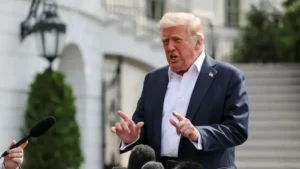
The announcement of the blockade was delivered by the White House on Sunday, April 12, after President Donald Trump determined that diplomatic avenues had been exhausted. According to U.S. officials, the "Islamabad Process" failed because the Iranian delegation refused to provide verifiable guarantees regarding the cessation of its nuclear enrichment programs. Consequently, the brief ceasefire that had been in place since Tuesday, April 7, has been effectively terminated, pushing the region back to the brink of a full-scale regional war.
Chronology of the Crisis and the Failed Islamabad Summit
The current crisis has its roots in a series of military exchanges that began in early March 2026. What initially started as localized skirmishes rapidly evolved into a sustained six-week conflict, often referred to in Tehran as the "Third Forced War." This period was characterized by targeted airstrikes against Iranian military infrastructure and retaliatory drone strikes against regional assets.
In an attempt to prevent a total collapse of regional stability, Pakistan stepped in as a mediator, hosting representatives from Washington, Jerusalem, and Tehran in Islamabad. On Wednesday, April 8, a temporary ceasefire was agreed upon, providing a glimmer of hope that a permanent resolution could be reached. However, the optimism was short-lived. By the weekend of April 11, the negotiations hit an impasse.
The primary point of contention remained Iran’s nuclear ambitions. The United States and Israel demanded the immediate dismantling of high-level enrichment facilities, while the Iranian delegation, led by Parliament Speaker Mohammad Bagher Ghalibaf, insisted on the total removal of economic sanctions and a recognition of their right to peaceful nuclear energy as a prerequisite for any further concessions. When the talks concluded on Sunday without a signed agreement, the United States moved immediately to implement its "Maximum Pressure 2.0" strategy through naval enforcement.
The Logistics of the Naval Blockade
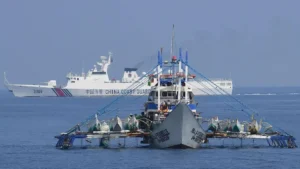
According to the statement released by CENTCOM, the blockade was scheduled to begin at 14:00 GMT on Monday, April 13. The military mandate is broad and uncompromising: "The blockade will be enforced equitably against ships of all nations entering or leaving Iranian ports and coastal areas." This includes the crucial Strait of Hormuz, a narrow waterway through which approximately 20 to 30 percent of the world’s total oil consumption passes daily.
Military analysts suggest that the U.S. Navy’s 5th Fleet, based in Bahrain, has been reinforced with additional carrier strike groups and littoral combat ships to maintain a continuous presence in the region. The blockade aims to prevent the export of Iranian crude oil and the import of refined petroleum products and industrial goods, effectively strangling the Iranian economy until the leadership in Tehran returns to the negotiating table under U.S. terms.
Iranian Defiance and Military Response
The response from Tehran has been one of fierce defiance. Rear Admiral Shahram Irani, Commander of the Iranian Navy, dismissed President Trump’s orders as "ridiculous and laughable." In a statement released through state-affiliated media outlets, Irani emphasized that the Iranian military has been monitoring every movement of the U.S. fleet with precision.
"The brave soldiers of the Navy of the Islamic Republic of Iran are tracking and monitoring all aggressive U.S. military movements in the region," Admiral Irani stated. He further characterized the blockade as a desperate move following what he described as the "humiliating defeat" of U.S. and allied forces during the preceding weeks of combat.
Mohammad Bagher Ghalibaf, returning from the failed talks in Islamabad, echoed this sentiment of resistance. Speaking to reporters in Tehran, Ghalibaf made it clear that Iran would not be intimidated by naval maneuvers. "If they resist, we will resist. If they offer logical arguments, we will meet them with logic. We will not bow to any threat. Let them test our resolve once more so that we may teach them a greater lesson," Ghalibaf said.
The Iranian military has long prepared for such a scenario, investing heavily in asymmetric warfare capabilities, including anti-ship missiles, fast-attack boats, and sophisticated mine-laying technology. The threat of Iran closing the Strait of Hormuz in retaliation remains the "nuclear option" of maritime strategy, one that could trigger a global economic depression.
Israel Signals Readiness for Renewed Strikes
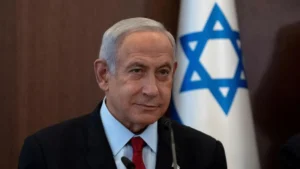
As the U.S. initiates the blockade, Israel has signaled that its military operations against Iranian targets may soon resume. The Israeli government has maintained that while it supported the diplomatic efforts in Pakistan, it would not allow the "status quo" of Iranian nuclear development to continue.
Israeli Energy Minister Eli Cohen, speaking to the Hebrew daily Yedioth Ahronoth, praised President Trump for setting a "clear red line." Cohen suggested that if the blockade does not yield immediate results in curbing Tehran’s nuclear activities, direct military strikes remain on the table. "The nuclear issue is an international one, and it is good that the U.S. has established a firm boundary," Cohen stated.
The Israeli Air Force remains on high alert, and intelligence reports suggest that targets related to the Islamic Revolutionary Guard Corps (IRGC) and nuclear research facilities have been updated in anticipation of a potential breakdown of the current relative calm.
International Fissures: The United Kingdom’s Dissent
In a surprising break from its traditional "special relationship" with Washington, the United Kingdom has announced that it will not participate in the naval blockade of the Strait of Hormuz. A spokesperson for the British government emphasized the importance of the "freedom of navigation" and the necessity of keeping global trade routes open.
"We continue to support the freedom of navigation and the opening of the Strait of Hormuz, which is urgently needed to support the global economy and the domestic cost of living," the spokesperson stated via Sky News. The British government further asserted that the Strait of Hormuz "should not be subject to tolls" or blockades, highlighting a significant rift in Western policy toward Iran.
London’s hesitation reflects broader European concerns regarding the economic fallout of a prolonged blockade. With global energy markets already volatile, a total shutdown of Iranian maritime trade—and the potential Iranian retaliation against other tankers in the Gulf—could lead to a catastrophic spike in oil prices, impacting heating and transport costs across Europe.
Economic and Geopolitical Implications
The immediate impact of the blockade announcement was felt in the global commodity markets. Brent crude prices surged by over 8% in early trading on Monday as traders priced in the risk of supply disruptions. Analysts warn that if the blockade leads to a kinetic confrontation in the Strait of Hormuz, oil prices could easily exceed $150 per barrel, a level not seen in nearly two decades.
Beyond the economic sphere, the blockade represents a pivotal moment in 21st-century geopolitics. By attempting to close off a sovereign nation’s access to international waters, the United States is testing the limits of its maritime hegemony. The role of China and Russia will be critical in the coming days; both nations have significant interests in Iranian energy and have historically opposed unilateral U.S. sanctions. If Chinese or Russian tankers attempt to challenge the blockade, the risk of a direct confrontation between major world powers increases exponentially.
Conclusion and Future Outlook
As of Monday afternoon, the situation in the Persian Gulf remains a tense standoff. The world is watching to see if the U.S. Navy will indeed board and seize non-American vessels attempting to trade with Iran, and how the IRGC will respond to the presence of an encroaching naval wall.
The failure of the Islamabad talks suggests that the gap between Washington’s demands and Tehran’s "logic of resistance" is currently unbridgeable. Without a diplomatic breakthrough, the "Third Forced War" appears poised to enter a new, even more dangerous maritime phase. The next 48 hours will be critical in determining whether the blockade leads to a negotiated surrender of Iran’s nuclear ambitions or a wider conflagration that could engulf the entire Middle East.