Socio Today
South Korea has solidified its position as a premier global tourism destination, driven largely by the exponential growth of the "Hallyu" or Korean Wave. As international travel resumes its pre-pandemic momentum, the nation is witnessing a significant influx of visitors, particularly from Southeast Asia and North America, who are eager to experience the real-world settings of their favorite television dramas and films. Beyond the traditional palaces and historic temples, a new generation of travelers is seeking immersive urban experiences that blend modern metropolitan aesthetics with deep-seated cultural narratives. Locations such as the vibrant streets of the Konkuk University area, the theatrical hub of Daehakro, and the architectural marvel of Starfield Library have emerged as essential stops for those looking to understand the multifaceted nature of contemporary Korean society.
The Evolution of South Korean Tourism and the Hallyu Effect
The surge in South Korea’s tourism sector is not a coincidental phenomenon but the result of decades of strategic cultural exports. According to data from the Korea Tourism Organization (KTO), international arrivals have shown a robust recovery, with the government setting an ambitious target of attracting 20 million foreign tourists annually by 2024. This initiative, supported by the "Visit Korea Year 2023–2024" campaign, focuses on diversifying the tourist experience beyond the well-trodden paths of Myeong-dong and Gyeongbokgung Palace.
The influence of K-dramas and K-pop cannot be overstated in this context. Industry analysts observe that modern travelers are increasingly "experience-oriented," choosing destinations that offer a sense of "place-attachment" fostered through media consumption. This has led to the rise of "set-jetting," where fans visit locations specifically because they served as backdrops for iconic cinematic moments. The locations highlighted in recent travel trends—Geonbae (the Konkuk University nightlife district), Daehakro, and Starfield Library—represent this shift toward aesthetic, social, and intellectual tourism.
The Neon Pulse of the Geonbae District
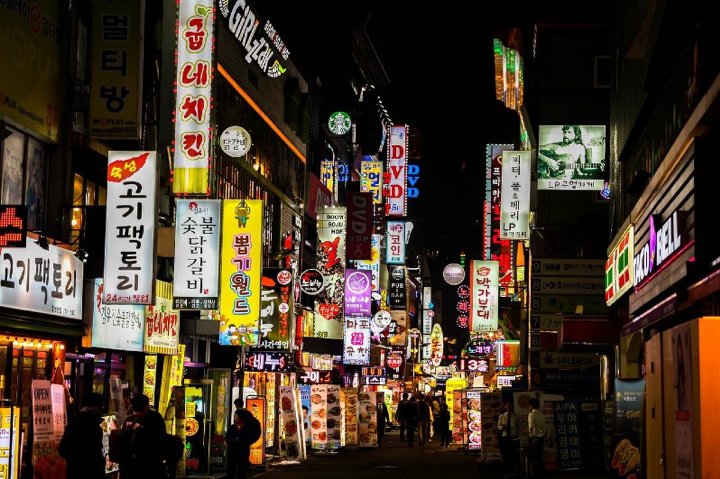
For travelers seeking to immerse themselves in the high-energy, metropolitan atmosphere of Seoul, the district often referred to by the colloquialism "Geonbae"—meaning "cheers" in Korean—is a primary destination. Centered around the Konkuk University (Kondae) station area, this district is characterized by its dense concentration of bars, "pocha" (street-style taverns), and trendy eateries. It serves as a microcosm of South Korea’s vibrant "Hoe-sik" (social drinking) culture and youthful nightlife.

The area is visually striking, defined by towering neon signs and a constant flow of foot traffic that persists well into the early hours of the morning. Unlike the more polished and expensive districts of Gangnam, the Geonbae area offers a more accessible, raw, and energetic glimpse into the lives of Seoul’s university students and young professionals. The district’s appeal lies in its authenticity; it is not a curated tourist trap but a living, breathing social hub where locals and foreigners mingle.
Recent urban development in the area has also introduced landmarks such as "Common Ground," the world’s largest shipping container shopping mall. This addition has further bolstered the district’s reputation as a "Instagrammable" location, attracting a demographic that values both aesthetic appeal and urban grit. Analysts suggest that the popularity of such districts reflects a broader trend where travelers prioritize "local-like" experiences over traditional sightseeing.
Daehakro: The Living Stage and Cultural Corridor of Seoul
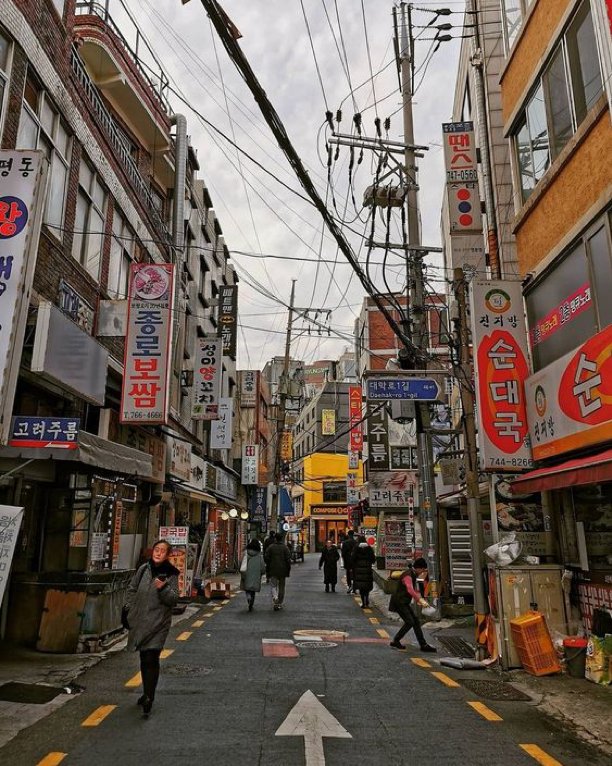
While the Geonbae district represents the modern social pulse, Daehakro (University Street) stands as the intellectual and artistic soul of the capital. Stretching approximately 1.6 kilometers from Jongno-gu to Hyehwa-dong, Daehakro is often referred to as the "Broadway of Seoul." This moniker is well-earned, as the district houses over 150 small and large-scale theaters, making it one of the densest theatrical districts in the world.
The history of Daehakro is deeply intertwined with South Korea’s educational and political evolution. It was originally the site of Seoul National University before the campus was relocated, leaving behind a legacy of youthful activism and intellectual discourse. Today, that energy is channeled into the performing arts. From avant-garde experimental plays to high-production musicals, Daehakro offers a spectrum of cultural performances that are central to the Korean identity.
The district’s center, Marronnier Park, serves as an open-air stage where buskers, dancers, and street performers maintain a festive atmosphere year-round. For the international traveler, Daehakro provides a unique opportunity to witness the "K-Theater" movement, which has begun to gain international traction following the global success of Korean cinema. Local tourism boards have noted that foreign interest in Daehakro has increased by nearly 30% over the last five years, prompting the introduction of multilingual ticketing services and English-subtitled performances for major productions.
Starfield Library: A Monument to Knowledge and Architecture
In the heart of the bustling Gangnam district, located within the sprawling COEX Mall, lies the Starfield Library. Since its opening in 2017, it has become one of the most photographed locations in South Korea, transcending its function as a library to become a global landmark of modern architecture. The library is a sprawling, multi-level open space that houses over 70,000 volumes, including a vast collection of foreign language periodicals and digital eBooks.
The most defining feature of Starfield Library is its massive 13-meter-tall bookshelves that reach toward a glass ceiling, bathing the interior in natural light. This design choice was intentional, aimed at creating a "public lounge" rather than a traditional, quiet study hall. It is a space where people are encouraged to meet, talk, and browse through books in a relaxed, non-restrictive environment.
Beyond its physical beauty, Starfield Library serves as a cultural forum. It regularly hosts author talks, poetry readings, and musical performances, making it a dynamic hub of intellectual exchange. For the modern traveler, it represents the intersection of luxury, technology, and tradition. It is a "digital-free" sanctuary in one of the most technologically advanced cities in the world, offering a moment of quiet reflection amidst the commercial intensity of the COEX Mall.
Economic Impact and the Future of Korean Urban Tourism
The popularity of these specific sites has significant implications for South Korea’s economy and urban planning. The Ministry of Culture, Sports and Tourism has recognized that "niche" cultural districts are vital for sustainable tourism. By promoting areas like Daehakro and the Konkuk University district, the government can alleviate the "over-tourism" experienced by traditional sites like Bukchon Hanok Village, while simultaneously distributing economic benefits to a wider range of local businesses.
Supporting data from the Bank of Korea indicates that tourism-related consumption in urban cultural zones has seen a 15% year-on-year increase. This growth is attributed to the "long-tail" effect of digital media, where social media platforms like TikTok and Instagram drive continuous interest in visually compelling urban spaces.
Furthermore, the integration of these landmarks into the "K-Culture" narrative has influenced diplomatic relations and soft power. Statements from the Ministry of Foreign Affairs highlight that tourism is a key pillar of "Public Diplomacy," fostering a positive image of South Korea as a sophisticated, creative, and welcoming nation.
Conclusion and Traveler Insights
As South Korea continues to evolve, the distinction between "traditional" and "modern" tourism becomes increasingly blurred. The appeal of Geonbae, Daehakro, and Starfield Library lies in their ability to offer something more than just a photo opportunity; they offer a narrative. Whether it is the social camaraderie of a late-night drink, the emotional depth of a live theater performance, or the quiet awe of a monumental library, these destinations provide a comprehensive look at the "Korean Way of Life."
For those planning a visit, these sites represent the diverse palette of Seoul. Travelers are encouraged to look beyond the screen and engage with the city’s rhythm—tasting the street food, attending a local play, and spending time in the public squares. As the global community becomes more connected through media, the physical journey to the heart of South Korea remains a transformative experience, offering a deeper understanding of a culture that is both ancient in its roots and futuristic in its aspirations. With continued government support and a focus on cultural authenticity, South Korea’s urban landmarks are set to remain at the forefront of global travel trends for the foreseeable future.