Socio Today
The escalating geopolitical crisis in the Middle East has emerged as a severe threat to global energy stability, with profound implications for Indonesia’s domestic fuel market. As tensions persist, state-owned energy giant PT Pertamina (Persero) has warned that non-subsidized fuel prices, particularly Pertamax and Pertamina Dex, could surge to between Rp 18,000 and Rp 20,000 per liter if the conflict fails to de-escalate and global crude oil prices remain elevated.
The warning underscores the vulnerability of Indonesia’s energy ecosystem to external shocks. While the government continues to maintain price caps on heavily subsidized fuels such as Pertalite and Solar, non-subsidized products are directly tethered to fluctuating international market dynamics, making them immediate casualties of geopolitical turmoil.
The Roots of the Crisis and the Threat to the Strait of Hormuz
Speaking in Yogyakarta, PT Pertamina Patra Niaga Retail Marketing Director Eko Ricky Susanto highlighted that the ongoing conflict involving the United States and Iran represents one of the most complex geopolitical headwinds the company has faced in recent years. Unlike regional localized conflicts, the friction points in the Middle East directly jeopardize critical global shipping lanes, most notably the Strait of Hormuz—a vital chokepoint through which a significant portion of the world’s petroleum transits.
According to Pertamina’s assessment, the current energy disruption dwarfs the market shocks witnessed during the early stages of the Russia-Ukraine war. While the conflict in Eastern Europe heavily impacted European gas supplies and pushed oil prices upward temporarily, the hostilities in the Middle East have triggered widespread structural instability regarding both global energy availability and long-term price predictability.
"We hope that a de-escalation in the Middle East can happen soon. If not, the current conditions will continue to exert immense pressure," Eko stated. He emphasized that as long as international crude benchmarks fail to return to pre-crisis levels of US$60 to US$70 per barrel, domestic retail prices for non-subsidized automotive fuels will inevitably bear the brunt of the costs.
Surging Indonesian Crude Price (ICP) in August 2026
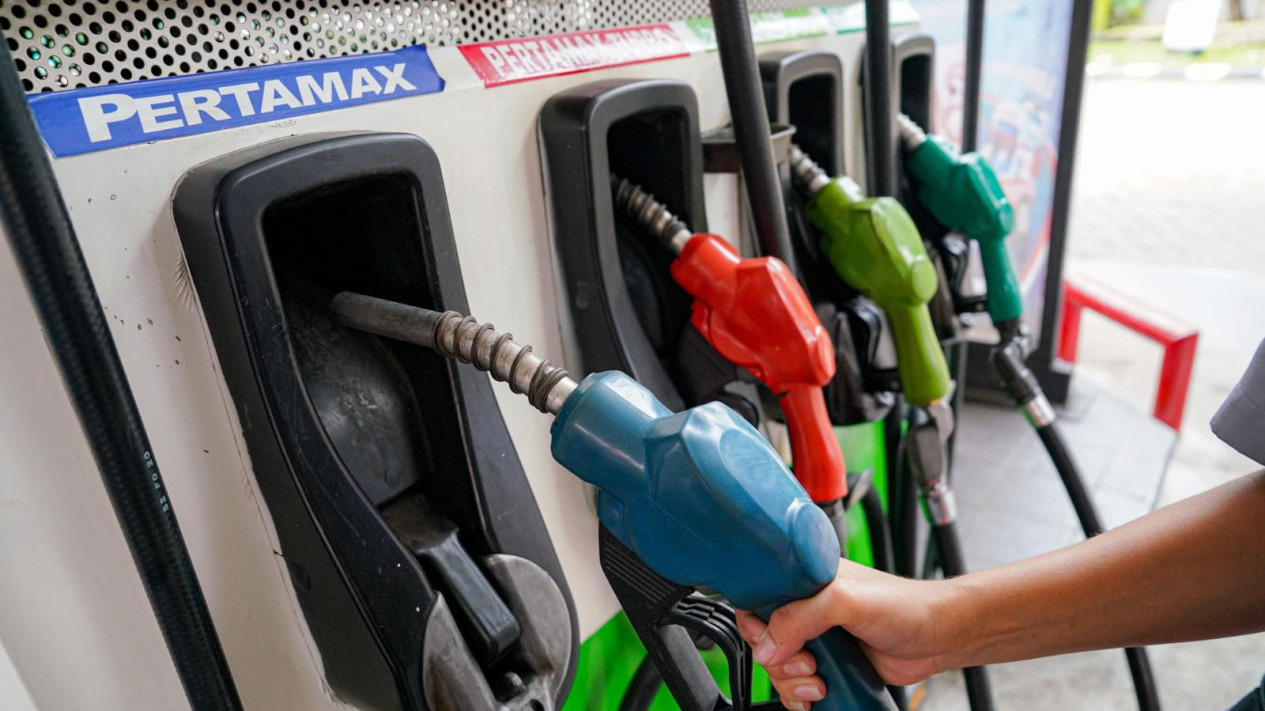
The mounting pressure on domestic fuel prices is mirrored in official governmental data. The Ministry of Energy and Mineral Resources (ESDM) recently recorded a sharp increase in the Indonesian Crude Price (ICP), which serves as the primary baseline for calculating domestic petroleum product pricing and state budget energy subsidies.
Based on the official Decree of the Minister of ESDM Number 352.K/MG.03/MEM.M/2026, the average ICP for August 2026 climbed to US$89.43 per barrel. This figure represents a substantial increase of US$7.75 per barrel compared to July 2026, when the ICP stood at US$81.68 per barrel.
This upward trajectory reflects growing anxieties within global commodity markets regarding physical supply disruptions, speculative trading driven by Middle Eastern naval tensions, and dwindling global strategic petroleum reserves. The Ministry of ESDM, alongside related state stakeholders, is closely monitoring market indicators heading into the final quarters of the year, balancing the dual objectives of national energy security and fiscal accountability in energy governance.
Comparative Analysis: The Limits of Subsidy Buffers
Indonesia’s energy pricing framework relies on a delicate balance between state intervention and market mechanisms. Subsidized fuels—such as Pertalite (RON 90) and subsidized automotive diesel (Biosolar)—are insulated from global market volatility through state budget allocations (APBN) designated for energy subsidies and compensation funds.
However, non-subsidized products like Pertamax (RON 92), Pertamax Turbo, and Pertamina Dex are formulated to follow economic pricing formulas stipulated by the government, which factor in Mean of Platts Singapore (MOPS) price movements and the prevailing USD/IDR exchange rate. When global crude prices hover persistently near or above the US$90 per barrel threshold, maintaining lower retail prices for non-subsidized variants becomes financially untenable for the retailer without external state intervention.
Energy economists note that a potential hike of Pertamax to the Rp 20,000 per liter bracket would likely trigger a secondary wave of consumer behavioral shifts. Historically, significant price gaps between subsidized Pertalite and non-subsidized Pertamax result in consumer down-trading—where vehicle owners switch from high-octane fuels to subsidized options, thereby increasing the fiscal burden on the state budget through higher subsidy volumes.
Macroeconomic Implications and Consumer Impact
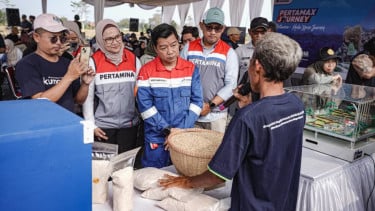
The prospect of a severe spike in non-subsidized fuel prices carries broader macroeconomic implications for Southeast Asia’s largest economy. Transportation and logistics costs are highly sensitive to petroleum pricing. An increase in fuel overheads inevitably cascades through supply chains, driving up the cost of freight, public transportation, and retail goods, which can ultimately stoke domestic inflationary pressures.
Furthermore, middle-class households—the primary consumers of Pertamax and high-performance diesel variants—would face increased cost-of-living pressures. This demographic already navigates domestic inflation, fluctuating interest rates, and adjusted taxation policies. A sharp increase in transportation fuel expenses could dampen discretionary spending, slowing down retail sector momentum during the latter half of 2026.
Pathways Forward and Government Vigilance
As policymakers and energy executives evaluate potential scenarios, the primary hope remains anchored in diplomatic breakthroughs capable of stabilizing the Middle East and reopening secure maritime passages through the Strait of Hormuz.
In the interim, Pertamina Patra Niaga maintains that it is continually optimizing its supply chain efficiencies, inventory management, and procurement strategies to absorb short-term market shocks wherever possible. Nevertheless, management remains transparent with the public regarding the absolute limits of corporate buffers in the face of protracted, macro-level geopolitical crises.
The government, through the Ministry of ESDM and relevant regulatory bodies, continues to evaluate monthly ICP revisions while urging the public to embrace energy efficiency and alternative transportation modes. As global energy markets remain on a knife-edge, the coming months will prove critical in determining whether Indonesia can successfully navigate the compounding pressures of high international crude prices or whether consumers must brace for record-high fuel expenditures at the pump.