Socio Today
Jakarta, Indonesia – Wednesday, May 27, 2026, marks the commencement of the Islamic observance of Idul Adha, a significant religious holiday celebrated by Muslims worldwide. The date was confirmed by the Indonesian Ministry of Religious Affairs following its annual consultative meeting, known as Sidang Isbat, to determine the beginning of the Hijriah month of Dzulhijjah. While not a mandatory obligation, the Idul Adha prayer, or Salat Idul Adha, is considered a highly recommended sunnah muakkad, an act of worship strongly encouraged for all able Muslims. This annual commemoration serves not only as a profound act of devotion and submission to Allah but also as a powerful catalyst for strengthening social bonds and fostering a sense of community among believers. As the nation prepares for this solemn occasion, understanding the specific prayers and rituals involved is paramount for adherents.
The Significance of Idul Adha
Idul Adha, often referred to as the Festival of Sacrifice, commemorates the willingness of the Prophet Ibrahim (Abraham) to sacrifice his son, Ismail (Ishmael), as an act of obedience to God. Before the sacrifice could take place, God intervened, providing a ram to be sacrificed in Ismail’s place. This narrative underscores the core Islamic values of faith, obedience, and sacrifice. For Muslims, it is a time to reflect on their commitment to God, to remember the sacrifices made by prophets, and to emulate their devotion through acts of charity and kindness. The holiday also coincides with the culmination of the Hajj pilgrimage, the annual Islamic pilgrimage to Mecca, which draws millions of Muslims from across the globe.
Key Dates and Preparations
The determination of the precise date for Idul Adha is a crucial process involving astronomical calculations and the sighting of the new moon. The Sidang Isbat, conducted by the Ministry of Religious Affairs in Indonesia, involves input from various Islamic organizations, astronomers, and religious scholars. Their consensus then establishes the official date for the nation. In 2026, this process has confirmed that the 10th day of Dzulhijjah will fall on Wednesday, May 27th.
In the days leading up to Idul Adha, communities typically engage in heightened religious activities. Many Muslims will begin observing the period of fasting, particularly on the Day of Arafah (9th Dzulhijjah), which is considered a day of immense spiritual significance and a potent opportunity for seeking forgiveness. The atmosphere in mosques and prayer grounds begins to shift, with preparations underway for the congregational prayers that are central to the observance. The spirit of giving and sharing also intensifies, with many Muslims planning their Qurban (sacrifice) of livestock, the meat of which is then distributed among the needy, family, and friends.
Understanding the Salat Idul Adha
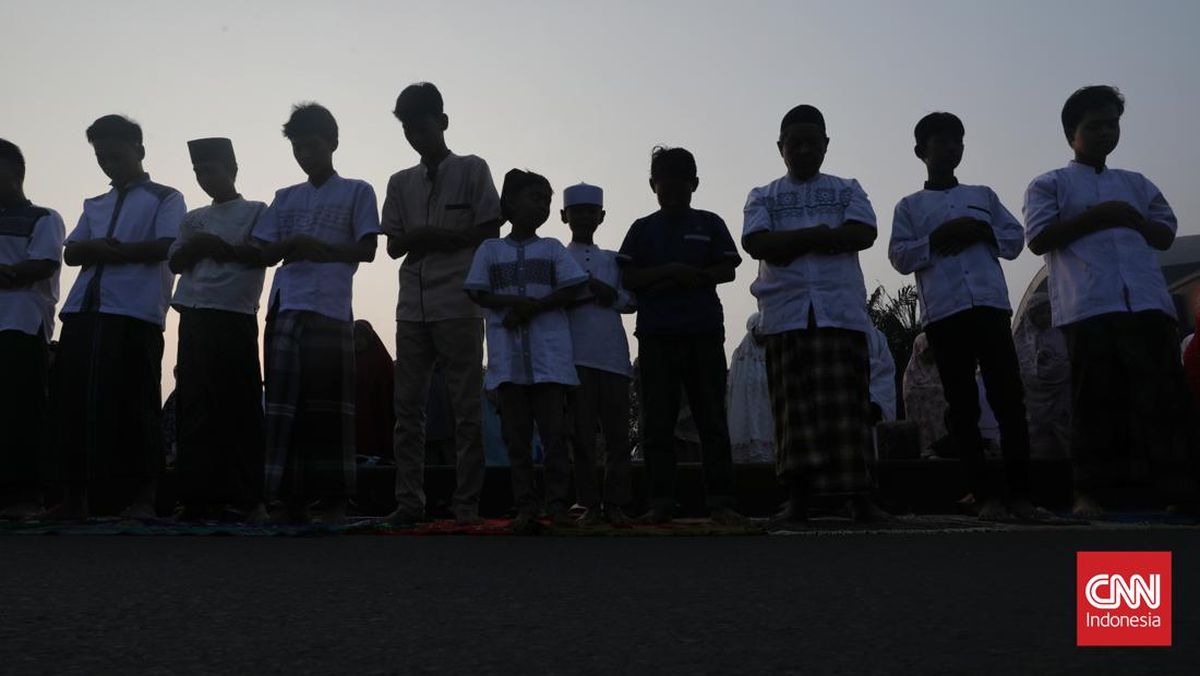
The Salat Idul Adha is a two-rak’ah (unit) prayer performed in congregation, typically in an open field or a large mosque. It is distinguished by its additional six or twelve takbirat (utterances of "Allahu Akbar" – God is Greatest) spread across the two rak’ahs, along with a sermon (khutbah) delivered by an appointed imam. The prayer commences after sunrise.
A critical component of the prayer is the recitation of the intention, or niat. The niat for the imam (prayer leader) and the makmum (follower) differs slightly to reflect their respective roles in the congregational prayer.
Intention for the Imam (Prayer Leader):
The Arabic recitation for the imam is:
"أُصَلِّي سُنَّةً عِيْدِ الأَضْحَى رَكْعَتَيْنِ مُسْتَقْبِلَ القِبْلَةِ إِمَامًا لِلٰهِ تَعَالَى"
Pronunciation: "Ushalli sunnatan ‘iidil adha rok’ataini mustaqbilal qiblati imaaman lilahi ta’aala."
This translates to: "I intend to pray the Sunnah prayer of Idul Adha, two rak’ahs, facing the Qibla, as the imam, for the sake of Allah Almighty."
The inclusion of "imaaman" (as the imam) signifies the leader’s role in guiding the congregation.
Intention for the Makmum (Follower):
The Arabic recitation for the makmum is:
"أُصَلِّي سُنَّةً عِيْدِ الأَضْحَى رَكْعَتَيْنِ مُسْتَقْبِلَ القِبْلَةِ مَأْمُومًا لِلٰهِ تَعَالَى"
Pronunciation: "Ushalli sunnatan ‘iidil adha rok’ataini mustaqbilal qiblati makmuman lillahi ta’aala."
This translates to: "I intend to pray the Sunnah prayer of Idul Adha, two rak’ahs, facing the Qibla, as the makmum, for the sake of Allah Almighty."
The crucial difference here is "makmuman" (as the makmum), acknowledging their position as a follower in the prayer.
The Rituals of Salat Idul Adha
Beyond the niat, the performance of Salat Idul Adha follows a specific structure:
-
Opening Takbir: The prayer begins with the first takbiratul ihram, where the imam and makmum raise their hands to their ears and say "Allahu Akbar," signifying the commencement of the prayer and their entry into a state of devotion.
-
First Rak’ah:
- Seven Takbirat: After the takbiratul ihram, the imam typically recites seven additional takbirat in the first rak’ah. The makmum follows suit.
- Recitation of Surah Al-Fatihah: Following the takbirat, the imam recites Surah Al-Fatihah, the opening chapter of the Quran, followed by another Surah from the Quran. The makmum listens attentively.
- Ruku’ (Bowing): After the recitation, the imam leads the bowing motion (ruku’), with the makmum following.
- I’tidal (Rising from Ruku’): The congregation rises from bowing, saying "Sami’allahu liman hamidah" (Allah hears those who praise Him) for the imam, and "Rabbana walakal hamd" (Our Lord, and to You is all praise) for both imam and makmum.
- Sujud (Prostration): The prayer proceeds to the first prostration (sujud), where both knees, hands, and forehead touch the ground.
- Sitting between Prostrations: The congregation sits briefly between the two prostrations.
- Second Prostration: A second prostration is performed, completing the first rak’ah.
-
Second Rak’ah:
- Five Takbirat: The second rak’ah begins with the congregation rising from the first rak’ah. The imam then leads five additional takbirat.
- Recitation of Surah Al-Fatihah and Another Surah: Similar to the first rak’ah, the imam recites Surah Al-Fatihah and another Surah.
- Ruku’, I’tidal, Sujud: The prayer continues with bowing, rising, and prostrations.
- Tasyahhud and Salam: After the second prostration of the second rak’ah, the congregation recites the tasyahhud (testimony of faith) and concludes the prayer by turning their heads to the right and left, saying "Assalamu ‘alaikum wa rahmatullah" (Peace be upon you, and the mercy of Allah), signaling the end of the prayer.
-
Khutbah (Sermon): Following the prayer, the imam delivers a sermon (khutbah). This sermon typically consists of two parts, with a brief pause for the imam to sit between them. The khutbah usually includes reminders about the significance of Idul Adha, teachings on sacrifice, charity, unity, and moral conduct, reinforcing the spiritual and ethical dimensions of the observance.
Recommended Practices Before and After Prayer
Beyond the formal prayer, several practices are highly encouraged to enhance the spiritual benefits of Idul Adha:
- Increased Takbir: Muslims are encouraged to recite takbir extensively on the days leading up to Idul Adha and throughout the days of tasyriq (the three days following Idul Adha). This includes the phrase "Allahu Akbar, Allahu Akbar, La ilaha illallah, wallahu Akbar, Allahu Akbar, wa lillahil hamd" (Allah is the Greatest, Allah is the Greatest, there is no deity but Allah, and Allah is the Greatest, Allah is the Greatest, and to Allah belongs all praise).
- Performing Ghusl (Ritual Bath): It is customary to perform a ritual bath before attending the Eid prayer.
- Wearing Best Attire: Muslims are encouraged to wear their best clean clothes, symbolizing joy and respect for the occasion.
- Eating Before Prayer (Optional): Unlike Eid al-Fitr, it is generally recommended to eat something before going for the Idul Adha prayer, often dates, to signify that the sacrifice has been made.
- Proceeding to Prayer Grounds: Muslims are encouraged to walk to the prayer grounds if possible, taking different routes on their way to and from the prayer, to spread the message and blessings of Eid.
- Distributing Sacrificial Meat: After the prayer and the khutbah, those who have performed the sacrifice will proceed to butcher their animals. The meat is then distributed according to Islamic guidelines: a portion for the family, a portion for relatives and friends, and a significant portion for the poor and needy. This act of sharing is a tangible expression of the spirit of Idul Adha.
Broader Societal Impact
The observance of Idul Adha extends beyond individual religious practice, playing a vital role in the social fabric of Indonesian society. The congregational prayer fosters a sense of unity and equality, as Muslims from all walks of life gather shoulder to shoulder, irrespective of their social standing. The act of Qurban, with its emphasis on sharing and charity, directly addresses issues of poverty and food insecurity, embodying the Islamic principle of social responsibility. Furthermore, the holiday provides an opportunity for families and communities to reconnect, share meals, and strengthen their bonds, contributing to social cohesion and harmony.
As Indonesia, like many nations, navigates the complexities of modern life, the enduring traditions and values associated with Idul Adha offer a grounding spiritual anchor and a reaffirmation of communal solidarity. The preparedness and anticipation surrounding the May 27th observance underscore the deep-seated importance of this religious festival in the lives of millions of Indonesians.