2026 Lunar New Year and Ramadan Convergence Presents Strategic Tourism Opportunity for Indonesia

Jakarta, Indonesia – The confluence of the Lunar New Year holidays and the commencement of Ramadan in 2026 presents a significant and strategic opportunity for Indonesia’s tourism sector, according to Widiyanti Putri Wardhana, the Minister of Tourism. This unique timing, occurring on Monday, February 16, 2026, with the national holiday and a subsequent collective leave day, is expected to create an extended long weekend, thereby boosting both domestic and international tourist movements and encouraging longer stays.
"The Ministry of Tourism views the momentum of the Lunar New Year holidays coinciding with the beginning of Ramadan as a strategic opportunity for tourist movement. We urge stakeholders in the tourism industry to provide excellent service to tourists enjoying the long weekend of the 2026 Lunar New Year," stated Minister Wardhana in a conversation with ANTARA in Jakarta on Thursday.
This assessment is underpinned by the government’s official announcement of the collective leave day for the 2026 Lunar New Year, set for Monday, February 16th. This date strategically aligns with the preceding weekend, effectively creating a multi-day holiday period. Such extended breaks are historically known to stimulate travel and leisure activities, offering a valuable window for economic activity within the tourism ecosystem.
Strategic Alignment of Holidays and Economic Implications
The strategic alignment of these two significant cultural and religious observances is not merely coincidental; it represents a potentially potent driver for the national economy. The Lunar New Year, celebrated by a significant portion of Indonesia’s population and a key demographic for international tourism, offers a period of festivity and family gatherings. Its proximity to the beginning of Ramadan, a month of spiritual reflection and fasting for Muslims, creates a distinct window for travel before the stricter observance of Ramadan begins.
Minister Wardhana emphasized the ministry’s proactive approach to leveraging this opportunity. "As a form of effort to encourage tourist movement, the Ministry of Tourism invites the public to travel within the country through the #DiIndonesiaAja campaign, while still paying attention to the aspects of safety, comfort, and sustainability of tourist destinations," she remarked. This campaign underscores a commitment to promoting domestic tourism while ensuring responsible travel practices.
The #DiIndonesiaAja (Just in Indonesia) campaign has been a cornerstone of the Ministry’s strategy to promote the archipelago’s diverse attractions. By encouraging Indonesians to explore their own country, the ministry aims to foster national pride, support local economies, and reduce the outflow of tourist spending. The added emphasis on safety, comfort, and sustainability reflects a growing awareness of the importance of responsible tourism in preserving natural and cultural heritage for future generations.
Maximizing Long Weekends for Economic Revitalization
The creation of extended long weekends, through the strategic combination of national holidays, collective leave days, and potentially annual leave, is a well-established method for stimulating economic activity. For the tourism sector, this translates directly into increased demand for accommodation, transportation, food and beverage services, and local attractions.
The Ministry’s foresight in mapping out these long weekend dates is crucial. This proactive planning allows not only for government and industry preparation but also empowers the public to plan their travel in advance. Early planning helps to mitigate the risk of extreme congestion during peak travel periods, ensuring a more pleasant experience for travelers. Furthermore, it provides individuals and families with ample time to organize their affairs, make bookings, and allocate budgets, thereby maximizing the benefits of the holiday.
The anticipated effect of this well-timed holiday period is a more even distribution of tourist movements. This wider dispersal of travelers across different regions and destinations is expected to have a ripple effect, invigorating local economies and providing a significant boost to Micro, Small, and Medium Enterprises (MSMEs). These smaller businesses, often deeply integrated into local communities, are vital contributors to employment and economic well-being.
Targeted Marketing and Promotional Strategies
From a marketing perspective, the Ministry of Tourism is implementing a dual-pronged approach, focusing on thematic campaigns that acknowledge the unique temporal overlap of the Lunar New Year and the lead-up to Ramadan. "From the marketing side, the Ministry of Tourism is striving to strengthen thematic campaigns for Lunar New Year and Ramadan, packaged into promotions for family travel, special interest tourism, especially in destinations with Lunar New Year attractions and Muslim-friendly destinations," Minister Wardhana elaborated.
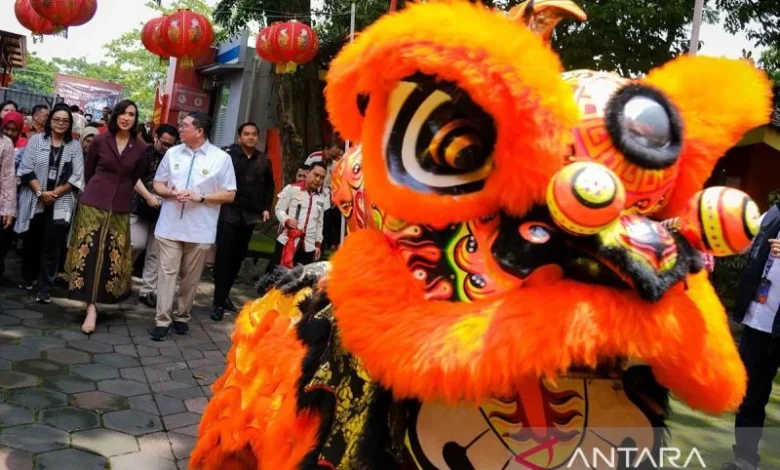
This strategy recognizes the diverse needs and preferences of travelers. Destinations with strong Chinese cultural heritage and attractions associated with Lunar New Year celebrations will be highlighted for those seeking festive experiences. Simultaneously, the ministry is keen to promote "Muslim-friendly" destinations, which cater to the needs of Muslim travelers, particularly relevant as the holiday period precedes Ramadan. This includes ensuring the availability of halal food options, prayer facilities, and accommodation that respects Islamic values.
The ministry is also optimizing its digital marketing efforts, employing data-driven strategies to understand market interests and travel patterns. By mapping consumer behavior, promotional messages can be more precisely targeted, ensuring that the right offerings reach the right audiences. This includes encouraging tourists to explore alternative destinations, thereby alleviating pressure on popular hotspots and distributing the economic benefits more broadly.
"The ministry is also optimizing data-based digital promotion by mapping market interests and travel patterns, so that promotional messages can be more targeted, including encouraging tourists to spread out to alternative destinations to avoid overcrowding in certain destinations," Minister Wardhana added.
Collaborative Efforts and Enhanced Communication
Beyond digital outreach, the Ministry of Tourism is actively fostering collaboration with various stakeholders. Partnerships with industry players, local governments, and travel platforms are being leveraged to create attractive travel packages, organize thematic events, and launch special promotions for the extended Lunar New Year holiday. These initiatives are designed to be integrated with regional event calendars, ensuring a cohesive and comprehensive tourism offering.
"Other efforts include collaborating with industry players, regional governments, and travel platforms to present travel packages, thematic events, and special promotions for the Lunar New Year long holiday that are integrated with regional activity calendars," the minister explained.
Furthermore, the ministry is prioritizing public communication regarding the readiness of destinations, the comfort of travel, and the availability of choices that align with traveler needs during this transitional period leading into Ramadan. Clear and consistent communication is essential for building confidence and managing expectations among tourists.
"Public communication regarding destination readiness, travel comfort, and destination choices that suit the needs of tourists in the transition period towards Ramadan is also continuously strengthened," Minister Wardhana stated.
Anticipated Outcomes and Broader Impact
The overarching objective of these multifaceted strategies is to maximize the utilization of the Lunar New Year-Ramadan long holiday. The ministry anticipates that this period will significantly increase tourist movements, extend the average length of stay for visitors, and generate a more equitable distribution of economic impact across various regions of Indonesia.
"Through these targeted and collaborative marketing strategies, it is hoped that the Lunar New Year-Ramadan long holiday can be utilized optimally to increase tourist movement, extend the length of stay, and provide a more evenly distributed economic impact for the regions," concluded Minister Wardhana.
The successful implementation of these initiatives could not only bolster the Indonesian economy but also further solidify Indonesia’s position as a premier tourist destination, capable of offering diverse and enriching experiences for a wide range of visitors. The strategic timing of the Lunar New Year and Ramadan in 2026 serves as a compelling case study for how temporal alignments can be harnessed for significant socio-economic benefit within the dynamic landscape of global tourism.
The Ministry’s proactive stance, coupled with its emphasis on collaboration and data-driven strategies, signals a commitment to not just capitalizing on the upcoming holiday but also to fostering a more resilient, sustainable, and inclusive tourism industry for Indonesia in the long term. The focus on both domestic and international markets, alongside a dedication to responsible travel, positions Indonesia favorably to navigate the evolving demands of the post-pandemic tourism era.