Visual Acuity and Color Perception Challenges Using Animal Silhouette Patterns as Early Detection Tools for Vision Impairment

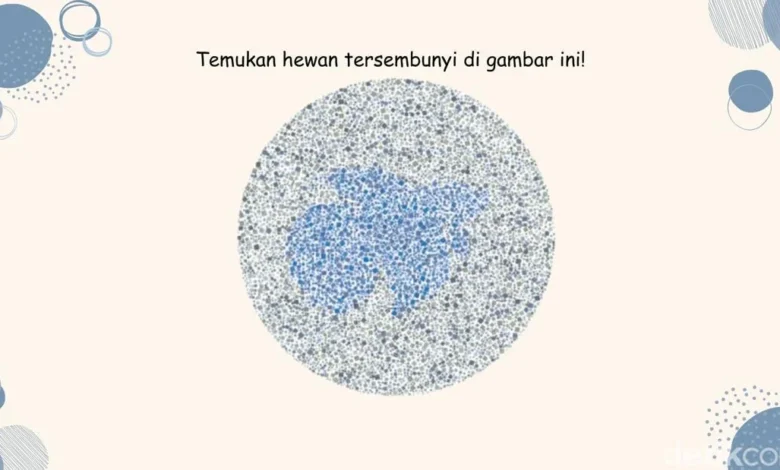
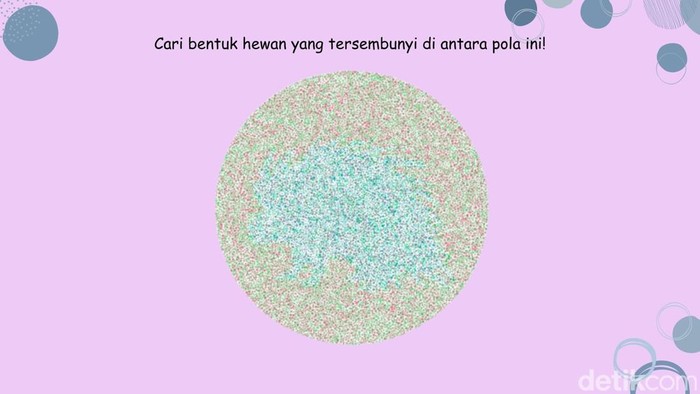
The utilization of interactive visual challenges has emerged as a significant method for raising public awareness regarding ocular health, particularly in the identification of color vision deficiency. On April 15, 2026, a series of specialized brain teasers featuring animal silhouettes embedded within complex color patterns was introduced to the public as a means of testing visual acuity and color perception. These tests, while serving an entertaining purpose, are rooted in the fundamental principles of the Ishihara color test, a diagnostic tool used globally to detect red-green color deficiencies. By replacing traditional numerical figures with familiar fauna shapes, health advocates aim to make vision screening more accessible and engaging for a broader demographic, including children and individuals who may struggle with numerical literacy.
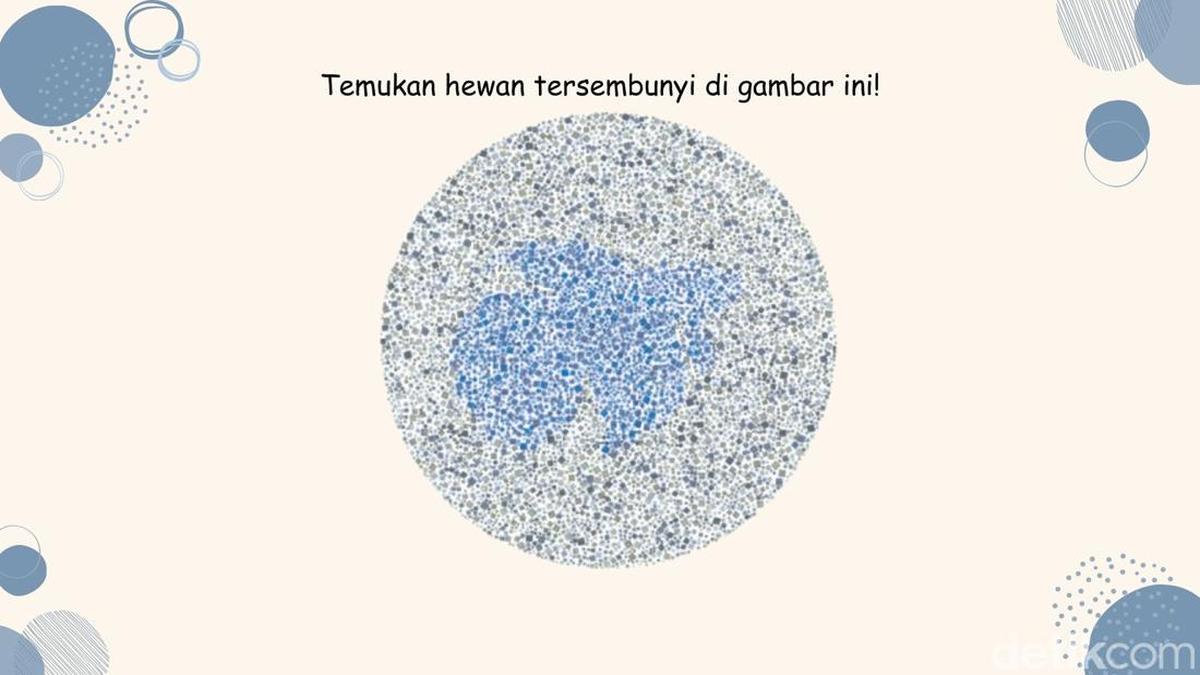
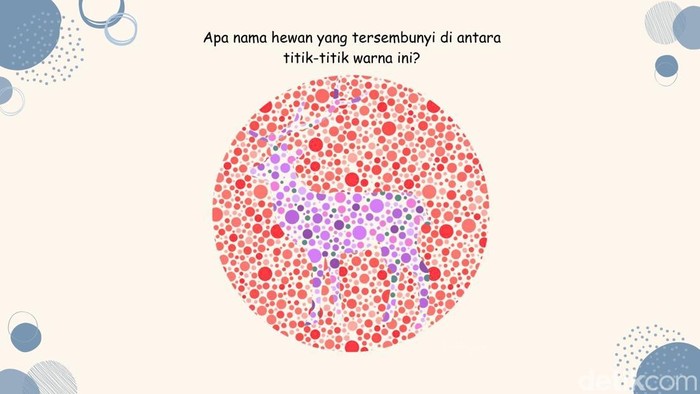
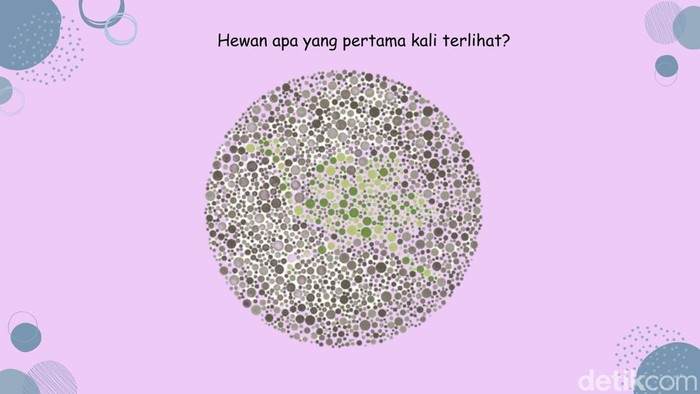
The core objective of these visual exercises is to challenge the "radar" of the human eye, requiring the brain to differentiate between subtle shifts in the color spectrum to identify a hidden form. In the recently released series, participants were presented with a variety of polychromatic plates where dots of varying sizes and hues formed the outlines of animals. This methodology relies on the concept of pseudoisochromaticism, where the dots of the figure and the background appear identical in brightness but differ in chromaticity. For individuals with normal color vision, the animal silhouette is immediately apparent; however, for those with varying degrees of color blindness, the figure remains obscured or entirely invisible, blending into the surrounding pattern.
The Science of Color Perception and the Human Eye
To understand the efficacy of these animal silhouette tests, it is essential to examine the physiological mechanisms of human color vision. The human retina contains two primary types of photoreceptors: rods and cones. While rods are responsible for vision in low-light conditions, cones are the primary drivers of color vision and visual acuity in well-lit environments. There are three types of cone cells, each sensitive to different wavelengths of light: short-wavelength (blue), medium-wavelength (green), and long-wavelength (red).
Color vision deficiency, commonly referred to as color blindness, occurs when one or more of these cone types are absent, non-functional, or detect different wavelengths than normal. The most prevalent form is red-green color blindness, which is typically a hereditary condition linked to the X chromosome. This genetic factor explains why the condition is significantly more common in males—affecting approximately 1 in 12 men worldwide—compared to 1 in 200 women. By engaging with visual challenges that use animal shapes, individuals can perform a preliminary "self-check" of these cone functions, potentially identifying a deficiency that had previously gone unnoticed in daily life.
Evolution of Color Vision Testing: From Numbers to Silhouettes
The history of color vision testing dates back to the early 20th century, with the most famous iteration being the Ishihara test, published in 1917 by Dr. Shinobu Ishihara, a professor at the University of Tokyo. The original test utilized circles of dots containing numbers or winding lines. While the Ishihara test remains the gold standard for clinical diagnosis, the modern adaptation into "Asah Otak" or brain-teaser formats represents an evolution in health communication.
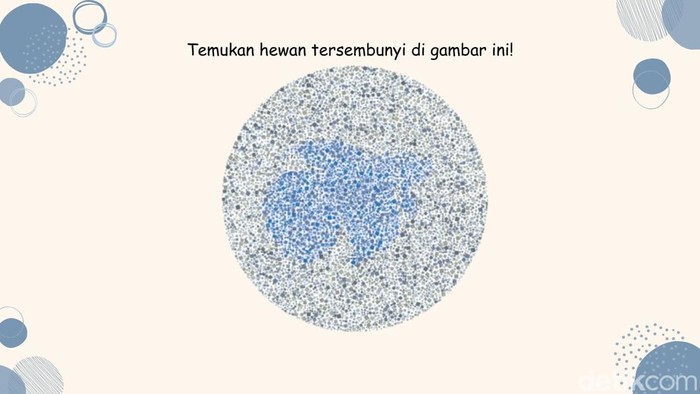
The transition to animal silhouettes serves several purposes. First, it eliminates the cognitive load associated with number recognition, making the test purely a matter of visual perception. Second, it utilizes the brain’s innate ability to recognize biological forms—a concept known in psychology as "top-down processing." When the eye detects fragmented data, the brain attempts to organize that data into a recognizable pattern, such as a dog, a bird, or a rabbit. If the color receptors are functioning correctly, the brain successfully "connects the dots" to reveal the fauna. If the receptors are impaired, the brain lacks the necessary data to form the image, leaving the participant with a field of random noise.
Clinical Implications and the Necessity of Professional Diagnosis
While digital tests and animal silhouette challenges are effective for initial screening and public engagement, medical professionals emphasize that they are not a substitute for comprehensive ophthalmic examinations. A professional diagnosis involves more than just identifying a hidden shape; it requires a controlled environment with standardized lighting (often using a daylight-balanced lamp) and a calibrated display.
The digital nature of modern brain teasers introduces variables that can affect results. Screen brightness, blue-light filters, viewing angles, and the color calibration of a smartphone or computer monitor can all influence how the colors are rendered. Consequently, a person might "fail" an online test due to poor screen quality rather than an actual vision impairment. Conversely, a mild deficiency might go undetected if the digital colors are overly saturated. Health experts suggest that anyone who finds themselves unable to see the hidden animals in these patterns should seek a consultation with an optometrist or ophthalmologist for a formal evaluation using a physical Ishihara booklet or an anomaloscope.
Impact on Career Choices and Quality of Life
The identification of color vision deficiency through early detection tools is crucial because the condition has far-reaching implications for education and career paths. Many professions require perfect or near-perfect color perception for safety and operational efficiency. Pilots, air traffic controllers, electricians, commercial divers, and certain military personnel must pass rigorous color vision screenings. In these fields, the inability to distinguish between a red and green signal light or to identify color-coded wiring can lead to catastrophic consequences.
Beyond professional limitations, color blindness affects daily quality of life in ways that those with normal vision often overlook. This includes the ability to determine the ripeness of fruit, interpret color-coded maps or weather charts, and even choose matching clothing. By gamifying the detection process through animal-themed challenges, health organizations can catch these deficiencies in children before they enter the school system, allowing for educational adjustments, such as using high-contrast materials or labeling colored pencils, to ensure the child does not fall behind.
Global Statistics and the Need for Increased Awareness
Global health data indicates that millions of individuals live with undiagnosed color vision deficiency. In many developing regions, vision screening is not a standard part of pediatric care, leading many to discover their condition only when they apply for a driver’s license or a specific job in adulthood. The "Asah Otak" initiative serves as a low-barrier entry point for health literacy.
Data from the World Health Organization (WHO) and various vision research foundations suggest that the prevalence of vision impairment is rising, partly due to the aging global population and the increased prevalence of conditions like diabetes, which can cause secondary color vision loss (acquired color blindness). While hereditary color blindness is permanent, acquired color blindness can sometimes be managed if the underlying cause is treated. Therefore, tests that encourage people to pay closer attention to their visual health are vital components of preventive medicine.
Technological Integration in Modern Health Screening
The shift toward interactive digital health content reflects a broader trend in the medical community to meet patients where they are—on their digital devices. In the 2020s, the "quantified self" movement has encouraged individuals to monitor their own health metrics, from heart rate to sleep patterns. Visual acuity tests are a natural extension of this trend.
Social media platforms and news outlets have played a pivotal role in disseminating these tests. When a challenge like the "animal silhouette color test" goes viral, it prompts hundreds of thousands of people to test their eyes simultaneously. This creates a "crowdsourced" health check that can identify clusters of vision issues and promote a culture of proactive health management. The comments sections of such articles often become forums where individuals share their experiences, further reducing the stigma associated with color blindness and encouraging others to seek professional help.
Chronology of Visual Health Awareness Campaigns
The development of these specific animal-pattern tests is the result of a multi-year effort by health journalists and medical consultants to modernize health communication.
- 2022-2023: Early iterations of digital color tests focused on basic geometric shapes, which saw high engagement but lacked the "viral" appeal of more complex images.
- 2024: Health outlets began collaborating with graphic designers to create "hidden fauna" plates, drawing inspiration from the camouflaged images found in nature.
- 2025: Studies showed that children responded 40% more accurately to animal shapes than to numbers when being screened for vision issues, leading to a wider adoption of this format.
- April 2026: The current series of challenges was launched, incorporating high-definition color palettes designed to test the limits of modern mobile displays.
Conclusion and Future Outlook for Vision Testing
As we move further into the decade, the intersection of technology and ocular health will likely continue to expand. Future iterations of these tests may utilize augmented reality (AR) to simulate how different types of color blindness affect the world, or AI-driven apps that can analyze a person’s response time to various color stimuli to provide a more nuanced "vision score."
The animal silhouette test is more than just a momentary distraction; it is a testament to the power of creative health communication. By blending the science of ophthalmology with engaging visual design, these challenges perform a vital public service. They remind the public that vision is a complex and precious sense that should not be taken for granted. Whether one successfully identifies the hidden elephant, rabbit, or bird, the ultimate goal is to foster a deeper understanding of how we perceive the world and to ensure that those who see it differently are identified and supported early in their lives. The final challenge presented in the latest series—left for the audience to solve in the comments—serves as a lingering reminder that our eyes are our primary windows to the world, and keeping them "sharp" requires both regular exercise and professional care.