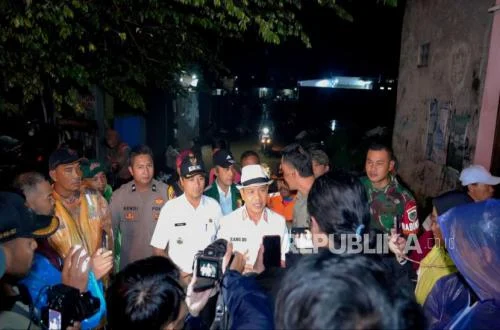
Bandung Regent Dadang Supriatna personally visited flood-stricken Sukamanah Village in Rancaekek District to assess the conditions of affected residents, ensure the readiness of public kitchens, and oversee emergency response teams deployed on the ground. The direct intervention by the Regent underscores the critical situation faced by parts of Bandung Regency, West Java, as persistent extreme weather continues to trigger widespread flooding and related disasters across the region. His visit on Wednesday, April 15, 2026, focused specifically on the public kitchen facilities and the extent of the inundation along Jalan Yasaadi in Sukamanah, a particularly hard-hit area.
On-the-Ground Assessment and Immediate Response
During his inspection, Regent Dadang Supriatna, affectionately known as Kang Dadang Supriatna (KDS) among locals, meticulously verified that essential services for the affected populace were operating optimally. He paid particular attention to the provision of hot meals and clean water, recognizing these as immediate necessities for displaced families. Furthermore, KDS confirmed that medical teams were strategically positioned and fully prepared to offer immediate health services, ranging from first aid to managing potential waterborne diseases that often follow such large-scale flooding events. This proactive approach aims to mitigate health risks and ensure the well-being of residents whose lives have been severely disrupted.
This swift and direct action by the local government reaffirms its unwavering commitment to rapid disaster response in the face of ongoing extreme weather phenomena. The primary objective is to guarantee that the fundamental needs of all affected citizens are met without delay, demonstrating a robust administrative capacity to mobilize resources and personnel during crises. The Regent’s presence on site also served as a morale booster for both the residents and the emergency teams, signaling strong leadership and solidarity.
Escalating Weather Patterns and Official Warnings
Regent Supriatna reiterated his concern that the current extreme weather conditions are projected to persist throughout April, a forecast he attributed to warnings issued by the Meteorology, Climatology, and Geophysics Agency (BMKG). The BMKG’s comprehensive analyses indicate a continued high intensity of rainfall across the region, which significantly elevates the risk of further flooding and landslides. This alarming prognosis demands sustained vigilance and preparedness from both governmental agencies and the general public.
"I have already reminded all Civil Servants (ASN) during the April morning assembly that the extreme conditions are far from over. BMKG also predicts this situation will last until the end of April," KDS stated, emphasizing the prolonged nature of the threat. His proactive communication highlights a consistent effort to ensure that all levels of local administration are fully aware and prepared for the challenges ahead. He urged the communities across Bandung Regency to heighten their vigilance, especially when heavy rainfall commences, as rapid inundation can occur in low-lying and riverine areas.
Chronology of Recent Disasters
The past week has witnessed a severe escalation in disaster incidents across Bandung Regency. Flooding has reportedly submerged 13 sub-districts, impacting thousands of households and disrupting daily life. The sheer geographical spread of the floods points to an extensive and pervasive rainfall event. In addition to the widespread flooding, several areas have been struck by powerful whirlwinds, locally known as "angin puting beliung," causing significant structural damage.
KDS further elaborated on the findings from preliminary field surveys, which revealed substantial damage to residential properties. "We have recorded approximately 65 houses suffering damage due to the whirlwinds, which require immediate repair," he confirmed. This figure, while specific to whirlwind damage, does not account for the countless homes affected by water inundation, many of which may also require extensive repairs or reconstruction. The economic toll on affected families is considerable, extending beyond immediate displacement to long-term recovery costs.
The chronological sequence of events typically begins with prolonged periods of heavy rainfall, often exceeding 100 mm within 24 hours, saturating the ground and overwhelming existing drainage systems. Rivers, particularly tributaries of the Citarum River, rapidly swell, breaching their banks and submerging adjacent communities. The Rancaekek plain, historically prone to flooding due to its topography and proximity to major rivers, often serves as an early indicator of severe inundation. Reports of rising water levels usually begin in the late afternoon or evening following intense daytime rains, with peak inundation often occurring overnight, catching residents unprepared. Emergency services are then activated, setting up evacuation points and temporary shelters as communities scramble to assist those trapped or displaced. The whirlwind incidents, while less predictable, often occur during intense convective storms, adding another layer of complexity to the disaster response.
The Human Toll and Community Resilience
The impact on the local population has been profound. Beyond the 65 homes damaged by whirlwinds, an estimated 5,000 households across the 13 affected sub-districts have experienced some form of flood-related disruption, ranging from temporary inundation of yards to significant damage to living spaces. This translates to tens of thousands of individuals facing displacement, loss of property, and immediate threats to their livelihoods. Children and the elderly are particularly vulnerable, requiring specialized care and attention in temporary shelters. The psychological toll of repeated disasters also weighs heavily on communities, fostering anxiety and insecurity.
Despite the adversities, the spirit of community resilience in Bandung Regency remains strong. Local residents, often the first responders, have been actively assisting their neighbors, sharing resources, and participating in voluntary evacuation efforts. This organic, community-led response forms a crucial layer of support, complementing governmental efforts and demonstrating the intrinsic solidarity that characterizes Indonesian society in times of crisis. Volunteer groups, often comprising youth organizations and religious charities, have also played an indispensable role, distributing aid, assisting in clean-up operations, and providing emotional support.
Multi-Agency Coordination and Strategic Interventions
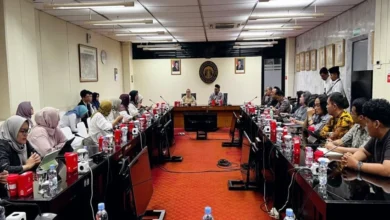
In a strategic move to enhance disaster management effectiveness, the Bandung Regency Government has convened a crucial meeting with representatives from seven key sub-districts. The primary outcome of this meeting was the establishment of a "pentahelix" team. This innovative model integrates five critical pillars of society: government, community, business entities, academia, and media. The objective is to foster a collaborative and holistic approach to disaster handling, ensuring that resources, expertise, and information are synergistically leveraged for more effective prevention, response, and recovery efforts.
"The pentahelix model is vital because disaster management is not solely the government’s responsibility. It requires the collective strength and unique contributions of all stakeholders to achieve optimal outcomes," explained an official from the Bandung Regency Disaster Management Agency (BPBD), elaborating on the rationale behind the initiative. This integrated framework aims to streamline decision-making, improve resource allocation, and enhance public communication during emergencies.
Furthermore, Regent Dadang revealed that the National Disaster Management Agency (BNPB) is scheduled to conduct inspections of several highly vulnerable locations within the regency. Areas such as Panyadap and Bojong have been identified as high-priority zones due to their recurring issues with river dike breaches, which frequently lead to severe flooding. The involvement of BNPB signifies a national-level recognition of the severity of the situation and the need for comprehensive, inter-governmental support.
"We are continuously coordinating with BNPB and the West Java Provincial Government to ensure that our disaster response and mitigation efforts are maximized and precisely targeted," KDS added, underscoring the importance of multi-level governmental cooperation. This collaborative approach is essential for accessing broader resources, technical expertise, and potentially national funding for large-scale infrastructure projects aimed at long-term flood prevention.
Perspectives from the Ground: Village Leadership and Beneficiaries
Dede Rahim, the Head of Sukamanah Village, expressed profound gratitude for the outpouring of support from various entities. He emphasized that the assistance provided by volunteers and governmental bodies has been invaluable in helping his community cope with the immediate challenges of the emergency situation. "We are deeply thankful to Bapak Bupati Bandung for personally visiting the flood site, and also to the volunteers, the regency government, and the provincial government for their invaluable assistance. We are also continuously preparing public kitchens to serve our residents," Dede stated, highlighting the collaborative spirit and sustained effort on the ground. His remarks reflect the tangible relief felt by local communities when higher-level authorities demonstrate direct concern and provide practical aid.
Local residents, though often reluctant to speak extensively while dealing with the immediate aftermath, expressed appreciation for the quick response. "It helps a lot to know that food is available and there are doctors nearby," said Ibu Siti, a resident of Sukamanah, whose home was partially submerged. "We just hope the water recedes quickly and we can start cleaning up soon." Such sentiments underscore the immediate needs for sustenance, health, and a swift return to normalcy.
Underlying Vulnerabilities: Bandung’s Flood Prone Landscape
Bandung Regency’s susceptibility to flooding is a complex issue rooted in a combination of geographical, hydrological, and anthropogenic factors. The Rancaekek plain, for instance, is a low-lying basin bordered by several rivers, including tributaries of the mighty Citarum River. During periods of heavy rainfall, these rivers often exceed their carrying capacity, leading to widespread inundation. The rapid urbanization and development in the Bandung metropolitan area have exacerbated the problem. Increased impervious surfaces (roads, buildings) reduce natural water absorption, leading to faster runoff into river systems. Furthermore, inadequate drainage infrastructure in many developing areas, coupled with poor waste management practices that clog waterways, significantly contribute to the frequency and severity of floods.
The Citarum River basin itself has been recognized as one of the most polluted and environmentally degraded river systems in the world, undergoing extensive rehabilitation efforts. However, decades of neglect, industrial pollution, and uncontrolled development along its banks have left it highly vulnerable to environmental shocks, including flooding. Deforestation in upstream areas further contributes to rapid runoff and soil erosion, increasing sediment load in rivers and reducing their capacity to hold water.
Long-Term Recovery and Climate Adaptation Challenges
The cycle of recurring floods in Bandung Regency highlights a pressing need for robust long-term recovery strategies and comprehensive climate adaptation measures. Immediate relief efforts, while crucial, must be complemented by sustainable solutions to break this cycle. This includes investing in resilient infrastructure, such as upgrading and expanding drainage systems, reinforcing river dikes, and constructing retention basins to manage excess water during peak rainfall. Reforestation projects in upstream catchment areas are also vital to improve soil absorption and reduce runoff velocity.
Funding for such large-scale projects often requires significant contributions from national and provincial governments, potentially involving international aid organizations. The reconstruction of damaged homes, particularly those in high-risk zones, necessitates careful planning, possibly including relocation programs for the most vulnerable communities to safer areas. Beyond physical infrastructure, there is an urgent need to enhance early warning systems, improve public awareness campaigns on disaster preparedness, and integrate climate change projections into urban planning and land-use policies.
The "pentahelix" model, by fostering collaboration across sectors, is ideally positioned to tackle these multifaceted challenges. Academic institutions can provide crucial research and technical expertise for resilient infrastructure design and early warning technologies. Businesses can contribute resources and logistical support, while the media plays a vital role in disseminating accurate information and fostering public engagement. Ultimately, addressing Bandung’s flood vulnerability requires a sustained, multi-pronged approach that integrates scientific understanding, community participation, and strong political will to adapt to a changing climate.
As the extreme weather persists, the focus remains on immediate relief and ensuring the safety of residents. However, the recurring nature of these disasters serves as a stark reminder of the broader imperative to build a more resilient Bandung Regency, capable of withstanding the increasing intensity and frequency of environmental challenges in the years to come. The commitment shown by Regent Dadang Supriatna and the collaborative efforts underway signify a determined step towards this critical long-term objective.