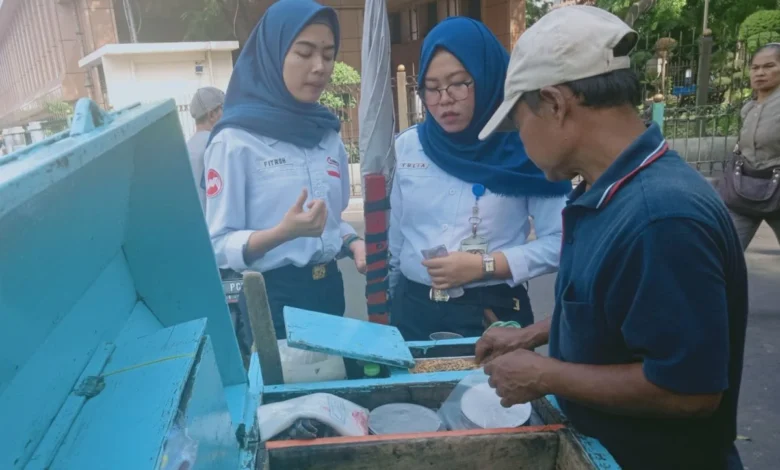
Generations who grew up in the 80s and 90s undoubtedly hold fond memories of cold, refreshing treats that offered a welcome respite from the sweltering Indonesian sun. Long before the proliferation of modern ice cream parlors and trendy frozen beverages, a delightful array of traditional Indonesian iced confections, known collectively as "es jadul" (vintage ice), was a ubiquitous part of childhood. Sold from carts outside schools, near bustling markets, and by vendors traversing village lanes, these simple yet satisfying treats were the perfect companions for after-school play and casual strolls. Their inherent simplicity, coupled with the sensory experience of cooling down on a hot day, has etched them deeply into the collective memory, imbued with stories and a profound sense of nostalgia. While some of these cherished delights may be harder to find today, their enduring appeal makes them worthy of rediscovery by all generations, representing a timeless facet of Indonesian culinary heritage.
The allure of "es jadul" extends beyond mere refreshment; it is a cultural artifact, a tangible link to a bygone era. In the decades preceding the widespread availability of mass-produced frozen desserts, these homemade or small-batch creations were accessible, affordable, and deeply integrated into the daily lives of Indonesians. Their presence was a constant, a predictable source of joy that required no elaborate marketing or sophisticated branding. They were the product of ingenuity and local ingredients, reflecting the resourcefulness and culinary traditions of the time. The very act of purchasing and consuming these treats often involved direct interaction with local vendors, fostering a sense of community and personal connection that is often absent in today’s more commercialized food landscape.
The Enduring Charm of Es Gabus
One of the most iconic and fondly remembered "es jadul" is the "es gabus," also known colloquially as "es kue" (cake ice). Its unique texture and visual appeal set it apart. The foundation of es gabus is a simple mixture of hunkwe flour (a type of mung bean starch), water, and sugar, which is cooked until thickened. This cooked mixture is then poured into molds and frozen. Once solid, it is sliced into individual portions, typically rectangular or square, and conveniently packaged in clear, kilogram-sized plastic bags, making them easy to hold and consume.
The visual characteristic of es gabus is its vibrant, often multi-colored appearance, achieved by incorporating food coloring into different batches of the mixture. This creates a striking mosaic of hues within each serving. Its texture is perhaps its most defining feature, described as being akin to a sponge or, fittingly, to "gabus" (cork or styrofoam) in Indonesian, due to its porous, airy, and slightly chewy consistency. When bitten into, it yields a soft, yielding sensation, with a subtle chewiness that is both pleasant and distinctive.
A common practice among vendors was to enhance the flavor profile by drizzling a generous amount of sweet chocolate milk syrup over the top of the es gabus just before serving. This added layer of sweetness and richness complemented the mild base flavor of the ice. During the 1980s, es gabus was remarkably affordable, with a single piece typically costing no more than Rp500, a price point that underscores its accessibility to children and families across socioeconomic strata. This affordability was a key factor in its widespread popularity.
Es Lilin: The Candle-Shaped Favorite
Another beloved "es jadul" that held a special place in the hearts of children from the 80s and 90s was "es lilin." Its name, meaning "candle ice," directly derives from its distinctive elongated, cylindrical shape, reminiscent of a wax candle. These treats were a common sight, with vendors often found stationed near school gates or peddling their wares through the narrow lanes of villages.
The appeal of es lilin lay in its diverse range of flavors, catering to a variety of tastes. Popular options included classic chocolate, sweet green bean (kacang hijau), creamy milk, refreshing fruit flavors, and even the novelty "pop soda" flavor. The simplicity of its preparation contributed to its widespread availability. It involved pouring a flavored liquid mixture into a plastic sleeve, tying off the open end securely, and then freezing the contents until solid. This straightforward method allowed for easy production and distribution. The inherent portability of the plastic packaging also made it an ideal treat for children to enjoy on the go.
Es Potong: A Cut Above the Rest
The "es potong" earned its name from its unique serving method. Unlike other frozen treats that were pre-portioned, es potong was typically prepared and sold in large, rectangular blocks. Vendors would carry these substantial blocks, often in insulated containers, and upon a customer’s request, would extract a portion. The block would then be speared with a wooden stick, serving as a handle, and meticulously "cut" or portioned to the desired size.
Compared to other "es jadul," es potong distinguished itself with a richer, more savory flavor profile and a distinctly creamy texture. This luxurious mouthfeel was attributed to its primary ingredient: coconut milk (santan). The use of santan lent a depth of flavor and a smooth, velvety consistency that set it apart from lighter, water-based frozen treats.
Es potong was available in a spectrum of flavors, ranging from fruit-based options to classics like green bean, chocolate, and vanilla. To enhance its visual appeal and taste, vendors often offered various toppings. These could include drizzles of chocolate sauce, a generous sprinkle of colorful vermicelli-like sprinkles (meses), or a scattering of chopped peanuts. These additions transformed the simple frozen dessert into a more elaborate and appealing confection.
Es Goyang: The Art of the Shake
The "es goyang," translating to "shaken ice," derives its name from the distinctive method of its preparation. The name refers to the literal act of gently shaking or rocking the cart in which the ice molds were housed. This constant motion during the freezing process contributed to the ice’s unique texture, preventing it from becoming overly hard and crystalline.
The base mixture for es goyang typically consisted of coconut milk, sugar, hunkwe flour, and food flavorings. This creamy base was poured into molds and then subjected to the characteristic rocking motion of the cart until it solidified. Before serving, it was common for vendors to dip the frozen treat into a rich chocolate sauce, followed by a sprinkling of chopped peanuts, adding both visual appeal and a delightful textural contrast.
Es Gosrok: The Art of the Shaved Ice
Also familiar as "es serut" (shaved ice), "es gosrok" is a delightful treat that appeals primarily to children due to its playful presentation. It is made by finely shaving blocks of ice, creating a light and fluffy texture. The shaved ice is then artfully molded into various whimsical shapes using an array of charming molds. These often included beloved figures like turtles, rabbits, umbrellas, and other engaging designs.
The primary draw of es gosrok, however, lies in the vibrant spectacle of colorful syrups poured over the shaved ice just before it is served. The cascade of brightly colored liquids over the white ice creates an enticing visual display that is almost irresistible to young eyes. This combination of fun shapes and dazzling colors made es gosrok a consistent favorite among children, a guaranteed way to bring smiles and excitement.
Es Dung-Dung: The Melodious Treat
The distinctive sound of "dung dung dung" emanating from a cart was an unmistakable signal that a "es dung-dung" vendor was nearby. This auditory cue was synonymous with the arrival of this popular frozen dessert. The name itself is onomatopoeic, mimicking the rhythmic sound of the vendor’s bell or chime.
The preparation of es dung-dung involved a base mixture of coconut milk, sugar, a pinch of salt, and food coloring. This creamy concoction was then placed into a specialized freezing apparatus. The process involved churning or "rotating" the mixture within this device until it achieved a frozen state. This unique churning method also led to es dung-dung being known by another name: "es putar" (rotated ice).
Es dung-dung was typically served in one of two ways: either presented in a crisp, crunchy cone or placed atop a slice of soft white bread. To complete the indulgence, it was often generously drizzled with sweetened condensed milk and finished with a flourish of colorful rainbow sprinkles (meses). This combination of creamy ice, sweet accompaniments, and the familiar sound of the vendor’s approach created a truly memorable sensory experience.
A Legacy of Sweetness and Simplicity
The enduring popularity of these "es jadul" speaks volumes about their inherent quality and their deep cultural resonance. In an era increasingly dominated by globalized food trends and sophisticated culinary innovations, these simple, traditional frozen treats offer a powerful connection to the past. They are more than just desserts; they are vessels of memory, carrying with them the innocence of childhood, the warmth of community, and the flavors of a simpler time.
The continued, albeit sometimes diminished, presence of these vendors and their nostalgic offerings serves as a reminder of the importance of preserving culinary heritage. As younger generations continue to discover these delights, they gain an appreciation for the ingenuity and tradition that shaped Indonesian food culture. The accessibility and affordability that once defined these treats remain a crucial aspect of their appeal, ensuring they can be enjoyed by a wide audience.
The implications of the continued appreciation for "es jadul" extend beyond mere culinary enjoyment. It fosters a sense of national identity and pride in local traditions. In a globalized world, the ability to connect with one’s roots through food is increasingly valuable. These frozen treats, with their simple ingredients and heartfelt preparation, offer a tangible way to do just that. They are a testament to the fact that enduring appeal often lies not in complexity or novelty, but in the honest execution of beloved classics.
The ongoing demand, even if niche, for these traditional frozen desserts suggests a latent market for authentic Indonesian culinary experiences. As food tourism and the appreciation for local cuisine grow, "es jadul" could see a resurgence, perhaps through innovative adaptations or by simply re-emphasizing their timeless charm. The challenge, as with many traditional crafts and foods, lies in balancing authenticity with the demands of modern markets and ensuring that the skills and recipes are passed down to future generations. The sweet, cooling embrace of es gabus, es lilin, es potong, es goyang, es gosrok, and es dung-dung continues to offer a unique and cherished taste of Indonesia’s rich cultural tapestry.
Pewarta: Nadine Laysa Amalia
Editor: Alviansyah Pasaribu
Copyright © ANTARA 2026
Dilarang keras mengambil konten, melakukan crawling atau pengindeksan otomatis untuk AI di situs web ini tanpa izin tertulis dari Kantor Berita ANTARA.