Trump Declares Cuba Unable to Survive Without Venezuelan Oil Support Following US Intervention and Detention of Nicolas Maduro

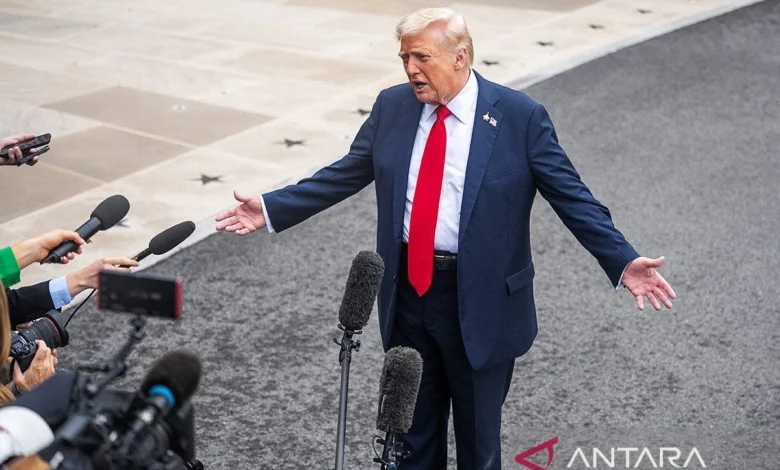
United States President Donald Trump has asserted that the government of Cuba faces an imminent economic collapse, claiming the island nation cannot maintain its sovereignty or basic infrastructure without the continuous flow of subsidized oil from Venezuela. Speaking in a comprehensive interview with Fox News, the President detailed the shifting geopolitical landscape in the Caribbean and South America following a series of high-stakes American military and judicial operations in Caracas. According to the President, the longstanding symbiotic relationship between Havana and Caracas—characterized by an exchange of intelligence and security personnel for crude oil—has been effectively severed by recent United States actions.
President Trump’s remarks center on the strategic dependency that has defined the socialist alliance in the Western Hemisphere for over two decades. He characterized the relationship as a survival pact, stating that Cuba is entirely reliant on Venezuela for both financial liquidity and energy security. The President noted that Cuba provides ideological and physical protection to the Venezuelan administration, while Venezuela reciprocates by funneling its vast petroleum wealth to the island. With the recent disruption of this pipeline, the President suggested that the Cuban administration’s days are numbered, as the bilateral ties that sustained both regimes have reached a definitive conclusion.
The Financial Mechanics of the New Venezuelan Energy Landscape
During the interview, President Trump revealed significant figures regarding the current management of Venezuelan oil assets. He claimed that the United States is currently overseeing the processing and movement of Venezuelan oil valued at approximately $4 billion in a single day. This figure, representing a massive infusion of capital and resource management, is expected to grow as the United States facilitates the entry of major international oil corporations into the Venezuelan market. The President’s vision involves a total reconstruction of the Venezuelan energy sector, which has suffered from years of underinvestment, corruption, and infrastructure decay.
The strategy, as outlined by the White House, involves the temporary administration of Venezuela’s oil reserves to generate immediate revenue. Trump indicated that the interim authorities in Venezuela have agreed to transfer between 30 and 50 million barrels of oil to the United States. This oil is slated for sale at current market prices, with the President promising that the resulting revenue will be utilized to benefit both the American economy and the people of Venezuela. By bringing in "all the big oil companies," the administration intends to modernize the extraction and refining processes, ensuring that Venezuela can eventually return to its status as a global energy powerhouse while simultaneously stripping Havana of its primary energy source.
Chronology of the January Intervention and the Arrest of Nicolas Maduro
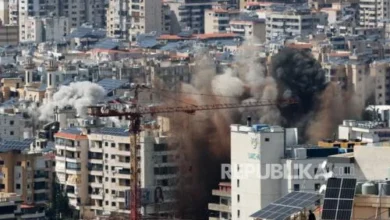
The current geopolitical shift was precipitated by a dramatic military and law enforcement operation on January 3. In a move that stunned the international community, United States forces launched a targeted operation in Venezuela that resulted in the apprehension of Nicolas Maduro and his wife, Cilia Flores. The couple was swiftly transported to New York to face the American judicial system. This operation followed years of escalating tensions and the filing of formal charges by the U.S. Department of Justice.
President Trump confirmed that Maduro and Flores would stand trial on charges related to "narcoterrorism." The U.S. administration has long alleged that the Maduro leadership transformed Venezuela into a transit point for illegal narcotics, utilizing state resources to facilitate the movement of cocaine into North America. By labeling the Maduro administration a direct threat to U.S. national security, the Trump administration justified the direct intervention as a necessary measure to restore regional stability and dismantle a criminal enterprise operating under the guise of a sovereign government.
Following the arrest, the political structure in Caracas underwent an immediate and forced transformation. The Supreme Court of Venezuela, in a move to maintain a semblance of constitutional continuity, temporarily transferred the duties of the head of state to Vice President Delcy Rodriguez. On January 5, Rodriguez was officially sworn in as the interim president before the National Assembly. While the new administration seeks to navigate the transition, the shadow of U.S. influence remains the dominant factor in the country’s immediate future.
Cuba’s Energy Vulnerability and the Legacy of Petrocaribe
The President’s focus on Cuba highlights the island’s precarious energy situation. Historically, Cuba has relied on Venezuela for nearly 50% of its total energy needs. Through programs such as Petrocaribe and various bilateral "oil-for-services" agreements, Venezuela shipped roughly 50,000 to 100,000 barrels of oil per day to Havana at deeply discounted rates. In exchange, Cuba dispatched thousands of doctors, teachers, and, more critically, intelligence officers and military advisors to bolster the Maduro government.
Without these shipments, Cuba’s domestic power grid—which is aging and heavily reliant on heavy crude—faces the prospect of widespread blackouts and total failure. The Trump administration’s strategy is clearly aimed at accelerating a domestic crisis in Havana by removing the Venezuelan "lifeline." For Cuba, finding an alternative supplier willing to provide oil on credit or via barter is a monumental challenge, especially given the stringent U.S. sanctions that threaten any third-party entities doing business with the Cuban government.
Regional Reactions and Global Implications
The ripples of the U.S. intervention have been felt across the globe, prompting a variety of diplomatic responses. In South America, the leaders of Colombia and Brazil have engaged in high-level discussions via telephone to coordinate their response to the situation in Venezuela. Both nations share extensive borders with Venezuela and have borne the brunt of the migration crisis caused by the country’s economic collapse. While there is support for a transition away from the Maduro era, there is also significant concern regarding the long-term presence of U.S. military assets and the potential for prolonged regional instability.
In the East, China has signaled its intention to maintain its economic footprint in Venezuela. Beijing has invested billions in the Venezuelan oil sector over the last two decades, largely through loans-for-oil agreements. The Chinese government has stated it will consistently deepen its economic relations with Venezuela, regardless of the change in leadership, signaling a potential friction point with the U.S.-led effort to rebuild the industry using Western corporations.
Conversely, some global economic leaders have downplayed the immediate impact of the U.S. claims on the global market. Airlangga Hartarto, a senior Indonesian official, suggested that Trump’s assertions regarding the control of Venezuelan oil might not have a drastic impact on global energy prices in the short term. This analysis suggests that while the political implications are seismic, the physical reintegration of Venezuelan oil into the global supply chain will take time, as the infrastructure requires significant rehabilitation before production levels can reach their historical peaks.
Fact-Based Analysis: The Path Forward for the Caribbean Basin
The removal of the Maduro administration and the subsequent squeeze on Cuba represents the most significant shift in Caribbean geopolitics since the end of the Cold War. The U.S. strategy appears to be a two-pronged approach: the economic revitalization of Venezuela through private sector investment and the strategic isolation of Cuba. By controlling the flow of Venezuelan oil, Washington effectively holds the "on-off switch" for the Cuban economy.
However, the success of this policy depends on several volatile factors. First, the stability of the interim government under Delcy Rodriguez remains unproven. Second, the legal proceedings against Maduro in New York will likely be a source of constant diplomatic friction with allies of the former regime, including Russia and Iran. Finally, the humanitarian situation in both countries remains dire. While the sale of 50 million barrels of oil may provide a temporary influx of cash, the long-term recovery of Venezuela will require hundreds of billions of dollars in investment and years of political reconciliation.
For Cuba, the situation is even more critical. The loss of Venezuelan subsidies may force the government in Havana to implement radical economic reforms or seek new, albeit more expensive, energy partners in Europe or Asia. President Trump’s assessment that Cuba "will not be able to survive" may be an exaggeration of the immediate timeline, but it accurately reflects the existential threat posed by the loss of its most important strategic ally.
As the United Nations Security Council prepares to meet at the request of the remaining Caracas officials to discuss the legality of the U.S. operation, the world remains focused on the transformation of the Americas. The transition from a "narcoterrorism" focused containment policy to direct intervention and resource management marks a new chapter in American foreign policy, one where energy security and regime change are inextricably linked.