Minister Bahlil Lahadalia Ranked Worst Performing in Recent Celios Survey, Highlighting Early Challenges for Prabowo Administration

Jakarta, VIVA – A comprehensive new survey conducted by the Center of Economic and Law Studies (Celios) has cast a critical light on the performance of President Prabowo Subianto’s cabinet during its inaugural year, identifying Minister of Energy and Mineral Resources (ESDM), Bahlil Lahadalia, as the lowest-ranked minister according to public and expert assessments. The findings, released on Tuesday, October 21, 2025, indicate significant areas of public dissatisfaction and potential challenges for the nascent administration.
The Celios survey, renowned for its independent and rigorous analysis of economic and legal policies, revealed that Minister Bahlil Lahadalia received the lowest scores across both public opinion and expert judgment categories. In the public survey, Bahlil garnered a deeply negative score of -1320, signifying widespread discontent among the general populace. This was further compounded by a score of -151 in the expert judgment survey, underscoring a critical perception from informed circles regarding his stewardship of the vital energy and mineral resources sector. These figures position him distinctly at the bottom of the ministerial performance rankings, prompting questions about the efficacy and public reception of policies under his purview.
Detailed Survey Methodology and Findings
The survey, meticulously executed by Celios, gathered data from a substantial sample size of 1,338 general respondents. These respondents were strategically drawn from diverse demographic backgrounds, encompassing rural, suburban, and urban areas across Indonesia, ensuring a broad representation of public sentiment. The data collection phase spanned from October 2 to October 17, 2025, utilizing advanced digital methodologies through targeted advertisements on prominent social media platforms, Facebook and Instagram. This approach allowed for efficient reach and engagement with a wide array of citizens, reflecting contemporary trends in public opinion polling.
Beyond Minister Bahlil Lahadalia, the Celios survey also identified several other ministers with notably low performance ratings, collectively painting a picture of specific portfolios facing significant public and expert scrutiny. Natalius Pihai, the Minister overseeing Human Rights Affairs, ranked second from the bottom with a score of -346. Following closely was Zulkifli Hasan, the Coordinating Minister for Food Affairs, who received a score of -253. The list continued with Widiyanti Putri Wardhana, the Minister of Tourism, scoring -180, and Fadli Zon, the Minister of Culture, with a score of -170. These rankings suggest that challenges in human rights protection, food security, tourism recovery, and cultural preservation are prominent concerns within the first year of the Prabowo administration.
Minister Bahlil Lahadalia’s Response

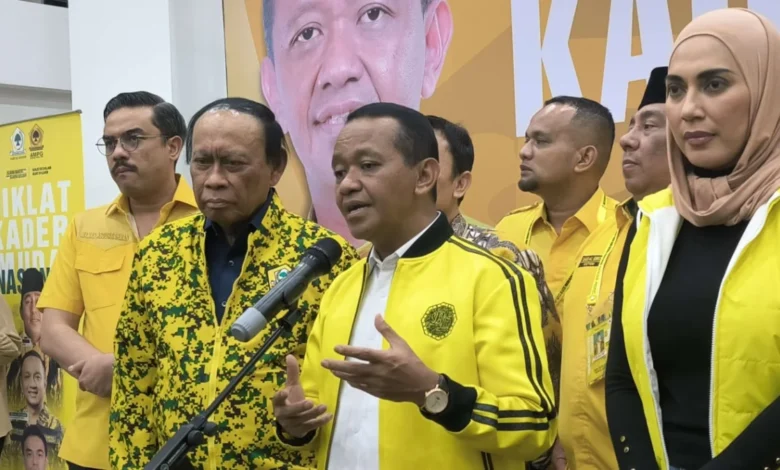
When confronted with the survey results at the Central Leadership Council (DPP) of Partai Golkar in Jakarta on October 21, 2025, Minister Bahlil Lahadalia initially stated he had not yet reviewed the findings. "I haven’t read it yet, I’ll read it first," he remarked, indicating a lack of immediate familiarity with the specific details of the Celios report. However, despite his admission of not having seen the report, Bahlil subsequently expressed confidence in his performance, asserting that his work during the first year of President Prabowo’s government had been satisfactory. "Everything is good, everything is good," he stated, maintaining an optimistic stance on his ministerial tenure. It is notable that Bahlil Lahadalia also serves as the Chairman of Partai Golkar, one of Indonesia’s largest political parties, adding another layer of political significance to his public image and performance evaluation.
Background and Context of the Prabowo Administration
President Prabowo Subianto’s cabinet officially commenced its duties following his inauguration in late 2024, marking the beginning of a new political era for Indonesia. The first year of any new administration is typically a period of intense scrutiny, as the government lays out its policy agenda, forms its bureaucratic structures, and begins to implement its campaign promises. Public and expert surveys during this initial phase are crucial barometers of public confidence and perceived effectiveness.
The Center of Economic and Law Studies (Celios) is recognized as an independent think tank that provides critical analysis on Indonesia’s economic and legal landscape. Their surveys often delve into policy implications, governance, and public perception of government performance, contributing significantly to public discourse and accountability. The use of both public opinion and expert judgment in their methodology offers a dual perspective, capturing both the grassroots sentiment and the informed views of specialists.
Challenges in the Energy and Mineral Resources Sector
Minister Bahlil Lahadalia’s portfolio at the Ministry of Energy and Mineral Resources (ESDM) is one of the most critical and complex in Indonesia. The nation, rich in natural resources, faces immense challenges in balancing economic development with environmental sustainability, energy security, and the global transition towards renewable energy. Key issues under the ESDM ministry include:
- Energy Transition: Indonesia has committed to ambitious renewable energy targets, yet remains heavily reliant on fossil fuels, particularly coal. Policies related to renewable energy development, phasing out coal, and attracting green investments are under constant review and pressure.
- Mining Sector Governance: The mining industry, including nickel, coal, and other minerals, is a significant contributor to the national economy but also a frequent source of environmental concerns, land disputes, and regulatory complexities. Transparency, equitable resource distribution, and sustainable mining practices are paramount.
- Investment Climate: Attracting foreign and domestic investment into the energy and mining sectors requires a stable regulatory environment, clear licensing processes, and competitive incentives.
- State Revenue Optimization: Ensuring that Indonesia maximizes revenue from its natural resources while preventing corruption and illicit mining activities is a continuous challenge.
- Electricity Access and Affordability: Providing reliable and affordable electricity across the vast archipelago, especially in remote areas, remains a key development goal.
Given these multifaceted challenges, a low performance rating for the ESDM minister could stem from public perceptions of slow progress on renewable energy, controversies surrounding mining permits, environmental concerns, or perceived inefficiencies in resource management. Without specific reasons cited by Celios, these remain potential areas of public concern that might have contributed to the negative scores.

Other Ministries Under Scrutiny
The inclusion of other ministers with low scores further highlights specific areas of governmental challenge:
- Minister of Human Rights Affairs (Natalius Pihai): Issues related to human rights protection, legal reforms, and addressing past human rights abuses are perennial concerns in Indonesia. A low score here could indicate public dissatisfaction with the pace or effectiveness of human rights initiatives.
- Coordinating Minister for Food Affairs (Zulkifli Hasan): Food security, price stability of staple goods, and the overall management of the agricultural supply chain are critical for public welfare. Volatility in food prices or perceived inadequacies in food distribution systems could lead to negative public sentiment.
- Minister of Tourism (Widiyanti Putri Wardhana): While Indonesia’s tourism sector is vital for economic growth, its recovery post-pandemic, infrastructure development, and promotion of sustainable tourism practices are ongoing challenges. A low score might reflect slow recovery, inadequate promotional efforts, or concerns over tourism infrastructure.
- Minister of Culture (Fadli Zon): Preserving Indonesia’s rich cultural heritage, promoting national identity, and supporting cultural industries are crucial. Public dissatisfaction might arise from perceived neglect of cultural sites, lack of support for artists, or controversies over cultural policies.
Chronology of Events
- Late 2024: President Prabowo Subianto’s administration officially takes office, inaugurating the new cabinet.
- October 2-17, 2025: Celios conducts its survey, gathering data from 1,338 respondents across Indonesia, assessing the performance of ministers during the first year of the administration.
- October 21, 2025 (Morning/Afternoon): Celios publicly releases the results of its survey, identifying Minister Bahlil Lahadalia as the lowest-ranked minister.
- October 21, 2025 (Afternoon): Minister Bahlil Lahadalia, at the DPP Partai Golkar, responds to media inquiries regarding the survey, stating he has not yet read the report but affirms confidence in his performance.
Broader Implications and Future Outlook
The Celios survey results carry significant implications for the Prabowo administration and the political landscape of Indonesia.
- Public Accountability: Such independent surveys serve as a vital mechanism for public accountability, providing objective data that can inform citizens and pressure government officials to improve performance. The negative scores indicate a need for greater transparency and more effective policy implementation in the identified ministries.
- Potential for Policy Review: The findings may prompt the administration to conduct an internal review of the policies and strategies implemented within the lower-ranked ministries. This could lead to adjustments in ministerial priorities, resource allocation, or even personnel changes in the longer term, although such decisions are typically made with careful political consideration.
- Impact on Cabinet Reshuffle Speculation: While a cabinet reshuffle is a presidential prerogative and often driven by various political factors, persistent low performance ratings, especially from credible surveys, can fuel public and media speculation about potential changes in the cabinet lineup.
- Political Standing of Bahlil Lahadalia: As Chairman of Partai Golkar, Minister Bahlil Lahadalia’s low performance rating is not just a reflection on his ministerial role but also carries weight for his political party. It could potentially impact Golkar’s public image and its standing within the ruling coalition, especially as future elections approach. His public assertion that "everything is good" might be an attempt to mitigate these broader political ramifications.
- Challenges for Administration’s Mandate: The survey highlights that even in its early stages, the Prabowo administration faces considerable challenges in meeting public expectations across several critical sectors. Addressing these perceived shortcomings will be crucial for building public trust and ensuring the successful execution of its broader national development agenda.
While digital surveys using targeted social media advertisements offer broad reach, it is also important to consider the demographics and potential self-selection bias inherent in such methodologies. However, Celios’s reputation and the inclusion of expert judgment lend considerable weight to its findings. The administration will likely need to carefully consider these results as it navigates its first term, striving to demonstrate tangible progress and restore public confidence in the performance of its key ministers. The coming months will reveal how the government responds to this critical assessment and whether these early challenges translate into significant policy shifts or strategic adjustments.