PT Indonesia Super Corridor Secures PCI DSS Certification for Tier IV Data Center, Bolstering National Digital Security Landscape

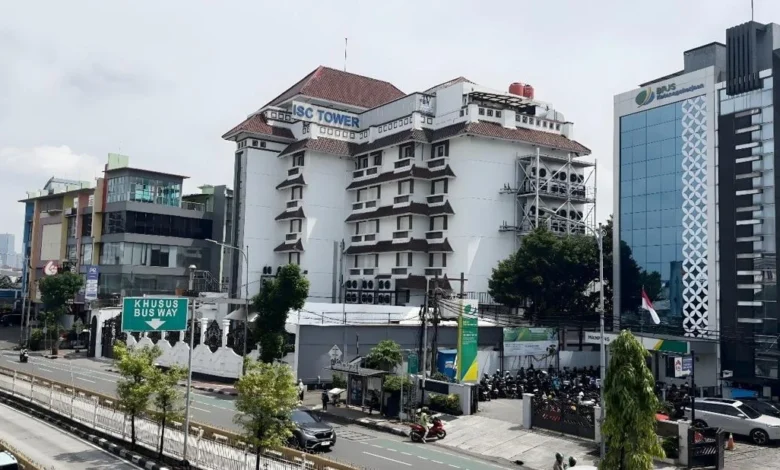
Jakarta, Indonesia – In a significant move set to redefine the competitive landscape of Indonesia’s burgeoning digital infrastructure sector, PT Indonesia Super Corridor (ISC) has officially announced the attainment of the coveted Payment Card Industry Data Security Standard (PCI DSS) certification for its state-of-the-art Tier IV Data Center located in ISC Tower, Mampang Prapatan, South Jakarta. This strategic achievement positions ISC at the forefront of secure data management solutions, particularly catering to industries with stringent data protection requirements such as financial services, payment systems, and e-commerce, which are experiencing unprecedented growth across the archipelago. The certification underscores a critical shift in the data center industry, where security and compliance are becoming as vital as raw capacity and uptime in an increasingly interconnected and threat-laden digital world.
The rapid proliferation of cloud computing, the escalating demand for artificial intelligence (AI) processing power, the explosive growth of financial technology (fintech), and the sheer volume of digital transactions have collectively placed immense pressure on digital infrastructure operators. This surge necessitates not only an expansion of capacity but, crucially, a profound enhancement of security protocols and compliance frameworks. For local data center players like ISC, achieving global benchmarks such as PCI DSS is not merely an operational upgrade but a strategic imperative to maintain and strengthen their competitive edge in a market attracting both domestic and international investments.
Understanding PCI DSS: The Gold Standard for Payment Data Security
At its core, PCI DSS is a global information security standard administered by the Payment Card Industry Security Standards Council, established by major payment card brands like Visa, Mastercard, American Express, Discover, and JCB. It outlines a set of rigorous requirements designed to ensure that all companies that process, store, or transmit credit card information maintain a secure environment. The standard comprises twelve principal requirements, broken down into hundreds of sub-requirements, covering various aspects of network security, data protection, vulnerability management, access control, regular monitoring, and information security policies.
For a data center, achieving PCI DSS certification signifies that its infrastructure, operational processes, and physical security measures meet these exacting global standards for handling sensitive payment card data. This is particularly crucial in an era where data breaches can lead to catastrophic financial losses, reputational damage, and severe legal repercussions. The certification process itself is exhaustive, involving a comprehensive assessment by a Qualified Security Assessor (QSA) approved by the PCI Security Standards Council. This independent evaluation meticulously scrutinizes every aspect of the data center’s environment, from network architecture and server configurations to personnel training and incident response plans, ensuring full adherence to the standard’s stringent controls.
ISC Founder, Benyamin P. Naibaho, emphasized the critical importance of this compliance. "We comply with and maintain all applicable PCI DSS requirements because the services we provide interact with customer cardholder data. Data protection is an essential aspect of our facility governance," Naibaho stated, as quoted from a press release. His statement highlights the intrinsic responsibility data center operators bear when entrusted with sensitive client information, particularly in sectors where data integrity directly impacts consumer trust and financial stability.
Tier IV Excellence: A Foundation for Uncompromised Security
The significance of ISC’s PCI DSS certification is further amplified by the fact that it applies to their Tier IV data center facility. The Uptime Institute’s Tier Classification System is an internationally recognized benchmark for data center reliability and performance. A Tier IV facility represents the highest level of resilience and redundancy, characterized by fault-tolerant infrastructure, allowing for any planned or unplanned activity to occur without disrupting critical operations. This means it boasts multiple active power and cooling distribution paths, multiple independent physically isolated systems, and sufficient redundancy to ensure continuous operation even during equipment failures or maintenance.
With an astonishing Service Level Agreement (SLA) of 99.995% for colocation services, a Tier IV data center translates to a maximum of approximately 26.3 minutes of downtime per year. When combined with PCI DSS, this creates a formidable offering: not only is the data center virtually impervious to outages, but it also adheres to the strictest global standards for data security. ISC’s facility, capable of housing up to 750 racks and supported by a robust 20 MW power supply, is engineered from the ground up to meet these demanding specifications, providing a secure, stable, and highly available environment for mission-critical applications. This dual achievement of Tier IV reliability and PCI DSS security positions ISC as a highly attractive partner for enterprises that cannot compromise on either uptime or data protection.
Indonesia’s Digital Transformation and the Surging Demand for Secure Infrastructure
Indonesia, Southeast Asia’s largest economy, is in the midst of a profound digital transformation. With a population exceeding 270 million and a rapidly expanding internet penetration rate, the nation’s digital economy is projected to be a significant driver of economic growth. Reports from various consulting firms consistently forecast robust growth for the Indonesian data center market, driven by several key factors:
- E-commerce Boom: Indonesia’s e-commerce sector is one of the fastest-growing globally, fueled by a young, tech-savvy population and increasing smartphone penetration. The sheer volume of online transactions necessitates secure and scalable infrastructure.
- Fintech Proliferation: The financial technology sector is rapidly innovating, offering new payment solutions, lending platforms, and digital banking services. These services inherently deal with highly sensitive financial data, making PCI DSS compliance a non-negotiable requirement for their underlying infrastructure.
- Cloud Adoption: Businesses across all sectors are increasingly migrating to cloud-based solutions, driving demand for robust, interconnected data centers that can host cloud service providers and ensure seamless data flow.
- AI and Big Data: The explosion of data and the increasing adoption of AI for analytics, automation, and personalized services require immense computational power and storage, often best delivered through high-density colocation facilities. ISC’s offering of AI-based colocation with power support up to 22 kW per rack demonstrates foresight in addressing these emerging, high-compute workload requirements.
- Government Initiatives: The Indonesian government has actively promoted digital transformation through various initiatives, including the development of a national digital economy roadmap and the push for local data residency, which further stimulates demand for domestic data center capacity.
Against this backdrop, security certifications like PCI DSS are no longer just a "nice-to-have" but an absolute necessity. In a competitive market where many operators offer similar capacities and uptime guarantees, superior security and compliance become the ultimate differentiator. Enterprise clients, particularly those operating in regulated industries, face increasing pressure from regulators and consumers to ensure the highest standards of data protection. Partnering with a PCI DSS-certified data center mitigates their own compliance burdens and significantly reduces their risk exposure.
Strategic Implications and Market Impact
ISC’s achievement of PCI DSS certification carries significant strategic implications, not only for the company but for the broader Indonesian digital ecosystem:
- Enhanced Competitive Edge: This certification immediately elevates ISC’s standing among its competitors, both local and international. It provides a tangible, verifiable assurance of security that few local players currently possess for a Tier IV facility.
- Access to High-Value Clients: The certification opens doors to a lucrative segment of the market – financial institutions, payment gateways, e-commerce giants, and other enterprises that handle sensitive payment card data. These clients often have substantial infrastructure needs and long-term contracts, representing stable and high-value revenue streams.
- Strengthening Trust and Reputation: In an era of increasing cyber threats, trust is paramount. By demonstrating adherence to global security standards, ISC builds greater credibility and trust with potential clients and the wider market.
- Contribution to National Digital Resilience: As a local operator with globally recognized security standards, ISC contributes to Indonesia’s overall digital resilience and sovereignty. It provides a secure domestic option for data storage and processing, aligning with national goals for data protection and digital independence.
- Setting Industry Benchmarks: ISC’s move may prompt other local data center operators to pursue similar certifications, thereby raising the overall security posture of Indonesia’s digital infrastructure industry. This ripple effect ultimately benefits all digital consumers and businesses in the country.
Currently, ISC operates three data center facilities across Indonesia, with two strategically located in Jakarta, the nation’s economic and digital hub, and one in Denpasar, Bali, catering to the growing digital demands of the eastern regions and potentially serving as a disaster recovery site for Jakarta-based operations. This distributed footprint, combined with its specialized AI-based colocation services, showcases ISC’s comprehensive approach to meeting diverse market needs.
The Future Landscape: Security, Scale, and Sustainability
The national data center market is poised for continued robust growth, fueled by the relentless expansion of cloud providers, hyperscalers, and the ever-increasing demands of AI workloads. In this dynamic environment, operators that can offer a compelling trifecta of substantial capacity, guaranteed uptime, and uncompromised security will undoubtedly emerge as the most competitive players.
The journey for data center operators, however, is not without its challenges. Sustaining growth requires continuous investment in cutting-edge technology, attracting and retaining skilled talent, ensuring access to reliable and green energy sources, and adapting to an evolving regulatory landscape. The convergence of these factors will dictate the long-term success of infrastructure providers.
ISC’s recent PCI DSS certification for its Tier IV data center is more than just a regulatory achievement; it is a clear declaration of intent. It signifies a profound commitment to securing Indonesia’s digital future, offering a robust and trustworthy foundation upon which the nation’s burgeoning digital economy can continue to thrive securely and reliably. As the digital frontier expands, the importance of such certifications will only intensify, making companies like ISC crucial enablers of innovation and economic growth in the digital age.