Intel Unleashes Core Ultra Processor Series in Indonesia, Heralding a New Era of AI-Powered PCs and Unprecedented Performance

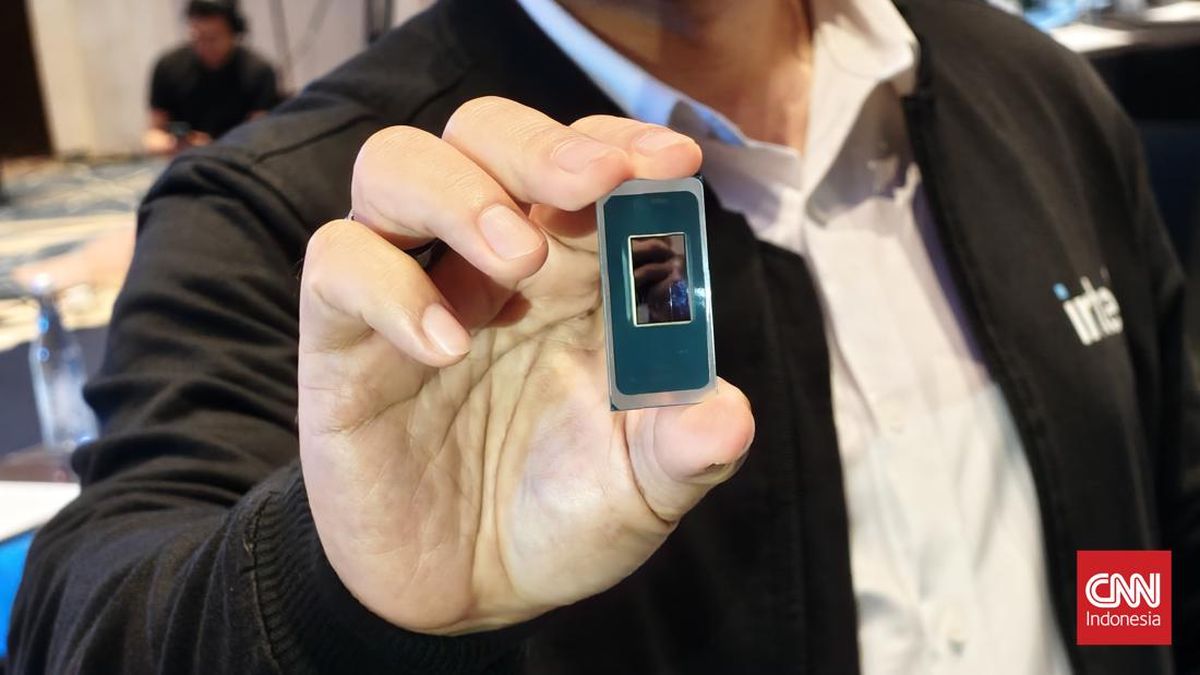
Jakarta, Indonesia – Intel has officially launched its groundbreaking Core Ultra processor series in Indonesia, marking a pivotal moment in the evolution of personal computing. The new processors, referred to as the Core Ultra Series 3 in the local market, are poised to deliver a monumental leap in performance across virtually every aspect of computing, from battery longevity and graphics capabilities to integrated artificial intelligence (AI) and overall system efficiency. This introduction is not merely an incremental upgrade but, as Intel asserts, a fundamental shift that ushers in a new paradigm for personal computers, heavily leaning into the burgeoning era of AI PCs.
George Chacko, General Manager of SEA-ANZ Sales Group at Intel, articulated the company’s vision during the product launch event in Jakarta on Wednesday, April 15th. "This is truly a new era for the PC," Chacko declared, emphasizing the transformative potential of the Core Ultra architecture. The sentiment underscores Intel’s ambitious strategy to redefine the user experience by integrating advanced AI capabilities directly into the silicon, moving beyond traditional CPU and GPU functions.
The Dawn of the AI PC Era: Redefining Computing Paradigms
The launch of the Core Ultra series signifies Intel’s aggressive push into the "AI PC" segment, a category that is rapidly gaining traction across the technology industry. For years, AI workloads were predominantly handled in the cloud, requiring constant internet connectivity and powerful remote servers. The Core Ultra changes this by embedding a dedicated Neural Processing Unit (NPU) directly into the processor. This NPU is specifically designed to accelerate AI tasks on-device, meaning computations can be performed locally, offering benefits such as enhanced privacy, reduced latency, and greater efficiency.
The integration of a CPU, GPU, and NPU on a single chip is a testament to Intel’s innovative modular architecture, often referred to as ’tiled’ or ‘chiplet’ design. This approach allows Intel to optimize each component for its specific role, delivering specialized performance where it’s needed most. The NPU, in particular, is engineered to offload AI tasks from the CPU and GPU, which traditionally handled these computations less efficiently. This not only frees up the primary processing units for other demanding tasks but also significantly reduces power consumption for AI-centric applications, thereby extending battery life.
The on-device AI capabilities unlocked by the Core Ultra series are vast and immediate. Users can expect seamless experiences with various AI tools designed to boost intelligent productivity, facilitate advanced content creation, and enable sophisticated AI-driven collaboration. Examples include real-time background blurring and noise suppression during video calls, AI-powered image and video editing, smart search functionalities, and generative AI features that can assist in writing, coding, and artistic endeavors, all running smoothly without heavy reliance on cloud services. This fundamental shift is set to empower users with more intelligent, responsive, and personalized computing experiences directly from their laptops.
Technical Prowess: Under the Hood of Core Ultra
While the local launch refers to it as "Core Ultra Series 3," globally, this first generation of Core Ultra processors is known as the Core Ultra 100 series, built on the "Meteor Lake" architecture. A key innovation highlighted by Intel is its advanced manufacturing process. The original report states the Core Ultra Series 3 is built on Intel’s latest 18A process. It is important to clarify that while "18A" represents Intel’s future, cutting-edge process node (targeting 1.8 nanometers and incorporating revolutionary technologies like RibbonFET gate-all-around transistors and PowerVia backside power delivery), the current Core Ultra (Meteor Lake) processors utilize Intel’s "Intel 4" process (equivalent to 4nm) for its compute tile, alongside other process nodes (like TSMC’s N5/N6) for its graphics, SoC, and I/O tiles within its modular design. Intel’s reference to "18A" in the context of Core Ultra signifies the company’s long-term commitment to leading-edge manufacturing and the direction its future generations of processors will take, embodying the highest level of innovation Intel has ever pursued.
This modular architecture, a departure from traditional monolithic designs, allows Intel to cherry-pick the best manufacturing processes for each specific ’tile’ or functional block of the processor. The compute tile, housing the CPU cores, benefits from Intel’s proprietary Intel 4 process, delivering significant power efficiency and transistor density improvements. The graphics tile, which sees a substantial performance boost, leverages another advanced foundry, while the SoC (System-on-Chip) and I/O tiles are optimized for low power consumption and connectivity. This hybrid approach allows Intel to accelerate its product roadmap and deliver cutting-edge performance across multiple vectors.
Chacko further underscored that these processors are meticulously engineered to eliminate the traditional trade-offs device manufacturers (OEMs) often faced. Historically, OEMs had to choose between high performance, power efficiency, thin-and-light designs, or extended battery life for their devices. "Usually, OEMs have to choose: is this a high-performance PC, is it for gaming, is it thin and light, or does it prioritize battery? With Core Ultra Series 3, the answer is all can be achieved simultaneously," he explained. This promise of "no compromise" design freedom is critical for manufacturers looking to create versatile, high-demand devices.
Unprecedented Performance Benchmarks and User Experience
The performance claims surrounding the Core Ultra series are truly impressive, signaling a significant leap forward for PC users. Intel touts a battery life of up to 27 hours in a Netflix video playback scenario, with some partner OEMs even reporting figures as high as 31 hours. Such endurance levels are transformative for mobile computing, enabling users to work, stream, and create for extended periods without constantly searching for a power outlet. This exceptional power efficiency is largely attributed to the optimized NPU handling AI tasks and the overall architectural enhancements, particularly the low-power island within the SoC tile.
Beyond battery life, the Core Ultra processors deliver substantial gains in raw computing power. Graphics performance is claimed to have increased by an astonishing 77% compared to the previous generation. This translates to smoother gaming experiences, faster video rendering, and more fluid operation of graphically intensive applications. For content creators, designers, and even casual gamers, this improvement means less waiting and more doing. Overall computational performance sees a robust 60% increase, ensuring that daily tasks, complex calculations, and multi-threaded applications run with unparalleled speed and responsiveness.
The AI capabilities are perhaps the most compelling story. The Core Ultra Series boasts a twofold increase in AI performance compared to its predecessors. The integrated NPU is capable of handling up to 50 TOPS (Tera Operations Per Second), a significant metric for on-device AI processing power. This immense capability means that laptops powered by Core Ultra can fluidly execute complex AI algorithms for tasks like advanced image recognition, natural language processing, real-time translation, and sophisticated predictive analytics, all within the confines of the device itself. This level of integrated AI accelerates the adoption of smart productivity tools, advanced content creation suites, and AI-powered collaboration platforms, directly enhancing the user’s interaction with their digital world.
Optimizing for the Future: A Robust Software Ecosystem
Intel understands that cutting-edge hardware is only as good as the software ecosystem that supports it. To that end, Chacko revealed that Intel has diligently optimized over 500 applications from more than 100 software vendors to run optimally on the Core Ultra Series. This extensive collaboration ensures that users will immediately benefit from the processor’s full potential, experiencing peak performance and efficiency from the moment they power on their devices. This proactive approach to software optimization is critical for a new architecture, especially one with a dedicated NPU, as developers need to learn how to harness these new capabilities effectively.
The widespread developer support signals a broader industry shift towards integrating AI at the core of applications. From popular productivity suites like Microsoft Office and Adobe Creative Cloud to specialized industry software, the optimizations mean that users will gain immediate access to AI-accelerated features without compatibility hurdles. This comprehensive ecosystem approach is crucial for driving mass adoption of AI PCs and demonstrating tangible benefits to end-users.
Strategic Market Positioning and Competition
The launch of the Core Ultra series is a strategic move by Intel to solidify its position in a highly competitive market. For years, Intel has faced increasing pressure from rivals like AMD, which has gained significant market share with its Ryzen processors, and Apple, whose ARM-based M-series chips have redefined performance-per-watt in the premium laptop segment. The Core Ultra, with its modular design and integrated NPU, represents Intel’s robust answer to these challenges.
The focus on AI PCs is particularly timely, aligning with Microsoft’s broader "Copilot+" PC initiative, which aims to leverage on-device AI for a new generation of Windows experiences. Intel’s Core Ultra processors are perfectly positioned to power these next-generation devices, offering the hardware foundation necessary for advanced AI features within the Windows ecosystem. This strategic alignment with Microsoft, a long-standing partner, is vital for Intel to maintain its dominance in the PC space.
Furthermore, the introduction of AI PCs is expected to stimulate a new refresh cycle in the PC market. After a pandemic-driven surge, PC sales have seen a slowdown. The allure of AI-powered capabilities, offering genuinely new user experiences and efficiencies, is anticipated to encourage consumers and businesses to upgrade their aging hardware, thereby injecting new vitality into the market. Intel aims to lead this resurgence by offering a compelling value proposition that combines raw power, efficiency, and intelligent features.
Global Rollout and Local Impact: The Indonesia Launch
The Indonesian launch of the Core Ultra series is part of a broader global rollout initiated in late 2023. Intel typically phases its product introductions, starting with key global markets and then expanding to regional territories. The Jakarta event underscores the strategic importance of the Indonesian market, not just as a significant consumer base but also as a growing hub for technology adoption in Southeast Asia.
Indonesia, with its large and digitally active population, represents a substantial opportunity for Intel and its OEM partners. The demand for advanced computing solutions, particularly those that can enhance productivity and support creative endeavors, is on the rise. By bringing its latest technology to Indonesia, Intel aims to empower local consumers and businesses with tools that can drive innovation and accelerate digital transformation across various sectors.
OEM Partnerships and Immediate Availability
A critical aspect of any major processor launch is the immediate availability of devices powered by the new technology. Intel has secured strong partnerships with leading original equipment manufacturers (OEMs) to ensure a wide array of laptops equipped with Core Ultra processors are available from day one. In Indonesia, consumers and businesses can now purchase Core Ultra-powered laptops from renowned brands such as ASUS, Acer, Dell, HP, Lenovo, and MSI. These devices are available through major retailers across the country, offering diverse options to cater to various user needs and budgets.
These partnerships are mutually beneficial. For Intel, it ensures broad market penetration and showcases the versatility of the Core Ultra platform across different form factors and product lines. For OEMs, it provides access to cutting-edge technology that enables them to differentiate their products in a crowded market, offering superior performance, battery life, and AI capabilities that appeal to modern consumers. The immediate availability across multiple vendors signals strong industry confidence in Intel’s latest offering and its potential to reshape the PC landscape.
Challenges and Future Outlook
Despite the significant advancements, Intel’s Core Ultra journey is not without its challenges. The adoption rate of AI features will heavily depend on developers continuing to innovate and create compelling applications that leverage the NPU effectively. While 500+ optimized applications is a strong start, sustained developer engagement will be key. Furthermore, educating consumers about the tangible benefits of an "AI PC" over traditional laptops will be crucial for driving demand.
Looking ahead, the Core Ultra series is just the beginning of Intel’s long-term roadmap for AI-centric computing. Future generations of Core Ultra processors are expected to further enhance AI capabilities, integrate even more advanced manufacturing processes like 18A, and continue to push the boundaries of performance and efficiency. Intel’s commitment to innovation, coupled with its strategic partnerships and a clear vision for the AI PC era, positions the company to maintain its leadership in the semiconductor industry and shape the future of personal computing for years to come.
In conclusion, the launch of Intel’s Core Ultra processor series in Indonesia is more than just a product release; it’s a declaration of a new computing era. With its integrated NPU, unprecedented performance gains, and commitment to a comprehensive software ecosystem, Core Ultra is poised to transform how users interact with their PCs, making them smarter, more efficient, and more capable than ever before. This marks a significant milestone for Intel, its partners, and ultimately, for every PC user.