Universitas Prasetiya Mulya Secures Prestigious AACSB Global Impact Award for Exemplary Community Development Program

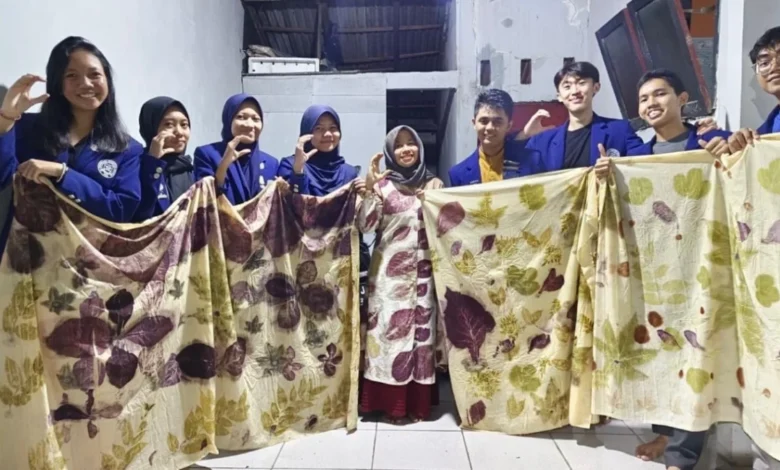
Seattle, Washington – Universitas Prasetiya Mulya, a leading institution in Indonesia, has achieved significant international recognition by winning a coveted Global Impact Award from AACSB International, the world’s largest business education alliance. The award, presented in the inaugural year of the program, honors the university’s innovative Community Development (COMDEV) program for its profound and measurable societal impact, particularly in strengthening micro and small enterprises (MSMEs) in rural areas across Indonesia. This prestigious accolade underscores Prasetiya Mulya’s commitment to integrating real-world problem-solving with academic excellence, setting a new benchmark for business education globally.
The Global Impact Awards, established by AACSB International in 2026, aim to acknowledge business schools that are driving positive change and addressing critical societal challenges through their educational programs, research, and community engagement. Universitas Prasetiya Mulya’s COMDEV program was recognized in the highly competitive category of "Societal Impact: Addressing Regional or Local Challenges," a testament to its innovative approach and tangible outcomes. The evaluation criteria for this award were stringent, focusing on the program’s ingenuity, its demonstrably measurable impact on local communities, and its potential for sustainable, long-term contributions to social and economic development.
The Global Impact Award: A Beacon for Societal Contribution
AACSB International stands as the gold standard for business school accreditation, connecting educators, students, and businesses worldwide to create the next generation of great leaders. With over 950 accredited business schools in more than 60 countries and territories, an AACSB accreditation signifies a commitment to the highest standards of quality and continuous improvement in business education. The introduction of the Global Impact Awards reflects AACSB’s evolving vision, moving beyond traditional academic metrics to emphasize the broader societal contributions of business schools. These awards are designed to highlight how business education can serve as a powerful engine for progress, addressing pressing global issues such as poverty, inequality, and sustainable development. By recognizing initiatives like Prasetiya Mulya’s COMDEV program, AACSB aims to inspire other institutions to amplify their social impact and integrate community engagement more deeply into their curricula and strategic objectives.
The significance of winning an AACSB Global Impact Award cannot be overstated. It places Universitas Prasetiya Mulya among an elite group of institutions globally that are not only delivering high-quality business education but are also actively shaping a better future. For a university in a developing economy like Indonesia to receive such recognition is particularly noteworthy, demonstrating that impactful innovation can emerge from diverse global contexts and contribute to universal goals.
Universitas Prasetiya Mulya’s COMDEV Program: A Deep Dive into Innovation
At the heart of Universitas Prasetiya Mulya’s success is its Community Development (COMDEV) program, an initiative meticulously designed to bridge academic theory with practical application in community empowerment. The program’s core objective is to foster sustainable growth for micro and small enterprises in Indonesia’s rural landscapes, which often face significant hurdles in accessing resources, market linkages, and contemporary business knowledge. Indonesia’s MSME sector is a vital component of its economy, contributing over 60% to the national GDP and employing more than 97% of the total workforce. Despite their significant role, many MSMEs, especially those in rural and remote areas, struggle with limited capital, lack of technological adoption, insufficient marketing capabilities, and a dearth of skilled human resources. The COMDEV program directly targets these systemic challenges.
One of the program’s most distinguishing features is its "living lab" approach. This methodology moves beyond conventional classroom learning, immersing students directly into the communities they aim to serve. Instead of theoretical case studies, students engage with real-world problems faced by local entrepreneurs, collaborating with them to develop practical and sustainable solutions. This hands-on experience allows students to apply their business acumen in a tangible setting, gaining invaluable insights into the complexities of rural economies and the socio-cultural dynamics that influence business success. For the communities, the "living lab" acts as a direct conduit for knowledge transfer, bringing fresh perspectives, innovative strategies, and contemporary business practices directly to small business owners who might otherwise lack access to such expertise.
Through COMDEV, students work on diverse projects ranging from financial literacy training and business model innovation to digital marketing strategies and product development. They help local artisans refine their craft for broader markets, assist farmers in optimizing their supply chains, and empower small food producers to enhance their branding and packaging. The program emphasizes a collaborative model, ensuring that solutions are co-created with the community members, thereby fostering ownership and long-term sustainability. This approach ensures that the interventions are culturally sensitive, economically viable, and truly responsive to the specific needs of the local populace.
A "Living Lab" Approach: Bridging Academia and Community
The "living lab" model adopted by Universitas Prasetiya Mulya’s COMDEV program represents a paradigm shift in business education. It transforms students from passive recipients of knowledge into active agents of change. This pedagogical innovation offers multiple benefits:
- Enhanced Learning Outcomes: Students develop critical thinking, problem-solving, leadership, and communication skills in a real-world context. They learn empathy, cultural sensitivity, and adaptability, attributes that are crucial for future leaders in a globalized world.
- Direct Community Impact: Local entrepreneurs receive direct, tailored assistance from bright, motivated students and their supervising faculty. This support often translates into improved business operations, increased sales, better market access, and ultimately, enhanced livelihoods.
- Sustainable Development: By focusing on capacity building and knowledge transfer, the program aims to create self-reliant communities. The goal is not just to provide immediate solutions but to equip local entrepreneurs with the skills and tools to sustain and grow their businesses independently.
- Research and Innovation: The "living lab" environment also serves as a fertile ground for faculty research, generating new insights into rural development, entrepreneurship, and inclusive economic growth. This research, in turn, informs future program design and policy recommendations.
The success stories emanating from the COMDEV program are numerous. For instance, in one village, students helped a group of women entrepreneurs formalize their batik cooperative, streamline their production process, and launch an online store, leading to a significant increase in their income and market reach. In another instance, the program assisted coffee farmers in improving their cultivation techniques and processing methods, enabling them to command higher prices for their specialty beans in both domestic and international markets. These tangible results underscore the program’s effectiveness in fostering inclusive economic growth and empowering marginalized communities.
Official Voices: Recognition and Vision
Handyanto Widjojo, the Dean of the School of Business and Economics at Universitas Prasetiya Mulya, articulated the profound significance of this international recognition. "This award is a global acknowledgment of our unwavering commitment to leveraging education as a powerful instrument for creating tangible impact within society," Widjojo stated in his remarks, which were quoted on Thursday, April 16, 2026. "Through our COMDEV program, we are not merely cultivating academically proficient students; we are shaping future leaders who possess a deep understanding of, and the capability to respond to, the complex real-world challenges on the ground. Moving forward, we are resolutely committed to expanding the reach and depth of this program, ensuring it contributes even more significantly to inclusive economic development across Indonesia." His statement reflects the university’s holistic vision, emphasizing that academic rigor must be coupled with social responsibility to produce graduates who are not only successful in their careers but also conscientious global citizens.
Echoing this sentiment, Lily Bi, President and CEO of AACSB International, also extended her appreciation for Prasetiya Mulya’s achievement. "The Global Impact Awards unequivocally affirm the dedication of Universitas Prasetiya Mulya’s School of Business and Economics to generating meaningful impact through business education," Bi remarked. She further emphasized that such initiatives serve as compelling exemplars for the future trajectory of business education. "AACSB eagerly anticipates the continued growth and expanding influence of this program," Bi added, highlighting the alliance’s belief in the replicability and scalability of successful social impact models within the global business education landscape. Her words underscore the strategic importance of programs like COMDEV in redefining the role of business schools as catalysts for positive societal change.
Global Recognition and Rigorous Selection
The Global Impact Awards are distinguished by their highly competitive nature and a rigorous selection process. In its inaugural year (2026), only 27 individuals and institutions, representing 16 countries across the globe, were selected for this honor. This exclusivity speaks volumes about the quality and impact required to be recognized by AACSB International. The selection committee, composed of esteemed academics and industry leaders, meticulously evaluated each submission based on its innovation, documented results, and potential for sustained positive change. Universitas Prasetiya Mulya’s triumph among such a diverse and distinguished pool of global contenders further solidifies its position as a frontrunner in socially responsible business education. The winners of these prestigious awards are slated to receive formal acknowledgment during the International Conference and Annual Meeting of AACSB 2026, which took place in Seattle, Washington, from April 13 to 15, 2026. This formal ceremony provided a global platform for these pioneering institutions to share their best practices and inspire a broader movement towards impactful business education.
Chronology of the Achievement
- 2025 (Inferred): AACSB International announces the establishment of the Global Impact Awards, inviting submissions from accredited and recognized institutions worldwide. Universitas Prasetiya Mulya prepares and submits its detailed application showcasing the COMDEV program’s success and impact.
- Late 2025 – Early 2026 (Inferred): Rigorous evaluation and selection process by AACSB’s judging panel.
- April 13-15, 2026: The International Conference and Annual Meeting of AACSB 2026 is held in Seattle, Washington, where the award recipients, including Universitas Prasetiya Mulya, receive official recognition.
- Thursday, April 16, 2026: Universitas Prasetiya Mulya officially announces its achievement to the public, disseminating the news of its Global Impact Award.
Broader Implications: A New Paradigm for Business Education
The recognition of Universitas Prasetiya Mulya’s COMDEV program carries significant implications, not only for the university itself but also for the broader landscape of business education and economic development.
- For Universitas Prasetiya Mulya: This award elevates the university’s global standing, enhancing its reputation as a center of excellence in innovative and socially responsible business education. It will likely attract more talented students seeking a holistic education that combines academic rigor with practical community engagement. Furthermore, it could open doors for international collaborations, research partnerships, and increased funding opportunities for its social impact initiatives.
- For Indonesian Education: Prasetiya Mulya’s success serves as an inspiring precedent for other Indonesian universities. It demonstrates that local challenges can be addressed with world-class solutions, encouraging other institutions to prioritize community engagement and develop their own impactful programs. This could foster a more vibrant ecosystem of socially conscious higher education across the archipelago.
- For the MSME Sector: The award brings international attention to the critical role of MSMEs in Indonesia and highlights successful models for their empowerment. This visibility could stimulate greater support from government bodies, NGOs, and private sector entities, potentially leading to increased investment and policy initiatives aimed at strengthening the backbone of the Indonesian economy.
- For AACSB and Global Business Education: By honoring programs like COMDEV, AACSB reinforces its commitment to promoting social responsibility as a core tenet of business education. It encourages a shift from a purely profit-driven mindset to one that balances economic success with societal well-being, fostering a new generation of business leaders who are equipped to address complex global challenges.
Connecting to Global Goals: Sustainable Development Impact
The COMDEV program’s work aligns seamlessly with several of the United Nations Sustainable Development Goals (SDGs), demonstrating its contribution to a global agenda for a better and more sustainable future.
- SDG 1: No Poverty: By empowering MSMEs and improving livelihoods in rural areas, COMDEV directly contributes to poverty reduction.
- SDG 4: Quality Education: The "living lab" approach offers high-quality, relevant education that equips students with practical skills and fosters a sense of social responsibility.
- SDG 8: Decent Work and Economic Growth: The program strengthens local economies by enhancing the capacity of small businesses, creating employment opportunities, and promoting inclusive economic growth.
- SDG 9: Industry, Innovation, and Infrastructure: COMDEV encourages innovation within MSMEs and helps them adopt better business practices and technologies.
- SDG 10: Reduced Inequalities: By focusing on rural and often marginalized communities, the program helps to reduce socio-economic disparities.
- SDG 17: Partnerships for the Goals: The collaborative model between academia and community exemplifies effective partnerships for achieving sustainable development.
Looking Ahead: Expanding the Reach of Impact
Universitas Prasetiya Mulya’s achievement is not merely a celebration of past accomplishments but a catalyst for future endeavors. The university is now poised to further expand the reach and impact of its COMDEV program, potentially through scaling up existing initiatives, exploring new geographical areas, or diversifying its focus to address other pressing social and economic issues. This recognition provides both validation and motivation to continue innovating in the realm of community engagement and responsible leadership development. The journey of transforming business education into a force for global good has just received a significant boost, with Universitas Prasetiya Mulya leading the way from the heart of Indonesia to the world stage.