Alleged Infant Swap Incident at RSHS Bandung Unearths Wider Concerns Over Patient Safety and Hospital Accountability

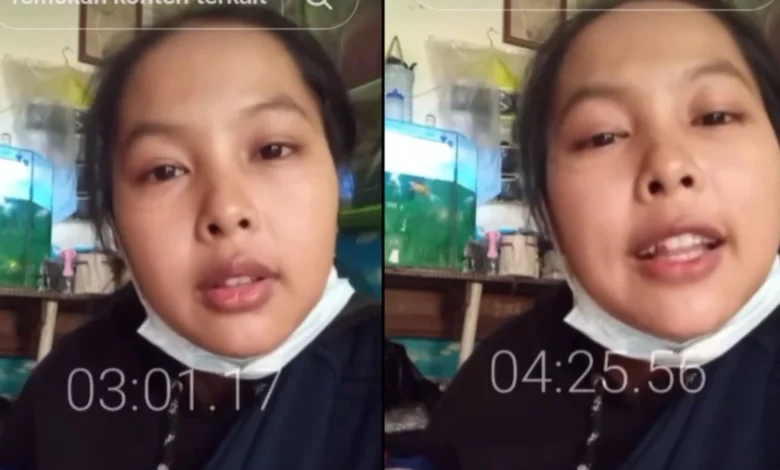
The traumatic experience of Nina Saleha, whose newborn baby was reportedly almost swapped or abducted at RSUP dr. Hasan Sadikin (RSHS) Bandung in April 2026, has ignited a firestorm of public concern, drawing widespread attention to critical lapses in patient identification protocols and raising troubling questions about the recurrence of similar incidents at the prominent West Java referral hospital. This alarming event, first brought to light by Saleha herself, has transcended a singular case of alleged negligence, evolving into a broader discourse on healthcare security, the psychological impact on victims, and the imperative for robust institutional accountability.
The Incident Unfolds: A Mother’s Ordeal
The harrowing account provided by Nina Saleha, a 27-year-old mother, detailed a near-catastrophic error that unfolded in the maternity ward of RSHS Bandung. According to her narrative, her infant was almost mistakenly discharged with another family, a situation she attributes directly to gross negligence in the hospital’s handling of newborn identification. The core of her distress stems from the alleged mishandling of her baby’s identification bracelet – a crucial safety measure designed to prevent such mix-ups. Saleha claims the bracelet, which should serve as the primary identifier, was inexplicably cut and transferred, leading to a precarious situation where her baby’s identity became compromised.
The incident reportedly escalated into a tense confrontation within the hospital’s care unit. Nina Saleha found herself in a desperate struggle to retain her baby amidst the confusion, facing the horrifying prospect of her child being taken home by individuals who were not its biological parents. This moment of profound vulnerability and confusion has since become a stark symbol of the alleged systemic failures that allowed such an event to transpire in a major medical institution.
A Wider Pattern of Concern: Echoes of Past Incidents
What began as a personal trauma for Nina Saleha quickly spiraled into a more significant public issue when her story resonated with numerous individuals who came forward with their own alleged experiences of similar infant mix-ups or disappearances at the same hospital. The influx of these anecdotal reports, reportedly received by Saleha after she publicly shared her ordeal, suggests a potentially deeper, unaddressed issue within RSHS regarding patient safety and identification protocols for newborns. These "deretan pesan masuk," or numerous incoming messages, as described, have amplified the public’s alarm, transforming a single incident into an urgent call for a comprehensive investigation into the hospital’s operational integrity. The revelation of these alleged prior cases has deepened Saleha’s already profound trauma, turning her personal nightmare into a public rallying cry for accountability and systemic change.
Chronology of a Near Catastrophe: April 2026
The timeline surrounding Nina Saleha’s case underscores the rapid progression from a private, terrifying incident to a widely publicized controversy.
- Early April 2026: Nina Saleha delivers her baby at RSUP dr. Hasan Sadikin (RSHS) Bandung. Soon after the birth, the alleged incident occurs where her baby’s identification bracelet is reportedly mishandled, leading to the near-swapping or abduction of her child by another family. The precise date of the incident within April is not specified but is confirmed to be within that month.
- Following the Incident (Early-Mid April 2026): In the immediate aftermath, Nina Saleha experiences severe psychological distress, including difficulty sleeping, loss of appetite, and profound shock. Her family and legal counsel, Ibu Mira, begin to assess the situation and plan for public disclosure.
- Mid-April 2026: Nina Saleha makes the courageous decision to go public with her story, initially through her own spontaneous video testimony, which quickly goes viral across social media platforms. Her raw and emotional account captures public attention, sparking outrage and empathy.
- Thursday, April 16, 2026 (or around this date): Nina Saleha, accompanied by her legal counsel Ibu Mira, appears on the popular podcast "Curhat Bang Densu," hosted by Denny Sumargo. During this candid conversation, she recounts the full horrifying details of her experience. Ibu Mira provides further context, explaining her involvement and emphasizing the authenticity and gravity of Nina’s claims. This podcast appearance significantly amplifies the reach of her story, bringing it to a national audience and solidifying its status as a major news event.
- Subsequent Days (Late April 2026 onwards): Following the podcast, an outpouring of support for Nina Saleha begins. Crucially, numerous individuals reportedly contact her, claiming to have experienced similar incidents of infant mix-ups or disappearances at RSHS in the past, lending significant weight to the call for a thorough and independent investigation into the hospital’s practices. Public pressure mounts on RSHS and relevant health authorities to address the allegations comprehensively.
The Psychological Toll: A Mother’s Lingering Trauma
The psychological aftermath of the incident has been devastating for Nina Saleha. Her lawyer, Ibu Mira, vividly described Nina’s condition during the podcast, noting a stark decline in her mental well-being since the events unfolded. "Her condition on Saturday [after the incident was different] compared to when she spoke up, Bang," Ibu Mira explained to Denny Sumargo. "At that time, she was completely silent, like someone in shock. I asked, ‘Why? Why?’ Her in-laws, husband, and relatives were there. I was told, ‘Oh, she can’t sleep, she can’t eat because of that incident, Bang.’"
This description paints a grim picture of post-traumatic stress. Experiencing the near loss of one’s child due to alleged negligence is an profoundly traumatic event, capable of triggering severe anxiety, depression, and even Post-Traumatic Stress Disorder (PTSD). Symptoms such as insomnia, loss of appetite, heightened vigilance, and emotional numbness are consistent with acute stress reactions following a life-threatening or deeply distressing event. The added burden of knowing that similar incidents might have occurred further exacerbates her distress, transforming her individual trauma into a collective fear that resonates deeply within the community.
Hospital Protocols and Patient Safety: A Critical Examination
The incident at RSHS Bandung brings into sharp focus the critical importance of stringent patient safety protocols, particularly concerning newborn identification in maternity wards. Standard hospital procedures globally mandate the use of multiple identifiers for newborns, typically including:
- Identification Bracelets: These are usually applied to both the baby and the mother immediately after birth, often with matching unique numbers or codes.
- Footprints and Fingerprints: Many hospitals take footprints of newborns and fingerprints of mothers for additional verification.
- Digital Photography: Some institutions use digital photos as part of the identification process.
- Staff Vigilance: Continuous training and adherence to strict protocols by medical staff are paramount.
The alleged failure involving the identification bracelet at RSHS is particularly alarming because this simple device is considered one of the most fundamental safeguards against infant mix-ups. The claim that it was "digunting dan berpindah tangan" (cut and transferred) suggests a severe breach of protocol, whether due to human error, deliberate misconduct, or a flawed system. Such an incident not only endangers the individual child and family but also erodes public trust in the healthcare system’s ability to protect its most vulnerable patients.
Official Responses and Investigations: Demands for Transparency
Following the widespread publicity of Nina Saleha’s case, pressure has mounted on RSUP dr. Hasan Sadikin and the Ministry of Health to provide clear, transparent, and comprehensive responses. While specific official statements from RSHS are not detailed in the initial reports, logical inferences suggest that the hospital would likely initiate an internal investigation. This investigation would ideally aim to:
- Establish a factual chronology: Determine exactly what transpired, who was involved, and what protocols were breached.
- Identify root causes: Go beyond immediate errors to uncover systemic weaknesses in training, supervision, or existing procedures.
- Implement corrective actions: Develop and enforce stricter protocols to prevent recurrence.
- Offer redress and support: Provide support to Nina Saleha and her family, potentially including psychological counseling and addressing any legal claims.
The Ministry of Health, as the overarching regulatory body, would also be expected to intervene. Their role would include:
- Overseeing the hospital’s investigation: Ensuring its thoroughness and impartiality.
- Issuing directives: Mandating reviews of newborn identification protocols across all hospitals.
- Reassuring the public: Communicating commitment to patient safety and accountability.
Patient advocacy groups and legal experts, like Ibu Mira, play a crucial role in ensuring that these investigations are not merely superficial. They advocate for victims, push for transparency, and ensure that accountability extends to all levels of the institution.
Legal Ramifications and Advocacy: Seeking Justice and Systemic Change
The involvement of legal counsel, Ibu Mira, signals the potential for significant legal action against RSUP dr. Hasan Sadikin. Cases involving medical negligence, especially those impacting newborns, can lead to:
- Civil lawsuits: Seeking compensation for emotional distress, psychological trauma, and any related damages.
- Professional disciplinary action: Against any medical staff found to be directly responsible for negligence.
- Regulatory sanctions: Imposed by health authorities if systemic failures are identified.
Ibu Mira’s statement, emphasizing the spontaneity and authenticity of Nina’s video ("polos gitu. Berarti ini ada sesuatu yang dia enggak bohong, enggak fitnah kan. Yang dia ceritakan itu yang dia alami di situ, gitu"), highlights the strength of Nina’s testimony as credible evidence. Legal efforts will likely focus on proving negligence, breach of duty of care, and the direct link between the hospital’s actions (or inactions) and Nina’s trauma. Beyond individual compensation, such legal challenges often aim for broader systemic change, compelling institutions to revise and strengthen their safety protocols.
Broader Implications for Healthcare Trust: Eroding Public Confidence
Incidents like Nina Saleha’s have far-reaching implications for public trust in healthcare institutions. Hospitals are perceived as sanctuaries of healing and safety, especially for the most vulnerable patients like newborns. When this trust is breached, particularly in such a sensitive area, it can lead to:
- Increased anxiety among expectant parents: Fear of similar incidents can overshadow the joyous experience of childbirth.
- Hesitancy in seeking care: A general erosion of confidence might lead individuals to question the quality and safety of medical services.
- Demands for greater transparency and accountability: The public will expect more than just apologies; they will demand verifiable improvements and punitive measures for negligence.
In Indonesia, where healthcare access and quality are continuously improving, such high-profile incidents can set back efforts to build a robust and trusted public health system. It underscores the need for hospitals not only to provide excellent medical care but also to ensure impeccable operational security and patient management.
Preventative Measures and Future Outlook: Reinforcing Safeguards
To restore public confidence and prevent future occurrences, RSUP dr. Hasan Sadikin and other healthcare facilities must consider a multi-pronged approach to reinforcing their patient safety protocols:
- Technology Integration: Exploring advanced identification systems, such as RFID tags or biometric scanners, for newborns and mothers.
- Enhanced Staff Training: Regular, mandatory training for all maternity ward staff on identification protocols, emergency procedures for mix-ups, and the psychological impact of such errors.
- Auditing and Oversight: Implementing independent, regular audits of patient identification processes to identify weaknesses proactively.
- Clear Reporting Mechanisms: Establishing accessible and transparent channels for patients and staff to report safety concerns without fear of reprisal.
- Patient Education: Clearly communicating identification procedures to expectant parents, empowering them to actively participate in ensuring their baby’s safety.
- Psychological Support: Ensuring that comprehensive psychological support is available for victims of medical errors and their families.
The case of Nina Saleha at RSHS Bandung serves as a potent reminder of the fragility of patient safety and the profound responsibility of healthcare providers. It is a clarion call for immediate, decisive action to investigate thoroughly, hold accountable those responsible, and implement robust, preventative measures to ensure that no other family has to endure the terrifying ordeal of nearly losing their child due to alleged institutional negligence. The public now watches, awaiting not just answers, but tangible proof of systemic change that prioritizes the safety and well-being of every patient.