Socio Today
The Indonesian Ministry of Foreign Affairs has issued a stern condemnation following the interception and seizure of a humanitarian aid convoy by the Israeli military in the Eastern Mediterranean. Among those detained is Bambang Noroyono, a senior journalist from the Indonesian daily Republika, who was documenting the mission. As of Monday, May 18, the Indonesian government confirmed that contact with the vessel carrying Noroyono has been lost, and his current status remains unverified following the military intervention.
The Global Sumud Flotilla (GSF) 2.0, an international coalition of activists and aid workers, was reportedly intercepted by Israeli Defense Forces (IDF) in the waters near Cyprus. Yvonne Mewengkang, a spokesperson for the Ministry of Foreign Affairs (Kemlu), stated that at least ten vessels associated with the flotilla have been seized. The situation remains highly fluid, with Indonesian officials working through diplomatic channels to ascertain the safety and whereabouts of their citizens involved in the mission.
Chronology of the Interception
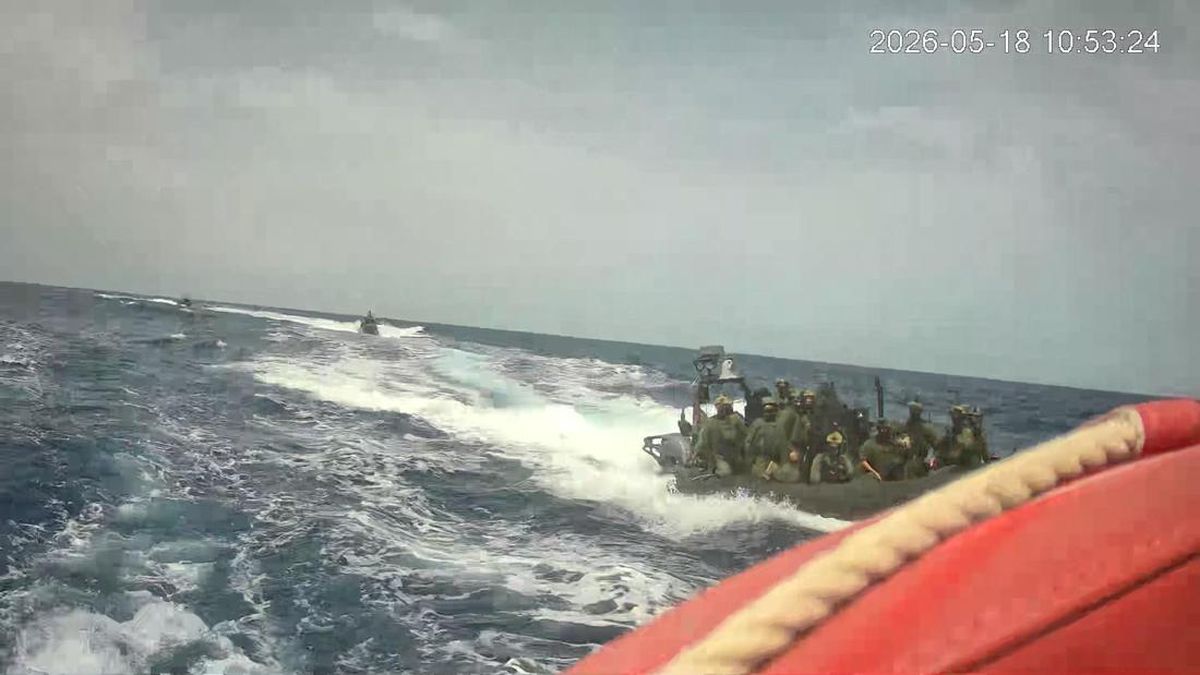
The Global Sumud Flotilla 2.0 set sail with the objective of delivering essential humanitarian supplies to the Gaza Strip, aiming to bypass the long-standing maritime blockade. According to reports from the coalition, the mission was intercepted in international waters during the daylight hours. The IDF reportedly deployed four warships to surround the flotilla, issuing orders for the civilian vessels to cut their engines before elite units boarded the lead ships.
Bambang Noroyono, known by his colleagues as Abeng, managed to transmit a distress signal before communication was severed. In a brief SOS video obtained by Republika, Noroyono described the situation as a "kidnapping" by the Israeli military. In the footage, he appealed directly to the Indonesian government, stating, "If you find this video, please convey to the government of the Republic of Indonesia that I am currently being kidnapped by the Israeli military. I ask the government to secure my release from the captivity of the Zionist occupation forces."
The interception reportedly took place off the coast of Cyprus, a strategic maritime corridor for aid delivery. Following the seizure, Israeli media outlets indicated that the detained activists and their vessels would be escorted to the Port of Ashdod, Israel’s largest maritime hub, for processing and potential deportation or further detention.
Profile of the Global Sumud Flotilla 2.0
The term "Sumud" is an Arabic concept meaning "steadfastness," often used to describe Palestinian resilience. The GSF 2.0 is a successor to various maritime challenges to the blockade of Gaza that have occurred over the past two decades. This specific mission involved approximately 100 activists from various nationalities, including doctors, human rights defenders, and members of the press.
The mission’s primary cargo included medical supplies, food staples, and construction materials intended for the civilian population in Gaza. Organizers emphasized that the mission was purely humanitarian and non-violent, designed to draw international attention to the deteriorating conditions in the Palestinian territories. However, the Israeli government has historically viewed such flotillas as a violation of its security protocols and a challenge to its sovereign right to inspect all goods entering the blockaded zone.
Official Response from the Indonesian Government
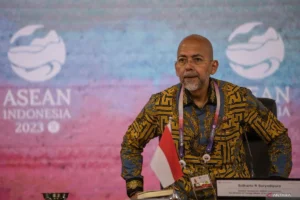
The Indonesian Ministry of Foreign Affairs has taken a firm stance against the military action. Yvonne Mewengkang emphasized that the interception of a humanitarian mission in international waters is a violation of international norms. "The Ministry of Foreign Affairs strongly condemns the actions of the Israeli military in intercepting the ships belonging to the Global Sumud Flotilla 2.0," she stated.
In addition to the condemnation, Indonesia has issued a formal demand for the immediate release of all humanitarian workers, journalists, and vessels currently in Israeli custody. The Indonesian government, which does not maintain formal diplomatic relations with Israel, is coordinating with international organizations and neutral third-party nations to facilitate communication with the Israeli authorities.
"The situation on the ground is dynamic, and we are anticipating all possible developments," Mewengkang added. "Our priority is the safety and well-being of the Indonesian citizens involved, particularly Mr. Bambang Noroyono, whose role as a journalist should grant him protection under international humanitarian law."
The Legal and Humanitarian Context
The interception of the GSF 2.0 raises significant questions regarding maritime law and the protections afforded to journalists in conflict zones. Under the Geneva Conventions, journalists engaged in dangerous professional missions in areas of armed conflict are considered civilians and must be protected as such. The detention of a member of the press during a humanitarian mission is often viewed by international watchdogs as an infringement on the freedom of information.
Furthermore, the legal status of the blockade of Gaza remains a point of intense international debate. While Israel maintains the blockade is a necessary security measure to prevent the smuggling of weapons, various United Nations bodies and human rights organizations have characterized it as a form of collective punishment that stifles the local economy and prevents the delivery of life-saving aid.
Historically, the most notable precedent for this incident is the 2010 Mavi Marmara raid, where an Israeli commando operation on a Turkish-led flotilla resulted in the deaths of ten activists. That event led to a severe diplomatic crisis and a temporary easing of the land blockade. The current interception of the GSF 2.0, though not immediately reported to have resulted in fatalities, underscores the ongoing tensions inherent in maritime aid efforts.
Humanitarian Conditions in Gaza
The urgency of the Global Sumud Flotilla 2.0 is underscored by the dire humanitarian statistics emerging from the Gaza Strip. According to recent reports from the United Nations Office for the Coordination of Humanitarian Affairs (OCHA), over 80% of the population in Gaza is dependent on international aid for survival. The region faces chronic shortages of electricity, clean water, and essential medicines.
The healthcare system in Gaza is reportedly on the brink of collapse, with hospitals operating at double their capacity while lacking basic surgical supplies. Humanitarian organizations argue that land crossings, such as Rafah and Kerem Shalom, are insufficient to meet the volume of aid required, necessitating the opening of sea routes to prevent a widespread famine and medical catastrophe.
Analysis of Implications
The detention of Bambang Noroyono and the seizure of the GSF 2.0 vessels carry several geopolitical implications:
- Diplomatic Pressure on Indonesia: As a staunch supporter of the Palestinian cause, Indonesia finds itself in a challenging position to negotiate the release of its citizens without direct diplomatic channels. This incident may prompt Jakarta to seek greater involvement from the United Nations or regional partners like Turkey or Qatar.
- Safety of Media Personnel: This incident adds to a growing list of journalists detained or harmed while covering the Israel-Palestine conflict. Press freedom advocacy groups, such as the Committee to Protect Journalists (CPJ) and Reporters Without Borders (RSF), are expected to monitor the case closely, as the detention of a foreign journalist could set a concerning precedent for international reporting in the region.
- Future of Maritime Aid: The repeated interception of flotillas suggests that the sea remains a contested space for humanitarian delivery. While these missions often fail to reach Gaza’s shores, they succeed in generating significant international media coverage and diplomatic friction, forcing the international community to re-examine the legality and ethics of the blockade.
Conclusion and Ongoing Monitoring
The Indonesian government remains in a state of high alert as it awaits further information from the Port of Ashdod. The editorial board of Republika has also expressed deep concern for their colleague, asserting that Noroyono was performing his professional duties to provide the public with an objective view of the humanitarian crisis.
As the Global Sumud Flotilla 2.0 activists are processed by Israeli authorities, the international community will be watching for signs of transparency and adherence to international legal standards. For Indonesia, the safe return of Bambang Noroyono is not only a matter of citizen protection but also a significant test of its diplomatic influence in a region where it holds no formal ties but maintains a profound moral and political interest.
The Ministry of Foreign Affairs has pledged to provide regular updates as more information becomes available. For now, the focus remains on re-establishing contact with the seized vessels and ensuring that the humanitarian workers and journalists are treated humanely and released without delay.