Socio Today
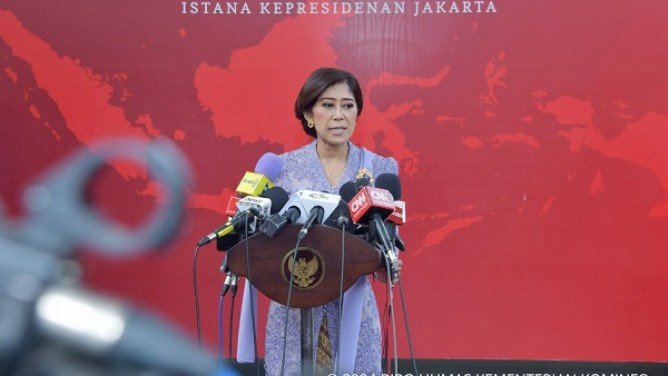
Upon her inauguration as the Minister of Communication and Digital (Menkomdigi) in October 2024, Meutya Hafid immediately articulated a clear set of commitments and strategic priorities for her tenure. Foremost among these was the unequivocal declaration to eradicate online gambling, an issue that has escalated into a pervasive societal threat across Indonesia. This commitment forms a cornerstone of her broader agenda, which also encompasses crucial initiatives such as the regulation of cellular SIM card usage, expanding internet access nationwide, fortifying personal data protection, and cultivating a secure digital environment, particularly for children. The fight against online gambling, or "judol" as it is commonly known, is not merely a policy objective but a critical endeavor to dismantle a deep-seated social malaise that underpins a myriad of serious problems within the community. The minister, representing the Golkar Party, underscored the gravity of this mission by mandating officials within the Ministry of Communication and Digital to sign an integrity pact, symbolizing their collective resolve to support and actively participate in the eradication efforts.
The urgency surrounding the eradication of online gambling stems from its profound and multifaceted detrimental impacts. Beyond being a mere social ill, online gambling has been identified as a significant catalyst for severe societal problems. Its insidious grip often leads to financial ruin for individuals and families, pushing many into insurmountable debt. This desperation frequently precipitates a surge in criminal activities, including theft, fraud, and other illicit acts, as victims seek desperate means to recoup losses or sustain their addiction. Furthermore, online gambling systematically erodes family structures, fostering discord, neglect, and psychological distress. The mental health consequences for addicts are dire, often manifesting as severe anxiety, depression, and even suicidal ideation. Perhaps most alarmingly, the proliferation of online gambling poses a grave threat to the future of Indonesia’s youth, trapping them in cycles of debt and addiction that compromise their educational prospects, career development, and overall well-being. The alarming trend of increasing online gambling activity in Indonesia underscores the critical need for robust and coordinated governmental intervention.
The Alarming Scale of Online Gambling in Indonesia
The pervasive nature of online gambling in Indonesia is starkly illustrated by a disturbing array of statistics. Data released by the Financial Transaction Reports and Analysis Centre (PPATK) paints a grim picture of the financial flows associated with this illicit activity. Between 2017 and the third quarter of 2025, the total turnover from online gambling transactions surged to an staggering Rp1,032 trillion (approximately USD 65 billion), involving over 259 million individual transactions. This monumental figure highlights the vast economic scale of the problem and the enormous profits being siphoned away from the legitimate economy.
Further compounding these concerns, the Financial Services Authority (OJK) reported a dramatic surge in suspicious financial transactions linked to online gambling. In 2025 alone, such transactions skyrocketed by an alarming 260.03%. This upward trend continued unabated into early 2026, with online gambling-related reports consistently dominating the landscape of suspicious financial activities. These figures are particularly ironic and disheartening given the sustained efforts by the Indonesian government over several years to combat online gambling.
A Chronology of Government Efforts and Evolving Strategies
The government’s multifaceted campaign against online gambling predates Meutya Hafid’s appointment, signifying a long-standing national concern. In June 2024, the government established the Task Force for the Eradication of Online Gambling (Satgas Judi Online), led by the Coordinating Minister for Political, Legal, and Security Affairs. This task force was mandated to conduct legal operations targeting various aspects of online gambling. Its operational scope included freezing suspicious bank accounts, cracking down on the illicit buying and selling of bank accounts used for gambling, and addressing transactions related to online game top-ups facilitated through minimarkets, which were often exploited as conduits for gambling funds.
Complementing the efforts of the Satgas, the OJK intensified its actions in September 2024, urging banks to promptly follow up on customer complaints regarding account blockages related to online gambling activities. This measure aimed to streamline the process of disrupting financial channels used by gambling operators and players.
The Ministry of Communication and Digital (Komdigi) has also been at the forefront of this battle, employing technical measures to restrict access to gambling platforms. From October 2024 to July 12, 2026, Komdigi reported taking down approximately 3.7 million online gambling sites and related content. In a collaborative effort with the OJK, Komdigi also identified around 38,000 bank accounts suspected of being linked to online gambling activities. Following a rigorous cleansing process, approximately 32,500 of these accounts were successfully closed, severing vital financial lifelines for gambling networks.
Despite these extensive and coordinated efforts, the government readily acknowledges the formidable challenge in eradicating online gambling. The persistent growth of the phenomenon, even in the face of concerted interventions, points to deep-seated issues that make it exceedingly difficult to combat effectively.
Understanding the Intractable Challenges in Eradication
The battle against online gambling in Indonesia is fraught with significant complexities, making its eradication a monumental task. Experts and government officials have identified six primary factors contributing to the persistence of this illicit industry:
- Indonesia as a Growing Market: With its vast population and increasing internet penetration, Indonesia presents an exceptionally attractive and continually expanding market for online gambling operators. The sheer number of potential users makes it a lucrative target.
- Loyal User Base: Many individuals who fall victim to online gambling develop strong addictions, creating a loyal and persistent user base that is difficult to break away from. The psychological aspects of addiction contribute significantly to this factor.
- Low Traffic Costs: The relative affordability of internet access in Indonesia, combined with the ease of accessing online platforms, makes it cheap for operators to attract and maintain user traffic.
- Massive Social Media Promotion: Online gambling platforms heavily leverage social media channels for aggressive and pervasive advertising. These promotions often target vulnerable demographics, using sophisticated marketing tactics to entice new players.
- Alluring Promises of Victory: The core appeal of gambling lies in the illusion of quick and substantial financial gains. Operators exploit this by constantly promoting stories of big wins, creating false hope and drawing in individuals struggling financially.
- Offshore Servers and Operations: Perhaps the most significant hurdle is the fact that the majority of online gambling centers and servers are located outside Indonesia’s jurisdiction.
The "Cut One, Two Grow" Phenomenon: The Challenge of Offshore Operations
The decentralized and extraterritorial nature of online gambling operations represents the most formidable obstacle to effective eradication. The adage "Mati Satu Tumbuh Seribu" (Cut One, Two Grow) perfectly encapsulates this challenge. Operators of online gambling sites typically base their operations in countries where gambling is legal or where regulatory oversight is lax, such as the Philippines, Cambodia, and Vietnam. While their target audience and many of their agents may be Indonesian-speaking individuals within Indonesia, the core infrastructure, management, and financial hubs are strategically located beyond the reach of Indonesian law enforcement.
This geographical separation means that even with aggressive efforts by authorities like the Indonesian National Police and Komdigi to block or take down gambling-related websites, new sites inevitably emerge with remarkable speed. The government lacks direct access or legal authority over these foreign-based servers, rendering domestic blocking efforts akin to a game of whack-a-mole. Furthermore, attempts to circumvent access through free Virtual Private Networks (VPNs) are largely ineffective because the fundamental issue remains the offshore location of the servers, making it impossible to dismantle the root infrastructure. This cycle of blocking and re-emergence often leaves authorities feeling that their efforts, while necessary, are ultimately insufficient in achieving a lasting impact.
The Evolving Threat: Cryptocurrency and Fund Concealment
The complexity of combating online gambling has been further exacerbated by the increasing sophistication of perpetrators in concealing their illicit funds. Komdigi has openly acknowledged that tracking financial flows associated with online gambling has become progressively difficult. This is primarily due to a significant shift in transaction patterns, with perpetrators increasingly utilizing crypto assets, particularly for transferring funds internationally.
Teguh Arifiyadi, the Director of Supervision of Electronic Certification and Transactions at Komdigi, revealed in July 2025 that online gambling perpetrators have transitioned to using crypto addresses to obscure the trail of their funds. He explained that previously, gambling funds were often deposited directly into local bank accounts, making them relatively easier to trace. However, perpetrators now opt to convert their illicit gains into crypto assets before transferring them overseas. This shift poses a substantial challenge for law enforcement. "The process of tracing crypto transactions requires more sophisticated instruments and takes longer compared to conventional banking transactions," Teguh stated, highlighting the technological and investigative hurdles. The inherent pseudonymity and decentralized nature of many cryptocurrencies provide a layer of obfuscation that traditional banking systems do not, allowing for faster, less traceable cross-border transfers of illicit wealth.
Meutya Hafid’s Strategic Pivot: A Collaborative Ecosystem Approach
Recognizing the limitations of a solely access-blocking approach and the persistent challenges, Minister Meutya Hafid announced a significant strategic shift in the government’s battle against online gambling. Instead of solely focusing on blocking websites, the new strategy aims to target the entire digital crime ecosystem that supports online gambling operations. This pivot reflects an understanding that a more holistic and integrated approach is essential to achieve meaningful success.
Meutya Hafid emphasized that the eradication of online gambling must be comprehensive, extending beyond mere site access termination to encompass the entire ecosystem of digital criminality. "The eradication of online gambling must be comprehensive; it is not enough or should not stop only at terminating site access, but the entire ecosystem," she asserted during the OJK Banking Forum 2026. The forum, themed "Strengthening Information Technology Governance in Banking and Enhancing Efforts to Eradicate Financial Crime and Online Gambling in the Digital Era," was held at Bank Indonesia’s office in Central Jakarta on Tuesday, July 14, 2026.
This new approach critically involves intensified collaboration with the OJK and the banking sector. The synergy is reinforced by the mandate of Law No. 4 of 2026 concerning the Development and Strengthening of the Financial Sector (P2SK). This landmark legislation specifically provides a legal framework for the formation of inter-ministerial and inter-agency task forces dedicated to the comprehensive eradication of online gambling. "Law No. 4 of 2026 strengthens synergy between institutions in eradicating online gambling. This serves as a foundation so that its handling is not done individually, but integrated from access termination, fund cutoff, to law enforcement," Meutya explained.
The minister stressed the imperative of severing the financial lifelines that sustain online gambling networks. This involves aggressively blocking "neck" accounts – the primary collection and distribution points for illicit funds. "Access termination to sites must be accompanied by amputating the ‘neck’ of the online gambling ecosystem, namely the holding accounts. Therefore, the collaboration between Komdigi, OJK, the banking industry, and law enforcement agencies is key to breaking this chain of crime," she firmly stated. This strategic shift acknowledges that without disrupting the financial infrastructure, operators can simply re-establish their online presence, rendering other efforts less impactful. By targeting the financial arteries, the government aims to inflict a more debilitating blow to the operational capabilities of these illicit networks.
Broader Implications and The Road Ahead
The effectiveness of Meutya Hafid’s new, more integrated strategy, which leans heavily on financial disruption and inter-agency collaboration, remains to be seen. The shift from a reactive blocking approach to a proactive ecosystem-wide attack is a logical progression given the persistent challenges. However, the sheer scale of the problem, coupled with the adaptability of online gambling networks and their exploitation of new technologies like cryptocurrency, suggests that the battle will be long and arduous.
The ongoing struggle against online gambling has significant implications for Indonesia’s digital future and social stability. If left unchecked, the rampant spread of gambling addiction could undermine economic productivity, exacerbate social inequalities, and place immense strain on public services. The government’s commitment to creating a "safe digital space," especially for children, is directly challenged by the pervasive availability of online gambling content. Success in this fight would not only alleviate immense social suffering but also bolster public trust in the government’s ability to protect its citizens in the digital realm.
Furthermore, the fight against online gambling is intrinsically linked to other digital agenda items, such as data protection and SIM card registration. Robust data protection measures are essential to prevent the misuse of personal information by gambling operators, while stringent SIM card regulations can help curb the creation of anonymous accounts used for illicit activities. International cooperation will also be paramount, as the offshore nature of these operations necessitates collaborative efforts with other nations to target the source of these illicit networks.
The question of whether Meutya Hafid’s comprehensive strategy will ultimately prove effective in "amputating" the practice of online gambling is one that only time will answer. Despite numerous sincere efforts by the government, the tangible results, from the perspective of the average citizen, have yet to fully materialize. The persistent challenge raises critical questions about the efficacy of current policies and the deep-seated nature of the problem. Has Minister Meutya Hafid, despite her unwavering commitment, truly failed to deliver on her promise to eradicate online gambling since her inauguration? As members of Indonesian society, citizens are ultimately empowered to evaluate the progress and impact of these ongoing efforts. The path forward demands sustained vigilance, continuous adaptation, and unwavering resolve to protect the nation from the pervasive threat of online gambling.