Socio Today
The contemporary global landscape has witnessed a profound transformation in the prioritization of personal assets, with the millennial generation increasingly favoring "experience capital" over traditional material wealth. This paradigm shift, often categorized under the umbrella of "Lifestyle Traveling," marks a departure from the financial philosophies of previous generations, where the accumulation of tangible assets such as real estate and luxury vehicles served as the primary indicators of success. In the modern era, the pursuit of diverse cultural encounters, geographical exploration, and personal growth through travel has become a mandatory component of the youth identity, driven by the conviction that the dividends of travel—memories, adaptability, and global perspective—provide a more sustainable form of long-term value than stagnant financial investments.
The Socio-Economic Context of the Experience Economy
To understand the rise of travel as a lifestyle, one must examine the socio-economic environment that shaped the millennial and Gen Z cohorts. Unlike the Baby Boomer generation, which entered a post-war economy characterized by relative stability and accessible housing markets, today’s young adults face a landscape of fluctuating inflation, soaring real estate prices, and a gig-based labor market. Consequently, many have pivoted away from traditional milestones that seem increasingly unattainable, choosing instead to invest their disposable income in experiences that offer immediate psychological and social returns.
Market research indicates that this shift is not merely a passing trend but a structural change in consumer behavior. According to data from various global tourism monitors, millennials now account for approximately 20% of all international tourists, spending an estimated $200 billion annually. This demographic is characterized by a desire for authenticity, a rejection of "cookie-cutter" tourism, and a preference for destinations that offer a blend of natural beauty and cultural depth. The integration of advanced technology—ranging from high-speed mobile internet to social media platforms—has further catalyzed this movement, allowing travelers to document their journeys and find inspiration in real-time, thereby creating a self-sustaining cycle of global exploration.
Psychological Foundations: Moving Beyond the Comfort Zone
The transition toward a travel-centric lifestyle requires more than just financial resources; it demands a significant psychological recalibration. For many young adults, the decision to prioritize travel is an exercise in breaking free from the "safe zone" or the predictable confines of domestic life. This behavioral shift is often motivated by a search for self-identity. By navigating unfamiliar territories and facing the logistical challenges inherent in international travel, individuals are forced to confront their limitations and cultivate a sense of resilience.
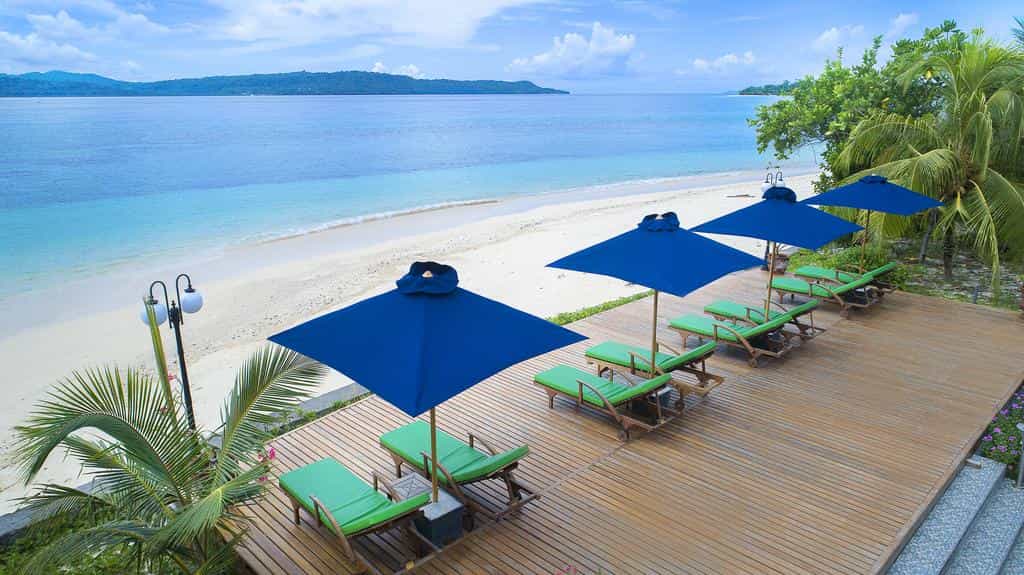
Experts in behavioral psychology suggest that the "uncertainty" of travel acts as a catalyst for neuroplasticity and cognitive flexibility. When a traveler is removed from their routine environment, the brain is forced to process new stimuli, languages, and social norms. This process of "finding one’s true self" through exploration is a recurring theme in the millennial narrative. It is no longer about the destination itself, but about the transformation that occurs within the traveler during the journey.
Strategic Implementation of a Travel-Oriented Lifestyle
Transitioning from a traditional lifestyle to one centered on travel involves several strategic phases. Based on observed trends among successful long-term travelers and digital nomads, three core principles have emerged as essential for sustaining this lifestyle without succumbing to burnout or financial ruin.
1. Cultivating Mental Fortitude and Proactive Decision-Making
The most significant barrier to lifestyle travel is often the hesitation to begin. Many prospective travelers wait for a "perfect" moment—usually defined by a specific level of savings or a gap in career obligations—that rarely materializes. The current trend among youth advocates for a "survive and adapt" mentality. This involves strengthening one’s resolve and initiating travel with existing resources rather than waiting for an idealized future.
In a journalistic context, this is viewed as the "democratization of travel." It is no longer an activity reserved for the elite. Through the use of budget airlines, hostels, and work-exchange programs, the barrier to entry has lowered. However, the requirement for courage remains high. Travelers must be willing to sacrifice certain domestic comforts in exchange for the "investment of experience," acknowledging that the risks of the "outside world" are often exaggerated by those who remain stationary.
2. Embracing Fluidity and Agile Planning
A common pitfall in modern travel is the tendency to over-schedule. In a professionalized travel lifestyle, the emphasis is shifting toward "slow travel" and agile planning. While a basic itinerary is necessary for logistics, a rigid adherence to a timetable can lead to missed opportunities and increased stress. The most impactful travel experiences often occur during unplanned encounters—a conversation with a local artisan, a spontaneous detour to a hidden village, or an unexpected festival.

Journalistic analysis of travel patterns suggests that those who "follow the flow" of their surroundings report higher levels of satisfaction and lower levels of travel fatigue. By remaining open to the conditions of the environment, travelers can better appreciate local wisdom and "kearifan lokal" (local heritage). This flexibility allows the traveler to transition from being a mere spectator to an active participant in the local ecosystem.
3. Developing Cross-Cultural Adaptability
As travel becomes a permanent fixture of one’s lifestyle, the ability to adapt to diverse social structures becomes a critical skill. This goes beyond basic survival; it involves "Cultural Intelligence" (CQ). A lifestyle traveler must be able to navigate varying social etiquettes, linguistic nuances, and cultural taboos.
This adaptability serves as a "hidden weapon" in the modern professional world. Employers are increasingly valuing the soft skills gained through travel—problem-solving, empathy, and the ability to work in multicultural environments. Therefore, the "investment" in travel is not just for personal enjoyment but functions as a form of professional development that prepares individuals for a globalized workforce.
Economic Implications and Industry Responses
The shift toward lifestyle travel has forced a massive reconfiguration of the global hospitality and service sectors. Traditional hotels are being challenged by the rise of "co-living" spaces designed for digital nomads who require high-speed internet and communal areas. Similarly, the "experience economy" has given rise to platforms that connect travelers with local guides for niche activities, moving away from mass-market sightseeing.
Furthermore, the impact on the real estate market is notable. In urban centers across Southeast Asia, Europe, and Latin America, there is a visible trend of young professionals opting for long-term rentals or flexible housing rather than committing to 30-year mortgages. This mobility allows them to relocate based on seasonal preferences or economic advantages, effectively decoupling their identity from a single geographic location.

Analysis of Long-Term Impacts
The long-term implications of this lifestyle shift are twofold. On a personal level, individuals who prioritize travel in their youth often report a more profound sense of fulfillment and a broader understanding of global issues, such as climate change and economic inequality, having witnessed these realities firsthand. They build a "reservoir of memories" that serves as psychological capital in their later years.
On a societal level, the rise of the lifestyle traveler promotes a more interconnected world. However, it also presents challenges, including the environmental impact of increased air travel and the "gentrification" of popular destinations. As more millennials and Gen Z individuals adopt this lifestyle, the conversation is shifting toward "Sustainable Lifestyle Travel"—finding ways to explore the world while minimizing the ecological footprint and ensuring that tourism revenues benefit local communities directly.
Conclusion
The transition from a material-based lifestyle to an experience-based one is a defining characteristic of the current generation. By viewing travel not as a luxury or a temporary escape, but as a continuous process of learning and self-discovery, young adults are redefining what it means to live a successful life. Through the strengthening of mental resolve, the adoption of flexible planning, and the cultivation of cultural adaptability, "Lifestyle Traveling" has evolved into a sophisticated pursuit of global citizenship. As the world continues to shrink through technological advancement, the value of these lived experiences will likely continue to outpace the value of material possessions, cementing travel’s role as the ultimate investment for the modern era.