Socio Today
The Japanese government and emergency services are on high alert as an unprecedented heatwave continues to grip the archipelago, leading the Fire and Disaster Management Agency (FDMA) to officially classify the extreme weather event as a natural disaster. This designation comes as temperatures in several metropolitan and rural areas have breached the 40-degree Celsius mark, a threshold that triggers extreme health risks for the general population. In Tokyo alone, the municipal fire department reported that 453 individuals were rushed to hospitals on Wednesday, July 22, due to heat-related illnesses, marking one of the most significant single-day tallies in recent years. The severity of the situation is underscored by the tragic loss of life and a growing number of patients in critical condition, prompting authorities to issue urgent, nationwide directives regarding hydration and the use of climate control systems.
The current meteorological crisis reached a peak on Thursday, July 23, when at least six different regions across Japan recorded temperatures of 40 degrees Celsius or higher. The city of Hamamatsu, located in the central Shizuoka Prefecture, emerged as the hottest point in the country, with mercury levels hitting a blistering 41.1 degrees Celsius. This figure matches previous all-time records for the nation, highlighting the exceptional nature of the current atmospheric conditions. Other significantly affected areas included Toyota City in Aichi Prefecture, which recorded 40.8 degrees Celsius, and Kuwana in Mie Prefecture, which saw temperatures climb to 40.7 degrees Celsius. These extreme readings have forced the Japan Meteorological Agency (JMA) to utilize the term "kokushobi," which translates to "extremely hot day," to describe temperatures exceeding 40 degrees, a category that was once a rarity but is becoming increasingly frequent in the Japanese summer.
Chronology of the Heatwave and Emergency Response
The onset of this extreme heat began in mid-July, following the end of the traditional rainy season (tsuyu). As the seasonal rains subsided, a powerful high-pressure system settled over the islands, preventing cooler air from circulating and allowing solar radiation to intensify. By the third week of July, the heat had transitioned from a seasonal inconvenience to a public health emergency. The Fire and Disaster Management Agency noted that the rapid escalation in temperatures caught many residents off guard, particularly those in urban centers where the "heat island effect" prevents nighttime cooling.
On Wednesday, the Tokyo Fire Department, which manages the world’s largest ambulance fleet, faced an immense strain on its resources. Of the 453 people hospitalized in the capital, one fatality was confirmed, while four individuals remained in critical condition and 18 others were listed in serious condition. The victims span all age groups, but the elderly remain the most vulnerable demographic. In Tokyo, a city of 14 million people, the density of the population and the prevalence of concrete infrastructure exacerbate the physiological toll of the heat, as buildings and roads absorb thermal energy during the day and radiate it back throughout the night.
In response to the mounting casualties, a spokesperson for the Tokyo Fire Department issued a stern warning via international and domestic news outlets, including AFP. "We are seeing a direct correlation between the rising mercury and the number of emergency calls. We implore the public to stay hydrated, avoid unnecessary outdoor activities during peak sun hours, and, most importantly, to use air conditioning without hesitation," the spokesperson stated. This advice is particularly directed at the elderly population, some of whom are traditionally reluctant to use electric cooling systems due to concerns over utility costs or a cultural preference for natural ventilation, which is ineffective when ambient temperatures exceed body temperature.
Meteorological Factors and the "Disaster" Designation
The decision by the FDMA to label the heatwave a "disaster" is a significant administrative move that allows for better coordination between local governments and national relief agencies. "It is no exaggeration to call this extreme heat a disaster," the agency said in an official statement. "With so many people being rushed to hospitals and a rising death toll, we must treat this with the same level of urgency as a flood or an earthquake."
Meteorologists point to a "two-layered" high-pressure system as the primary cause of this phenomenon. Japan is currently positioned under both the Pacific High-pressure system and the Tibetan High-pressure system. When these two systems overlap, they create a "pressure cooker" effect, trapping hot air near the surface and preventing the formation of clouds that might otherwise provide shade or rain. This meteorological configuration is known for producing the most intense heatwaves in East Asia and is often linked to broader shifts in global climate patterns.
The introduction of the term "kokushobi" (extremely hot day) this year reflects a growing need for more precise language to warn the public. Previously, the term "moushoubi" (intense heat day) was used for temperatures above 35 degrees Celsius. However, with 40-degree days becoming a recurring threat, health experts argued that a new category was necessary to signal the life-threatening nature of the weather. At 40 degrees Celsius, the human body’s ability to cool itself through perspiration is severely compromised, especially in the high humidity common to the Japanese summer.
Supporting Data and Demographic Vulnerability
Statistical data from the Ministry of Health, Labour and Welfare suggests that heatstroke (netsuchusho) has become one of the leading causes of weather-related mortality in Japan. Over the past decade, the number of heat-related hospitalizations has trended upward, correlating with a steady increase in average summer temperatures. Japan’s unique demographic profile—having one of the highest proportions of citizens over the age of 65 in the world—adds a layer of complexity to the crisis. Older adults often have a diminished thirst reflex and a reduced physiological capacity to regulate body temperature, making them susceptible to heat exhaustion and heatstroke even while indoors.
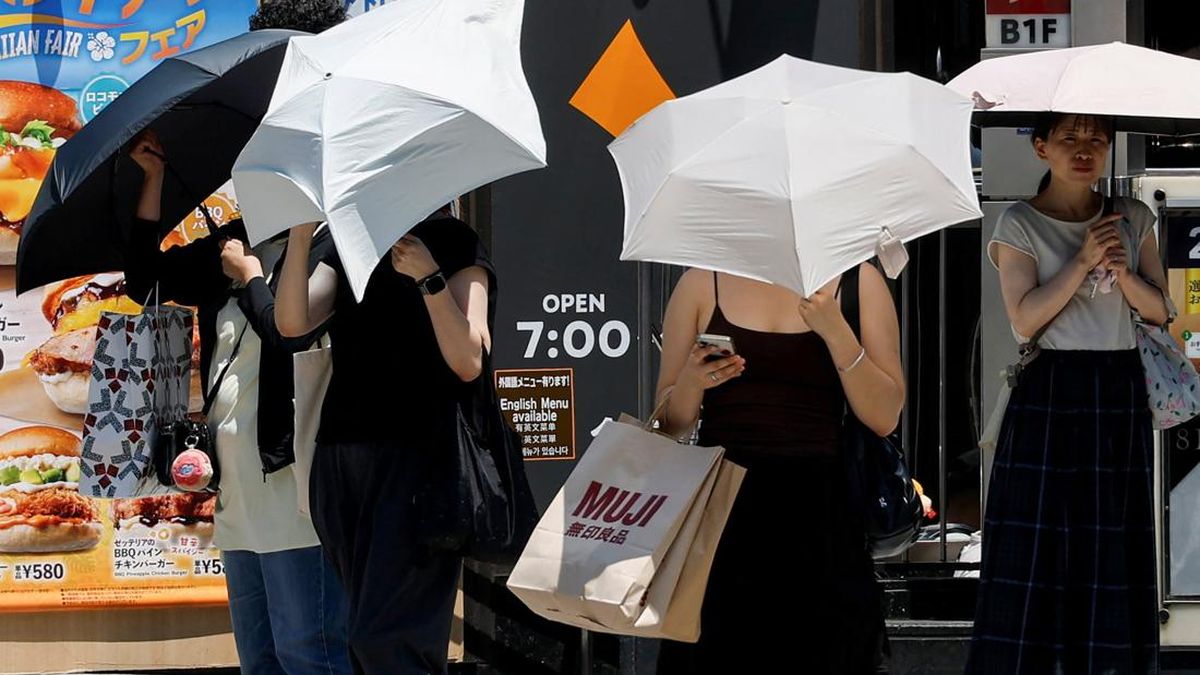
According to FDMA records from previous years, nearly 50% of heatstroke victims are aged 65 or older. Furthermore, a significant portion of these incidents occurs inside residential homes, debunking the myth that staying indoors is inherently safe without active cooling. In the current heatwave, emergency services have noted that many of the "serious" and "critical" cases involved elderly residents who were found in homes where the air conditioning was either turned off or set to an insufficient level.
The economic impact is also substantial. As the heatwave persists, the demand for electricity has surged to near-capacity levels. Utility companies, such as Tokyo Electric Power Company (TEPCO), have had to manage record-breaking loads as millions of households and businesses run cooling systems simultaneously. While the government has previously asked for energy conservation (setsuden), the current health risk has shifted the narrative. Authorities are now explicitly telling citizens that their health must take priority over energy-saving measures.
Public Health Recommendations and Infrastructure
To combat the "disaster," Japanese municipalities have implemented several emergency measures. "Cooling shelters" have been established in public libraries, community centers, and shopping malls, providing air-conditioned spaces for those who may not have adequate cooling at home. Additionally, the "Heatstroke Alert" system, a joint venture between the Ministry of the Environment and the JMA, provides real-time updates and "Heat Stress Index" (WBGT) readings to smartphones across the country.
The WBGT index is a more comprehensive measure than simple temperature, as it accounts for humidity, wind speed, and solar radiation. When the index reaches a certain level, schools are mandated to cancel outdoor physical education, and construction companies are encouraged to halt outdoor labor. During this week’s peak, the WBGT index in many parts of central Japan reached "Danger" levels, suggesting that even healthy individuals are at risk of heatstroke during manual labor or exercise.
Public health officials recommend a multi-pronged approach to survival:
- Hydration and Electrolytes: Drinking water alone is often insufficient during extreme sweating; officials recommend drinks containing salt and sugar to maintain electrolyte balance.
- Environment Management: Using blinds or curtains to block direct sunlight and maintaining indoor temperatures below 28 degrees Celsius.
- Community Vigilance: Checking on elderly neighbors and relatives who live alone.
- Early Recognition: Identifying symptoms such as dizziness, muscle cramps, headache, and nausea, which are the first signs of heat exhaustion.
Broader Implications and Analysis
The current crisis in Japan is not an isolated event but part of a broader trend of intensifying global heatwaves. Scientific analysis suggests that the frequency and intensity of such events are being exacerbated by anthropogenic climate change. For a country like Japan, which is already prone to natural disasters like typhoons and earthquakes, the "silent disaster" of extreme heat presents a new and persistent challenge to national resilience.
The implications for urban planning are significant. The "kokushobi" phenomenon is forcing architects and city planners to rethink urban design. This includes increasing "green coverage" (trees and parks) to provide natural cooling, using "cool roof" technologies that reflect rather than absorb sunlight, and designing buildings that facilitate better natural airflow. In the long term, the Japanese government may need to invest more heavily in energy infrastructure to ensure that the grid can handle the "new normal" of summer demand without the risk of blackouts.
Furthermore, the agricultural sector is facing its own set of challenges. Extreme heat can lead to crop failure, affecting the supply of staples like rice and seasonal vegetables. Farmers in regions like Aichi and Shizuoka are reporting difficulties in maintaining livestock and crop health, which could lead to increased food prices in the coming months.
As the heatwave is expected to continue through the end of the month, the Japanese public remains in a state of high vigilance. The FDMA and JMA continue to monitor atmospheric conditions, providing hourly updates to a nation that is currently fighting an invisible but deadly foe. The designation of this heatwave as a disaster serves as a stark reminder that as the global climate shifts, the definitions of safety and emergency response must evolve to protect the most vulnerable members of society. For now, the priority remains clear: preventing further loss of life through education, emergency medical intervention, and the widespread adoption of life-saving cooling technologies.