Socio Today
Jakarta, Indonesia – A recent analysis by InfluenceMap, a climate and finance think tank, has leveled significant criticism against major Japanese automotive manufacturers, including Toyota, Honda, and Suzuki, as well as the Indonesian automotive industry association, Gaikindo. The report alleges that these entities have actively lobbied for policies between 2023 and 2026 that impede Indonesia’s transition to electric vehicles (EVs), potentially prolonging the nation’s reliance on imported fossil fuels.
The findings, presented by Muhammad Risky, an Indonesian analyst at InfluenceMap, suggest that these industry players have employed a strategy that prioritizes internal combustion engine (ICE) vehicles, including hybrids, over fully electric alternatives. This approach, according to Risky, runs counter to Indonesia’s national goals of achieving energy independence and decarbonizing its transportation sector.
"Indonesia’s dependence on fuel imports makes the decarbonization of the transportation sector and energy security two inseparable issues," Risky stated during an online briefing on Friday, July 24th. "The government has recognized this and made energy self-sufficiency one of its national objectives. However, many proposals from the industry are pointing in the opposite direction, prolonging Indonesia’s dependence on foreign fossil fuels."
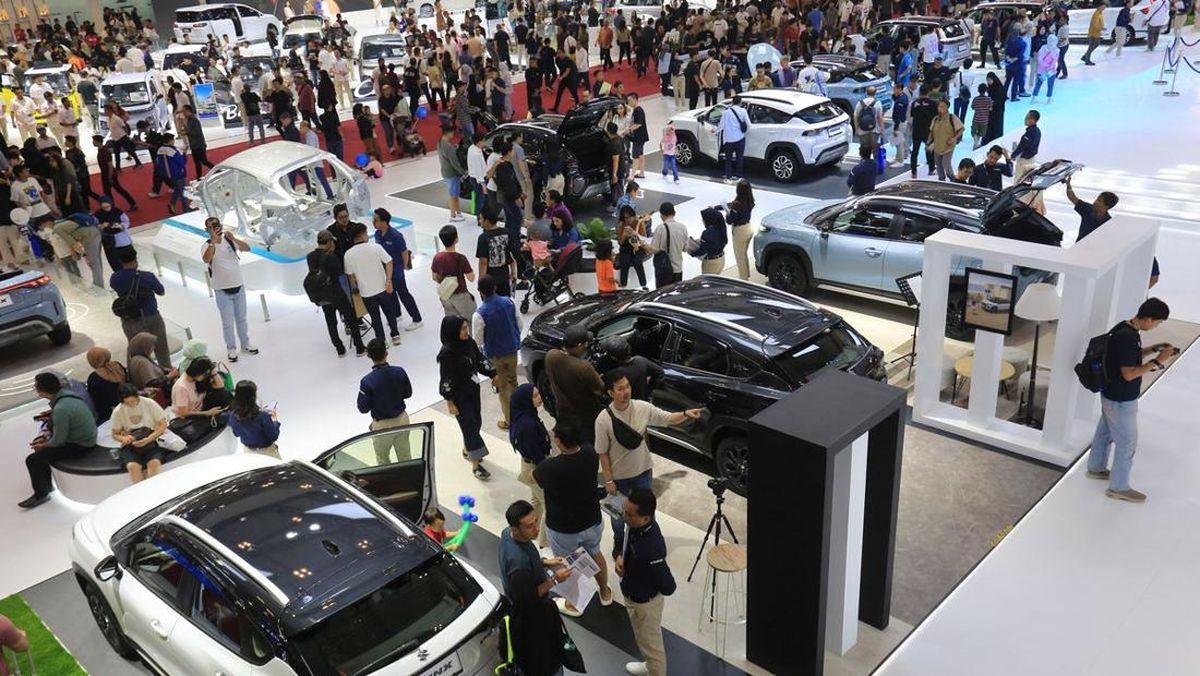
The report highlights the significant market dominance of these Japanese manufacturers. In 2025, Toyota, Honda, and Suzuki collectively held approximately 74% of Indonesia’s vehicle market share. Furthermore, their strategic leadership positions within Gaikindo provide them with substantial influence over the direction of transportation decarbonization policies in the archipelago.
President Prabowo Subianto has, on multiple occasions, emphasized the critical importance of reducing reliance on imported fuels and bolstering national energy resilience through electrification. This stated ambition by the government appears to be at odds with the industry’s advocacy, particularly as Indonesia navigates the development of its National Electric Vehicle Roadmap and new incentive policies slated for 2026. The analysis suggests that lobbying efforts aimed at extending the lifespan of ICE-powered vehicles could undermine these national objectives.
A Strategy to Maintain ICE Dominance?
InfluenceMap’s analysis indicates that the automotive industry’s advocacy has focused on maintaining a long-term role for ICE-based hybrid vehicles. This push seemingly culminated in a government decision in December 2024 to expand incentives, initially designated for Battery Electric Vehicles (BEVs), to also encompass ICE-based hybrid vehicles. This move, according to the report, has emboldened the industry to continue advocating for ICE-related incentives in the lead-up to the announcement of a new incentive package expected later this year.
"Toyota, Honda, Suzuki, and Gaikindo are advocating for sustained policy support for hybrid vehicles, which has the potential to delay the BEV transition in Indonesia," Risky commented.
The report identifies three primary narratives put forth by these automotive giants and Gaikindo to justify their stance:
- Incentives for ICE-based vehicles will drive market growth: The industry argues that continued support for ICE technology, including hybrids, is crucial for overall automotive market expansion.
- Hybrid vehicles are more suitable for Indonesian road conditions: This argument suggests that the current infrastructure and consumer needs in Indonesia are better served by hybrid technology rather than fully electric alternatives.
- Decarbonization policies should be "technology neutral": This position advocates for a balanced approach that does not exclusively favor one technology over others, implying that ICE and hybrid technologies should also be considered legitimate pathways to emissions reduction.
InfluenceMap’s analysis directly challenges these narratives. The report asserts that publicly available data refutes these claims.
"Based on publicly available evidence, this analysis refutes all three narratives," Risky stated. "EV sales in Indonesia have grown rapidly in the last five years. Meanwhile, research indicates that BEVs are capable of achieving significantly greater emission reductions compared to hybrid vehicles, even with Indonesia’s current electricity mix."
Supporting Data and Emerging Trends
The Indonesian EV market, while still nascent, has shown promising growth. Data from the Association of Indonesian Automotive Industries (Gaikindo) indicates a steady upward trend in EV sales. For instance, in 2023, sales of Battery Electric Vehicles (BEVs) saw a substantial increase compared to previous years. While exact figures vary, reports suggest a doubling or even tripling of sales in certain segments. This growth, the report argues, demonstrates that the market is receptive to EVs and that the narrative of limited consumer interest is inaccurate.
Furthermore, the environmental benefits of BEVs are well-documented. Studies consistently show that BEVs offer zero tailpipe emissions, contributing directly to improved air quality in urban areas. While hybrid vehicles do offer some reduction in fuel consumption and emissions compared to conventional ICE vehicles, their overall environmental advantage is considerably less than that of BEVs. The InfluenceMap report specifically points to research indicating that the lifecycle emissions of BEVs, even considering the current electricity generation mix in Indonesia (which still relies heavily on fossil fuels), are significantly lower than those of hybrids. As Indonesia aims to increase its renewable energy capacity, the environmental benefits of BEVs will only amplify.
A Coordinated Global Strategy?
The findings of InfluenceMap’s latest analysis echo its previous research. A prior report by the organization highlighted a coordinated strategy by the automotive industry, particularly Toyota and the Japan Automobile Manufacturers Association (JAMA), to slow down the transition to EVs in several emerging markets, including Indonesia. This suggests a broader, international effort by some industry players to manage the pace of electrification, potentially to protect existing investments in ICE technology and supply chains.
The Indonesian government’s commitment to energy security and reducing its dependence on imported oil is a significant driver for the EV transition. Imports of crude oil and refined petroleum products represent a substantial portion of Indonesia’s trade deficit, impacting its economic stability. Electrifying the transportation sector, which is a major consumer of fuel, is seen as a strategic move to mitigate these economic vulnerabilities and enhance national energy resilience.
The timeline of policy developments underscores the tension between government ambitions and industry advocacy. The period between 2023 and 2026 is crucial for shaping Indonesia’s automotive future. The development of the National Electric Vehicle Roadmap and the subsequent announcement of new incentive packages are pivotal moments where industry influence can significantly shape policy outcomes. The alleged lobbying efforts to extend support for hybrid vehicles during this critical juncture are seen by analysts as a direct attempt to maintain the status quo and delay a more rapid shift towards zero-emission transportation.
Broader Implications and Potential Consequences
The implications of this alleged lobbying are far-reaching. If the industry’s agenda prevails, Indonesia risks:
- Prolonged dependence on imported oil: This would continue to strain the national budget, contribute to a trade deficit, and leave the country vulnerable to global oil price fluctuations.
- Slower progress on climate goals: Failing to accelerate EV adoption would hinder Indonesia’s ability to meet its climate commitments and reduce its carbon footprint.
- Missed economic opportunities: The global shift towards EVs presents opportunities for developing domestic EV manufacturing, battery production, and charging infrastructure. Delaying this transition could mean missing out on these economic benefits and technological advancements.
- Compromised air quality: Continued reliance on ICE vehicles, even hybrids, means sustained emissions of pollutants that negatively impact public health, particularly in densely populated urban areas.
Official Responses and Future Outlook
InfluenceMap’s report has put a spotlight on the intricate interplay between industry interests and national policy objectives. As of the time of this report, Gaikindo has been contacted for comment regarding the allegations but had not yet provided a response. The stance of individual manufacturers like Toyota, Honda, and Suzuki remains to be officially clarified in direct response to the specific claims made by InfluenceMap.
The Indonesian government faces the challenge of balancing economic considerations, industry demands, and its long-term strategic goals for energy security and environmental sustainability. The upcoming policy decisions regarding EV incentives will be a critical indicator of which path Indonesia ultimately chooses. The transparency and integrity of the policymaking process will be paramount in ensuring that decisions serve the national interest and contribute to a cleaner, more sustainable future for the nation’s transportation sector. The ongoing debate highlights the critical need for robust data-driven policymaking and vigilant oversight to ensure that the transition to electric mobility in Indonesia proceeds effectively and aligns with its broader national aspirations. The coming months will likely see continued discussions and potential policy adjustments as Indonesia charts its course in the global automotive revolution.