Socio Today
Jakarta, Indonesia – In a decisive move underscoring the Indonesian government’s commitment to farmer welfare and national food security, Minister of Agriculture Amran Sulaiman has issued a stern directive for an immediate investigation into seven companies. These entities are suspected of refusing to absorb sugarcane and sugar produced by local farmers, potentially undermining efforts to achieve national sugar self-sufficiency. The order, delivered during a critical meeting on accelerating sugar self-sufficiency in Surabaya, East Java, signals a zero-tolerance policy towards practices deemed detrimental to agricultural producers and the broader national economy.
Unveiling Allegations: Minister’s Swift Action
The directive came to light on Wednesday, July 22, during a high-level coordination meeting led by Minister Amran Sulaiman aimed at evaluating and expediting the national sugar self-sufficiency program. It was during this pivotal discussion that reports emerged detailing the alleged refusal of several companies to purchase farmers’ produce. The Minister wasted no time in responding to these concerning revelations. He explicitly instructed Mahmudi, the President Director of PT Sinergi Gula Nusantara (SGN), a state-owned enterprise established to consolidate and revitalize Indonesia’s sugar industry, to launch a thorough investigation into the seven implicated companies. "Pak Dirut (SGN Mahmudi), those seven companies, investigate them," Amran reportedly stated, emphasizing the urgency and seriousness of the matter.
The Minister’s response extended beyond internal agricultural channels. Demonstrating the gravity with which the government views such alleged malpractices, Amran Sulaiman promptly contacted the Directorate of Special Criminal Investigation (Dirkrimsus) to request their immediate involvement in tracing and examining the allegations. He urged the Dirkrimsus to meticulously scrutinize all companies named in the report. "Examine, Sir, all their names. Examine them all," Amran emphasized to the special criminal investigators, highlighting the comprehensive nature of the desired probe.
The alleged reasons provided by these companies for their refusal to absorb the farmers’ sugarcane or processed sugar included limitations in container availability and various distribution trade constraints. However, Minister Amran Sulaiman vehemently dismissed these explanations as unacceptable. He underscored that the interests and livelihoods of farmers must always take precedence, particularly at a time when the government is actively pushing for a significant increase in domestic sugar production to realize its ambitious self-sufficiency targets. "It’s been how many decades, and they still don’t want to sacrifice a little for the farmers who made them rich. What kind of sin is this? We will have them investigated," the Minister asserted, conveying a strong sense of moral and economic indignation.
The Quest for Sugar Self-Sufficiency: A National Imperative
Indonesia’s journey towards sugar self-sufficiency has been a protracted and challenging one, marked by fluctuating production, increasing domestic demand, and a persistent reliance on imports. As one of the world’s largest sugar consumers, the nation has grappled for decades with the goal of meeting its own sugar needs from domestic sources. Historically, Indonesia was a major sugar exporter in the early 20th century, but a combination of land conversion, inefficient farming practices, aging infrastructure, and policy shifts led to a decline in production, transforming the country into a net importer.
Currently, Indonesia’s annual sugar consumption hovers around 6 million to 7 million tons, encompassing both household consumption and industrial use. Domestic production, however, typically falls short, ranging between 2.2 million to 2.5 million tons annually. This significant deficit necessitates substantial imports, primarily raw sugar for industrial processing, creating vulnerabilities in food security and exerting pressure on foreign exchange reserves. The government, recognizing the strategic importance of sugar as a staple commodity, has renewed its commitment to achieving self-sufficiency.
Minister Amran Sulaiman has reiterated the government’s ambitious target to achieve self-sufficiency in consumption sugar within the next two years. This aggressive timeline necessitates a multi-pronged strategy focused on revitalizing the entire sugar supply chain. Key pillars of this strategy include the acceleration of sugarcane plant rejuvenation programs, aimed at replacing old, less productive varieties with higher-yielding ones. Concurrently, there is a strong emphasis on enhancing overall productivity through the adoption of modern agricultural practices, improved irrigation, and better soil management. The modernization of cultivation techniques is complemented by efforts to upgrade and expand sugar mill infrastructure, ensuring efficient processing of sugarcane into high-quality sugar. Furthermore, the government is committed to reforming the governance of the sugar industry to create a more transparent, equitable, and efficient ecosystem for all stakeholders, from farmers to consumers.
PT Sinergi Gula Nusantara (SGN) plays a crucial role in this national endeavor. Formed through the consolidation of several state-owned sugar companies, SGN is tasked with streamlining operations, improving efficiency, and ultimately boosting national sugar production. Its mandate includes managing sugarcane plantations, operating sugar mills, and ensuring market access for farmers. The Minister’s instruction to SGN to investigate the alleged refusal to absorb farmers’ produce directly aligns with its core responsibility of ensuring a stable and fair market for sugarcane farmers.
The economic significance of sugarcane farming for Indonesia’s rural communities cannot be overstated. Sugarcane cultivation provides livelihoods for hundreds of thousands of smallholder farmers across Java, Sumatra, and other regions. Their income directly depends on the sale of their harvest to sugar mills. Any disruption in market access or unfair practices in absorption can have devastating consequences for these farmers, pushing them into poverty and discouraging future cultivation, thereby jeopardizing the very foundation of the national self-sufficiency program. The government’s intervention, therefore, is not merely about market regulation but also about safeguarding the economic well-being of a substantial segment of its agricultural workforce.
Protecting Farmers: A Priority Amidst Market Challenges
Minister Amran Sulaiman’s forceful condemnation of the alleged actions by the seven companies underscores the government’s unwavering commitment to prioritizing farmer welfare. His statement, questioning the moral integrity of companies that allegedly refuse to support the very farmers who contribute to their wealth, resonates deeply within the agricultural sector. "This is a sin," he declared, framing the alleged refusal as a profound injustice against those who toil to feed the nation.
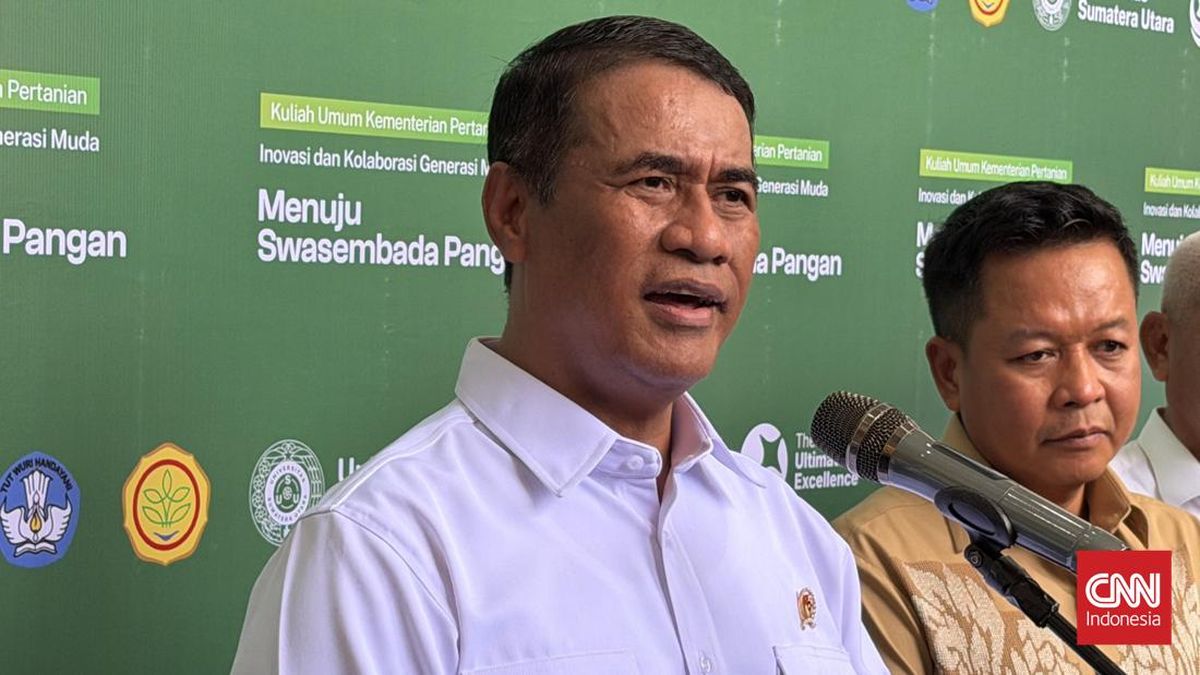
The Minister’s stance reflects a broader governmental philosophy that views farmers as the backbone of national food security. In an economy where agricultural output is often susceptible to market volatility and power imbalances, government intervention is often deemed necessary to protect the most vulnerable stakeholders. The alleged excuses of "container limitations" or "distribution constraints" were dismissed as insufficient to justify leaving farmers’ produce unabsorbed, especially when the nation is striving to boost domestic production. Amran’s assertion that "the country must be present to protect farmers from harmful practices" serves as a powerful declaration of state responsibility.
From the perspective of sugarcane farmers, such an investigation brings a glimmer of hope. Farmers frequently face challenges ranging from fluctuating commodity prices and high input costs to limited access to financing and, critically, market uncertainty. The assurance that their harvest will be absorbed by processors at a fair price is paramount to their economic stability. Reports of companies refusing to buy their produce can lead to significant financial losses, as sugarcane is a perishable commodity that must be processed quickly after harvest. Unabsorbed sugarcane can rot in the fields, representing a complete loss of investment and labor for farmers. Therefore, the Minister’s swift and decisive action is likely to be met with relief and appreciation by the farming community, reinforcing their trust in governmental support.
This firm stance also sends a clear message to all players within the agricultural supply chain: that the government will not tolerate practices that undermine national food security goals or exploit farmers. It signals a move towards greater transparency and accountability in the commodity markets, aiming to ensure that the benefits of increased production are shared equitably and that market mechanisms function fairly.
Broader Implications: Combating "Mafia" and Economic Malpractices
Minister Amran Sulaiman’s comments extended beyond the immediate issue of sugar, touching upon a wider concern regarding economic malpractices and "mafia" activities that he believes plague various sectors and harm the state. He drew a parallel between the alleged refusal to absorb farmers’ sugar and the practice of "underinvoicing" in the crude palm oil (CPO) sector. Underinvoicing involves declaring a lower value for goods than their actual worth to reduce taxes, tariffs, or other duties. Amran highlighted the severe financial repercussions of such practices, stating that "the country could lose trillions of rupiah over decades" due to CPO underinvoicing.
This analogy underscores the Minister’s view that the alleged actions of the seven sugar companies are not isolated incidents but potentially part of a larger pattern of economic misconduct that erodes national wealth and hinders development. He explicitly linked these activities to "mafia" groups, stating, "It’s the CPO underinvoicing, the country could lose trillions of rupiah over decades. That’s what President Prabowo Subianto is pursuing. Those who attack, who infiltrate Indonesia, are the mafia." This statement not only elevates the issue to a national security concern but also aligns it with the broader anti-corruption and economic reform agenda championed by the incoming administration.
President-elect Prabowo Subianto has consistently articulated a strong stance against economic "mafia" and rent-seeking practices that undermine state revenue and distort markets. His emphasis on combating these illicit activities reflects a commitment to ensuring that national resources are utilized for the benefit of all citizens, rather than being siphoned off by unscrupulous actors. By invoking the President-elect’s name, Minister Amran Sulaiman signals that the current investigation is part of a larger, coordinated governmental effort to clean up various economic sectors and ensure fair play.
The implications of tackling such alleged "mafia" practices are far-reaching. Beyond the immediate impact on state revenue, these activities can stifle legitimate businesses, discourage investment, and create an uneven playing field. In the agricultural sector, they can depress farmer prices, limit market access, and ultimately undermine efforts to achieve food security. A transparent and fair agricultural market is crucial for sustained growth, attracting investment, and ensuring that farmers receive equitable returns for their labor. The involvement of the Directorate of Special Criminal Investigation indicates that the government is prepared to use its full legal and enforcement powers to uphold economic integrity and bring any wrongdoers to justice. This sends a powerful deterrent message to any entity considering engaging in similar exploitative practices.
The Road Ahead: Ensuring Market Certainty and Sustainable Growth
The recent developments signify a renewed and invigorated push by the Indonesian government to not only achieve sugar self-sufficiency but also to create a more equitable and robust agricultural sector. The two-year target for consumption sugar self-sufficiency is ambitious, demanding sustained effort across multiple fronts. This includes continued investment in research and development for improved sugarcane varieties, expansion of cultivation areas where feasible, and ongoing modernization of sugar processing facilities.
However, as Minister Amran Sulaiman rightly emphasized, increasing production alone is insufficient. The success of any self-sufficiency program hinges critically on ensuring market certainty for farmers. "If we have increased production, then the farmers’ output must also be ensured to be absorbed," he stated. This principle is fundamental: without a reliable and fair market, farmers lack the incentive to increase production, risking a cycle of oversupply and depressed prices that could jeopardize the entire initiative. The government’s role, therefore, extends beyond merely boosting output; it must actively facilitate market access and prevent predatory practices.
Looking forward, the success of Indonesia’s sugar self-sufficiency drive will require collaborative efforts from all stakeholders. This includes farmers adopting modern practices, sugar mills investing in efficiency and capacity, and the government providing supportive policies, robust regulatory oversight, and effective law enforcement. The investigation into the seven companies is a critical step in this direction, aiming to instill confidence among farmers and ensure the integrity of the sugar supply chain.
The long-term vision for the Indonesian sugar industry is one of sustainability, resilience, and fairness. By addressing issues like alleged market manipulation, the government aims to create an environment where farmers thrive, domestic production meets national demand, and the country reduces its reliance on imports, thereby strengthening its economic sovereignty and food security. The coming months will be crucial in demonstrating the government’s resolve to follow through on these directives and to deliver tangible results for Indonesia’s sugarcane farmers and the nation as a whole.