Socio Today
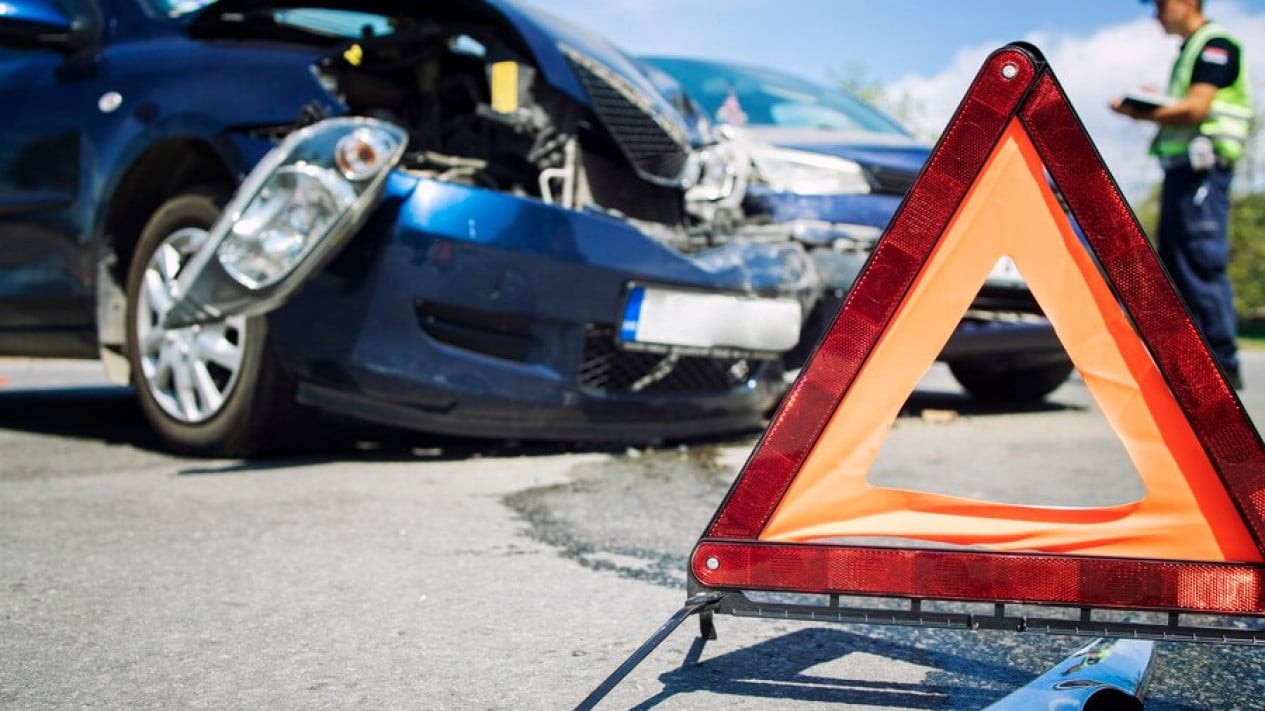
Jakarta, VIVA – A tragic road accident unfolded on Thursday, April 16, 2026, on Jalan Raya Lenteng Agung, South Jakarta, claiming the life of a motorcyclist who collided with the rear of a stationary TransJakarta electric bus. The incident, which occurred near the Lenteng Agung Station bus stop, has cast a somber shadow over the capital’s busy thoroughfares and reignited critical discussions surrounding urban road safety, particularly concerning motorcycle riders and public transportation infrastructure.
Detailed Chronology of the Incident
The unfortunate event transpired at approximately 10:45 AM local time, under clear weather conditions, as a TransJakarta electric bus, identified by its route and vehicle number, was engaged in its routine operation. According to preliminary reports from the Jakarta Metro Police Traffic Directorate, the bus, driven by an individual identified only as T, had come to a complete stop at the designated bus stop adjacent to Stasiun Lenteng Agung. This stop is a crucial transit point, facilitating passenger transfers between the TransJakarta bus service and the KRL Commuter Line train station, making it a perpetually busy area with high pedestrian and vehicular traffic.
Eyewitness accounts, corroborated by police statements, suggest that the bus had been stationary for several minutes, actively serving passengers boarding and alighting. At this juncture, a motorcyclist, identified by his initials MN, was traveling southbound on Jalan Raya Lenteng Agung, heading from north to south. Investigators believe that MN was operating his motorcycle, a common commuter model, at a speed that, combined with an alleged lapse in concentration, prevented him from noticing the stationary bus ahead in time to react.
The collision was described as severe, with the motorcycle impacting the rear of the large electric bus. The force of the impact caused significant damage to the front of the motorcycle and resulted in critical injuries to MN. Emergency services, including traffic police and paramedics, were immediately dispatched to the scene following reports from witnesses and the bus driver. Despite rapid medical attention provided on-site and during subsequent transportation to a nearby hospital, MN succumbed to his injuries shortly after the accident. Police confirmed that the impact was fatal, causing immediate and severe trauma that proved unsurvivable. The bus driver, T, was reportedly uninjured but deeply shaken by the incident.
Ongoing Investigation and Police Findings
The Jakarta Metro Police Traffic Directorate, specifically the Subdirectorate for Law Enforcement and Guidance (Subdit Gakkum Ditlantas Polda Metro Jaya), has taken charge of the investigation. Ajun Komisaris Besar Polisi Ojo Ruslani, the head of the Subdit Gakkum, released an initial statement on Friday, April 17, 2026, confirming the details of the accident. "The electric bus driven by brother T was stopped at the Stasiun Lenteng Agung bus stop on Jalan Raya Lenteng Agung," AKBP Ruslani stated. "At the same time, there was a motorcycle driven by MN coming from north to south, allegedly lacking caution and concentration, which then collided with the rear of the bus."
The primary suspected cause, as highlighted by AKBP Ruslani, points to the motorcyclist’s "lack of caution and concentration." This initial finding suggests driver error as a significant contributing factor, a common theme in urban traffic accidents. Police investigators have commenced a thorough examination of the accident scene, including collecting physical evidence, reviewing available CCTV footage from the surrounding area and potentially from the TransJakarta bus itself, and interviewing witnesses. The damaged motorcycle and the TransJakarta bus have both been secured for further forensic analysis to determine the precise mechanics of the collision and assess the extent of damage.
The investigation will also delve into other potential contributing factors, such as road conditions, visibility at the time of the accident, and the operational status of the bus’s rear lights and reflective markings. Furthermore, toxicology tests may be conducted on the deceased motorcyclist to rule out impairment, a standard procedure in fatal traffic incidents. The police aim to compile a comprehensive report to officially determine culpability and prevent similar occurrences in the future.
The Context: Lenteng Agung’s Challenging Traffic Landscape
Jalan Raya Lenteng Agung is a notorious stretch of road in South Jakarta, characterized by its high volume of mixed traffic, including private vehicles, motorcycles, public buses, and commercial trucks. It serves as a vital artery connecting central Jakarta with its southern suburbs and Depok. The road is known for its multiple railway crossings, numerous bus stops, and a significant presence of local businesses and residential areas, all contributing to a complex and often congested traffic environment.
The area around Stasiun Lenteng Agung is particularly challenging. The presence of the KRL Commuter Line station generates considerable pedestrian movement, as commuters transition between trains and other modes of transport, including TransJakarta buses. This intermodal transfer point creates dynamic traffic patterns, requiring heightened awareness from all road users. Drivers frequently navigate sudden stops by public transport, pedestrians crossing at various points, and the constant flow of motorcycles weaving through lanes. The sheer density of activity makes it a hotspot for minor incidents and, unfortunately, more severe accidents like the one that occurred. Infrastructure challenges, such as adequate lighting, clear signage, and dedicated pedestrian crossings, are ongoing concerns often raised by local residents and road safety advocates.
TransJakarta’s Electric Bus Initiative and Safety Protocols
The TransJakarta electric bus involved in the accident is part of the city’s ambitious program to modernize its public transportation fleet and promote environmental sustainability. Jakarta aims to fully transition its public transport network to electric vehicles by 2030, a move designed to reduce air pollution and reliance on fossil fuels. TransJakarta began integrating electric buses into its fleet in 2022, with several routes, including those operating along major corridors like Lenteng Agung, now utilizing these greener vehicles.
The introduction of electric buses brings its own set of operational considerations. While they offer quieter operation and zero emissions, their nearly silent movement can sometimes pose a challenge, particularly for pedestrians and other road users who are accustomed to the audible cues of traditional combustion engine vehicles. To mitigate this, electric buses are often equipped with "acoustic vehicle alerting systems" (AVAS) that emit artificial sounds at low speeds, though their effectiveness in noisy urban environments is a subject of ongoing study.
TransJakarta maintains stringent safety protocols for its drivers, including regular training, adherence to speed limits, and strict guidelines for stopping at designated bus stops. Drivers undergo comprehensive training on defensive driving, handling different road conditions, and managing passenger safety. The company also employs advanced telemetry systems to monitor bus speeds, braking patterns, and adherence to routes, ensuring compliance with operational standards. Following any accident, TransJakarta typically cooperates fully with police investigations, providing vehicle data, driver statements, and internal safety reports to aid in understanding the incident and identifying areas for improvement.
Motorcycle Safety in Jakarta: A Persistent Challenge
Motorcycles are the dominant mode of personal transportation in Jakarta, numbering in the millions. While offering agility and affordability, they are disproportionately involved in road accidents, often resulting in severe injuries or fatalities due to the riders’ lack of physical protection. Data from the Jakarta Metro Police consistently shows motorcycles as the vehicle type most frequently involved in traffic incidents. Common contributing factors include:
- Lack of concentration/Distraction: Similar to the suspected cause in the Lenteng Agung incident, distractions from mobile phones, fatigue, or general inattention are prevalent.
- Speeding: Exceeding speed limits or driving too fast for conditions is a major factor.
- Failure to obey traffic laws: This includes lane-splitting unsafely, running red lights, and disregarding traffic signs.
- Inadequate helmet use: While helmet use is mandatory, proper fastening and quality of helmets remain concerns.
- Poor road infrastructure: Uneven road surfaces, potholes, and lack of dedicated motorcycle lanes can contribute to accidents.
The government and various road safety organizations have implemented numerous campaigns to improve motorcycle safety, focusing on defensive riding techniques, helmet compliance, and awareness of traffic rules. However, the sheer volume of motorcycles and the dynamic nature of urban traffic make it an ongoing uphill battle.
Expert Perspectives on Urban Road Safety
Road safety experts emphasize that accidents are rarely caused by a single factor but rather a combination of circumstances. Dr. Ananta Kusuma, a transportation safety analyst based in Jakarta, commented on the broader context of such incidents. "While individual driver error, like a lapse in concentration, is often the immediate cause, we must look at the systemic factors," Dr. Kusuma stated generally, not directly about this incident but similar ones. "Urban environments like Lenteng Agung are inherently complex. We need to evaluate if the infrastructure adequately separates different modes of transport, if bus stops are optimally designed for visibility and safety, and if public education campaigns are truly reaching and influencing driver behavior."
Experts often advocate for a "safe system" approach, which recognizes that humans make mistakes and designs roads, vehicles, and speeds to minimize the severity of crashes when those mistakes occur. This includes better road design, clearer signage, improved lighting, enforcement of traffic laws, and continuous public education. The transition to electric buses also prompts discussions about their unique safety aspects, particularly in terms of their quiet operation and interaction with vulnerable road users like motorcyclists and pedestrians.
Official Responses and Calls for Enhanced Measures
In the wake of this fatal accident, both the police and TransJakarta authorities are expected to reinforce their commitment to road safety. The police will likely intensify patrols and enforcement efforts along accident-prone corridors like Lenteng Agung, focusing on violations related to speeding, reckless driving, and distracted driving. There may also be calls for a review of existing traffic management plans in high-density areas.
TransJakarta, while mourning the loss of life and extending condolences to the victim’s family, will likely reiterate its safety protocols for drivers and its cooperation with law enforcement. The incident could also prompt an internal review of electric bus safety features, driver training specific to high-traffic areas, and passenger communication regarding bus stops.
From a policy perspective, this accident may spur discussions within the Jakarta Provincial Government regarding infrastructure improvements. These could include clearer demarcation of bus lanes and stops, improved pedestrian crossings near transit hubs, and potentially dedicated motorcycle lanes or stricter enforcement in mixed-traffic zones. The incident serves as a stark reminder of the continuous need for vigilance and proactive measures from all stakeholders – government, transport operators, and road users alike – to mitigate the risks inherent in urban traffic.
Broader Implications for Public Transportation and Road Infrastructure
The tragic death on Lenteng Agung Road carries broader implications for Jakarta’s urban planning and public transportation strategy. As the city continues its push towards a more integrated and sustainable transport system, incidents like this highlight the critical importance of ensuring that modernization efforts are coupled with robust safety considerations. The expansion of electric bus services, while environmentally beneficial, must be seamlessly integrated into the existing complex road network, taking into account the diverse behaviors and vulnerabilities of all road users.
This incident may lead to increased scrutiny of bus stop designs, especially those located on major arterial roads with high-speed traffic. Questions about the visibility of stationary buses, the adequacy of warning signs, and the potential need for physical barriers to separate bus stop areas from main traffic flow could emerge. Furthermore, the accident underscores the persistent challenge of fostering a culture of road safety among Jakarta’s massive motorcycle population, emphasizing the need for sustained and innovative public awareness campaigns.
Community Impact and Future Preventative Strategies
The local community around Lenteng Agung, already accustomed to the daily hustle and bustle, will undoubtedly feel the impact of this tragedy. Such incidents often lead to renewed calls from residents for better traffic management, stricter enforcement, and safer infrastructure in their neighborhoods. Community leaders and local councils may engage with authorities to push for specific interventions aimed at preventing future accidents.
In the long term, preventative strategies must be multi-faceted. They should encompass:
- Infrastructure Upgrades: Investing in safer road design, including dedicated lanes, improved lighting, clearer signage, and potentially smart traffic systems that dynamically adjust to traffic flow.
- Enhanced Enforcement: Consistent and visible policing to deter violations such as speeding, reckless driving, and distracted driving.
- Public Education: Continuous campaigns targeting all road users, particularly motorcyclists, on defensive driving, concentration, and respecting traffic laws and public transport operations.
- Technological Integration: Utilizing smart technologies in vehicles and infrastructure to enhance safety, such as collision avoidance systems in buses and real-time traffic monitoring.
- Data-Driven Analysis: Regularly analyzing accident data to identify high-risk locations and behaviors, allowing for targeted interventions.
The fatal collision on Jalan Raya Lenteng Agung serves as a stark and painful reminder that behind every statistic of urban traffic accidents lies a human tragedy. It reinforces the urgent need for a collective and comprehensive approach to road safety, ensuring that Jakarta’s progress in public transportation and urban development does not come at the cost of its citizens’ lives. As investigations proceed, the hope remains that lessons learned from this incident will contribute to making Jakarta’s roads safer for everyone.