Socio Today
Netflix’s decision to withdraw from the lucrative acquisition of Warner Bros. Discovery (WBD) in early 2026, though initially met with disappointment, ultimately provided the streaming giant with invaluable lessons in investment discipline and a significant financial windfall, according to Co-CEO Ted Sarandos. The company, which had been a frontrunner in the bidding war for WBD, ultimately stepped aside when the price escalated beyond its perceived value, a move Sarandos now frames as a strategic success.
The High Stakes of the Warner Bros. Discovery Bid
The narrative surrounding the potential acquisition of Warner Bros. Discovery was a complex and high-stakes drama that captivated the media and financial worlds throughout late 2025 and early 2026. Warner Bros. Discovery, a behemoth formed from the merger of WarnerMedia and Discovery, Inc., represented a vast portfolio of iconic film and television studios, a deep library of content, and a burgeoning streaming service in Max. For Netflix, a company that had long dominated the streaming landscape, acquiring such a substantial content powerhouse presented an opportunity to consolidate its position, expand its intellectual property, and potentially integrate a treasure trove of beloved franchises.
The initial offer from Netflix, reported to be an all-cash deal valued at approximately $82.7 billion (enterprise value), was seen as a bold move to secure a dominant position in the evolving media ecosystem. This offer, made in January 2026, was set at $27.75 per share for WBD’s studios and the HBO Max streaming business. The prospect of such a merger raised questions about the future of content creation, distribution, and the competitive landscape of streaming services. Industry analysts speculated on the potential synergies, the integration challenges, and the impact on consumer choice.
Paramount’s Counter-Bid and the Shift in Momentum
However, the media landscape is rarely static, and the WBD acquisition race took a dramatic turn with the intervention of David Ellison’s Skydance Media, which also had a significant interest in Paramount Global. Skydance, in conjunction with its interest in Paramount, launched a competing bid for Warner Bros. Discovery. This counter-offer, reportedly valuing the company at $31 per share, brought the total acquisition price to an astonishing $111 billion. This aggressive move significantly outbid Netflix’s initial proposal and signaled a new level of financial commitment from Skydance.
The escalating price tag presented a critical juncture for Netflix. The company, known for its data-driven decision-making, had to weigh the strategic advantages of acquiring WBD against the rapidly increasing financial burden. It was at this point that Netflix, led by Ted Sarandos and his co-CEO Greg Peters, made the difficult decision to withdraw from the bidding.
Sarandos’s Perspective: Discipline Over Emotion
Speaking during Netflix’s first-quarter 2026 earnings call, Ted Sarandos elaborated on the company’s rationale and the unforeseen benefits of their withdrawal. He acknowledged the initial disappointment, stating, "If there is any emotion in all of this, it’s disappointment that we couldn’t work with those people. And we really looked forward to that." This sentiment underscores the professional respect and potential collaborative spirit that likely existed between the Netflix leadership and the WBD executives during the negotiation process.
However, Sarandos emphasized that the experience served as a crucial test of Netflix’s "investment discipline." He explained, "The most important benefit from the entire process… is that we tested our investment discipline and when the cost of this deal went up beyond the net value to our business and our shareholders, we were willing to set aside emotion and ego and walk away." This statement highlights a core tenet of sound financial management: the ability to detach personal or corporate ego from strategic decisions when financial realities dictate a change in course.
This commitment to disciplined investing, Sarandos argued, would set a precedent for the team. "And doing it at this level, I think will prepare our team to understand that that’s the expectation for them every day," he added. This suggests that the WBD acquisition process, while not resulting in a purchase, became a valuable internal training ground for evaluating future opportunities and maintaining financial prudence.
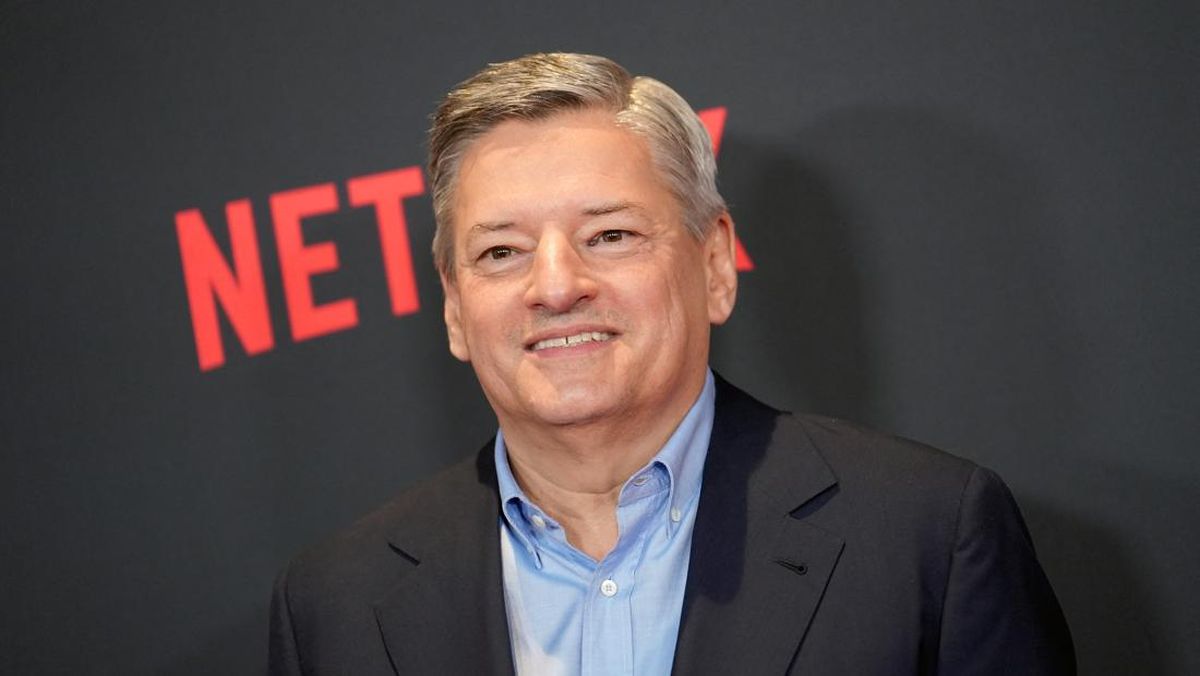
The Financial Repercussions: A $2.8 Billion "Bonus"
Beyond the strategic lessons, Netflix also benefited financially from its withdrawal. The aggressive counter-bid by Skydance, which ultimately led to their successful acquisition of WBD, also included a significant financial concession to Netflix. Paramount, through Skydance, agreed to pay Netflix $2.8 billion as part of the deal’s resolution.
This payment, which amounted to approximately Rp47 trillion at the prevailing exchange rates, represented a substantial and unexpected influx of capital for Netflix. CFO Spence Neumann highlighted this financial gain during a subsequent investor conference on March 4, stating, "Now we move forward, and we move forward with $2.8 billion in our pocket that we didn’t have a few weeks ago." This financial cushion could be strategically deployed for content investment, technological development, or other growth initiatives.
Building Strength Through Experience: "Builder, Not Buyer"
Sarandos further articulated Netflix’s long-term strategy, characterizing the company as a "builder and not a buyer." This perspective suggests a preference for organic growth and internal development over large-scale acquisitions. He acknowledged that there had been "internal and external questions about our ability to do a deal of this magnitude," implying that Netflix’s track record had primarily been in building its own content library and technology infrastructure rather than engaging in major corporate takeovers.
However, the experience of navigating the complex WBD acquisition process, even without a successful outcome, provided valuable insights. "What we learned is that our team is more than capable of the task," Sarandos stated. "We’ve learned a lot about deal execution, about early integration. We’re very proud of the team that did all that work." This indicates that the rigorous due diligence, negotiation, and strategic planning involved in the WBD bid equipped Netflix’s teams with enhanced capabilities for future strategic endeavors, whether they involve acquisitions or other significant business operations.
The Broader Context: A Shifting Media Landscape
The Warner Bros. Discovery saga unfolded against a backdrop of intense competition and rapid transformation in the media and entertainment industry. Streaming services were no longer a nascent phenomenon but a dominant force, yet the path to profitability and sustainable growth remained a challenge for many. Companies were grappling with rising content costs, subscriber churn, and the need to diversify revenue streams.
In this environment, large-scale mergers and acquisitions were seen as a way to achieve economies of scale, consolidate intellectual property, and gain a competitive edge. The WBD acquisition was one of the most significant potential consolidation plays in recent memory. Netflix’s decision to walk away, while potentially disappointing in terms of immediate strategic expansion, demonstrated a clear understanding of its own financial boundaries and a commitment to shareholder value.
Implications for Netflix and the Industry
The implications of Netflix’s handling of the WBD acquisition are multifaceted.
- Reinforced Financial Prudence: The company’s ability to forgo an emotionally compelling, yet financially risky, acquisition underscores its commitment to disciplined investing. This may signal a more cautious approach to future mega-deals, prioritizing clear return on investment over strategic ambition alone.
- Enhanced Deal-Making Capabilities: Despite not closing the WBD deal, the experience has likely honed Netflix’s M&A teams’ skills. This could position them favorably for future, potentially smaller or more targeted, acquisitions or strategic partnerships.
- Focus on Organic Growth: Sarandos’s "builder, not buyer" statement reaffirms Netflix’s core strategy of investing in its own content pipeline, technology, and subscriber base. This approach has historically been the bedrock of its success.
- Impact on Warner Bros. Discovery: The successful acquisition by Skydance/Paramount signifies a new chapter for WBD, with potential implications for its creative direction, content strategy, and integration with Paramount’s assets. The financial terms and the integration process will be closely watched by industry observers.
- Competitive Landscape: Netflix’s withdrawal, coupled with the significant financial gain, leaves it well-positioned to continue its competitive battle in the streaming wars. The $2.8 billion can be a significant injection into its content budget or other strategic initiatives, allowing it to maintain its market leadership.
In conclusion, while the missed opportunity to acquire Warner Bros. Discovery might have initially felt like a setback for Netflix, Ted Sarandos’s reflections reveal a calculated and ultimately beneficial outcome. The experience served as a powerful demonstration of the company’s financial discipline, strengthened its internal capabilities, and provided a substantial financial boost, all while reaffirming its core strategic identity as a builder of its own media empire. The streaming giant’s journey through this high-stakes negotiation offers valuable insights into the complex dynamics of the modern media industry and the importance of strategic financial stewardship.