Socio Today
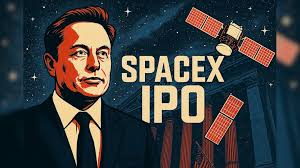
The monumental listing of SpaceX on the Nasdaq under the ticker symbol SPCX has not only solidified the company’s position as a titan of industry but has also formally crowned its visionary CEO, Elon Musk, as the world’s first individual with a net worth surpassing USD 1.1 trillion (approximately Rp 19,470 trillion). This historic public offering, which saw the company’s valuation soar to an unprecedented USD 2.1 trillion (approximately Rp 37,170 trillion) by market close, marks the culmination of months of intense speculation and anticipation from global financial markets and the broader technology sector. The debut on Friday was met with palpable market enthusiasm, with the stock opening higher than initial targets and experiencing aggressive yet ultimately rewarding fluctuations for early investors, underscoring the immense confidence in SpaceX’s expansive future.
Elon Musk’s Trillionaire Status: A Deep Dive into His Wealth
Elon Musk’s ascent to trillionaire status is a direct reflection of the extraordinary success and market capitalization achieved by his ventures, primarily SpaceX and Tesla. His personal fortune, now estimated to be over USD 1.1 trillion, is predominantly attributed to his substantial ownership stake in SpaceX, valued at an astounding USD 870 billion (approximately Rp 15,399 trillion) following the IPO. This figure is synergistically combined with his significant holdings in electric vehicle pioneer Tesla, which contribute an additional USD 287 billion (approximately Rp 5,079.9 trillion) to his formidable wealth. This achievement places Musk in an unparalleled league, transcending historical comparisons even when adjusted for inflation, as he becomes the first individual in modern history to accumulate such a vast sum in nominal terms, largely driven by innovation in disruptive technologies. His other ventures, such as Neuralink and The Boring Company, while highly valued, contribute a smaller fraction to this record-breaking sum, yet collectively underscore his diverse and ambitious portfolio across multiple industries.
SpaceX’s Odyssey: From Visionary Dream to Public Market Giant
The journey of SpaceX, founded by Elon Musk in 2002 with the audacious goal of making life multi-planetary, has been nothing short of revolutionary. What began as a bold endeavor to dramatically reduce space launch costs and colonize Mars has evolved into a multi-faceted enterprise that has consistently pushed the boundaries of aerospace engineering and commercial spaceflight.
- Early Years and Innovation (2002-2010s): SpaceX faced numerous setbacks in its early attempts to launch rockets, but perseverance led to the successful deployment of Falcon 1 in 2008, followed by the Falcon 9 and Dragon spacecraft. These innovations quickly established SpaceX as a key player in satellite launches and resupply missions to the International Space Station (ISS) for NASA. The company’s pioneering work on reusable rocket technology, demonstrated through the successful landing of Falcon 9 boosters, dramatically altered the economics of space travel, a feat once deemed impossible by many.
- Human Spaceflight and Starlink (2020s): The 2020s marked a new era for SpaceX with the commencement of commercial human spaceflight missions, ferrying astronauts to the ISS. Concurrently, the Starlink satellite internet constellation rapidly expanded, offering high-speed, low-latency internet access globally, particularly to underserved rural areas. Starlink’s rapid deployment and growing subscriber base became a significant revenue stream and a testament to SpaceX’s operational capabilities.
- Starship and Martian Ambitions: Development of the Starship mega-rocket, central to Musk’s vision of colonizing Mars, has progressed with ambitious testing and iterative design, capturing global attention and demonstrating the company’s commitment to pushing humanity’s frontiers.
- Pre-IPO Speculation and Valuation Growth: For several years leading up to the IPO, SpaceX was one of the most hotly anticipated private companies, with its valuation steadily climbing in private funding rounds. Institutional investors, venture capitalists, and even some retail investors through secondary markets eagerly sought stakes in the company, driven by its technological prowess, market leadership, and the promise of future growth in space exploration, satellite internet, and beyond. Reports of an S-1 filing with the U.S. Securities and Exchange Commission (SEC) on May 20, 2026 (based on the article’s implied timeline) signaled the formal beginning of the IPO process, targeting an initial funding of USD 75 billion with a pre-IPO valuation exceeding USD 2 trillion. This target was not only met but surpassed, setting a new benchmark for public market debuts.
The Historic IPO Performance and Market Reception
The official listing of SpaceX on Nasdaq as SPCX was an event that captivated global financial markets. On its debut day, the stock experienced what analysts described as "aggressive fluctuations." This volatility, while potentially unnerving for some, proved highly advantageous for initial investors, who saw their positions appreciate significantly. The immediate surge in demand underscored the market’s profound belief in SpaceX’s long-term potential and its diverse, high-growth business segments.
The remarkable closing price propelled SpaceX’s market capitalization to an extraordinary USD 2.1 trillion. This valuation not only made it the largest IPO in history by market capitalization but also immediately placed it among the world’s most valuable companies. The investor base for such an offering is typically a mix of large institutional funds, hedge funds, and sovereign wealth funds, all vying for a piece of what is widely considered a generational investment opportunity. The intense trading activity and positive price action on day one signaled a strong vote of confidence in Musk’s leadership and the company’s ambitious roadmap.
Joining the Trillion-Dollar Club: A New Era of Corporate Valuation
With its USD 2.1 trillion market capitalization, SpaceX has instantly joined an exclusive pantheon of companies that define the modern economic landscape. This elite group includes technology giants like Apple, Microsoft, Alphabet (Google’s parent company), and Nvidia, all of which have reached or surpassed the trillion-dollar valuation mark through relentless innovation, market dominance, and strategic growth.
- Apple: Achieved its trillion-dollar valuation through revolutionary consumer electronics, software, and services, creating an ecosystem that commands immense brand loyalty.
- Microsoft: Resurged under new leadership, transforming its business model to focus on cloud computing (Azure), enterprise software, and gaming, consistently delivering robust financial performance.
- Alphabet: Dominates the digital advertising market through Google Search and YouTube, while also investing heavily in cutting-edge technologies like AI and autonomous driving.
- Nvidia: Has seen explosive growth due to its leadership in graphics processing units (GPUs), which are crucial for AI development, data centers, and high-performance computing.
The only other company to have debuted on public markets with a valuation exceeding one trillion dollars was Saudi Aramco, the state-owned oil giant, which listed on the Tadawul exchange in December 2019 with a valuation of USD 1.7 trillion (approximately Rp 30,090 trillion). While Aramco represents traditional energy dominance and geopolitical significance, SpaceX’s entry into this club signifies the growing power and influence of futuristic technology, space exploration, and AI. The implications of a company reaching this valuation are profound, granting it unparalleled access to capital, immense market influence, and placing it under intense public and regulatory scrutiny.
Diving into SpaceX’s Financials and Business Transformation
Despite its stratospheric valuation, SpaceX’s financial statements, particularly for the year 2025 as detailed in its S-1 filing to the SEC, revealed significant losses. While the specific figures for revenue and net loss are not provided in the original content, the acknowledgment of "tantangan besar" (major challenges) and "kerugian ini masuk akal" (these losses make sense) points to a strategic financial posture. These losses are not uncommon for rapidly expanding technology companies investing heavily in research and development, infrastructure, and market expansion. For SpaceX, these investments are multifaceted:
- Starlink Infrastructure: The continuous deployment of thousands of satellites, ground stations, and user terminals for Starlink requires massive capital expenditure.
- Starship Development: The ambitious Starship program, with its complex testing cycles and manufacturing requirements, consumes substantial resources.
- Aerospace R&D: Ongoing innovation in reusable rocket technology, new propulsion systems, and advanced spacecraft designs necessitates significant R&D spending.
Crucially, SpaceX’s business model has undergone a rapid and strategic transformation beyond its core aerospace activities. The company’s portfolio now extends far beyond rockets and satellites to encompass cutting-edge artificial intelligence (AI) and social media. This diversification strategy became particularly evident with a series of pivotal corporate maneuvers:
- X (formerly Twitter) and xAI Integration: In March 2025, X (the social media platform) was merged into xAI, an AI company founded by Elon Musk. A year later, in February 2026 (as implied by the original text), SpaceX formally acquired xAI along with its extensive network and intellectual property. This integration signifies a bold move to leverage AI across SpaceX’s operations, from optimizing rocket launches and satellite network management to developing advanced AI systems for future interplanetary missions.
- Aggressive AI Capital Expenditure: The document explicitly mentions that the "belanja modal celah AI milik xAI yang sangat agresif" (xAI’s very aggressive AI capital expenditure) is predicted to "membuat angka kerugian semakin membengkak tahun ini" (make the loss figures swell even further this year). This indicates a significant commitment to building out AI capabilities, including acquiring vast computing power, recruiting top AI talent, and investing in advanced AI models and research. While this aggressive investment impacts short-term profitability, it is a strategic bet on the long-term potential of AI to revolutionize all aspects of SpaceX’s diverse portfolio.
Corporate Governance and Elon Musk’s Unprecedented Control
One of the most distinctive features of SpaceX’s IPO is its corporate governance structure, particularly the implementation of super-voting shares. This mechanism grants certain shareholders, primarily Elon Musk, disproportionate voting power compared to standard common shares. This structure effectively ensures that Musk retains a dominant controlling interest in the company, regardless of the percentage of shares held by public investors.
The implication of super-voting shares is profound: Musk is "praktis tidak bisa dipecat" (practically cannot be fired) by public shareholders. This setup provides him with unparalleled autonomy to pursue his long-term vision without succumbing to short-term market pressures or activist investor demands. While proponents argue that this structure enables visionary leadership and protects against hostile takeovers, critics often raise concerns about a lack of accountability, potential for unchecked power, and the limited influence of minority shareholders. This governance model is not entirely unique in the tech world; founders like Mark Zuckerberg (Meta) and Larry Page and Sergey Brin (Alphabet) also maintain significant control through similar share structures. However, in the context of a company with a USD 2.1 trillion valuation and such ambitious, long-term goals, Musk’s entrenched control at SpaceX is particularly noteworthy.
Moreover, the IPO was so monumental that Nasdaq reportedly "rela menyesuaikan aturan pencatatan khusus untuk IPO ini" (willingly adjusted special listing rules for this IPO). This suggests that SpaceX’s unique structure, valuation, or other characteristics might have necessitated bespoke accommodations from the exchange, further highlighting the extraordinary nature of this public listing. Such adjustments could pertain to minimum free float requirements, corporate governance provisions, or even technical aspects of trading a company of this scale.
Broader Implications and Future Outlook
The SpaceX IPO and Elon Musk’s ascent to trillionaire status carry profound implications across various sectors:
- For the Space Industry: The massive influx of public capital into SpaceX is likely to accelerate innovation and competition within the private space sector. It could inspire new ventures, attract more talent, and push the boundaries of what is commercially viable in space exploration, satellite technology, and beyond.
- For the Technology Market: SpaceX’s diversification into AI and social media, coupled with its aerospace prowess, further blurs the lines between traditional tech sectors. This trend signals a future where integrated, multi-disciplinary companies dominate, leveraging synergies between seemingly disparate technologies. The record IPO could also embolden other large private tech companies to consider public listings, albeit on a smaller scale.
- For Capital Markets: This record-breaking IPO provides a new benchmark for mega-listings and demonstrates the market’s appetite for high-growth, visionary companies, even those with significant short-term losses. It could influence how future large-scale IPOs are structured and valued.
- Challenges Ahead: Despite the celebratory debut, SpaceX faces significant challenges. Sustaining its rapid growth, achieving consistent profitability (especially with aggressive AI investments), navigating complex regulatory landscapes, and managing an increasingly diverse portfolio will be critical. The successful development and deployment of Starship, essential for its Mars ambitions, also remains a monumental engineering and financial hurdle. Competition in both the space launch market and the satellite internet sector is also intensifying.
- Elon Musk’s Legacy: This event indelibly shapes Elon Musk’s legacy, solidifying his position as arguably the most influential entrepreneur and innovator of his generation. His ability to transform audacious visions into tangible, market-leading companies, now crowned by his unprecedented personal wealth, will be studied for decades to come.
In conclusion, the public listing of SpaceX is far more than just a financial transaction; it is a pivotal moment in technological history. It marks the formal recognition of a company that has redefined space exploration, a testament to the power of ambitious innovation, and the crowning achievement for a visionary who has now become the world’s first trillionaire. The world will be watching closely as SpaceX, now a publicly traded behemoth, continues its mission to push the boundaries of human endeavor.