Socio Today
The debate surrounding the proper disposal of menstrual hygiene products has recently resurfaced across social media platforms, highlighting a significant divide between traditional cultural practices and modern medical recommendations. For many women, the question of whether to wash a disposable sanitary pad before throwing it away is not merely a matter of waste management but is deeply rooted in upbringing, hygiene perceptions, and social etiquette. While some argue that washing the blood away is a necessary step for cleanliness and respect, health experts and international organizations are providing a different perspective that prioritizes public health standards and environmental sustainability.
The controversy typically pits two schools of thought against each other. One side adheres to the habit of thoroughly rinsing disposable pads until the water runs clear, often citing a sense of "modesty" or the desire to prevent "bad odors" and "unsightly sights" in trash bins. The opposing side follows the manufacturer’s instructions, which generally suggest wrapping the used product securely and disposing of it in a designated waste bin without prior washing. To settle this long-standing debate, it is essential to examine the scientific guidelines, the cultural motivations behind the practice, and the broader implications for the environment and public infrastructure.
Global Health Standards: The WHO Perspective
According to the World Health Organization (WHO) and various international menstrual health and hygiene (MHH) guidelines, there is no medical requirement to wash disposable sanitary pads before disposal. The WHO’s fact sheets on menstrual health emphasize that the primary goal of menstrual waste management is to ensure that products are disposed of in a way that is "discreet, easy, and hygienic." For disposable products, this does not involve water.
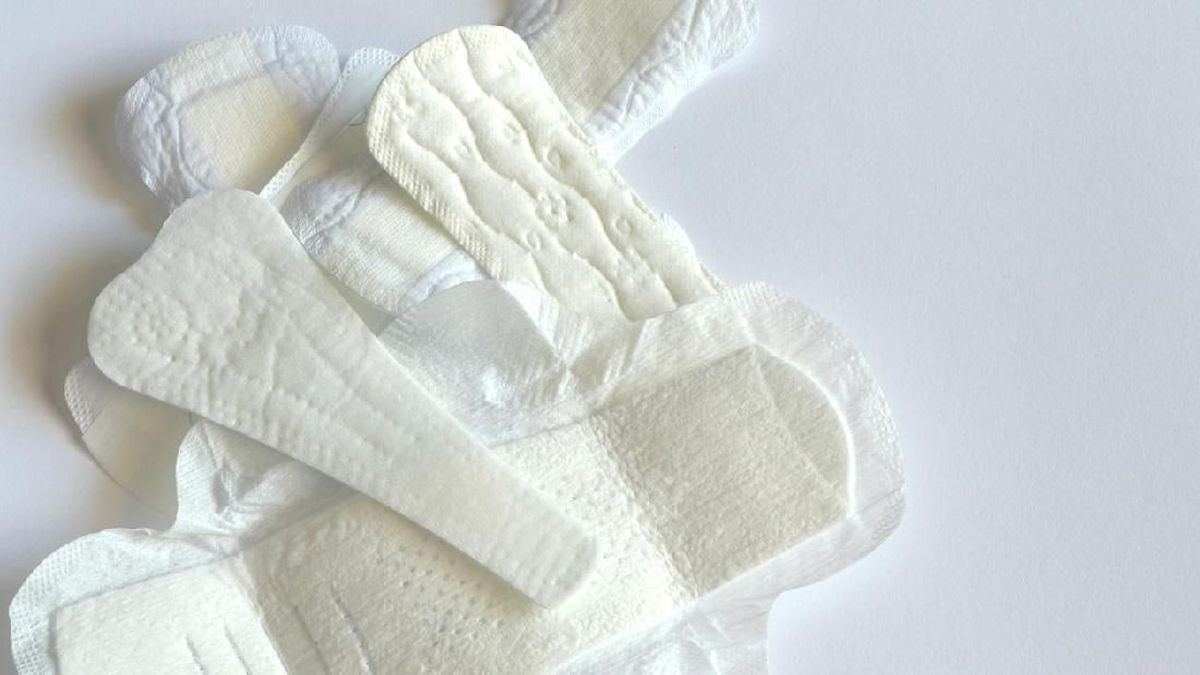
Disposable sanitary pads are engineered as single-use items. They are typically composed of multiple layers, including a permeable top sheet, an absorbent core—often containing Super Absorbent Polymers (SAP) and cellulose wood pulp—and a plastic back sheet to prevent leakage. When these products are soaked in water, the SAP crystals expand significantly, often compromising the structural integrity of the pad. From a health standpoint, the blood contained within the pad is organic waste. Once the pad is wrapped in paper or a plastic sleeve and placed in a lidded bin, it poses no significant risk to the user or the general public.
Medical professionals point out that the act of washing a pad can actually introduce new hygiene risks. Scrubbing a blood-soaked pad under a faucet can cause splashing, potentially spreading bacteria or bloodborne pathogens across bathroom surfaces, sinks, and even the user’s clothing. In contrast, the "wrap and bin" method contains the biological material effectively, minimizing contact and environmental exposure.
The Indonesian Context: Cultural Norms and the West Java Study
Despite the lack of medical necessity, the practice of washing disposable pads remains incredibly prevalent in certain regions, particularly in Indonesia. A landmark study titled "A Study on Menstrual Hygiene Management in West Java, Indonesia" provides deep insights into why this habit persists. The research revealed that a vast majority of respondents felt a moral or cultural obligation to wash their pads.
In many Indonesian communities, the habit is passed down through generations. There are often "pamali" or traditional taboos associated with menstrual blood. Some believe that blood left on a pad could attract supernatural entities or that it is "unclean" in a spiritual sense. Beyond the metaphysical, there is a strong social pressure regarding "shame." Many women expressed a fear that if a sanitation worker or a family member saw blood in the trash, it would be a source of deep embarrassment. Consequently, washing the pad until it appears "clean" is seen as an act of courtesy and personal discipline.
The study also highlighted the physical labor involved. On average, a person may use between 3 to 5 liters of clean water to wash a single sanitary pad. In a country where water scarcity is a growing concern in urban and rural areas alike, this translates to a massive environmental footprint. If millions of women wash five pads per cycle using several liters each, the cumulative water consumption reaches billions of liters annually—water that is essentially being used to rinse out a product designed to be thrown away.
The Environmental and Infrastructure Impact
The environmental implications of washing disposable pads extend beyond water consumption. When a pad is saturated with water and then thrown into the trash, it becomes significantly heavier. This increases the weight of municipal solid waste, leading to higher transportation costs and more rapid filling of landfills. Furthermore, a wet pad in a landfill environment can contribute to the production of leachate—the liquid that drains from a landfill—which must be carefully managed to prevent groundwater contamination.
Another critical issue is the temptation to flush washed pads down the toilet. Because washing the pad often breaks down its structure or makes it feel "less like trash," some users mistakenly believe it is safe to flush. However, the plastic components and SAP in disposable pads do not biodegrade and are not flushable. This leads to massive blockages in city sewer systems and septic tanks. In many developing urban centers, menstrual products are a leading cause of "fatbergs" and pipe bursts, requiring expensive and hazardous manual labor to clear.
Environmentalists argue that the energy and resources spent on "cleaning" a disposable item are counterproductive. If a user is concerned about the environmental impact of their period, the recommended path is not to wash disposable items, but to switch to reusable alternatives.
Reusable vs. Disposable: Understanding the Difference
The confusion often stems from a lack of clear education regarding the difference between disposable and reusable products. The WHO and environmental agencies make a clear distinction in their protocols:
- Disposable Products (Pads, Tampons): These are designed for one-time use. The core materials are meant to trap fluid and be discarded. They should be wrapped in the wrapper of the new pad, newspaper, or a small biodegradable bag and placed in a waste bin.
- Reusable Products (Cloth Pads, Menstrual Cups, Period Underwear): These are specifically designed to be washed. Cloth pads must be soaked, rinsed, and laundered with soap and water, then dried thoroughly in sunlight (which acts as a natural disinfectant) before being used again. Menstrual cups must be emptied, rinsed, and sterilized in boiling water between cycles.
The "washing" debate often conflates these two categories. Applying the maintenance rules of a cloth pad to a plastic disposable pad creates a "worst of both worlds" scenario: it consumes the water and time required for reusables without providing the waste-reduction benefits.
Proper Disposal: A Step-by-Step Guide
To bridge the gap between cultural comfort and medical best practices, health educators suggest a standardized disposal method that ensures hygiene without the need for excessive water use.
- Step 1: Removal. Carefully remove the pad from the underwear.
- Step 2: Wrapping. Roll the pad tightly from one end to the other, ensuring the soiled side is facing inward.
- Step 3: Securing. Use the adhesive wrapper from the fresh pad you are about to use to encase the old one. If no wrapper is available, use a small piece of recycled paper or a dedicated disposal bag.
- Step 4: Binning. Place the wrapped pad in a lidded trash bin. In public restrooms, use the specialized "sanitary bins" provided, as these are often treated with antimicrobial chemicals to control odors and bacteria.
- Step 5: Hand Hygiene. Immediately wash hands with soap and water for at least 20 seconds. This is the most critical step in preventing the spread of germs.
Expert Reactions and Social Implications
Sociologists suggest that changing this behavior requires more than just medical facts; it requires a shift in how society views menstruation. "The fact that women feel the need to wash a disposable item suggests a lingering stigma around the menstrual process," says one social researcher. "By framing menstrual blood as something that must be ‘erased’ before it hits the bin, we reinforce the idea that periods are shameful."
Environmentalists are also calling for better labeling on packaging. If manufacturers clearly state "Do Not Wash" or "Dispose of in Bin Only" in large, localized languages, it could help break the cycle of generational habits. Furthermore, improving waste management infrastructure—such as ensuring all public toilets have discreet, regularly emptied sanitary bins—would alleviate the "fear of discovery" that drives many to wash their pads.
Conclusion and Future Outlook
The debate over washing disposable sanitary pads is a complex intersection of hygiene, tradition, and environmental science. While cultural norms in countries like Indonesia provide a strong impetus for washing, the scientific consensus is clear: for disposable products, the practice is unnecessary, water-intensive, and potentially less hygienic than the standard "wrap and bin" method.
As global conversations around "Period Poverty" and "Menstrual Equity" gain momentum, there is a growing opportunity to provide better education on waste management. By understanding that menstrual blood is a natural biological waste and that modern products are engineered to handle it safely, society can move toward more sustainable and efficient habits. The focus should shift from "cleaning" disposable waste to ensuring that all women have access to safe disposal facilities and the choice of eco-friendly, reusable alternatives if they prefer a practice that involves washing. Ultimately, the goal is a balance where personal comfort and cultural respect coexist with the realities of public health and environmental protection.