Socio Today
Mexico is grappling with a significant uptick in its annual inflation rate, which surged to approximately 4.5% in March 2026, marking an unwelcome acceleration from the previous month. This inflationary pressure is predominantly fueled by sharp increases in the prices of essential food items and energy, directly eroding the purchasing power of Mexican households and escalating the cost of living across the nation. The latest figures released by the National Institute of Statistics and Geography (INEGI) underscore a persistent challenge for the Banco de México (Banxico), as the inflation rate continues to hover above its 3% target, raising concerns among policymakers, businesses, and consumers alike.
The Latest Surge: A Deeper Look into March 2026 Data
The headline inflation figure of around 4.5% for March 2026 represents a critical point in Mexico’s economic trajectory. This rise follows a period where inflation had shown signs of moderating, albeit slowly, from previous peaks. Analysts had anticipated some upward pressure, but the magnitude driven by core components like food and energy has exceeded expectations for many. While the core inflation, which excludes volatile food and energy prices, has demonstrated relative stability, it has not been enough to offset the broader inflationary forces. The disaggregated data reveals that the food component alone contributed a substantial portion to the overall increase, with specific staples experiencing double-digit percentage gains over the past year. Similarly, energy prices, influenced by both international market dynamics and domestic policy, have seen significant hikes, directly affecting transportation costs and utility bills.
Dissecting the Drivers: Food and Energy at the Forefront
The dual forces of food and energy prices are not new to inflationary cycles, but their combined impact in Mexico in early 2026 is particularly acute. Understanding the specific factors behind these increases is crucial for appreciating the complexity of the current economic environment.
The Food Price Conundrum
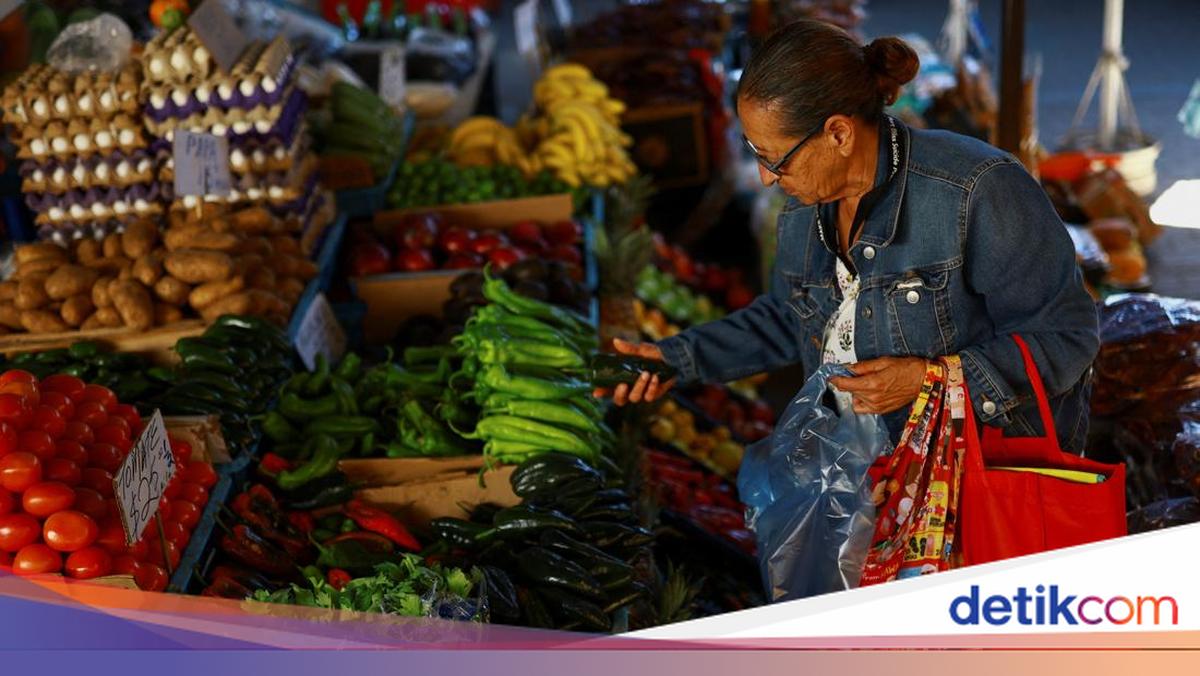
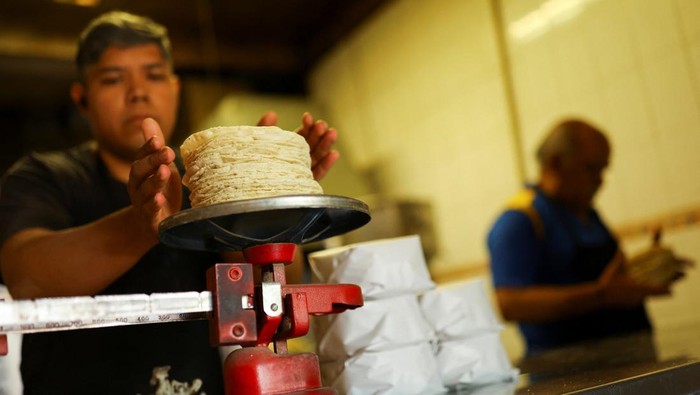
Several interconnected factors are driving the surge in food prices. First, adverse climatic conditions in key agricultural regions have led to reduced harvests for various staple crops, including maize, beans, and certain fruits and vegetables. Droughts in the northern and central parts of Mexico, coupled with unseasonable frosts in other areas, have disrupted supply chains from the farm gate to the consumer. For instance, the price of avocados, a key export and domestic staple, has seen an estimated 15% increase year-on-year, while the cost of tortillas, a foundational element of Mexican cuisine, has climbed by approximately 8% in the same period.
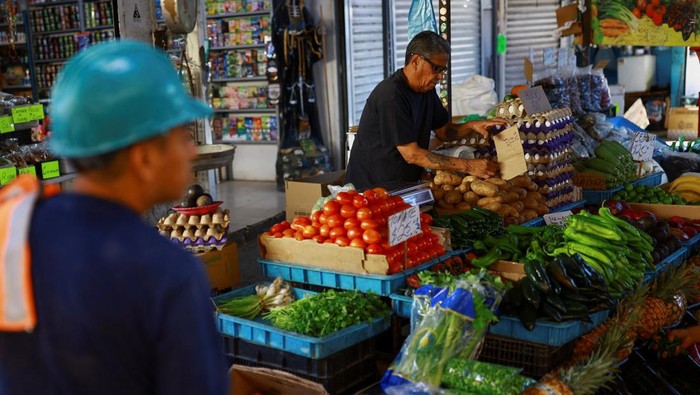
Second, disruptions in supply and distribution networks continue to play a role. While the most severe bottlenecks from the global pandemic have largely eased, localized logistical challenges, including infrastructure limitations and security concerns in some regions, can still impede the efficient movement of agricultural products. This leads to higher transportation costs for producers and distributors, which are inevitably passed on to consumers. The image from Ciudad Juarez vividly illustrates this, showing vendors selling fresh produce at markets where prices have clearly risen due to these supply-side pressures.
Third, global food commodity prices, although not as volatile as during the peak of the Russia-Ukraine conflict, still exert influence. Mexico is a net importer of several food items, and fluctuations in international markets for grains, oils, and other agricultural products can quickly translate into higher domestic prices. The weakening of the Mexican peso against the US dollar in certain periods has also made imported food components more expensive, further compounding the problem.
Energy Costs: A Global Ripple Effect
The escalation in energy prices is multifaceted. Global crude oil prices, which saw a resurgence in late 2025 and early 2026 due to geopolitical tensions in the Middle East and OPEC+ production cuts, have directly impacted gasoline and diesel prices at the pump. Mexico, despite being an oil producer, is a net importer of refined petroleum products, making its domestic fuel prices susceptible to international market movements. The average price of Magna gasoline, for example, has increased by about 10% since the beginning of the year, while electricity tariffs for industrial and commercial users have also seen upward adjustments.
Beyond international crude, domestic factors contribute as well. Maintenance issues at key refineries or power plants, coupled with increasing demand as economic activity recovers, can create localized supply constraints. The government’s subsidy policies for energy, while aimed at cushioning consumers, also have fiscal implications and can sometimes mask underlying market pressures that eventually surface. The ripple effect of higher energy prices is immediate and widespread, impacting not only personal transportation but also the operational costs for businesses, particularly those reliant on logistics and manufacturing. These increased costs for fuel and electricity are directly absorbed by businesses, which then factor them into the final prices of goods and services, contributing to broader inflationary pressures.
Macroeconomic Context and Central Bank Response
The persistent inflation above Banxico’s target range of 3% (with a tolerance band of +/- 1 percentage point) places the central bank in a precarious position. Their primary mandate is price stability, and the current environment necessitates careful consideration of monetary policy.
Banco de México’s Stance and Targets
Banxico has historically maintained a hawkish stance to combat inflation. In response to previous inflationary spikes, the central bank aggressively raised its benchmark interest rate, reaching a peak of 11.25% in early 2023. While there was some expectation of rate cuts in late 2025 and early 2026 as inflation appeared to be easing, the March 2026 surge complicates this outlook. Policymakers at Banxico are now likely to weigh the possibility of pausing any further rate cuts or even considering another hike if inflationary pressures prove more entrenched than anticipated. Their communications typically emphasize a data-dependent approach, closely monitoring all economic indicators, particularly those related to price formation and inflation expectations. The central bank’s next monetary policy meeting will be closely watched for signals on their assessment of the current inflationary environment and potential future actions.
The Broader Economic Landscape
Mexico’s economy has demonstrated resilience in recent years, benefiting from nearshoring trends and robust remittances. However, elevated inflation threatens to undermine this stability. High interest rates, a common tool to combat inflation, can simultaneously dampen economic growth by making borrowing more expensive for businesses and consumers, thus curbing investment and consumption. The government’s fiscal policy also plays a role. While efforts have been made to manage public finances prudently, any substantial increase in energy or food subsidies to alleviate consumer burden could strain the budget, potentially leading to other economic distortions. The country’s GDP growth projections for 2026, initially around 2.5-3%, could be revised downwards if inflationary pressures persist and require a tighter monetary policy response.
Impact on Households and Businesses
The direct consequences of surging inflation are felt most acutely by everyday Mexicans and small enterprises, who form the backbone of the economy.
Eroding Purchasing Power
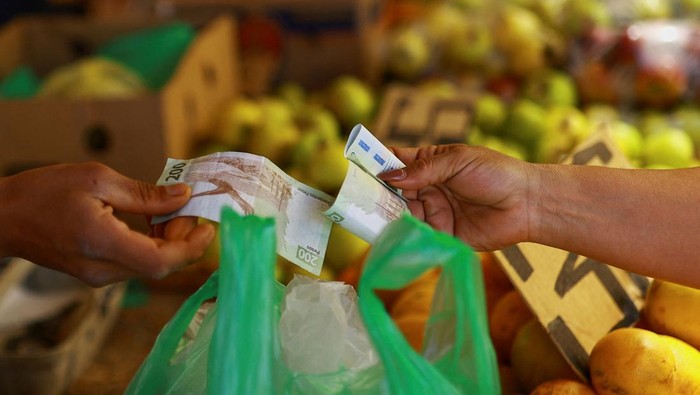
For households, the rising cost of food and energy translates directly into a reduction in real income. Wages, even if they see nominal increases, often lag behind inflation, meaning families can afford less with the same amount of money. This disproportionately affects lower-income households, who spend a larger percentage of their income on basic necessities. Reports from various consumer advocacy groups indicate that many families are resorting to cutting back on non-essential spending, reducing the quantity or quality of food consumed, and delaying purchases of durable goods. This erosion of purchasing power can lead to a decline in overall living standards and an increase in financial stress across the population.
Small Businesses Under Pressure

Small and medium-sized enterprises (SMEs) are particularly vulnerable to inflationary shocks. They face a double whammy: increased costs for raw materials, energy, and transportation, coupled with consumers who have less disposable income. Many small businesses operate on thin margins, and absorbing these higher input costs without passing them on to customers is often unsustainable. However, raising prices too much risks alienating price-sensitive consumers. This dilemma can lead to reduced profitability, slowed expansion plans, and in some cases, business closures. The images of market vendors in Ciudad Juarez illustrate the daily struggle of small business owners to maintain viability in an environment of escalating operational costs. Their ability to absorb price shocks is limited, forcing them to make difficult choices that can impact their employees and local economies.
Regional Disparities: The Case of Border Cities
The impact of inflation is not uniform across Mexico. Border cities, such as Ciudad Juarez, often experience unique economic dynamics that can amplify or alter the effects of national inflationary trends. These cities are heavily reliant on cross-border trade and distribution networks.
In Ciudad Juarez, the proximity to the United States means that local prices can be influenced by both Mexican and U.S. economic conditions, as well as the exchange rate. A strong peso against the dollar might make U.S. goods cheaper, but a weaker peso, or high internal transportation costs within Mexico, can make goods sourced from other parts of the country more expensive. Furthermore, these cities are often hubs for logistics and transportation, making them highly sensitive to fuel price increases. The dependency on cross-regional and international trade means that any disruption in supply chains, whether due to border policies, security issues, or infrastructure limitations, can have an immediate and significant impact on the availability and pricing of goods. This unique exposure can make residents of border cities feel the pinch of inflation even more acutely than those in other parts of the country.
Government Measures and Future Outlook
The Mexican government is not a passive observer in this inflationary environment. Various ministries are exploring and implementing measures to mitigate the impact and stabilize prices. These might include:
- Targeted Subsidies: Directing support to vulnerable populations for essential goods or utilities.
- Supply Chain Optimization: Working with agricultural producers and distributors to address bottlenecks and improve efficiency. This could involve investments in infrastructure, improved logistics, or programs to support local farming.
- Price Monitoring: Enhanced surveillance of prices for basic necessities to prevent speculative price gouging, although direct price controls are generally avoided in favor of market-based solutions.
- International Cooperation: Engaging with other countries and international bodies to stabilize global commodity markets, particularly for energy and food.
Looking ahead, the trajectory of inflation in Mexico will largely depend on a confluence of global and domestic factors. International oil prices, global food supply conditions, and the strength of the Mexican peso will all play crucial roles. Domestically, the effectiveness of Banxico’s monetary policy, the government’s fiscal response, and the resilience of internal supply chains will be key determinants. Analysts project that while inflation might remain elevated in the near term, there is an expectation for it to gradually converge towards Banxico’s target range by late 2026 or early 2027, provided no new significant shocks emerge. However, this path is fraught with uncertainties.
Expert Analysis and Projections
Economists from leading financial institutions have offered varied perspectives on Mexico’s inflationary outlook. Alfredo Coutiño, director for Latin America at Moody’s Analytics, recently noted that "the current inflation spike is a clear signal that underlying price pressures, especially in the non-core components, are proving more stubborn than anticipated." He suggested that Banxico might need to maintain its restrictive monetary policy stance for longer, potentially delaying anticipated rate cuts until inflation shows a definitive downward trend towards the target.
Similarly, Gabriela Siller, director of economic analysis at Banco BASE, highlighted the vulnerability of Mexican consumers: "The impact on purchasing power is undeniable. Families are making difficult choices, and this will inevitably affect consumption patterns and overall economic growth." She further emphasized the importance of addressing supply-side issues in the agricultural sector, suggesting that "monetary policy alone cannot solve problems stemming from weather-related crop failures or inefficient distribution."
The consensus among experts points to a challenging period ahead, requiring a coordinated approach from both monetary and fiscal authorities. While the current inflation rate of 4.5% is not at crisis levels, its persistence above the central bank’s target and its direct impact on the population’s welfare warrant serious attention and strategic intervention. The coming months will be critical in determining whether Mexico can navigate these inflationary headwinds without significantly derailing its broader economic recovery and development goals.
In conclusion, Mexico’s economy in March 2026 faces a critical juncture as inflation, driven primarily by escalating food and energy prices, continues to exert pressure. The challenges are complex, ranging from global commodity market volatility and climate-related agricultural disruptions to domestic supply chain inefficiencies and the erosion of consumer purchasing power. The Banco de México and the government are tasked with implementing robust and coordinated strategies to restore price stability, protect vulnerable populations, and ensure sustainable economic growth in the face of these persistent inflationary pressures. The images from Ciudad Juarez serve as a stark reminder of the everyday impact of these macroeconomic forces on individuals and small businesses across the nation.