Socio Today
The global culinary encyclopedia TasteAtlas has unveiled its updated rankings for the lowest-rated dishes in Southeast Asia, sparking a renewed debate over the intersection of cultural heritage, personal palate, and the subjectivity of international food ratings. Released in May 2026, the list identifies several dishes that, while cherished as traditional staples or legendary street foods within their home countries, have failed to resonate with the broader international audience contributing to the platform’s database. The rankings are based on thousands of user reviews, which the platform filters to exclude bot activity and nationalist "review bombing," aiming to provide a genuine reflection of global gastronomic preferences.
The inclusion of these dishes highlights a significant divide between local appreciation and the often-unfamiliar palates of international travelers. From the pungent fermented curries of Southern Thailand to the controversial bat stews of Northern Sulawesi, the list serves as a map of the region’s most challenging textures and intense flavor profiles. While "worst-rated" may carry a negative connotation, food historians and culinary experts argue that these dishes often represent the most authentic and resilient aspects of a nation’s food culture, surviving for centuries despite their inability to conform to standardized global tastes.
The Methodology and Context of the Rankings
TasteAtlas functions as an interactive atlas of world traditional foods, local ingredients, and authentic restaurants. Its rating system allows users to score dishes on a scale of 1.0 to 5.0. For the May 2026 Southeast Asian update, the platform analyzed ratings from both regional residents and international visitors. According to the platform’s editorial team, the "worst-rated" designation does not necessarily imply poor quality or lack of culinary skill; rather, it often indicates a dish with "acquired taste" characteristics—such as extreme spiciness, unusual animal proteins, or fermented aromas—that may be off-putting to those outside the specific cultural context.
The 2026 list is particularly diverse, featuring entries from Thailand, Brunei, Cambodia, Indonesia, Vietnam, and the Philippines. This geographical spread underscores the immense variety of Southeast Asian cuisine, which ranges from the mild and herbal to the extreme and pungent. The data suggests that dishes featuring insects, raw blood, or embryos consistently receive lower ratings from the general user base, reflecting a global bias toward more conventional protein sources.
Analysis of Featured Dishes: From Extreme Snacks to National Staples
Thailand’s Polarizing Culinary Spectrum
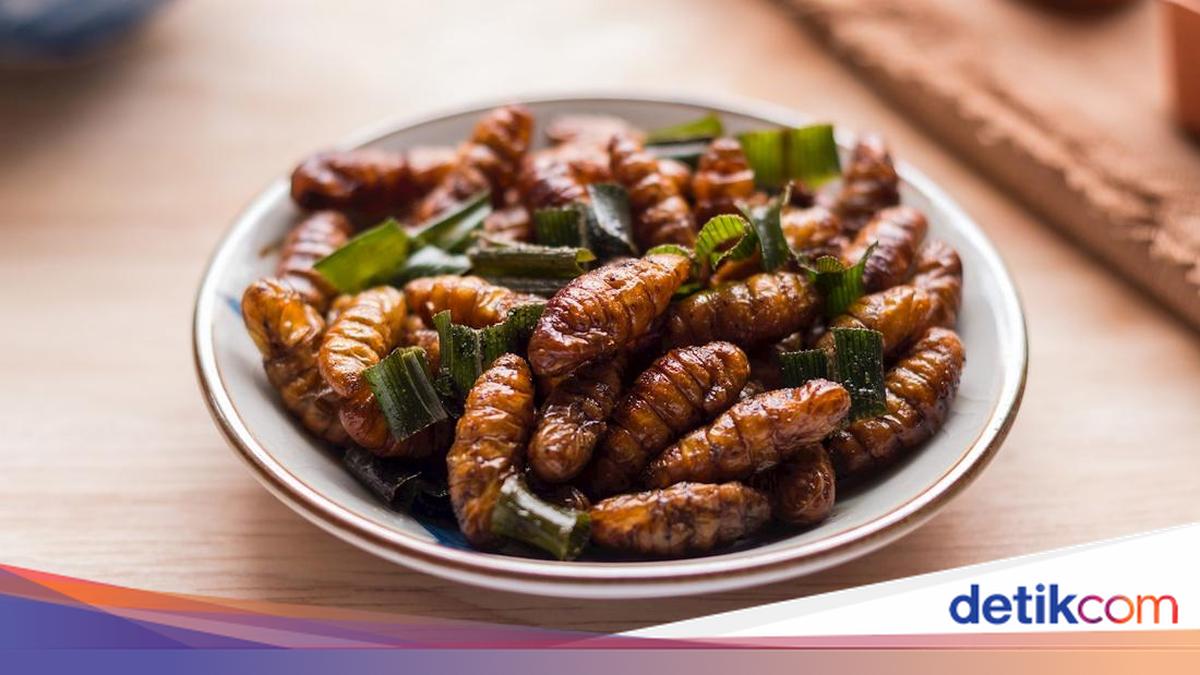
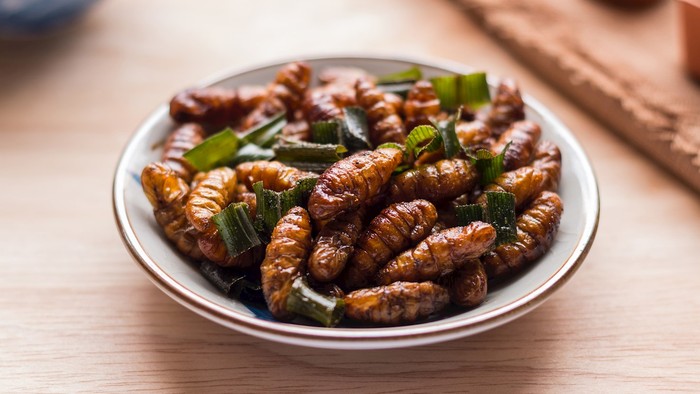
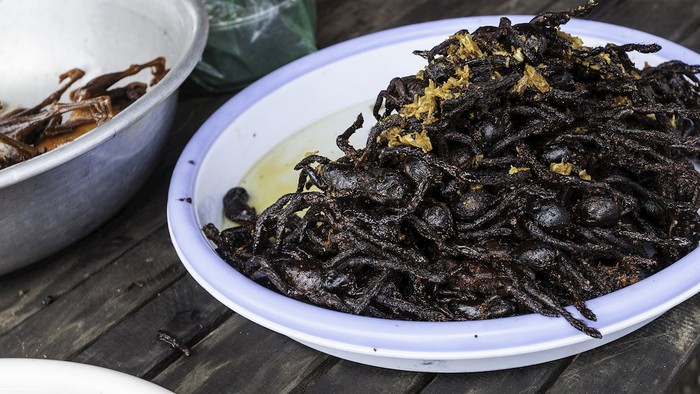
Thailand, a global powerhouse of gastronomy, surprisingly dominates the lower end of the rankings with several entries. Among the most notable is Hon Mhai, or deep-fried silkworms. Originating from the Isan region in the northeast, these larvae are a common street food in Bangkok. While locals prize them for their nutty flavor and high protein content, international reviewers often struggle with the psychological barrier of consuming insects and the slightly creamy interior of the larvae.
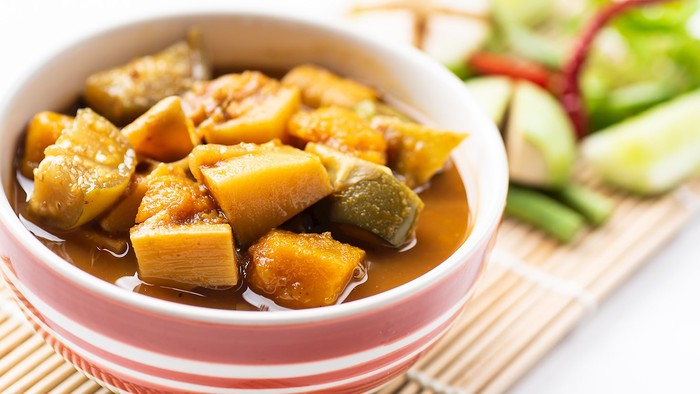
Another Thai entry is Kaeng Tai Pla, a thick, dark curry from Southern Thailand. Unlike the more globally popular Green or Red curries, Kaeng Tai Pla is made with fermented fish entrails. It is notoriously salty and intensely spicy, often regarded as one of the most difficult Thai dishes for outsiders to master. The rating reflects the dish’s uncompromising profile, which does not cater to the "tourist-friendly" spice levels found in many international Thai restaurants.
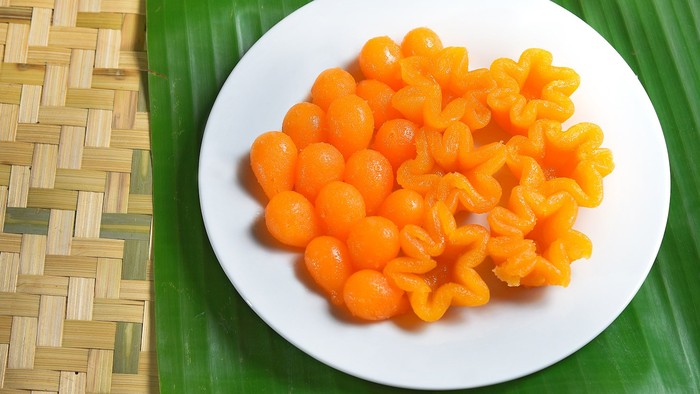
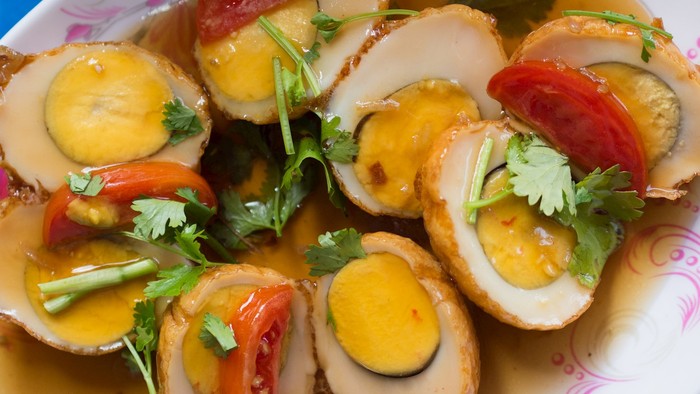
The list also includes Thong Yip, a sweet egg yolk dessert. Its low rating is an anomaly compared to the more extreme entries. Thong Yip is a "Golden Flower" dessert with historical roots in Portuguese influence, brought to the Ayutthaya Kingdom in the 17th century. Analysts suggest its low rating may stem from its overwhelming sweetness and the strong scent of egg, which can be cloying to those accustomed to lighter, modern desserts.
Indonesia’s Paniki: A Cultural Landmark in North Sulawesi
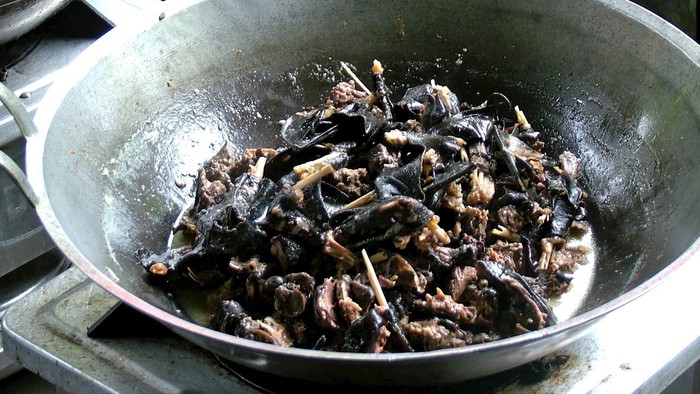
Representing Indonesia on the list is Paniki, a traditional dish from the Minahasa people of North Sulawesi. Paniki is a stew made from fruit bats (Pteropus), which are first singed to remove their fur and then cooked in a rich, spicy broth of coconut milk, ginger, turmeric, and large amounts of chili.
Paniki holds deep cultural significance in Minahasan celebrations, but it has faced scrutiny on two fronts: the visceral experience of seeing bat wings and heads in a bowl of soup, and modern health concerns regarding zoonotic diseases. Despite the low rating on TasteAtlas, the dish remains a point of pride for the people of Manado, who view it as a symbol of their unique culinary identity within the vast Indonesian archipelago.
Brunei’s National Dish: Ambuyat
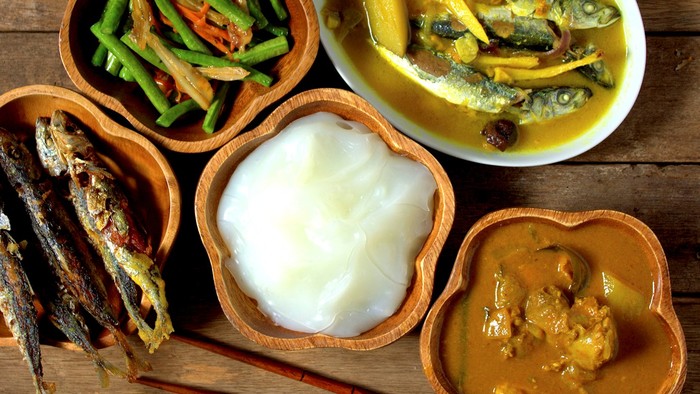
Brunei’s contribution to the list is Ambuyat, which ironically serves as the country’s national dish. Derived from the interior trunk of the sago palm, Ambuyat is a starch that is cooked into a translucent, glue-like substance. It is eaten using a double-pronged bamboo stick called a chandas, which is used to roll the starch into a ball.
The primary reason for its low rating is its texture. Ambuyat is flavorless on its own and is designed to be swallowed without chewing, accompanied by a variety of sour and spicy dipping sauces like cacah binjai. For many uninitiated diners, the mucilaginous, "slime-like" consistency is a significant hurdle, leading to lower scores on a platform dominated by those who prefer firmer textures.
Cambodia’s A-ping and Vietnam’s Tiet Canh
In Cambodia, A-ping, or fried tarantulas, remains a legendary culinary curiosity. While it became a necessity during the famine of the Khmer Rouge era, it has since evolved into a popular snack in towns like Skuon. Tourists often try it for the "shock factor," but few give it high marks for flavor, citing the bitter taste of the spider’s abdomen.
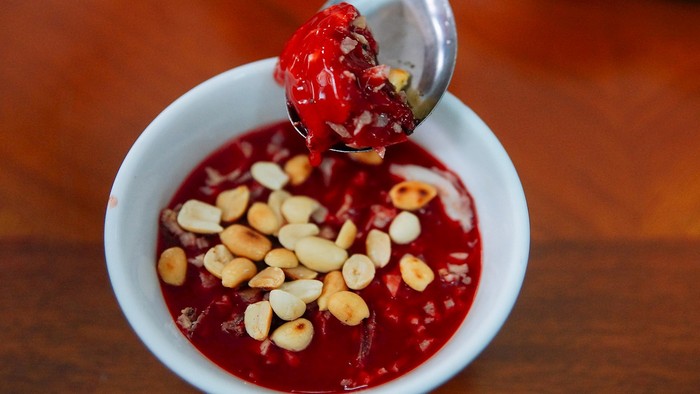
Vietnam’s Tiet Canh, or raw blood pudding, is perhaps the most controversial entry from a health perspective. Made from the fresh blood of pigs or ducks and seasoned with fish sauce, it is allowed to coagulate naturally before being topped with peanuts and herbs. While traditionalists in Northern Vietnam swear by its cooling properties, the dish has been the subject of numerous health warnings from the Vietnamese Ministry of Health due to the risk of Streptococcus suis infections and other blood-borne pathogens.
The Philippines’ Balut: The Ultimate "Extreme" Food
No list of challenging Southeast Asian foods is complete without Balut. This Filipino street food consists of a fertilized duck egg that has been incubated for 14 to 21 days, containing a partially developed embryo. While it is a beloved source of protein and a popular midnight snack in the Philippines, it consistently ranks as one of the most "disgusting" foods for foreigners. The combination of the crunchy beak, feathers, and the rich "soup" inside the shell creates a sensory experience that many find overwhelming.
Chronology of Culinary Perception
The perception of these dishes has shifted significantly over the last decade. In the early 2010s, "extreme eating" shows popularized these foods as challenges to be conquered. However, by 2026, the discourse has moved toward a more nuanced understanding of food sovereignty and cultural preservation.
- 2020-2022: The COVID-19 pandemic brought intense scrutiny to dishes like Paniki, leading to temporary bans in some markets and a dip in global popularity due to health fears.
- 2023-2024: A resurgence in "authentic travel" saw a spike in tourists seeking out these exact dishes to document on social media, though ratings remained low as the experience was often more about the "clout" than the flavor.
- 2025-2026: Platforms like TasteAtlas refined their algorithms to better categorize these dishes, distinguishing between "bad quality" and "culturally specific tastes."
Official Responses and Expert Analysis
Culinary experts and regional representatives have often reacted to these lists with a mixture of amusement and defense. Chefs in Bangkok and Jakarta have pointed out that "worst-rated" lists are frequently skewed by Western-centric standards of what food should look and feel like.
"A rating of 2.0 for Kaeng Tai Pla doesn’t mean the chef failed," says Dr. Somsak Boonhum, a food sociologist based in Bangkok. "It means the dish is doing exactly what it was meant to do: provide an intense, uncompromising flavor for a specific community. When we globalize these ratings, we risk homogenizing taste and discouraging the very diversity that makes Southeast Asia a food destination."
In the Philippines, tourism officials have previously used the "extreme" nature of Balut as a marketing tool, encouraging brave travelers to try it as a badge of honor. Similarly, in Brunei, the government continues to promote Ambuyat as a vital part of the nation’s "Malay Islamic Monarchy" identity, regardless of its international rating.
Broader Implications for the Food Industry
The publication of such lists has real-world implications for the culinary industry and tourism. For one, it can lead to "culinary gentrification," where traditional recipes are altered to become more palatable for international tourists, potentially erasing the original character of the dish. Conversely, these lists can also drive "dark tourism" or "extreme food tourism," where travelers specifically seek out the lowest-rated dishes to test their limits.
From a health and safety standpoint, the low ratings for dishes like Tiet Canh or Paniki may support ongoing efforts by regional health departments to encourage safer preparation methods or the use of alternative ingredients. However, the challenge remains to balance safety with the preservation of intangible cultural heritage.
Ultimately, the TasteAtlas list of the worst-rated Southeast Asian foods serves as a reminder that taste is never objective. It is a complex blend of geography, history, and upbringing. While these ten dishes may not win any global popularity contests in 2026, they remain essential threads in the rich tapestry of Southeast Asian life, providing sustenance and identity to millions who call the region home.