Socio Today
The paradigm of personal investment has undergone a seismic shift over the last decade, transitioning from the traditional accumulation of physical assets to the acquisition of experiential capital. For previous generations, financial success was measured by the procurement of tangible goods—primarily real estate, automobiles, and long-term savings accounts. However, recent sociological data and market trends indicate that Millennials and Generation Z are increasingly viewing travel not merely as a seasonal luxury, but as a fundamental lifestyle requirement and a more valuable investment than monetary savings. This shift toward an "experience economy" is redefining global tourism, labor markets, and the very concept of adulthood in the 21st century.
The Sociological Shift: From Materialism to Experientialism
The transition toward a travel-centric lifestyle is rooted in a broader cultural movement known as experientialism. According to research conducted by various global consultancy firms, including McKinsey & Company, younger consumers are prioritizing "doing" over "having." This trend is driven by several factors, including the rising costs of traditional milestones like homeownership, which have led many to seek fulfillment through more accessible, high-impact experiences.
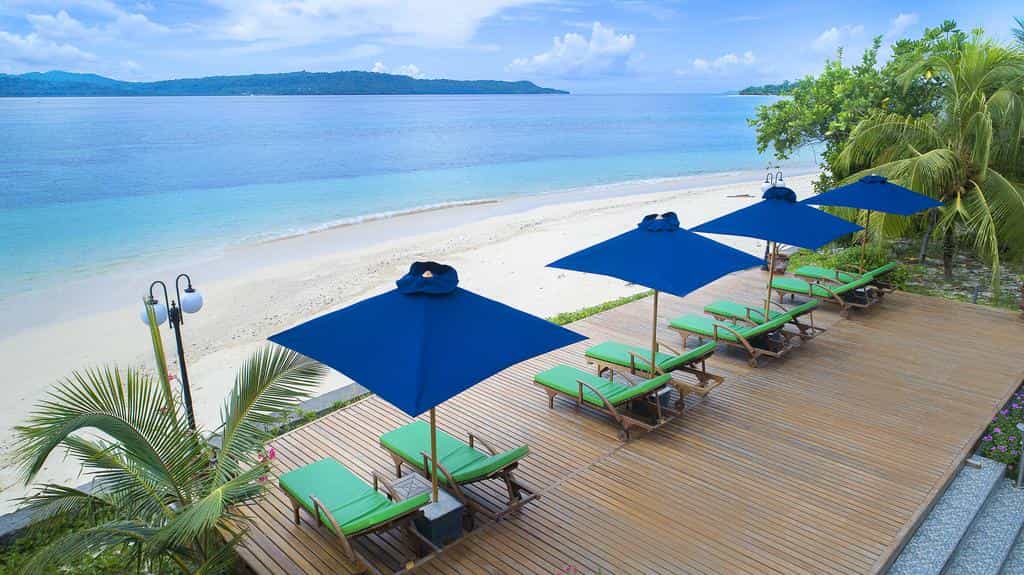
In the contemporary landscape, travel is viewed as a vehicle for self-actualization and personal growth. The Indonesian archipelago, with its vast array of natural landscapes and cultural diversity, has become a primary case study for this trend. As technological infrastructure improves and social media platforms provide a constant stream of visual inspiration, the drive to explore remote and challenging environments has intensified. For the modern traveler, the "return on investment" (ROI) is measured in memories, broadened perspectives, and the development of soft skills such as adaptability and cross-cultural communication.
Chronology of the Traveling Lifestyle Trend
The evolution of travel from a niche hobby to a dominant lifestyle can be traced through several distinct phases over the past twenty years:
- The Rise of the Budget Carrier (2000–2010): The proliferation of low-cost carriers (LCCs) democratized air travel, making international and domestic flights accessible to the middle class and students. This period saw the birth of the "backpacker" culture in Southeast Asia and Europe.
- The Social Media Revolution (2010–2015): The launch and explosion of Instagram transformed travel into a visual currency. "Instagrammability" became a metric for destination selection, and the role of the travel influencer began to shape consumer behavior.
- The Digital Nomad Era (2015–2020): Remote work technology allowed professionals to decouple their careers from a physical office. This period normalized the idea of "slow travel," where individuals stay in a location for months rather than days.
- The Post-Pandemic "Revenge Travel" Surge (2021–Present): Following the global lockdowns of the COVID-19 pandemic, there was a psychological pivot. The fragility of freedom led to a "live for today" mentality, accelerating the trend of prioritizing travel over long-term financial hoarding.
Supporting Data: The Economic Impact of Experience-Seeking
Market analysis underscores the weight of this demographic shift. According to the World Travel & Tourism Council (WTTC), the travel and tourism sector has consistently outpaced the growth of the global economy in recent years. A 2023 report on millennial spending habits indicated that approximately 65% of millennials save specifically for travel, often at the expense of other traditional investments.
Furthermore, data from financial institutions suggests that younger generations are delaying significant life purchases. In many urban centers, the age of first-time homebuyers has risen significantly. While economic factors like inflation and property prices play a role, the psychological preference for mobility cannot be ignored. Financial advisors are now seeing a rise in "travel funds" as a standard component of personal portfolios, treated with the same level of importance as retirement or emergency funds.
Strategic Approaches to the Travel Lifestyle
To successfully integrate travel into a permanent lifestyle rather than a temporary escape, industry experts and veteran travelers suggest a strategic approach. This involves a shift in mindset from "vacationing" to "navigating."
Resilience and the Courage to Commence
One of the primary barriers to adopting a travel lifestyle is the wait for "perfect conditions"—usually defined as an abundance of wealth or a gap in professional responsibilities. However, the journalistic consensus among travel analysts suggests that the most successful lifestyle travelers are those who prioritize action over perfection. This involves "surviving with what you have," which builds a specific type of psychological resilience. By stepping outside of established safety zones, individuals are forced to confront challenges that foster a more advanced way of thinking and a clearer sense of identity.
Flexibility and Tactical Adaptability
A hallmark of the modern travel lifestyle is the abandonment of overly rigid itineraries. While traditional tourism relies on strictly scheduled tours, lifestyle travel encourages a "go with the flow" methodology. This approach allows travelers to capitalize on spontaneous opportunities and local insights that are often missed when following a pre-planned script.

Industry professionals note that the ability to adjust to local conditions—whether they be weather changes, transport delays, or unexpected cultural events—is a critical skill. This fluidity ensures that the traveler remains a participant in the environment rather than a mere spectator. It also reduces the stress associated with "failing" to meet a schedule, making the experience more sustainable as a long-term lifestyle.
Cultural Intelligence and Integration
A significant component of the travel lifestyle is the development of cultural intelligence (CQ). This involves the capacity to function effectively across national, ethnic, and organizational cultures. For the lifestyle traveler, adaptation is the "primary weapon." This includes learning basic linguistic phrases, understanding social etiquettes, and respecting local traditions.
Sociologists argue that this level of integration is what separates a lifestyle traveler from a tourist. By immersing themselves in different social structures, travelers gain a more nuanced understanding of global issues and their own place within the world. This adaptation is not just a travel skill but a professional asset that is increasingly valued in the globalized job market.
Expert Perspectives and Industry Responses
Travel industry stakeholders have begun to pivot their business models to cater to this "lifestyle" demographic. Hotels are being replaced by co-living spaces that offer high-speed internet and communal kitchens, catering to the "work-from-anywhere" crowd.
"We are no longer selling rooms; we are selling a community and an environment for growth," says a representative from a major Southeast Asian hospitality group. "The modern traveler wants to feel like they are living in a destination, not just visiting it. They want authenticity, even if it comes with a bit of grit."
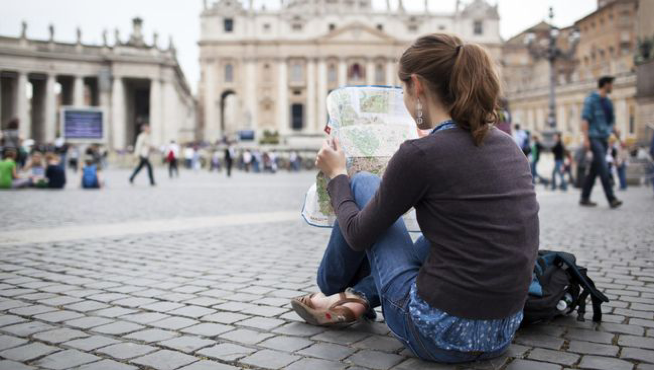
Psychologists also point to the mental health implications of this trend. Dr. Julianne Holt-Lunstad, a specialist in social connection, has noted that the diverse social interactions inherent in travel can combat the "loneliness epidemic" facing many young adults. The "travel lifestyle" provides a constant stream of new stimuli and social requirements that can enhance cognitive flexibility and emotional regulation.
Analysis of Implications: The Future of Living and Working
The rise of travel as a lifestyle has profound implications for the future of society. As more individuals choose to invest in experiences over assets, we may see a continued decline in traditional consumerism. This has a "green" implication as well; experientialism often has a lower carbon footprint than the continuous manufacturing and shipping of physical goods, provided that travelers engage in sustainable and eco-conscious transit.
However, there are also challenges. The "brain drain" in certain regions, as young talent moves toward more "travel-friendly" nomadic hubs, is a concern for local governments. Additionally, the lack of traditional asset accumulation could lead to a different kind of financial vulnerability in old age, prompting a need for new types of financial products that balance the desire for experience with the necessity of long-term security.
Conclusion: A New Definition of Wealth
The integration of travel into the daily life of the modern generation is more than a fleeting trend; it is a fundamental redefinition of what it means to live a "rich" life. By prioritizing the "investment of experience" over the "investment of money," Millennials and Gen Z are building a globalized, resilient, and culturally literate society.
The tips outlined—strengthening one’s resolve, maintaining tactical flexibility, and honing the ability to adapt—are not just travel advice; they are life skills for a rapidly changing world. As the boundaries between work, life, and travel continue to blur, the individuals who embrace this lifestyle find themselves better equipped to navigate the complexities of the 21st century. Traveling, when done with intention and courage, ceases to be a burden and becomes the ultimate tool for self-discovery and global connection. In the end, the memories of a life spent exploring the world are proving to be a more stable and fulfilling currency than any traditional bank account.