 Socio Today
The paradigm of financial allocation among the modern generation has undergone a significant transformation over the past decade, shifting from traditional asset accumulation toward the prioritization of experiential investment. For millennials and Gen Z, traveling has evolved from an occasional luxury into a fundamental lifestyle component. This cultural shift reflects a broader global trend where personal growth, cultural exposure, and the acquisition of unique life experiences are increasingly valued over the tangible acquisition of long-term assets such as real estate or automotive property.
The Macroeconomic Shift in Generational Priorities
Historically, the financial goals of previous generations were defined by stability and legacy-building, characterized by aggressive saving for homeownership, retirement funds, and large-scale asset procurement. However, data from various global consumer studies indicates a pivot in economic behavior. According to reports from the World Tourism Organization (UNWTO), the youth travel market—comprising individuals aged 18 to 35—now accounts for approximately 23% of the total international tourism volume.
This demographic shift is driven by a convergence of factors: the democratization of information through digital technology, the rise of the "gig economy," and a psychological prioritization of self-actualization. Economic analysts note that in high-cost-of-living urban centers, the barrier to entry for traditional milestones like homeownership has increased significantly, leading younger cohorts to reallocate their disposable income toward "experiential capital." This investment is perceived not as a frivolous expenditure, but as a mechanism for developing soft skills, global perspectives, and psychological resilience—attributes that are highly valued in the contemporary labor market.
Chronology of the Experiential Travel Boom
The transition toward lifestyle traveling can be traced through several distinct phases. In the early 2000s, tourism was largely facilitated by traditional travel agencies and focused on packaged, destination-heavy itineraries. By 2010, the emergence of social media platforms and peer-to-peer travel marketplaces disrupted this model, allowing for more granular control over individual travel experiences.
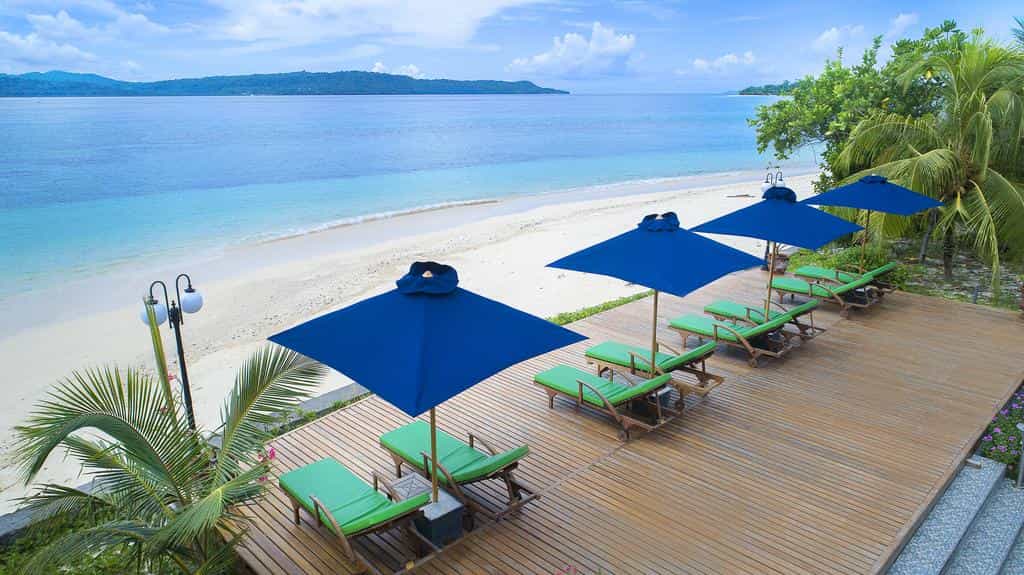
By 2015, the "digital nomad" phenomenon began to gain traction, further normalizing the concept of mobile living. The global health crisis of 2020 initially disrupted this trajectory, but the subsequent period of remote work adoption accelerated the trend. As of 2023, the integration of work and travel has become a mainstream practice, with "workations" and "bleisure" (business and leisure) travel becoming staples of the modern corporate culture. This evolution marks a departure from the traditional two-week vacation model, moving toward a lifestyle where travel is seamlessly integrated into daily life.
Data-Driven Insights: Why Experience Outweighs Materialism
A growing body of psychological research supports the assertion that experiential purchases provide greater long-term happiness than material ones. A study published in the Journal of Personality and Social Psychology found that the "hedonic adaptation"—the process by which humans grow accustomed to material objects—occurs much faster with physical goods than with experiences.
Furthermore, travel fosters cognitive flexibility. Navigating unfamiliar environments requires individuals to exercise problem-solving, emotional regulation, and linguistic adaptability. These "soft skills" are increasingly sought after by employers, suggesting that the "investment" in travel has quantifiable professional implications. The ability to manage logistics in a foreign country is effectively a real-world simulation of project management and crisis mitigation.
Strategies for Sustainable Lifestyle Traveling
Transitioning from a traditional mindset to one centered on lifestyle traveling requires strategic planning rather than impulsive financial decisions. Industry experts and travel consultants suggest a structured approach to ensure the sustainability of this lifestyle.
Establishing Financial Foundations
Contrary to the popular misconception that travel requires vast wealth, successful lifestyle travelers often employ the "low-cost, high-frequency" model. This involves meticulous budgeting and the prioritization of travel funds over non-essential lifestyle expenses. Financial advisors often recommend the "envelope method" or automated savings allocations specifically dedicated to travel funds, ensuring that the lifestyle remains sustainable without incurring high-interest consumer debt.

Strategic Planning and Flexibility
The hallmark of an experienced traveler is the balance between preparation and spontaneity. While a detailed itinerary provides a safety net, an over-reliance on rigid schedules often leads to missed opportunities. Modern travel philosophy encourages the "plan-to-adapt" approach: secure the essential logistics—transportation and initial accommodation—while leaving space for local recommendations and unplanned detours. This strategy reduces stress and allows for deeper immersion into the local culture.
The Art of Cultural Adaptation
The ability to integrate into new environments is the most critical asset for a lifestyle traveler. This extends beyond basic language skills to include an understanding of cultural nuances and social norms. Anthropological insights suggest that travelers who engage in "active listening" and observational learning in new environments develop higher levels of empathy and cultural intelligence. This adaptation is not merely a survival tactic but a method for achieving personal growth and challenging one’s own cognitive biases.
Industry and Social Implications
The rise of this travel-centric lifestyle has had profound implications for the global economy and local communities. The surge in demand for authentic, non-touristy experiences has led to the growth of community-based tourism, where travelers contribute directly to local economies rather than large-scale international conglomerates.
However, this trend is not without its challenges. The phenomenon of "over-tourism" has raised concerns regarding environmental sustainability and the preservation of local heritage. As more individuals adopt traveling as a lifestyle, the industry faces pressure to implement greener practices and more ethical tourism models. Consequently, the contemporary traveler is increasingly expected to be a steward of the environment, prioritizing carbon-offsetting initiatives and sustainable transport options.
Broader Impact on Personal Development
Ultimately, the shift toward lifestyle traveling represents a fundamental change in how the modern generation views its time on earth. By prioritizing the collection of memories and the broadening of horizons, individuals are engaging in a process of self-discovery that is rarely achieved through traditional material milestones.
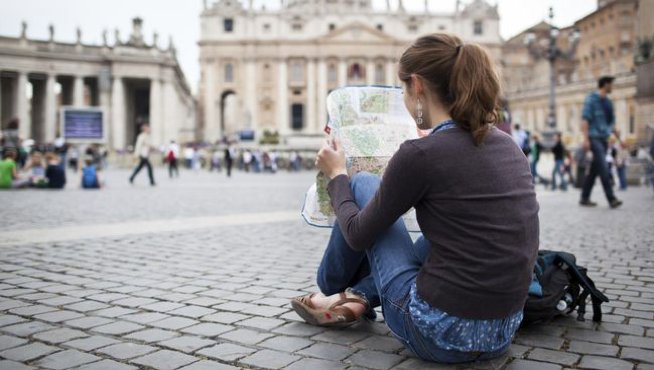
The experience of navigating diverse societies, encountering different worldviews, and overcoming the inherent challenges of travel serves to build a more robust, adaptable, and empathetic citizenry. As the barriers to travel continue to decrease, the integration of global exploration into the standard lifestyle will likely continue to expand, fundamentally altering the way the future workforce interacts with the world.
Conclusion
The evolution of travel from an occasional event to an essential lifestyle choice is a testament to the changing values of the 21st-century individual. While the financial and logistical demands are significant, the rewards—measured in personal growth, cultural literacy, and long-term psychological well-being—are viewed as invaluable. By fostering courage, adaptability, and a commitment to continuous learning, the modern traveler is not just exploring the world, but actively shaping a more interconnected and understanding global community. As we move forward, the success of this movement will depend on the ability of travelers to balance their desire for exploration with the imperative of responsible, sustainable, and respectful interaction with the destinations they visit.