Socio Today
The concept of traveling has undergone a profound transformation over the past decade, shifting from an occasional luxury reserved for retirement or milestone vacations into a foundational lifestyle choice for the millennial and Gen Z demographics. This shift represents a fundamental change in the way younger generations perceive capital allocation, moving away from traditional tangible investments such as real estate or automotive assets toward the pursuit of "experiential capital." Recent economic reports suggest that for individuals aged 25 to 40, the value derived from immersive travel experiences—ranging from cultural immersion to remote adventure—is increasingly viewed as a more reliable investment in personal development and mental health than conventional financial savings.
The Economic Shift: Experiences Over Assets
Historically, the standard path for wealth accumulation involved aggressive saving for property down payments or vehicle ownership. However, data from global consumer research firms indicates a clear divergence in fiscal behavior. According to recent surveys on millennial spending habits, nearly 65% of respondents in major urban centers prioritize discretionary spending on travel over home ownership or high-end consumer goods. This behavior is often attributed to the "experience economy," where the psychological return on investment—characterized by memories, networking opportunities, and the acquisition of soft skills—is prioritized over the depreciation risks associated with material assets.
Economists observe that this trend is not merely a product of impulsivity, but rather a calculated response to the volatile nature of the housing market and the rising cost of living. When traditional markers of success, such as property ownership, become increasingly inaccessible, younger generations pivot toward lifestyle investments that provide immediate and lasting personal value.
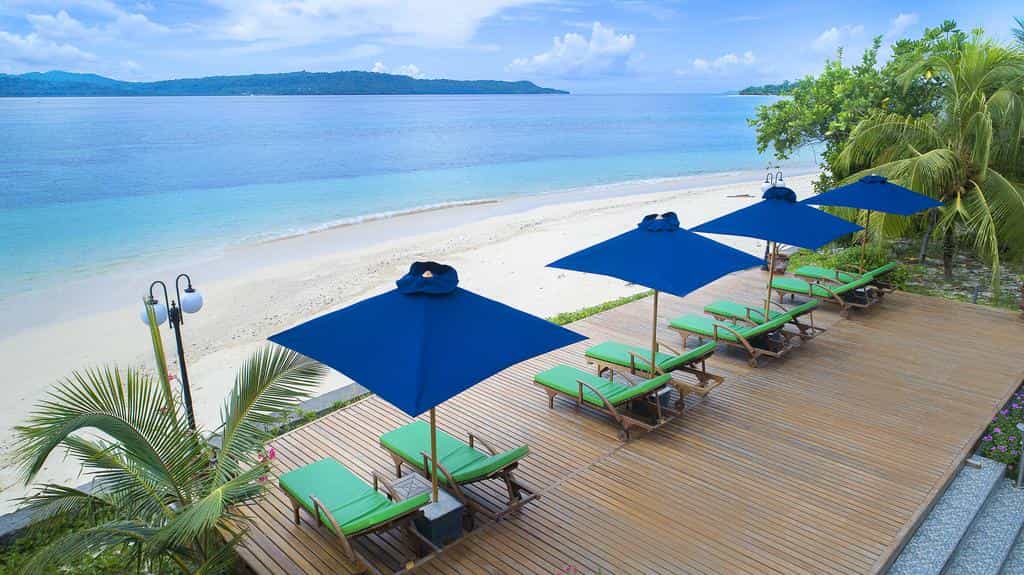
Chronology of the Travel Boom
The surge in travel as a lifestyle can be traced back to the early 2010s, coinciding with the rise of the "sharing economy" and the widespread adoption of social media platforms.
- 2010–2014: The emergence of platforms like Airbnb and travel-focused social media influencers began to normalize the idea of independent, non-traditional tourism. Traveling became more accessible and affordable, moving away from package tours toward curated, personalized experiences.
- 2015–2019: The "Instagram Effect" catalyzed travel demand. Remote work began to gain traction, albeit slowly, allowing for "bleisure" (business and leisure) travel, where professionals extended work trips to explore new territories.
- 2020–2021: Despite the global pandemic-induced hiatus, the desire for travel intensified, leading to the rise of "revenge travel" once borders reopened in 2022. This period solidified the necessity of travel as a mental health imperative rather than a luxury.
- 2023–Present: Travel has fully transitioned into a lifestyle. Digital nomadism has become a recognized professional category, with countries introducing specialized visas to attract this demographic, further legitimizing travel as a sustainable way of life.
Strategic Integration: How to Adopt a Sustainable Travel Lifestyle
Transitioning to a travel-oriented lifestyle requires more than just capital; it demands a strategic shift in mindset and logistical planning. To sustain this lifestyle, practitioners must move beyond the "vacationer" mentality and adopt the role of an "informed explorer."
1. The Psychology of Risk and Resilience
The initial barrier to adopting travel as a lifestyle is often the fear of financial instability or the perceived risks of long-term travel. Experts in behavioral psychology suggest that those who successfully adopt this lifestyle possess a higher degree of risk tolerance and a "survive-and-thrive" mindset. This does not mean traveling recklessly without funds, but rather optimizing one’s current resources to facilitate travel. It involves prioritizing essential expenditures and eliminating non-essential recurring costs that tether an individual to a stationary lifestyle.
2. The Art of Fluid Planning
One of the most common pitfalls for novice travelers is the desire for over-scheduling. Rigorous itineraries often lead to burnout and the "tourist trap" effect, where the traveler consumes the destination rather than experiencing it. Modern travel philosophy advocates for "fluid planning"—setting a broad objective for a journey while remaining open to serendipitous discoveries. This approach allows for authentic interaction with local communities and reduces the anxiety associated with deviations from a set plan.

3. Cultivating Adaptive Intelligence (AQ)
Adaptive Intelligence, or AQ, is perhaps the most critical asset for a long-term traveler. Unlike IQ, which measures cognitive ability, or EQ, which measures emotional intelligence, AQ measures the ability to thrive in a changing, unpredictable environment. For those living a lifestyle of travel, the ability to navigate different languages, cultural norms, and unforeseen logistical hurdles is what separates a successful nomad from an overwhelmed tourist. This requires patience, empathy, and a high degree of cultural humility.
Societal Implications and Institutional Responses
The rise of the travel lifestyle has forced governments and businesses to adapt. Tourism boards in nations such as Portugal, Bali, and Costa Rica have shifted their marketing strategies to attract long-term visitors rather than short-term sightseers. These initiatives include the introduction of "Digital Nomad Visas," which allow foreign professionals to reside in a country for extended periods while working remotely.
Furthermore, the hospitality industry has transitioned from providing standardized hotel experiences to offering community-driven living spaces. Co-living facilities, which provide shared workspaces alongside private accommodations, have become the preferred choice for this new demographic, effectively bridging the gap between professional productivity and experiential exploration.
Fact-Based Analysis of the Future of Travel
As we look toward the next decade, the "travel lifestyle" is likely to evolve in response to environmental concerns and geopolitical stability. The concept of "slow travel"—spending longer durations in fewer locations—is gaining prominence as a sustainable alternative to frequent, short-haul flights. This shift addresses both the carbon footprint concerns associated with modern tourism and the desire for deeper, more meaningful engagement with local ecosystems.
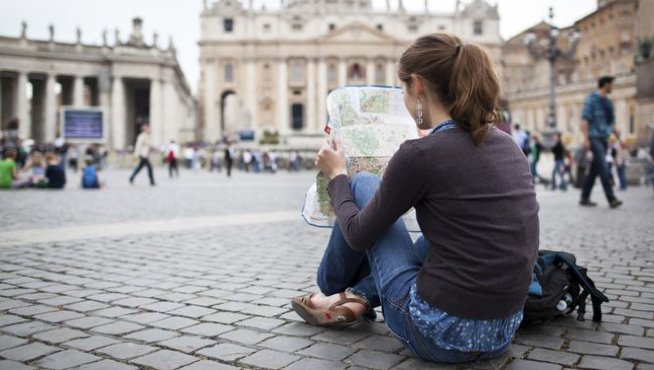
Moreover, the normalization of remote work continues to be the primary engine driving this trend. As corporations adopt flexible working models, the geographical constraints that once dictated the lifestyle of the middle class are eroding. While this offers unprecedented freedom, it also necessitates a new framework for financial planning, specifically concerning tax residency, social security, and health insurance coverage across borders.
Conclusion: The Holistic Benefits of Global Mobility
Ultimately, the decision to prioritize travel as a lifestyle is a commitment to continuous learning. By exposing oneself to diverse cultures, languages, and societal structures, individuals are better equipped to understand the complexities of the globalized world. The "experiential capital" gained through these journeys—resilience, cross-cultural competence, and a broadened worldview—is increasingly recognized by employers as a valuable asset in the modern workforce.
While the transition requires careful preparation and the cultivation of specific survival and adaptive skills, the long-term benefits of a travel-oriented life appear to outweigh the risks for the contemporary generation. As the global infrastructure continues to align with the needs of the mobile professional, the lifestyle of traveling is no longer a fleeting trend but a permanent fixture in the evolution of modern human experience. For those ready to embark on this path, the key lies in balancing the thrill of the unknown with the pragmatic requirements of a sustainable, long-term endeavor.