Bandung Institute of Technology Intensifies Ethics and Social Media Oversight Following Controversial Student Content

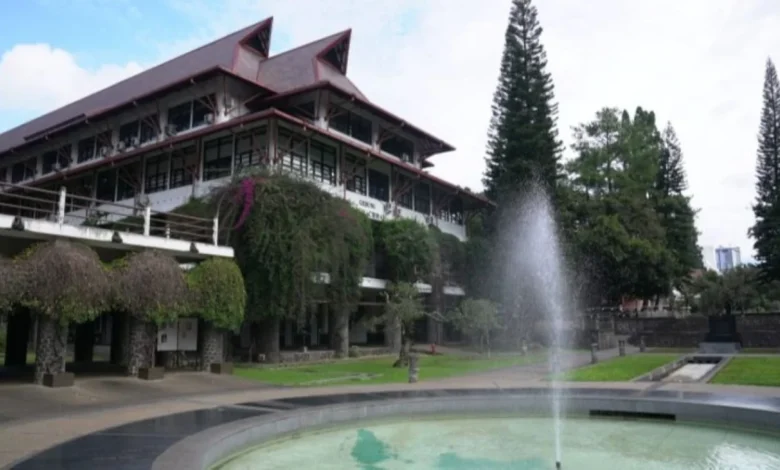
BANDUNG, VIVA – The Bandung Institute of Technology (ITB) has significantly ramped up its oversight of student ethics and social media literacy protocols. This decisive action comes in the wake of widespread public outcry over content circulated by the Himpunan Mahasiswa Tambang (HMT-ITB), the Mining Student Association, featuring the song "Erika," which ignited concerns of alleged verbal sexual harassment. The university’s proactive measures underscore its unwavering commitment to cultivating a dignified academic environment and proactively preventing any actions that could diminish human dignity, both within digital spaces and traditional academic settings.
The incident, which quickly garnered significant public attention and criticism, has prompted ITB to review and strengthen its existing frameworks for student conduct. The university views this as a pivotal moment to reinforce its core values and ensure that its reputation as a leading institution of higher learning is consistently upheld through the ethical conduct of its entire academic community.
Background and Context of the Incident
The controversy began earlier in April 2026 when content produced by HMT-ITB surfaced online, featuring students singing the traditional song "Erika." While "Erika" itself is a well-known German military march, its rendition and accompanying visuals by the student group reportedly contained elements that were widely interpreted as suggestive and demeaning, leading to accusations of verbal sexual harassment. The specific gestures, expressions, and potentially altered lyrics or context within the HMT-ITB’s content were perceived by a significant segment of the public as inappropriate and disrespectful, particularly in the current climate of heightened awareness regarding gender-based violence and harassment.
This incident is not isolated in the broader landscape of Indonesian higher education, which has increasingly grappled with issues of sexual harassment and misconduct within its institutions. Over recent years, there has been a growing national discourse and a push from both government and civil society for universities to implement robust prevention and handling mechanisms. The Ministry of Education, Culture, Research, and Technology’s Regulation No. 30 of 2021 concerning the Prevention and Handling of Sexual Violence in Higher Education Institutions (Permendikbudristek PPKS) serves as a critical legal framework, compelling universities to take definitive steps. The HMT-ITB incident, therefore, resonated deeply within this national context, placing ITB under scrutiny to demonstrate its adherence to these evolving standards and its commitment to fostering a safe environment. As one of Indonesia’s most prestigious technological universities, ITB’s response carries significant weight and sets a precedent for other institutions.
Chronology of Events

The sequence of events unfolded rapidly, highlighting the swift impact of digital content and public reaction:
- Early April 2026: Content produced by HMT-ITB, featuring the "Erika" song, is uploaded and begins circulating across various social media platforms and student group channels. The exact date of initial upload remains unspecified, but its spread precedes the public outcry.
- Mid-April 2026: Public outrage escalates as screenshots, clips, and full videos of the HMT-ITB content gain traction. Social media users, alumni, and advocacy groups express strong condemnation, citing concerns about verbal sexual harassment and the potential normalisation of inappropriate behaviour within a university setting. Calls for ITB to investigate and take disciplinary action become prominent.
- Prior to Wednesday, April 15, 2026: In response to the growing controversy, HMT-ITB issues an official apology. The association publicly acknowledges that the content did not align with academic values and expressed regret for the distress it caused. They commit to internal review and take immediate steps to remove the offending videos and audio from official and affiliated online channels.
- Wednesday, April 15, 2026: Dr. N Nurlaela Arief, Director of Communication and Public Relations ITB, issues a comprehensive statement from Bandung. She affirms ITB’s commitment to addressing the incident and outlines a series of proactive measures being implemented to prevent future occurrences and strengthen the university’s ethical foundation. Her statement emphasizes the incident as a "momentum penting" (important momentum) for change.
- Thursday, April 16, 2026 (Date of Article Publication): ITB’s new policies and intensified oversight initiatives begin to be rolled out across its campuses, marking a significant shift in the university’s approach to student ethics and digital conduct.
ITB’s Comprehensive Response and New Policies
In the wake of the HMT-ITB controversy, ITB has articulated a robust and multi-faceted strategy aimed at instilling a culture of respect, responsibility, and ethical conduct among its student body. The initiatives span various aspects of university life, from digital interactions to physical campus presence.
- Strengthening Ethics and Character Building: At the core of ITB’s response is a renewed emphasis on character development. This includes integrating ethical principles into academic curricula, promoting critical thinking, and fostering a deeper understanding of human dignity. The university plans to enhance workshops, seminars, and orientation programs that focus on integrity, empathy, and responsible citizenship, aiming to build a student body that is not only academically brilliant but also morally upright.
- Enhanced Social Media Literacy: Recognizing the pervasive influence of digital platforms, ITB is significantly expanding its social media literacy campaigns through the Direktorat Persiapan Bersama (Ditsama). These campaigns are designed to equip students with the skills to navigate the digital world responsibly. Key areas of focus include:
- Critical Media Consumption: Encouraging students to critically evaluate information and content online.
- Ethical Communication: Providing guidelines for respectful online discourse, avoiding hate speech, cyberbullying, and verbal harassment.
- Privacy and Digital Footprint: Educating students about the long-term implications of their online actions.
- Responsible Content Creation: Guiding student organizations on producing content that reflects university values and is free from any form of harassment or discrimination. Students are specifically urged to express opinions thoughtfully and respectfully, without resorting to personal attacks or derogatory language.
- Dress Code and Campus Etiquette: Beyond digital conduct, ITB is also reinforcing guidelines on appropriate appearance and general etiquette within the campus environment. This measure aims to maintain a respectful and professional atmosphere conducive to learning and collaboration. While specific details of the updated dress code are yet to be fully disseminated, the emphasis is on fostering an environment where all members of the community feel comfortable and respected.
- Violence Prevention and Handling Task Force (Satgas PPK): A critical component of ITB’s protective measures is the establishment and strengthening of a dedicated Task Force for the Prevention and Handling of Violence (Satgas PPK). This task force is mandated to cover all ITB campuses, including Ganesha, Jatinangor, Cirebon, and Jakarta, ensuring a unified approach to safety and support across the institution. The Satgas PPK’s responsibilities include:
- Consultation and Reporting Channels: Providing accessible, confidential, and safe channels for students, faculty, and staff to consult about or report incidents of violence, including sexual harassment.
- Investigation and Intervention: Promptly investigating reported cases with impartiality and taking appropriate actions in line with university policies and national laws.
- Victim Support: Offering support services, including psychological counselling and legal aid, to survivors of violence.
- Prevention Programs: Actively conducting awareness campaigns and educational programs to prevent violence.
This task force aligns with the national mandate for universities to have such bodies, emphasizing ITB’s commitment to a safe campus environment.
- Mandatory PPKS Material for New Students: To embed awareness and prevention from the earliest stages of academic life, ITB has made the material on the Prevention and Handling of Sexual Violence (PPKS) a mandatory component of its new student orientation and pembinaan (character building) programs. This proactive step ensures that incoming students are immediately educated on the importance of consent, respectful interactions, and the university’s zero-tolerance policy towards sexual violence, thereby cultivating a culture of respect and awareness from the outset.
Statements and Reactions from Related Parties
The comprehensive nature of ITB’s response has been met with varied reactions from stakeholders.
Dr. N Nurlaela Arief, Director of Communication and Public Relations ITB, reiterated the university’s firm stance: "ITB views this event as an important momentum to strengthen a campus culture that upholds ethics, respect for human dignity, and the prevention of all forms of violence, including verbal sexual harassment." She emphasized that through "the strengthening of ethics, character building, as well as continuously reinforced systems for the prevention and handling of violence, ITB strives to present an educational ecosystem that is not only academically excellent but also socially healthy." Her statements underscore the university’s dual commitment to academic rigor and social responsibility.
HMT-ITB, in their public apology, expressed remorse and acknowledged that "the content circulated did not reflect academic values." Their commitment to taking down all related video and audio content from official and affiliated channels was a crucial step in demonstrating accountability and mitigating further harm. This swift action by the student association itself is seen by some as a positive sign of internal reflection and a willingness to learn from mistakes.

Among the broader student body, reactions have been mixed. While many student representatives and advocacy groups have welcomed ITB’s decisive actions to address sexual harassment and promote ethical conduct, some have also raised questions about the balance between enforcing rules and ensuring freedom of expression. Concerns have been voiced about potential overreach in monitoring social media, though ITB maintains that the measures are focused on fostering responsible online behaviour, not stifling legitimate discourse. Student leaders are expected to engage in dialogue with the university administration to ensure that the new policies are implemented fairly and transparently.
Alumni groups and the general public have largely commended ITB for its prompt and robust response. Many expressed relief that the university is taking the incident seriously, viewing it as a necessary step to protect ITB’s long-standing reputation for excellence and integrity. Digital ethics experts, such as Dr. Indah Sukma, a prominent researcher in cyber psychology, commented, "Universities must adapt to the digital age. Incidents like these highlight the critical need for comprehensive digital literacy programs that go beyond technical skills to encompass ethical considerations and social responsibility. ITB’s proactive steps could serve as a model for other institutions navigating similar challenges."
Broader Implications and Future Outlook
The measures undertaken by ITB are poised to have significant and far-reaching implications for its academic culture and potentially for other higher education institutions across Indonesia.
- Impact on Academic Culture: The reinforced emphasis on ethics, social media literacy, and violence prevention is expected to reshape student interactions, club activities, and the overall campus atmosphere. It aims to foster a more inclusive and respectful environment where all members feel safe and valued, potentially leading to a decline in incidents of harassment and misconduct. However, the success of these initiatives will depend on consistent enforcement, continuous education, and the active participation of the entire academic community.
- Digital Responsibility in the Age of Social Media: The incident underscores the growing challenge for universities worldwide to manage student conduct in the digital realm. As social media platforms become integral to student life, institutions are increasingly faced with the responsibility of educating students on ethical online behavior, digital citizenship, and the consequences of their virtual actions. ITB’s approach offers a framework for integrating digital ethics into the core educational experience, moving beyond mere technological proficiency.
- Precedent for Other Universities: ITB’s comprehensive and public response could set a significant precedent for other Indonesian universities grappling with similar issues. Its detailed implementation of prevention mechanisms, reporting channels, and educational programs aligns closely with national regulations like Permendikbudristek PPKS, offering a practical model for compliance and proactive institutional change.
- Long-term Effectiveness and Sustainability: The long-term effectiveness of these policies will hinge on several factors: the consistency of enforcement, the ongoing development of educational materials to keep pace with evolving digital trends, and the creation of a supportive environment where victims feel empowered to report incidents without fear of reprisal. ITB will need to regularly evaluate the impact of its new policies and adapt them as necessary to ensure their continued relevance and efficacy.
In conclusion, the Bandung Institute of Technology’s swift and comprehensive response to the HMT-ITB controversy represents a critical juncture in its commitment to fostering an ethical and safe academic environment. By intensifying oversight, strengthening character building, enhancing digital literacy, and establishing robust prevention and handling mechanisms, ITB aims to not only address the immediate concerns raised by the incident but also to cultivate a generation of graduates who are not only intellectually capable but also deeply committed to human dignity and responsible citizenship in an increasingly interconnected world. The incident serves as a powerful reminder of the imperative for educational institutions to proactively address evolving societal challenges, particularly in the digital sphere, to maintain their integrity and uphold their foundational values.