Socio Today
The importance of dietary fiber in human nutrition has been a focal point of clinical research for decades, yet many modern diets continue to fall significantly short of the recommended daily intake. According to nutrition experts, fiber is not merely a digestive aid but a fundamental component of metabolic health, cardiovascular stability, and glycemic control. As global health organizations increasingly emphasize the prevention of non-communicable diseases, the integration of fiber-rich whole foods into daily consumption patterns has become a matter of public health urgency.
A comprehensive review of dietary habits published in leading health journals underscores that a fiber-deficient diet is strongly correlated with increased risks of obesity, type 2 diabetes, and colorectal complications. The current nutritional landscape, often dominated by processed foods, has necessitated a return to baseline staples that provide high-density nutrients. By examining the biological impact of specific fiber-rich foods, individuals can better navigate the complexities of daily nutritional planning.
The Biological Imperative of Fiber Consumption
Dietary fiber—a type of carbohydrate that the body cannot digest—functions as a regulator for the metabolic system. Unlike simple sugars or starches, which are broken down quickly, fiber passes through the digestive tract relatively intact. This process is essential for maintaining bowel regularity and preventing constipation. Beyond the gastrointestinal tract, soluble fiber dissolves in water to form a gel-like substance, which can lower blood cholesterol and glucose levels. Insoluble fiber, on the other hand, adds bulk to the stool and helps food pass more quickly through the stomach and intestines.
Medical professionals generally recommend that adults consume between 25 to 30 grams of fiber per day. However, recent data suggests that the average intake in many urbanized populations remains well below 15 grams. This "fiber gap" is largely attributed to the prevalence of ultra-processed, low-fiber convenience foods that lack the essential micronutrients required for long-term health.
1. The Nutritional Profile of Avocados
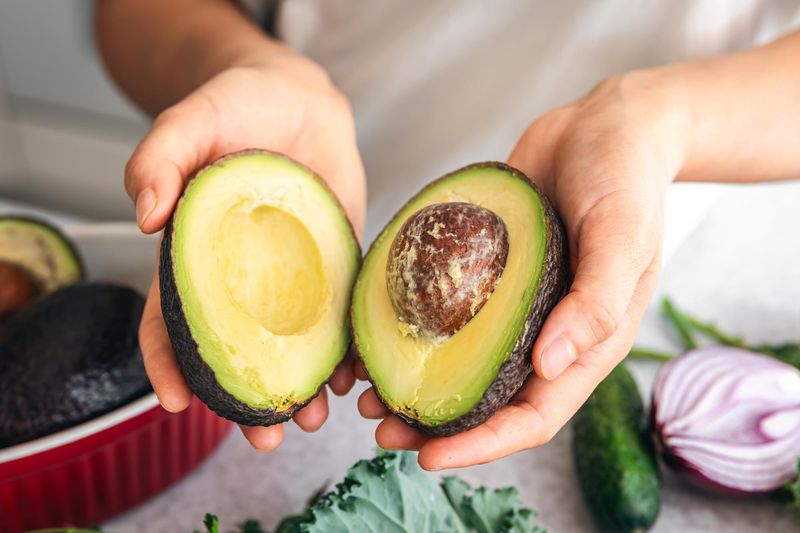
Avocados have transitioned from a niche ingredient to a global dietary staple, largely due to their impressive nutrient density. Beyond their reputation as a source of healthy monounsaturated fats, avocados are a potent source of dietary fiber, containing approximately 6.7 grams per 100 grams.
The physiological benefits of avocado consumption extend beyond simple digestion. The fruit is rich in magnesium, folate, and vitamins E and C, which collectively contribute to cellular health. Furthermore, avocados contain specific antioxidants—polyphenols, proanthocyanidins, and carotenoids—that help neutralize free radicals, thereby reducing systemic inflammation. For patients managing blood sugar, the inclusion of avocado in a meal can dampen the glycemic response, making it a valuable tool in the prevention and management of type 2 diabetes.
2. Legumes: The Case for Black Beans
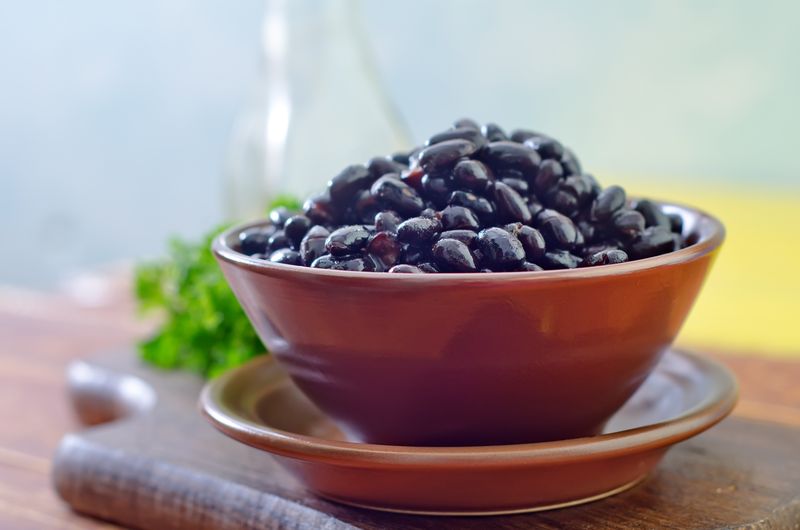
Legumes, specifically black beans, represent one of the most efficient ways to increase daily fiber intake. With a fiber content of approximately 8.9 grams per 100 grams in their cooked state, black beans serve as an essential protein source for both plant-based and omnivorous diets.
The cardiovascular implications of black bean consumption are significant. Research indicates that the high magnesium and potassium content in these beans plays a critical role in blood pressure regulation. Potassium acts as a vasodilator, reducing tension in the blood vessel walls, while magnesium supports heart rhythm stability. When integrated into a balanced diet, black beans serve as a prophylactic against hypertension, a leading cause of cardiovascular disease worldwide.
3. Lentils and Long-term Metabolic Health
Lentils are frequently cited by dietitians as a "superfood" due to their dual contribution of fiber (8.9 grams per 100 grams) and plant-based protein. This combination is particularly effective for appetite regulation. By slowing gastric emptying, the fiber in lentils promotes satiety, which can prevent overeating and facilitate weight management.
Furthermore, lentils are a superior source of folate. This B-vitamin is essential for DNA synthesis and repair, as well as the formation of red blood cells. During pregnancy, adequate folate intake is non-negotiable for fetal development. The integration of lentils into the diet offers a sustainable, cost-effective, and nutrient-dense solution to address common deficiencies in the modern diet.
4. Leafy Greens: The Bayam (Spinach) Standard
While often associated with low caloric density, spinach (bayam) is a vital source of dietary fiber, providing roughly 2.2 grams per 100 grams. While the fiber quantity is lower than that of legumes, the micronutrient profile—encompassing vitamins A, C, E, and K, as well as iron—is unparalleled.
Public health campaigns focusing on "five-a-day" vegetable portions often highlight spinach for its protective properties. Regular consumption is linked to lower risks of various cancers and chronic cardiovascular conditions. The synergy between its fiber content and high concentration of phytochemicals makes it an essential component of any anti-inflammatory dietary strategy.
5. The Fiber Synergy in Pears
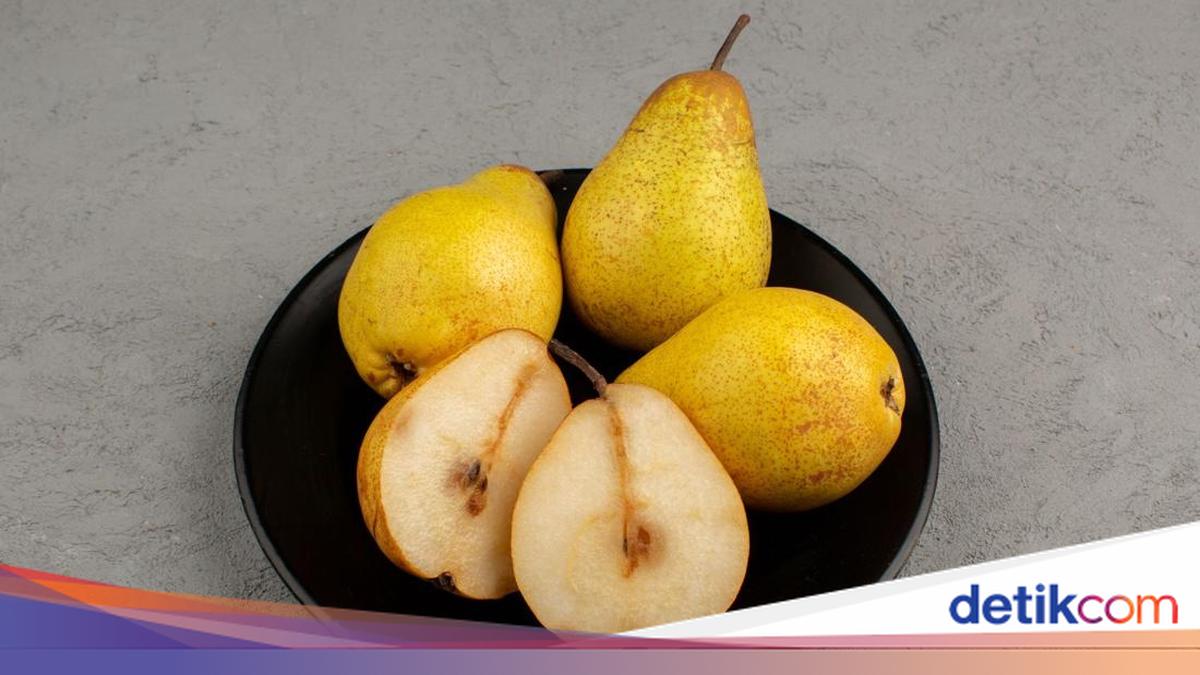
Pears are a prime example of why the "whole food" approach is superior to supplementation. With 3.1 grams of fiber per 100 grams, they are a convenient and effective snack. However, the preparation of the fruit is paramount. Nutritionists emphasize that roughly half of the fruit’s total fiber content is concentrated in the peel.
Consuming the skin of the pear provides insoluble fiber that assists in maintaining a healthy microbiome. Additionally, pears contain high levels of vitamin C and specific fitochemicals that assist in maintaining vascular elasticity. For those prone to high blood pressure, the regular intake of whole pears can serve as a simple, effective dietary intervention.
6. The Versatility of Pumpkin Seeds
Pumpkin seeds, often overlooked as a mere topping, are a powerhouse of nutrition, boasting 5.1 grams of fiber per 100 grams. Their high magnesium content makes them a functional food for heart health and muscle function.
The flexibility of pumpkin seeds allows them to be incorporated into diverse meals, from yogurt and oatmeal to complex salads. This ease of consumption makes them an ideal candidate for those looking to "sneak" more fiber into their diet without significantly altering the flavor profile of their meals. As an added benefit, the healthy fats found in these seeds complement the absorption of fat-soluble vitamins found in other vegetables.
Clinical Implications and Policy Context
The shift toward high-fiber diets is supported by an increasing body of clinical evidence. In 2023, several international health summits identified fiber intake as a primary metric for assessing the success of nutritional public health policies. Governments are increasingly encouraged to subsidize whole-food items like legumes and fresh produce to bridge the gap between socioeconomic status and nutritional quality.
From a clinical perspective, a high-fiber diet is not merely about "staying regular." It is about the modulation of the gut microbiome. Emerging research suggests that the fermentation of fiber by gut bacteria produces short-chain fatty acids (SCFAs), which have been linked to improved immune function, mental health through the gut-brain axis, and reduced chronic inflammation.
Strategic Integration: A Path Forward
For the average consumer, the transition to a high-fiber lifestyle does not require radical changes. It requires incremental shifts. Replacing refined grains with legumes, snacking on fruit with the skin intact, and incorporating seeds into breakfast bowls are small, sustainable actions that lead to cumulative health benefits.

However, medical professionals caution that a rapid increase in fiber intake must be accompanied by increased water consumption. Without sufficient hydration, high fiber intake can lead to digestive discomfort, such as bloating or cramping. Gradual introduction, alongside consistent fluid intake, is the gold standard for long-term adherence.
In summary, the six foods discussed—avocados, black beans, lentils, spinach, pears, and pumpkin seeds—provide a roadmap for those seeking to optimize their digestive and systemic health. By prioritizing these nutrient-dense options, individuals can take proactive control of their metabolic wellbeing, mitigating the risks associated with modern sedentary lifestyles and processed food consumption. The evidence is clear: fiber is the cornerstone of a healthy life, and the tools to achieve this are readily available in our everyday food supply.