Socio Today
The iconic "Maine Red Snapper," a staple of New England culinary tradition, is undergoing a significant transformation in its production process. W.A. Bean, the venerable Bangor-based meat processor, has announced a strategic shift in its manufacturing protocol to maintain the signature neon-red hue of its famous hot dogs. Following regulatory shifts mandated by the United States Food and Drug Administration (FDA), the company is transitioning away from the synthetic additive Red Dye 3, opting instead for a natural, albeit unconventional, alternative: carmine extract derived from cochineal insects.
This transition marks a pivotal moment for a company that has operated as a family-run business for over six generations. While the visual aesthetic of the product remains a priority, the move highlights the broader challenges food manufacturers face in reconciling historical consumer expectations with modern health safety standards and evolving regulatory frameworks.
The Regulatory Landscape: Why Red Dye 3 is Being Phased Out
The impetus for this change stems from the FDA’s long-standing scrutiny of synthetic food dyes. Red Dye 3, chemically known as Erythrosine, has been the subject of controversy for decades. In 1990, the FDA banned the use of Red Dye 3 in cosmetics and topical drugs after studies indicated that high doses could induce thyroid tumors in laboratory rats. However, the use of the dye in food and ingestible products remained permitted under specific conditions, a loophole that has been increasingly challenged by consumer advocacy groups and health researchers.
The regulatory clock for Red Dye 3 began ticking in earnest when the FDA finalized its directive for manufacturers to phase out the additive. By January 15, 2027, the use of this synthetic colorant must be entirely eliminated from food products in the United States. This mandate has forced legacy brands like W.A. Bean to innovate quickly, as the vibrant red color is not merely a cosmetic choice but a defining characteristic of the Maine Red Snapper, which is prized for its "snap" and distinct visual profile.
The Science of Carmine: From Cactus to Casing
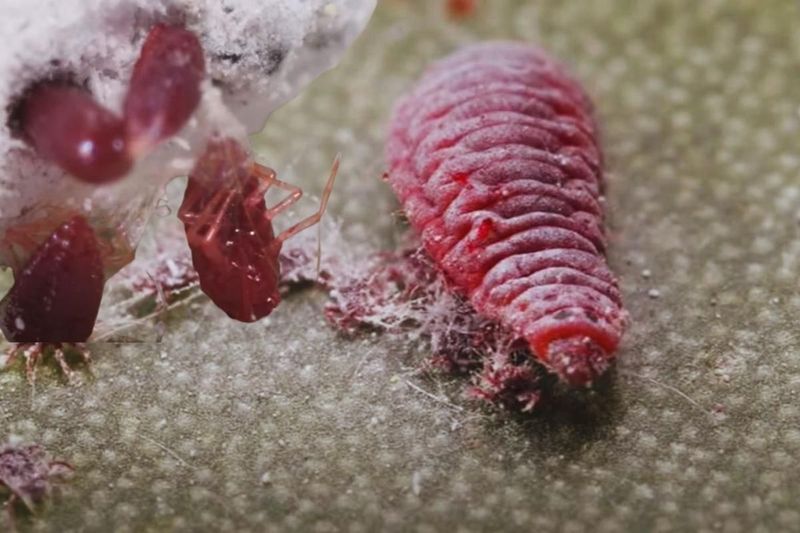
To replace the synthetic dye, W.A. Bean has turned to carmine, a natural red pigment produced from the cochineal insect (Dactylopius coccus). These insects are small, scale-like creatures that thrive on prickly pear cacti, predominantly in regions of Latin America, including Peru and Mexico.

The process of creating carmine is an intricate, centuries-old practice. The insects are harvested, dried, and then processed to extract the pigment, which is essentially carminic acid. Once extracted and purified, this substance produces a vivid, stable red color that is highly resistant to heat and light—characteristics that are essential for the high-temperature environment of meat processing.
Carmine is not a novel invention in the food industry. It is a well-established additive, frequently labeled as E120 in international markets, and is commonly found in a wide variety of consumer goods. From strawberry-flavored yogurts and fruit-flavored candies to processed meats, juices, and even cosmetics like lipstick, the use of cochineal extract is widespread. Despite its prevalence, its use in a staple product like the Maine hot dog underscores the ongoing shift toward natural colorants as the food industry moves away from petroleum-based synthetic dyes.
W.A. Bean and the Heritage of the Maine Red Snapper
For those unfamiliar with the cultural weight of the Maine Red Snapper, it is important to understand its role in regional gastronomy. In Maine, these hot dogs are a cultural institution, often associated with summer barbecues, local festivals, and the specific, crisp "snap" that occurs when the natural casing is bitten into.
W.A. Bean, founded in the 19th century, has built its reputation on quality and tradition. By choosing carmine as the successor to Red Dye 3, the company is attempting to bridge the gap between necessary compliance and brand identity. In a formal statement regarding the transition, the leadership at W.A. Bean emphasized that the decision was carefully considered to ensure that the "integrity" of the family business remained intact.
"With our transition to a natural red colorant, we are continuing to evolve our product line while steadfastly maintaining the traditions, quality, and legacy that have defined our family business for over six generations," the company noted in its official communication. The firm views the Maine Red Snapper not just as a commodity, but as a piece of the state’s culinary heritage that must be preserved for future generations.
Operational and Sensory Implications
One of the primary concerns for any food manufacturer when changing an ingredient is the potential impact on flavor, texture, and cost. Sean Smith, Director of Sales at W.A. Bean, has been proactive in addressing these concerns. According to the company, extensive testing has been conducted to ensure that the transition to carmine does not alter the sensory experience of the product.
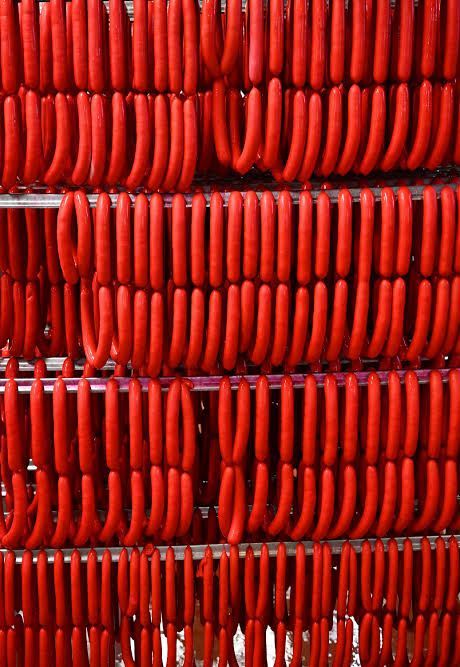
"There is no difference in the snap, the taste, or the overall mouthfeel," Smith stated. This assurance is vital for a customer base that has been conditioned to expect a specific, high-quality product. The "snap" of the casing, which is produced by the natural collagen in the casing itself rather than the dye, remains unaffected by the change in coloring agent.
From a financial standpoint, the shift is not without its challenges. Carmine is significantly more expensive to source and process than the synthetic Red Dye 3. The logistical chain involves sourcing raw insect material from specialized agricultural suppliers, followed by a more complex extraction process than the mass-produced synthetic alternatives. Despite these increased costs, W.A. Bean has indicated that they do not intend to pass these expenses on to the consumer, opting to absorb the costs to maintain competitive pricing and brand loyalty.
Broader Implications for the Meat Industry
The W.A. Bean case study serves as a microcosm for the larger food industry. As the FDA continues to tighten regulations on synthetic additives, other manufacturers of traditionally "dyed" foods are likely to follow suit. The industry is currently witnessing a massive pivot toward "clean label" products—foods that contain natural, recognizable ingredients rather than long lists of artificial chemicals.
However, this shift raises its own set of concerns. The use of carmine, while natural, is a point of contention for some consumer groups. Because it is derived from insects, it is not suitable for vegan or vegetarian diets, and it has been known to cause rare allergic reactions in some individuals. This has led to debates regarding how food products should be labeled, with some consumer advocates pushing for more transparent disclosures on the origin of food dyes.
Furthermore, the reliance on cochineal insects highlights the potential volatility of natural supply chains. Unlike synthetic dyes, which can be manufactured in a laboratory with consistent, predictable yields, natural pigments are subject to the vagaries of climate, agricultural success, and global trade. If the demand for carmine increases sharply as more companies abandon Red Dye 3, the industry may face supply shortages or significant price fluctuations.
Historical Context and Future Outlook
The use of red dyes in processed meats has a long, storied history in the United States. In the early 20th century, the vibrant red color was often used to signify freshness and quality, a visual cue that became deeply ingrained in the consumer consciousness. As we move further into the 2020s, the priority of the consumer has shifted toward health and safety, prompting regulatory bodies to re-evaluate the additives that have been in use for decades.
For W.A. Bean, the transition represents a delicate balancing act. They are forced to comply with the 2027 mandate while simultaneously shielding their brand from the potential negative perception of changing a "classic" recipe. By framing the change as an evolution that respects their long-standing heritage, they are attempting to navigate this change without alienating their core demographic.
The successful implementation of this transition will likely be watched closely by other regional food producers. If W.A. Bean can maintain its market share and customer satisfaction levels while using natural carmine, it will provide a blueprint for other companies navigating the post-Red Dye 3 landscape.
Conclusion
The case of the Maine Red Snapper serves as a reminder that the food on our plates is a product of both culinary tradition and scientific evolution. As regulations change, the methods of production must adapt, often in ways that surprise the average consumer. While the news that a classic hot dog is now colored with insect extract may be jarring to some, it represents the modern reality of the food industry: a continuous quest to balance the historical aesthetics of beloved products with the rigorous safety standards of the modern age.
As the January 2027 deadline approaches, the food industry will continue to look toward sustainable and safe alternatives to synthetic additives. Whether through carmine, beet juice, or other plant-based colorants, the "red" in our food is changing. For W.A. Bean, the goal remains simple: to provide the same product their customers have enjoyed for generations, ensuring that the legacy of the Maine Red Snapper survives, one natural, insect-derived hue at a time. Through careful management and a commitment to quality, the company is proving that it is possible to modernize a product without losing the soul of the tradition it represents.