Socio Today
In a sophisticated fusion of culinary art and environmental advocacy, IKEA Indonesia hosted a landmark event in Jakarta to commemorate World Ocean Day, featuring a unique molecular gastronomy experience led by the renowned Chef Andrian Ishak. The event, held on Monday, June 15, 2026, served as the centerpiece for a broader campaign aimed at promoting sustainable seafood consumption, specifically highlighting the importance of the Marine Stewardship Council (MSC) certification. By collaborating with the MSC and Chef Ishak, IKEA Indonesia sought to demonstrate that sustainable dining can be both ethically responsible and sensorially extraordinary, utilizing MSC-labeled salmon as the primary protein to showcase a commitment to preserving marine biodiversity.

The initiative comes at a critical time for global marine health, as overfishing and habitat destruction continue to threaten the stability of the world’s oceans. IKEA, as a global retail giant with a significant food service footprint, has leveraged its platform to educate consumers on the "Blue Label" found on their seafood products. This label signifies that the fish has been caught using methods that ensure the long-term health of the species and the surrounding ecosystem. The event in Jakarta was designed to bridge the gap between corporate sustainability goals and the consumer experience, turning a complex environmental message into a tangible, edible narrative.
The Intersection of Science and Sustainability: Chef Andrian Ishak’s Vision
Chef Andrian Ishak, the founder of Namaaz Dining and a pioneer of molecular gastronomy in Indonesia, was selected for this collaboration due to his ability to deconstruct and reimagine traditional flavors through scientific techniques. Molecular gastronomy involves the application of physical and chemical principles to cooking, allowing chefs to manipulate textures and forms in ways that surprise the palate. For the World Ocean Day campaign, Ishak utilized these techniques to emphasize the versatility of sustainable salmon, proving that eco-friendly ingredients can serve as the foundation for high-end, innovative cuisine.
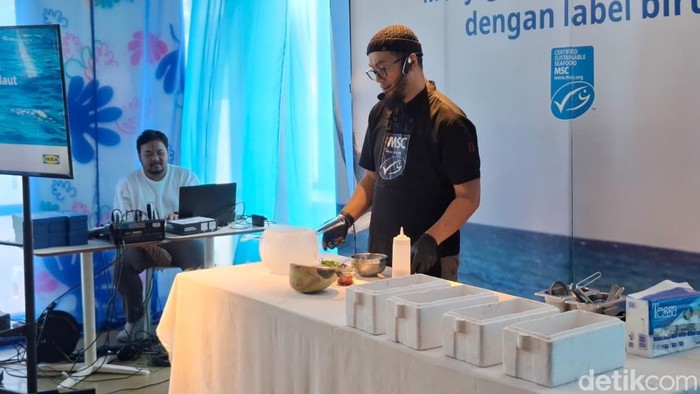
The choice of salmon is particularly relevant to IKEA’s global food strategy. As one of the largest purveyors of Atlantic salmon globally, IKEA has committed to sourcing 100% of its seafood from MSC or Aquaculture Stewardship Council (ASC) certified fisheries. By bringing this commitment to the forefront in Indonesia, the company aims to foster a more conscious dining culture in a nation that is both a major consumer and producer of seafood.
A Four-Course Culinary Narrative: From Naniura to Es Doger
The menu curated by Chef Andrian Ishak for the event was a masterclass in "trompe-l’œil" (deceiving the eye) and cultural reinterpretation. Each course was designed to tell a story of the ocean, the land, and the necessity of balance between the two.

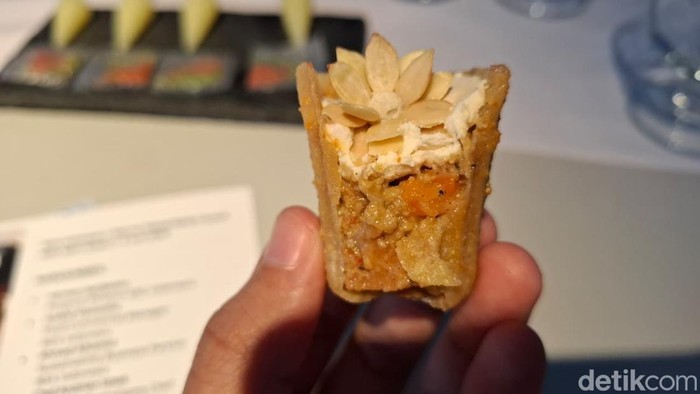
The first course drew inspiration from Naniura, a traditional Batak dish from North Sumatra often referred to as "Indonesian sashimi." Traditionally made with carp marinated in acid and spices, Ishak’s version utilized MSC-certified salmon. However, the presentation was entirely modern. The dish featured a crisp outer layer made from fermented tempeh, housing the tender, acid-cured salmon within. To add a layer of complexity and texture, the dish was topped with processed watermelon seeds, providing a nutty crunch that contrasted with the brightness of the marinade. This course served as an homage to Indonesia’s rich culinary heritage while demonstrating how sustainable international proteins can be integrated into local flavor profiles.
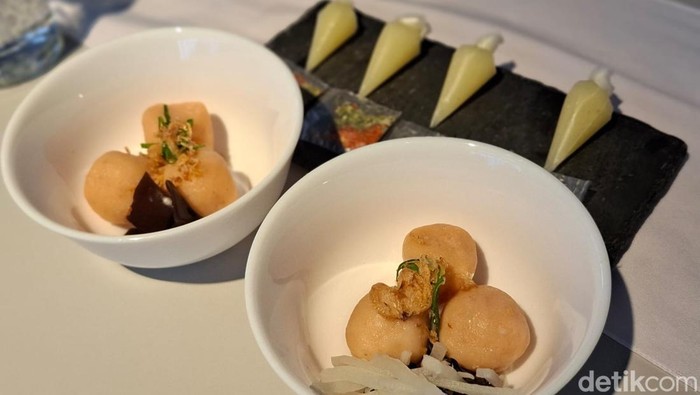
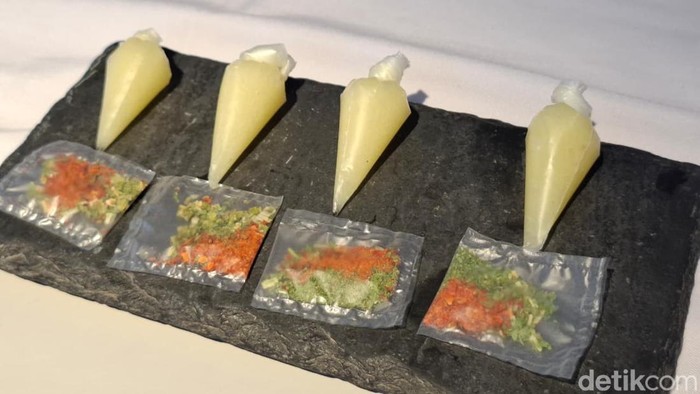
The second course reimagined Tekwan, a beloved fish ball soup from Palembang. While Tekwan typically uses Spanish mackerel (tenggiri), Ishak substituted it with finely minced salmon to maintain the theme of the event. The true "molecular" twist, however, lay in the interactive element. Guests were encouraged to mix their own seasonings and noodles into the broth. The seasonings were packaged in edible plastic—a clear film made from seaweed or starches that dissolves instantly upon contact with heat or water. This was not only a technical feat but also a poignant commentary on the reduction of single-use plastics in the food industry, a key component of ocean conservation.
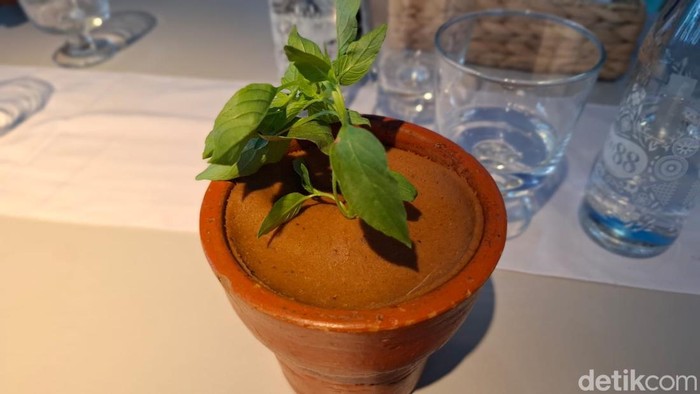
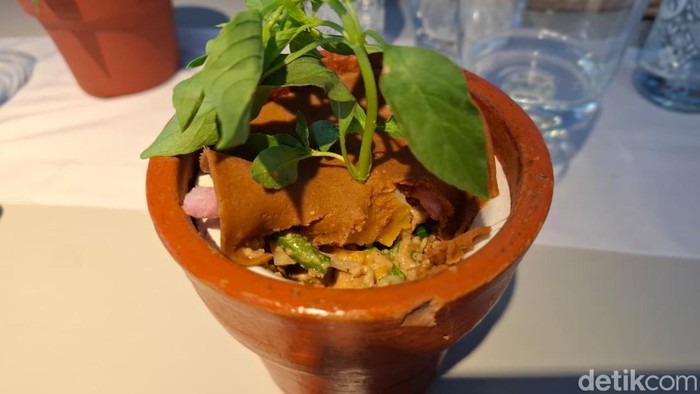
The main course was a visual and conceptual marvel: Gado-gado presented in a flowerpot. Upon serving, the dish appeared to be a small potted plant, complete with a miniature tree and a layer of dark "soil." This soil, however, was a savory crumble made from a blend of salmon and tempeh bacem (a traditional Javanese preparation involving palm sugar and spices). To consume the Gado-gado hidden beneath, diners had to "break" the soil and mix the ingredients. This dish highlighted the interconnectedness of terrestrial and marine food systems, emphasizing that the health of the soil and the health of the sea are inextricably linked.
The experience concluded with a reimagined Es Doger, a classic Indonesian coconut-based dessert. Chef Ishak employed liquid nitrogen to "flash-freeze" the components of the dessert on-site. The process created a dramatic cloud of vapor, a signature of molecular gastronomy, resulting in a dessert with an incredibly smooth, airy texture. This final course provided a celebratory end to the meal, reinforcing the idea that innovation is essential for a sustainable future.
The Significance of the Marine Stewardship Council (MSC) Label
A central theme of the event was the education of the public regarding the MSC label. The Marine Stewardship Council is an international non-profit organization that sets a standard for sustainable fishing. For a fishery to be MSC-certified, it must meet three core principles: maintaining healthy fish populations, minimizing environmental impact on the marine ecosystem, and ensuring effective management that complies with relevant laws.
According to data presented during the campaign, Indonesia is the world’s second-largest producer of seafood, yet the adoption of international sustainability certifications has been gradual. By partnering with IKEA, the MSC aims to increase "blue label" recognition among Indonesian consumers. When consumers choose MSC-labeled products, they are providing a financial incentive for fisheries to operate responsibly. This market-driven approach to conservation is vital for protecting species like salmon, which are subject to high global demand.
IKEA Indonesia’s sustainability representatives noted that the company’s "People & Planet Positive" strategy involves more than just reducing carbon emissions; it involves transforming the entire supply chain. By 2030, IKEA aims to be a circular and climate-positive business, and the promotion of sustainable diets is a major pillar of this goal. The World Ocean Day event serves as a localized manifestation of this global ambition.
Chronology of the IKEA World Ocean Day Campaign
The event on June 15 was the culmination of a week-long series of activities designed to engage the public. The chronology of the campaign included:
- June 8 (World Ocean Day): Digital launch of the "Save Our Seas" awareness campaign across IKEA Indonesia’s social media platforms, providing educational content on the MSC label.
- June 10-12: In-store educational displays were set up at IKEA locations in Alam Sutera, Jakarta Garden City, and Kota Baru Parahyangan, featuring interactive kiosks about sustainable fishing.
- June 15: The Molecular Gastronomy press and VIP event featuring Chef Andrian Ishak, held at IKEA’s flagship dining area, transformed into a high-concept pop-up restaurant.
- June 16-22: A special "Sustainable Salmon Week" at IKEA Restaurants nationwide, where customers could purchase MSC-certified salmon dishes at promotional prices to encourage trial.
Broader Impact and Implications for the Food Industry
The success of the "Molecular Gastronomy for World Ocean Day" event highlights a growing trend in the food and beverage industry: the use of "edutainment" to drive social change. By making the message of sustainability part of a high-end, theatrical dining experience, IKEA and Chef Andrian Ishak successfully bypassed the "apathy barrier" that often accompanies environmental messaging.
Industry analysts suggest that such collaborations are essential for brands looking to maintain relevance with Gen Z and Millennial consumers, who increasingly prioritize ethical consumption. Furthermore, the use of molecular gastronomy in this context proves that sustainability does not have to mean sacrifice. Instead, it can be a catalyst for creativity, pushing chefs to find new ways to utilize responsibly sourced ingredients.
The implications for Indonesia’s domestic seafood market are also significant. As a major maritime nation, the shift toward certified sustainable products could bolster Indonesia’s standing in the global export market, where ESG (Environmental, Social, and Governance) criteria are becoming mandatory. IKEA’s initiative serves as a blueprint for other major retailers in the region to integrate sustainability into their brand identity through cultural and culinary engagement.
As the event concluded, the message was clear: the future of the ocean depends on the choices made at the dinner table today. Through the lens of Chef Andrian Ishak’s molecular creations, the MSC-labeled salmon became more than just a meal; it became a symbol of a scientific, sustainable, and delicious path forward for the planet’s most vital resource. IKEA Indonesia has demonstrated that by combining corporate responsibility with culinary excellence, it is possible to inspire a new generation of "ocean advocates" one plate at a time.