Socio Today
The global culinary landscape has long associated the vibrant green hue and earthy aroma of matcha exclusively with Japanese tradition. From the tea houses of Kyoto to the bustling cafes of Tokyo, matcha is a cultural cornerstone that has successfully exported its appeal to every corner of the globe. However, a significant shift is occurring within the Southeast Asian agricultural sector as Indonesia begins to assert its presence in the premium powdered tea market. While Indonesia has historically been recognized as one of the world’s largest exporters of black and green tea, a new generation of tea producers is now focusing on the intricate art of matcha production. Leading this movement is Rizal Firdaus, the founder of Indomatcha, who has successfully demonstrated that the Indonesian archipelago possesses the soil, climate, and technical capability to produce high-quality matcha that offers a distinct alternative to the Japanese standard.
The Genesis of Indonesian Matcha Production
The journey of Indomatcha began not as a simple business venture, but as a decade-long research project aimed at elevating the value of Indonesian tea leaves. Rizal Firdaus identified a significant gap in the market around 2016. While the demand for matcha-flavored beverages and desserts was skyrocketing in Indonesian urban centers like Jakarta, Bandung, and Surabaya, almost all the raw materials were being imported from Japan at a high premium. Firdaus saw an opportunity to utilize the vast tea plantations of West Java to create a domestic alternative.
The development process was far from instantaneous. It required eight years of rigorous experimentation, trial and error, and scientific analysis to understand how the local tea variety, Camellia sinensis var. assamica, would respond to the traditional Japanese processing methods. Unlike the var. sinensis variety commonly used in Japan, the Indonesian Assamica variety is known for its hardiness and higher tannin content. Firdaus’s success in launching his product to a wider market in recent years marks a milestone in Indonesian agro-industry, proving that local tea can move beyond the "commodity" category into the "specialty" and "artisanal" realms.
Technical Innovations in the Field: The Shading Process
The primary factor that distinguishes matcha from standard green tea powder is the cultivation method. True matcha requires the tea plants to be shaded from direct sunlight for a specific period before harvest. In the Indonesian context, this involves a sophisticated technique known as "shading," where farmers use "paranet" (synthetic shading nets) to cover the tea bushes approximately two weeks before the picking season begins.
The biological rationale behind this process is fascinating. By reducing the amount of sunlight reaching the leaves, the plant undergoes a stress response that significantly alters its chemical composition. To compensate for the lack of light, the tea leaves produce an excess of chlorophyll, which results in the deep, vibrant green color characteristic of high-quality matcha. More importantly, the shading process boosts the levels of L-theanine, an amino acid that provides the "umami" flavor and is responsible for the calming, focused energy that matcha drinkers experience.
Rizal Firdaus emphasizes that this shading process is the most critical step in creating Indomatcha. Without it, the tea would simply be powdered green tea (often referred to as Sencha powder), which lacks the complexity and nutritional profile of genuine matcha. By controlling the light exposure in the volcanic highlands of West Java, local producers are able to manipulate the bitterness and sweetness of the final product, although the inherent nature of the Indonesian leaf ensures a profile that remains distinct from its Japanese counterparts.
From Harvest to Powder: The Industrial Chronology
The production of Indomatcha is a race against time. Once the tea shoots are hand-picked by skilled local workers, they must be processed immediately to prevent oxidation. The chronology of production follows a strict path:
- Steaming (Pelayuan): The freshly picked leaves are subjected to high-pressure steam. This process serves to "kill-green," or deactivate the enzymes that would otherwise cause the leaves to turn brown. This step is what preserves the vivid green color and the fresh, grassy aroma.
- Cooling and Drying: After steaming, the leaves are rapidly cooled and dried to remove surface moisture. At this stage, the dried leaves are known as "Tencha."
- Sorting (Sortasi): This is perhaps the most labor-intensive part of the process. To ensure a smooth texture and a refined flavor, the stems and veins must be meticulously removed from the leaf tissue. These woody parts of the plant contain less chlorophyll and more bitterness, which would degrade the quality of the matcha if left in.
- Milling: The final stage involves grinding the Tencha into a microscopic powder. While modern industrial grinders exist, Indomatcha utilizes specialized stone mills. Interestingly, these mills are crafted in Majalengka, West Java, based on traditional Japanese designs. The slow, cold-grinding process of the stone prevents the tea from heating up, which would otherwise scorch the delicate powder and ruin its flavor and nutritional integrity.
Currently, the Indomatcha facility is capable of processing up to 300 kilograms of tea shoots per day. This production scale allows them to supply a growing network of local cafes, bakeries, and resellers, often under "white label" agreements where the matcha is rebranded by the end-user.
A Comparative Analysis: Indonesian vs. Japanese Matcha
The most frequent question faced by local producers is how their product compares to the Japanese gold standard. According to Firdaus, there are three primary areas of divergence: color, texture, and taste.
Aesthetic and Visual Differences
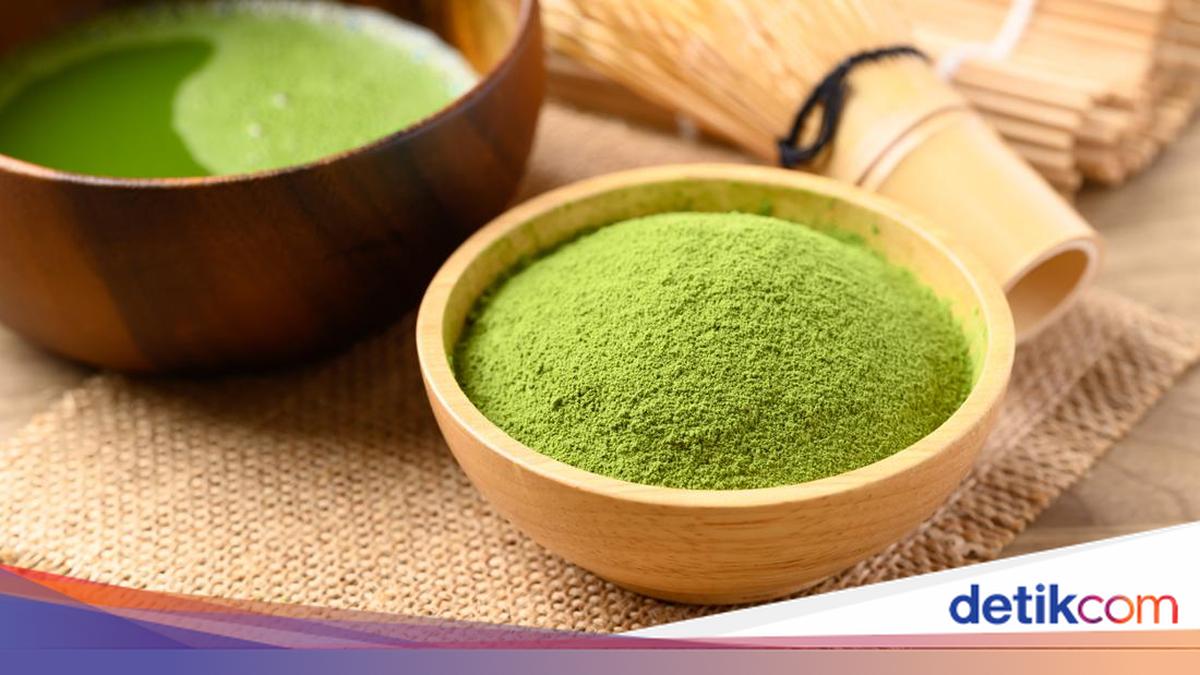
Japanese matcha, particularly the ceremonial grades from regions like Uji, is renowned for its "electric" or "neon" green color. In contrast, Indonesian matcha tends to have a slightly more muted, though still vibrant, forest green hue. This is not necessarily a sign of lower quality but rather a reflection of the different soil minerals and the specific tea clones used in West Java.
The Flavor Profile: The Boldness of the Tropics
The most striking difference lies in the palate. Indonesian matcha is characterized by a significantly higher level of astringency and bitterness compared to Japanese matcha. This is largely a genetic trait of the Assamica variety, which is naturally higher in catechins and caffeine. While Japanese matcha is often described as having a "creamy" and "sweet umami" finish, Indonesian matcha provides a "bold" and "robust" experience.
Texture and Solubility
Through the use of Majalengka stone mills, Indonesian producers have managed to achieve a fineness that allows the powder to suspend well in liquids. However, the slightly different cellular structure of the Assamica leaf means that the "mouthfeel" of the local product is often perceived as more substantial or "grippy" on the tongue compared to the silkiness of Japanese Sinensis powder.
Economic Impact and the Support for Local Agriculture
The emergence of a domestic matcha industry carries profound implications for the Indonesian economy and its agricultural community. Historically, Indonesian tea farmers have been at the mercy of global commodity prices for black tea, which often fluctuate and provide slim profit margins. By pivoting to matcha production, farmers are integrated into a high-value supply chain.
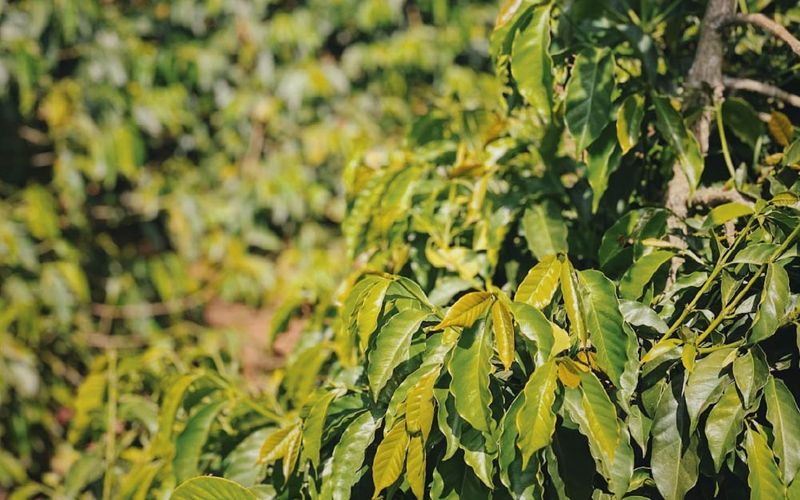
The production of Indomatcha involves a close collaboration with local tea pickers and smallholder farmers. Because the requirements for matcha—such as specific shading and careful hand-picking—are more demanding than for standard tea, the farmers are often compensated at a higher rate. This "value-added" approach ensures that the wealth generated from the final product stays within the local community rather than being lost to international middlemen.
Furthermore, for the Indonesian hospitality industry, the availability of a local premium matcha is a game-changer. Importing high-grade matcha from Japan involves significant shipping costs and import duties, which are then passed on to the consumer. By using Indomatcha, local cafes can offer high-quality matcha lattes and pastries at a more accessible price point, thereby democratizing the "matcha experience" for the broader Indonesian public.
The Culinary Versatility of "Bitter" Matcha
While "bitterness" is often seen as a negative trait in Western palates, in the world of tea and professional culinary arts, it is a highly valued component. The more pronounced bitterness and astringency of Indonesian matcha make it an exceptional ingredient for cooking and baking.
In a "Matcha Latte," for example, the subtle sweetness of Japanese ceremonial matcha can often be overwhelmed by the fat and sugar in the milk. In contrast, the bold profile of Indonesian matcha cuts through the dairy, ensuring that the distinct tea flavor remains the protagonist of the drink. Similarly, in desserts like matcha lava cakes or gelato, the bitterness of the local powder provides a necessary balance to the sugar, creating a more complex and adult flavor profile.
Future Outlook: Indonesia on the Global Tea Stage
As the global wellness trend continues to grow, the demand for antioxidant-rich products like matcha shows no signs of slowing down. Industry analysts suggest that Indonesia is well-positioned to become a major alternative source for matcha, particularly for the "culinary grade" and "premium cafe grade" segments of the market.
The success of pioneers like Rizal Firdaus serves as a proof of concept. It challenges the notion that premium tea products can only come from a few select countries. With continued investment in technology and a deeper understanding of the unique chemistry of the Assamica leaf, Indonesian matcha could eventually carve out its own "Geographical Indication" status, much like how Indonesian specialty coffees (such as Gayo or Toraja) have earned international acclaim.
In conclusion, while Indonesian matcha may be "more bitter" than its Japanese predecessor, this bitterness is not a flaw; it is its signature. It is a reflection of the rich, volcanic soil of Java and the resilient nature of the Indonesian tea plant. As more consumers and chefs begin to appreciate the bold, robust character of local matcha, Indonesia is set to transition from being a mere exporter of raw tea leaves to a sophisticated producer of one of the world’s most coveted powders. The rise of Indomatcha is more than just a culinary trend—it is a story of national pride, agricultural innovation, and the enduring power of the humble tea leaf.