Socio Today
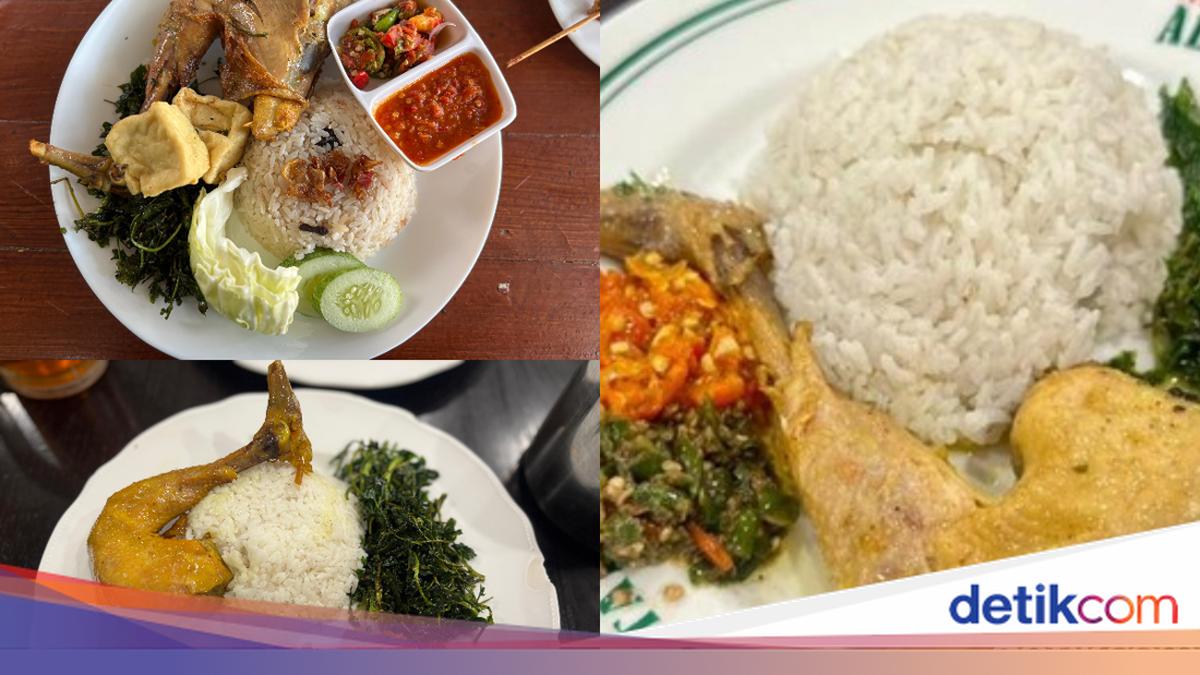
The culinary landscape of Jakarta is currently undergoing a significant shift as the "Ayam Goreng Basah" or "Wet Fried Chicken" trend takes over social media feeds and local food districts. Unlike the traditionally popular "Ayam Goreng Kremes" or "Ayam Penyet," which prioritize a crunchy, dry exterior, this new phenomenon focuses on a tender, succulent texture with a signature "lengket" or sticky surface. This trend has reached its peak in South Jakarta, a known epicenter for culinary innovation and viral food spots. Among the numerous establishments vying for the title of the best wet fried chicken, three names have consistently dominated the conversation: Ayam Goreng Basah Aldi Taher, Ayam Goreng Bu Iyin, and Ayam Goreng Lengket Pamungkas. A comprehensive review and comparison of these three establishments reveal distinct differences in flavor profiles, service models, and overall value, providing a clear picture of why this specific dish has captured the public’s imagination.
The rise of Ayam Goreng Basah can be attributed to a growing consumer preference for "Ayam Pejantan" (male layer chickens), which are prized for their leaner meat and tougher texture compared to standard broiler chickens. To make Ayam Pejantan palatable, it requires a long "ungkep" (braising) process in a rich blend of traditional Indonesian spices. The "wet" finish is achieved by flash-frying the marinated chicken just long enough to seal the flavors without drying out the meat, often leaving a coating of caramelized spices and oil that creates the "lengket" sensation. This culinary technique, while not entirely new, has been rebranded and elevated by these South Jakarta establishments to meet the demands of modern food enthusiasts who value both authenticity and "Instagrammable" textures.
Ayam Goreng Basah Aldi Taher: The Celebrity Entrant and 24-Hour Convenience
Located in the upscale and bustling Senopati area, Ayam Goreng Basah Aldi Taher leverages both its prime location and the celebrity status of its founder. Senopati is a high-traffic zone for Jakarta’s nightlife and office crowds, making the establishment’s 24-hour operation a strategic advantage. The venue itself is spacious, designed to accommodate large groups at any hour, which sets it apart from more traditional, cramped street-side eateries.
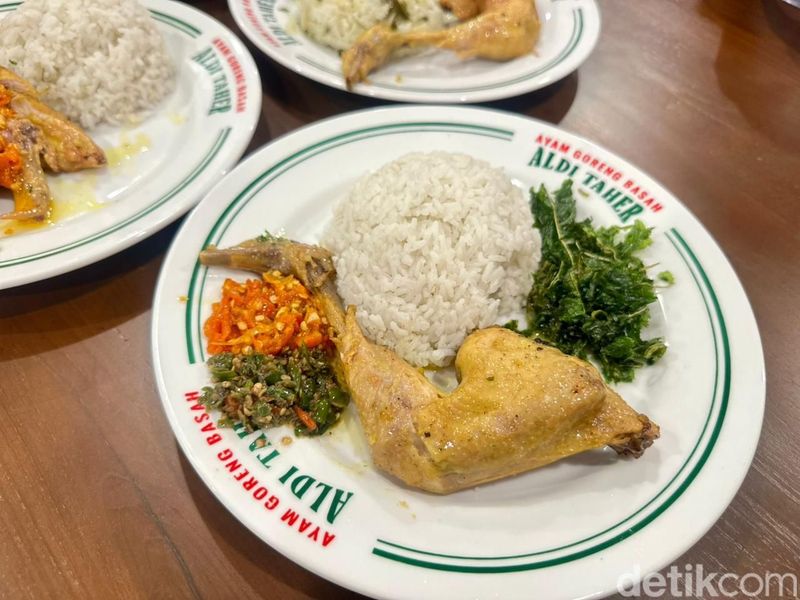
The pricing at Aldi Taher’s establishment is competitive for the area, with a standard package priced at IDR 38,000. This package includes a piece of wet fried chicken, "jukut goreng" (deep-fried cabbage or greens), two varieties of sambal, and a choice of rice—options include plain white rice, "nasi jeruk" (lime leaf rice), or "nasi uduk" (coconut milk rice). During a tasting session conducted on June 30, the "nasi jeruk" was noted for its fluffy yet slightly moist texture and refreshing citrus aroma, which serves as a necessary counterpoint to the richness of the fried chicken.
The chicken itself, being of the Pejantan variety, exhibits the characteristic softness and stickiness that defines the trend. The flavor profile is a balanced trifecta of savory, salty, and sweet notes. A standout feature of this establishment is its green sambal (sambal hijau), which incorporates "ebi" (dried shrimp), providing an umami-rich depth and a fresh heat. The "jukut goreng" here is served finely chopped, making it easier to consume, though it leans heavily toward the sweet side, likely due to the addition of granulated sugar during the frying process.
Ayam Goreng Bu Iyin: Digital Efficiency and Traditional Flavors
Ayam Goreng Bu Iyin, situated in the Wijaya district, represents the intersection of traditional Indonesian flavors and modern operational efficiency. Despite the long queues that have become a staple at this location, the establishment has implemented a digital queuing system. Customers can scan a QR code to monitor their position in the line via their smartphones, a move that reflects the tech-savvy nature of South Jakarta’s dining public.
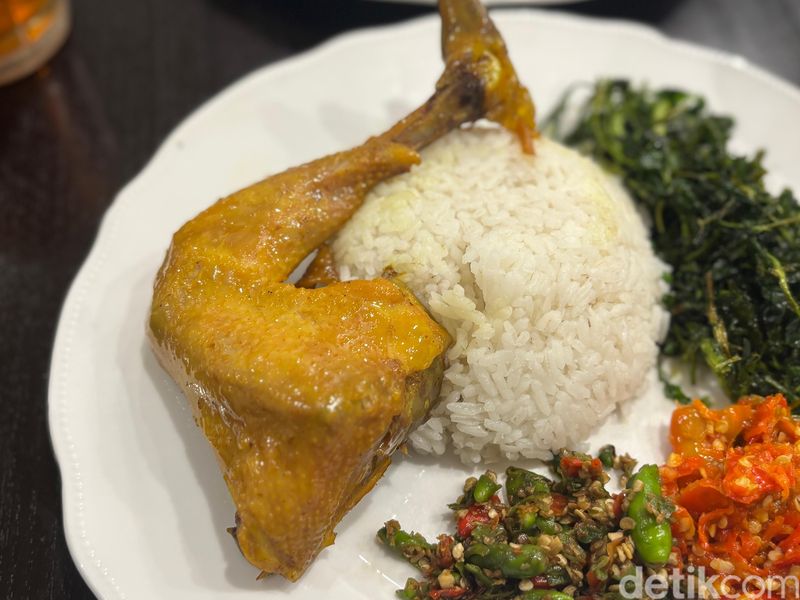
Priced at IDR 40,000 per portion, the offering at Bu Iyin includes the chicken, rice, jukut, "sambal dadak" (freshly ground chili), and "sambal bawang" (garlic chili). The chicken—also Ayam Pejantan—maintains a consistent softness across both breast and thigh cuts. In a tasting session on July 25, the flavor was described as predominantly savory and salty, with only a subtle hint of sweetness, making it a preferred choice for those who find the Aldi Taher version too sugary.
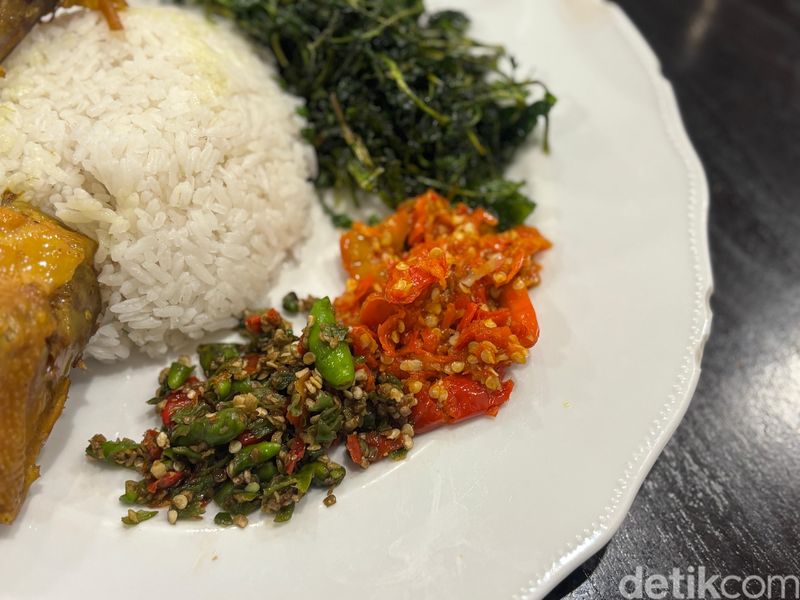
The sambals at Bu Iyin are notable for their complexity. The green sambal features a strong presence of "cikur" (aromatic ginger/kencur), providing a sharp, earthy undertone that is common in Sundanese cuisine. For those who find raw green chili too pungent, the savory "sambal bawang" offers a more conventional but equally satisfying heat. The "jukut goreng" at Bu Iyin is seasoned more aggressively with salt and savory spices, making it best enjoyed when mixed thoroughly with the rice and chicken to balance the intensity.
Ayam Goreng Lengket Pamungkas: The Spice-Forward Contender
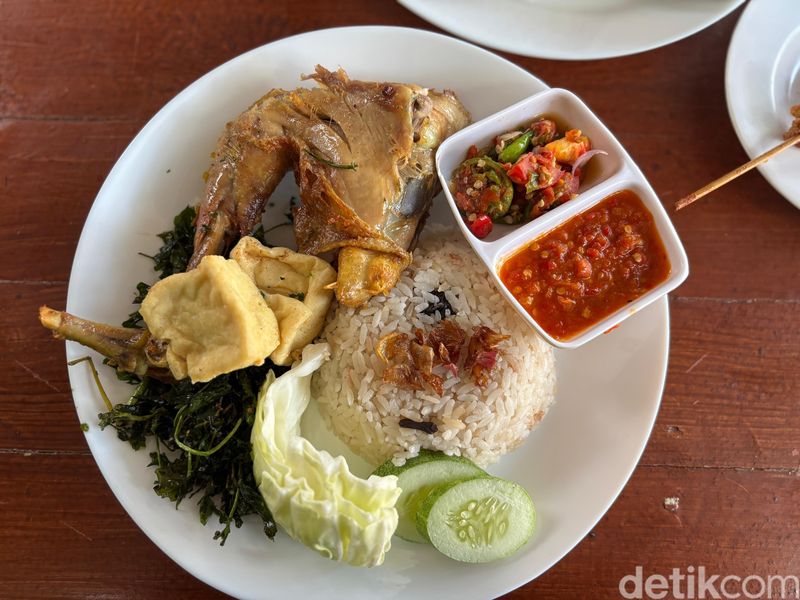
In the Cipete area, Ayam Goreng Lengket Pamungkas operates as a "kaki lima" or street-side stall, yet it manages to compete directly with more established brick-and-mortar venues. At IDR 40,000, its price point is identical to Bu Iyin, but the package is arguably more comprehensive. It includes the chicken, nasi uduk, jukut, two pieces of fried tofu (tahu), fresh vegetables (lalapan), and two types of sambal.
The defining characteristic of Lengket Pamungkas is its unapologetic use of whole spices. The nasi uduk is a sensory experience, infused with the visible and aromatic presence of cloves, star anise, and cardamom. This level of spice integration is rare for street-level fried chicken stalls and suggests a high degree of culinary craftsmanship.
During a visit on July 20, the chicken was found to be exceptionally tender and sticky, adhering perfectly to the "Ayam Goreng Basah" archetype. The jukut goreng at this location also stands out for its heavy use of coriander, giving the fried greens a distinctive herbal fragrance. While the sambals (red and "dadak") were noted as being milder in heat, they provided a solid foundation for the meal, though some tasters suggested a pinch more salt or seasoning could elevate them further.
Comparative Analysis and Market Implications
When evaluating these three viral spots, the "best" choice depends largely on the diner’s specific preferences for spice, sweetness, and atmosphere. Ayam Goreng Lengket Pamungkas emerged as a favorite for those seeking a complex, spice-heavy experience. The integration of traditional aromatics into both the rice and the side dishes provides a depth of flavor that transcends the simple "salty-sweet" profile of its competitors.
However, from a purely condiment-driven perspective, Ayam Goreng Bu Iyin holds the advantage. The use of "cikur" in the sambal offers a unique regional flavor profile that resonates with Jakarta’s large population of Sundanese food lovers. Meanwhile, Aldi Taher’s establishment wins on accessibility and the quality of its "nasi jeruk," which is widely regarded as one of the best aromatic rice options in the current wet fried chicken scene.
The broader implication of this trend is the revitalization of the "Ayam Pejantan" market. For years, broiler chickens dominated the fast-food and casual dining sectors due to their low cost and high meat yield. The shift toward "Ayam Goreng Basah" has educated consumers on the superior texture and flavor retention of Pejantan chickens when cooked correctly. Furthermore, the success of these three spots highlights the power of "hyper-local" viral marketing. All three locations have seen a surge in foot traffic driven by TikTok and Instagram reviews, proving that in Jakarta’s current economy, the "visual" of a sticky, glistening piece of chicken is as important as the taste itself.
Chronology of the Trend and Future Outlook
The "Ayam Goreng Basah" craze began to gain significant momentum in late 2023, peaking in the second quarter of 2024. The chronology of the reviews—spanning from late June to late July—indicates a sustained interest that has not yet reached a point of saturation. Unlike "Ayam Geprek," which saw a rapid rise and equally rapid decline in quality due to over-franchising, the wet fried chicken trend currently remains concentrated among a few key players who maintain strict control over their recipes.
Industry analysts suggest that the next phase of this trend will likely involve the expansion of these brands into other parts of the Greater Jakarta area (Jabodetabek). However, the challenge will be maintaining the "wet" texture during delivery, as the dish is best consumed immediately after frying. As long as these establishments continue to innovate with their side dishes—such as the spice-infused rice and specialized sambals—the "Ayam Goreng Basah" movement is expected to remain a staple of the South Jakarta culinary scene for the foreseeable future.
In conclusion, while Ayam Goreng Lengket Pamungkas may take the lead for its bold use of spices, the "battle" for the best wet fried chicken is a testament to the diversity of Jakarta’s palate. Whether it is the 24-hour convenience of Aldi Taher, the digital efficiency of Bu Iyin, or the aromatic complexity of Pamungkas, each establishment offers a unique take on a dish that has redefined what it means to be "fried chicken" in the heart of Indonesia’s capital.